

MEPs call for sanctions against three Georgian TV channels






On 5 May, the European Parliament is due to vote on its annual report on Georgia. MEPs will consider both the main document and proposed amendments. Some proposals call for sanctions against several major pro-government broadcasters.
According to amendments published on 19 March on the European Commission website, some MEPs are calling for restrictive measures against the TV channels Imedi, Rustavi 2 and POSTV. The report describes these outlets as a “de facto communications arm” of the ruling Georgian Dream party, which it says systematically spreads disinformation and hostile propaganda.
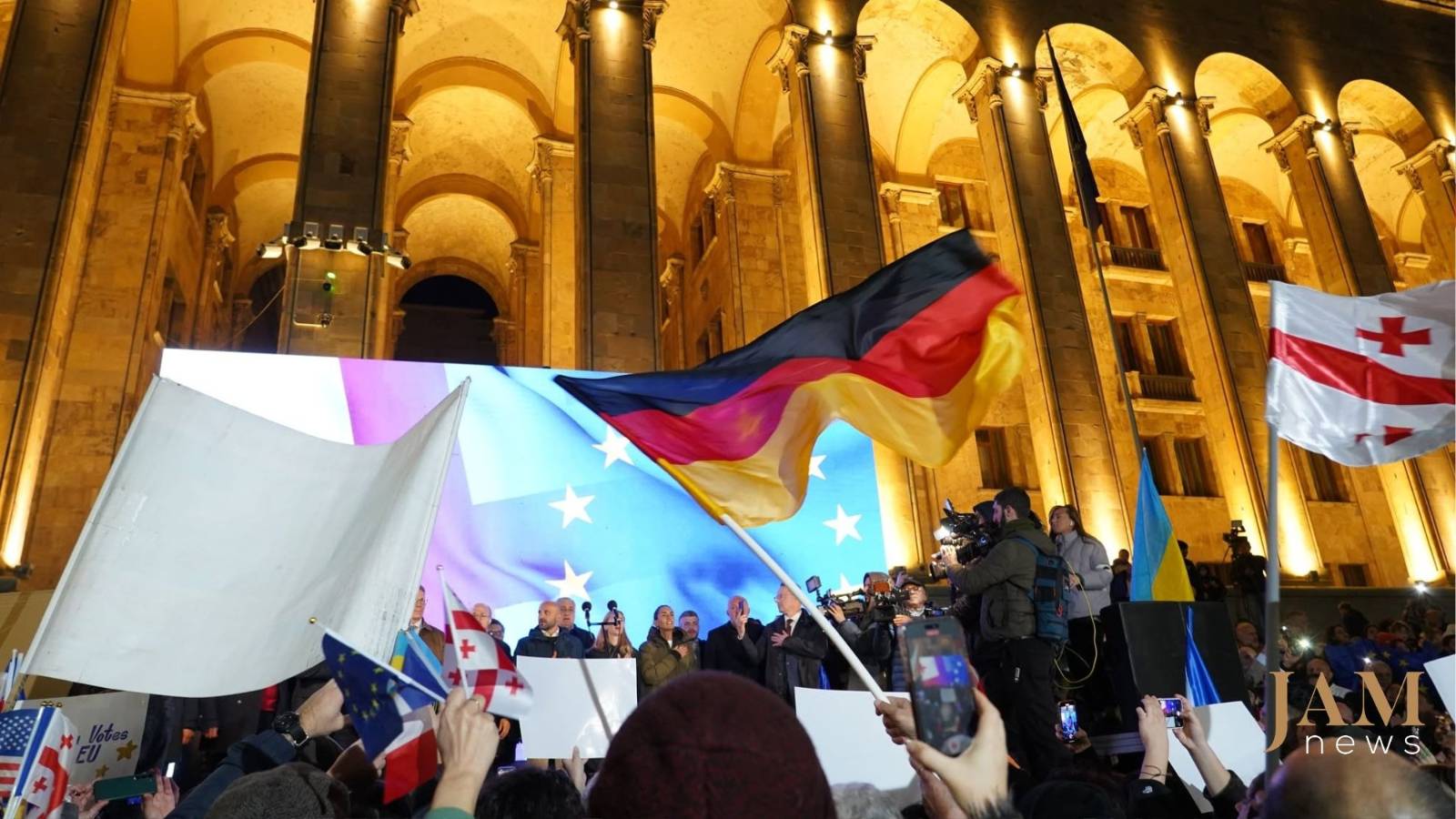
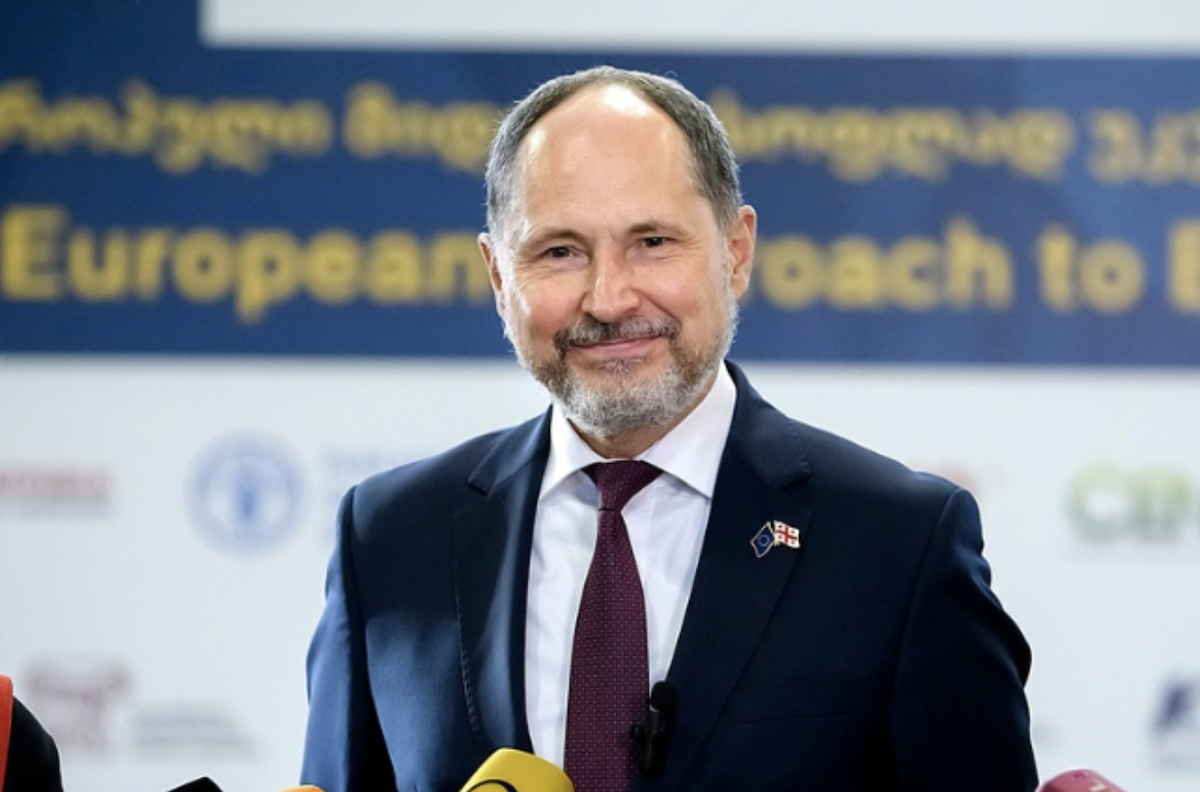
The report focuses in particular on information campaigns targeting representatives of the European Union. It condemns “demeaning narratives” and “manipulative reporting” targeting EU institutions and officials, including the EU Ambassador to Georgia Pawel Herczynski, which it says aim to undermine public trust in the EU.
MEPs stress that the deliberate spread of disinformation cannot be regarded as good-faith journalism and should not be protected by media freedom provisions. According to the report’s authors, such actions instead amount to political propaganda aimed at strengthening authoritarian control and pulling the country away from its European path.
In this context, the report also highlights Georgia’s status as an EU candidate country. It says such practices run counter to the commitments the country made when it obtained that status. The report adds that disinformation campaigns and restrictions on media pluralism undermine the fundamental principles of democratic accountability and freedom of expression.
One of the amendments calls on EU institutions and member states to consider “appropriate and proportionate” sanctions against individuals and entities responsible for organising and financing these campaigns. It also refers to the possible use of the EU’s global sanctions regime if such actions continue.

Separately, Amendment 125 raises the possibility of extending sanctions to members of the leadership of Georgia’s National Communications Commission and the Public Broadcaster, as well as individuals from Imedi and POSTV whom the report says are responsible for spreading “deliberately misleading information” about the war in Ukraine.
The report notes that the United Kingdom has already imposed sanctions on the channels. It also calls on the European Union to review their accreditation with EU institutions and to consider similar measures in member states.

Sanctions against Georgian TV channels