Fake news in Armenia claims ‘Curtain’ programme can manipulate election results






Fake election-control programme claim in Armenia
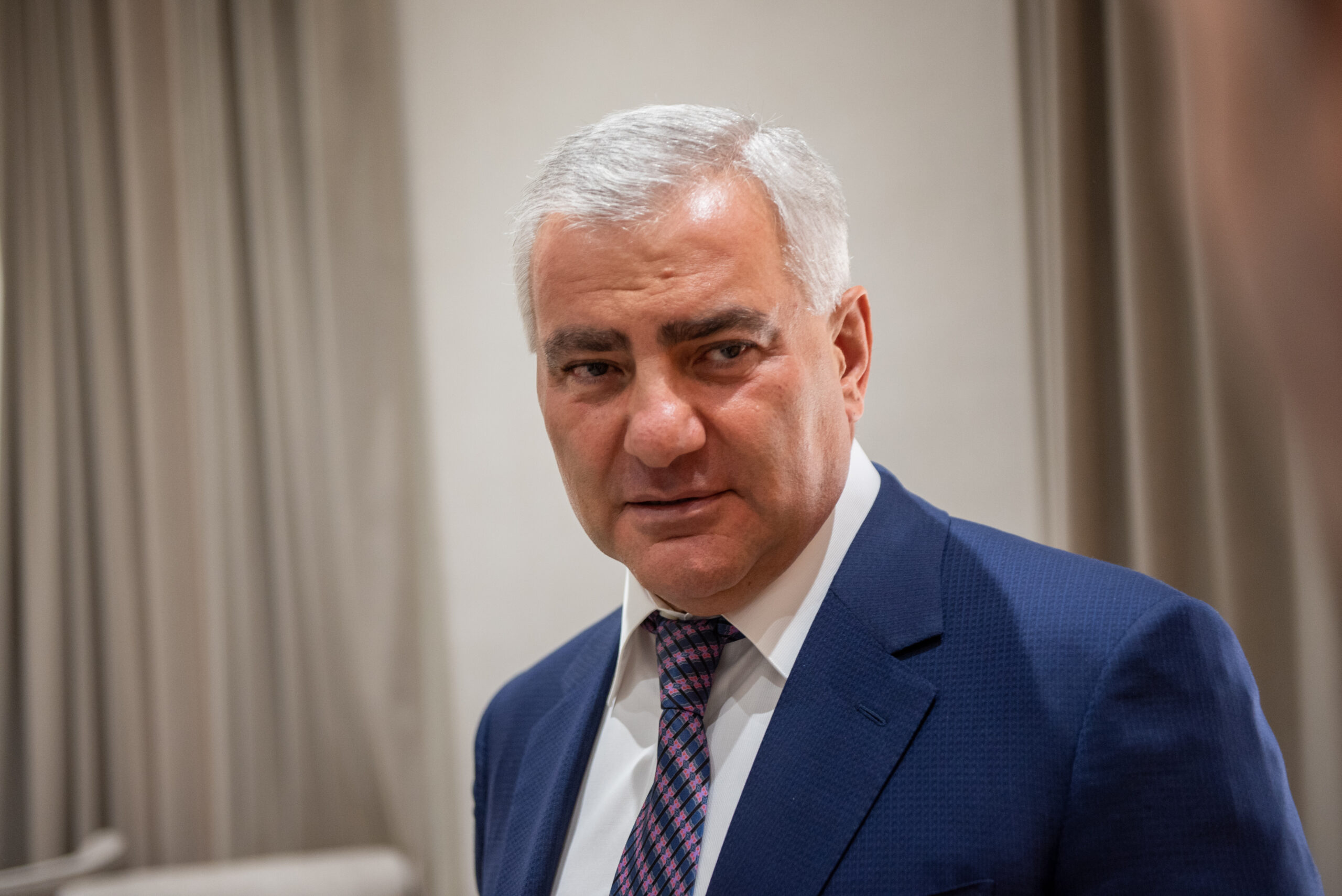
A fake story circulating on social media claims that a secret programme called “Curtain” will operate during Armenia’s parliamentary elections on 7 June. The platform Haymitq.am published the claim first.
The article alleges that Armenia’s National Security Service of Armenia and the Central Electoral Commission of Armenia created the software on the orders of Prime Minister Nikol Pashinyan. It further claims that the programme can monitor voters inside polling booths and alter election results in real time.
“The material in question is complete nonsense. Commenting on it would be even more absurd. The people spreading this disinformation want to create panic among the public,” Vahagn Hovakimyan told Factor TV.
The outlet also examined the claims about the alleged “secret programme” and found no evidence to support them. Investigative journalists additionally identified a number of factual errors in the story.
- ‘Sensational but false’: scrutiny of election promises made by some political forces in Armenia
- Russian intelligence operatives sent to ‘target Pashinyan’: The Insider investigation
- Leak reveals secret documents on Russia’s hybrid attacks against Armenia
What the fake article claims
The article carries the headline “Prime Minister Pashinyan’s Secret Software Threatens Armenia’s Democracy”. Haymitq.am published it on 21 May.
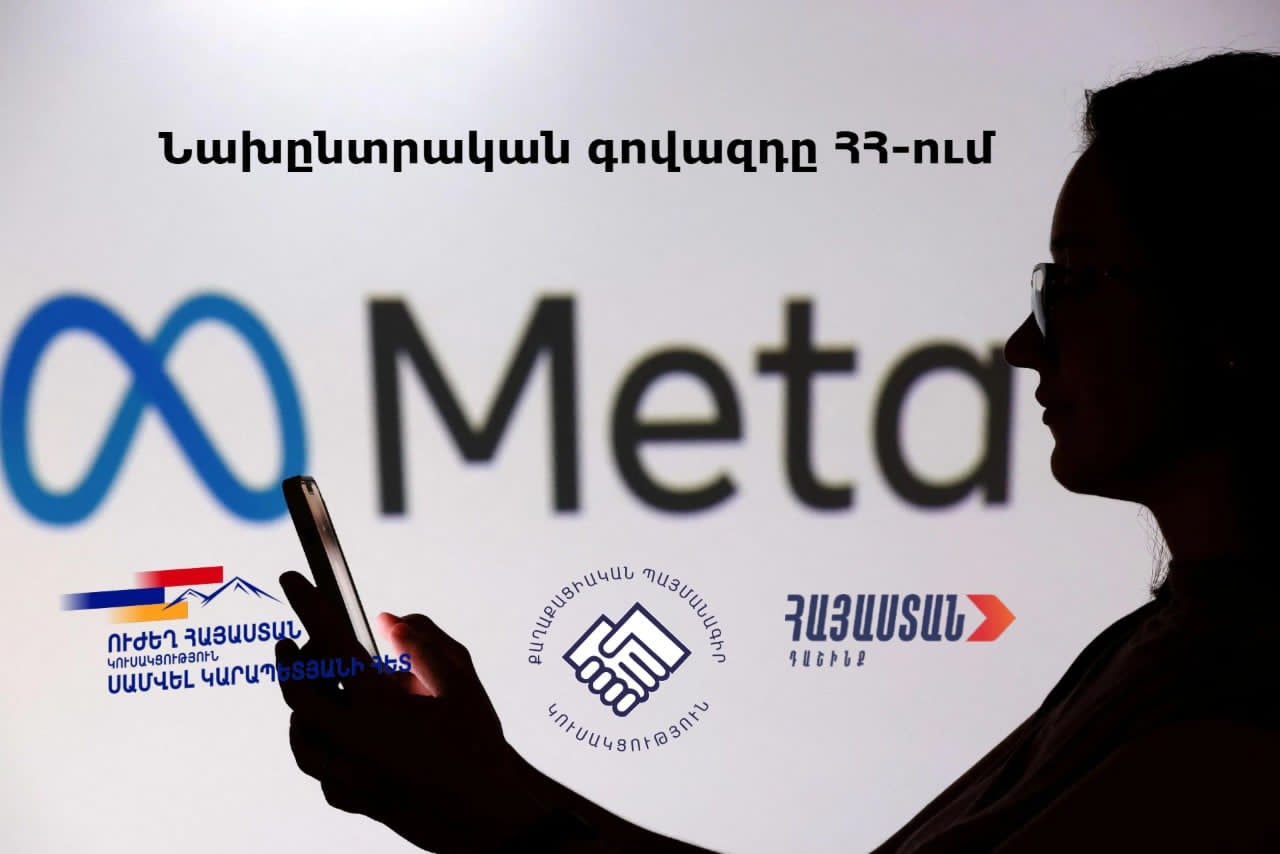
A few days later, on 25 May, users began widely sharing the article on Facebook. The platform’s advertising tools have helped keep the story circulating in both posts and Stories.
“Next Sunday, we will see whether they [Nikol Pashinyan and his team] have succeeded in altering the results through software,” the article states.
The authors claim that six months before the election, officials allegedly created a programme codenamed “Curtain”. According to the article, the software allows the ruling party to:
- monitor how voters cast their ballots inside polling booths in real time;
- calculate the percentage of votes received by each party;
- alter the data when necessary.
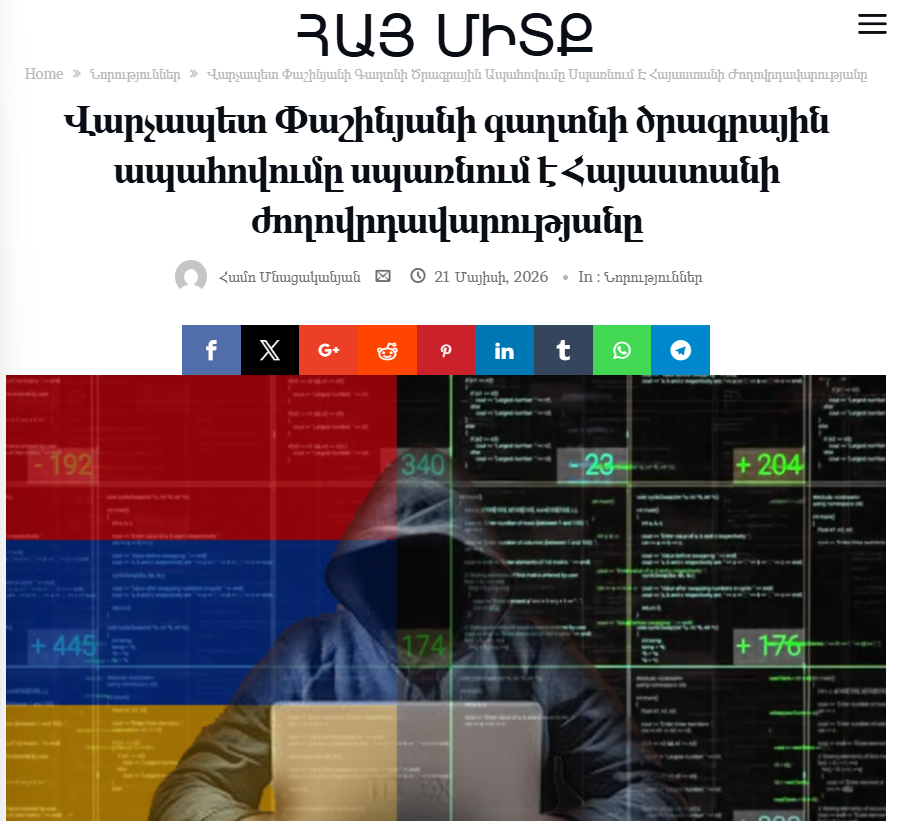
The Haymitq.am website does not provide any information about its editorial team. The articles list Hamo Mnatsakanyan as their author, but the site offers no details about him. According to Who.is, the website was created on 17 December 2025.
How the false claim spread
A Facebook page called Armenia Aktual shared the article. Although the page presents itself as a clothing store for pregnant and nursing mothers, its feed includes content from Haymitq.am and other websites that publish questionable material. The page appeared in April 2025 and has changed its name three times since then.
According to Meta’s Ad Library, the page spent $95 on advertisements classified under “Social issues, elections or politics” between 23 February and 23 May 2026. During that period, it ran only one ad in that category. The advertisement appeared on 15 May and generated 60,000 views.
The page promoted an article from Yerevantimes.am. The article claimed that “during an event in Gyumri on 5 May, Pashinyan touched the French president’s groin”. Meta removed the post because the advertiser failed to disclose who paid for it.
Later, on 25 May, users began promoting the story about the alleged “secret computer programme”. This time, the advertiser placed it in a different category in order to avoid disclosing the source of funding.
The false claims about the “Curtain” programme did not spread only through Facebook advertising. Users also circulated them widely on X. Fact-checkers at Factor TV reported that numerous X accounts shared an AI-generated video based on the Haymitq.am article.
The video expanded on the original allegations. It falsely claimed that the head of the Central Electoral Commission’s Department of Information Technology and Electronic Management Systems had provided information about the alleged programme.
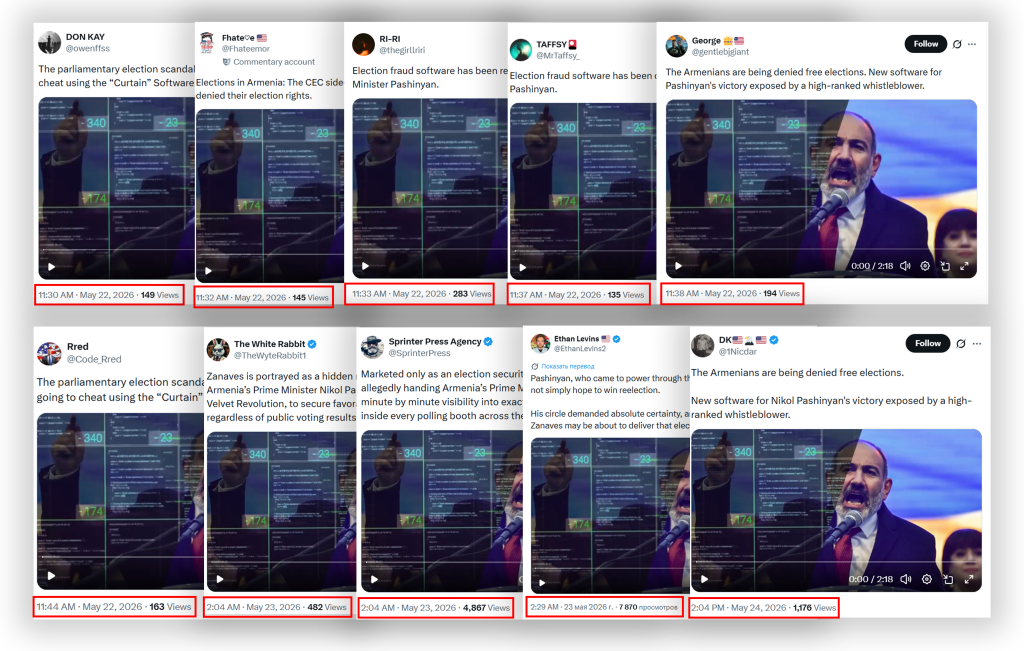
To make the video appear more credible, its creators used photographs and the logo of the OSCE Office for Democratic Institutions and Human Rights election observation mission.
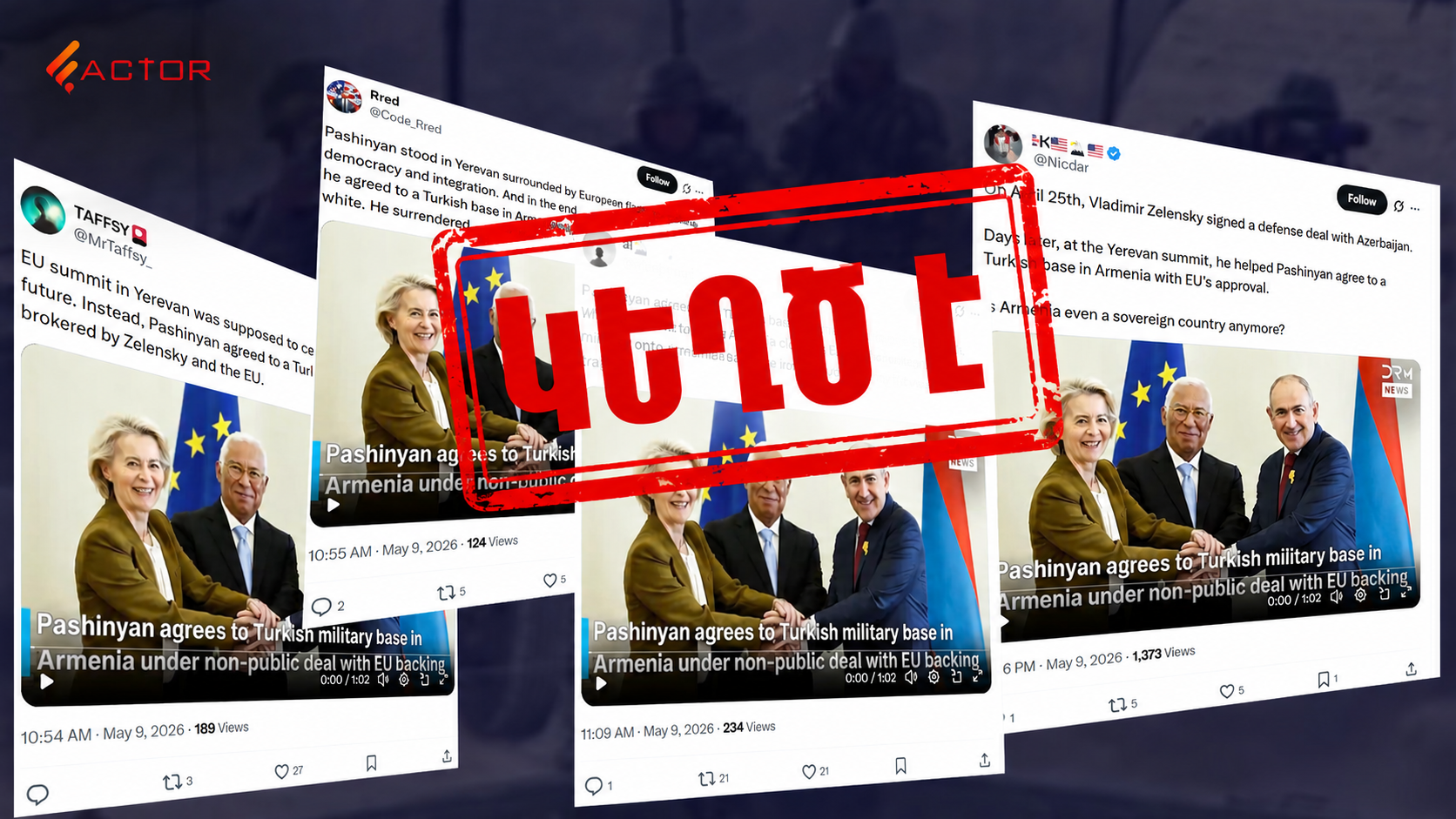
A user named Ethan Levins also shared a video containing similar claims. Levins describes himself as an American journalist and has more than 148,000 followers. Armenian fact-checkers say he regularly spreads false information about Armenia.
Voters’ choices are not recorded inside polling booths: fact-checkers identify manipulation
Journalists at Factor TV reviewed the claims and reached several conclusions:
- the allegation spread through a non-transparent advertising mechanism;
- the original source lacks editorial transparency;
- the sensational claims contradict the technical procedures used in Armenia’s electoral process.
The fact-checkers argue that the method used to distribute both the article and the video based on it closely resembles “hybrid mechanisms for spreading disinformation”.
“Even the same users appear repeatedly in these campaigns. This suggests that the false claims are being spread deliberately and are intended to promote conspiracy theories about the 7 June elections.”
Armenian journalists also identified methodological flaws in the allegations. Under Armenia’s voting procedures, no system records a voter’s choice after they enter the polling booth and until election officials count the ballots at the end of the day. As a result, the kind of interference described in the article would not be possible.
“A voter’s choice is not recorded inside the polling booth and is not stored in any electronic system that software could access or alter,” the fact-checkers said.
They also note that election rules prohibit cameras or any other technical devices from monitoring activity inside polling booths.
According to the journalists, election officials use technical equipment only before voters enter the booth and solely for voter identification purposes.
As for the vote count, officials carry it out after polling stations close. Election commission members, authorised representatives, observers, journalists and other accredited participants can all witness the process directly at the polling station. Under current legislation, officials record the results in paper protocols.
Fake election-control programme claim in Armenia