Sergei Shoigu: 'Georgia prevented coup in 2024 and began defending its national interests'


Russia increasingly praises Georgian Dream
Russia’s Security Council Secretary Sergei Shoigu praised the course pursued by the Georgian government and welcomed closer economic ties between Moscow and Tbilisi.
Shoigu made the remarks in Moscow on 9 November at the 14th annual meeting of security council secretaries from Commonwealth of Independent States (CIS) member states.
“In 2024, the Georgian authorities successfully thwarted an attempted coup initiated by the pro-Western opposition and set out to defend the country’s national interests,” Shoigu said.
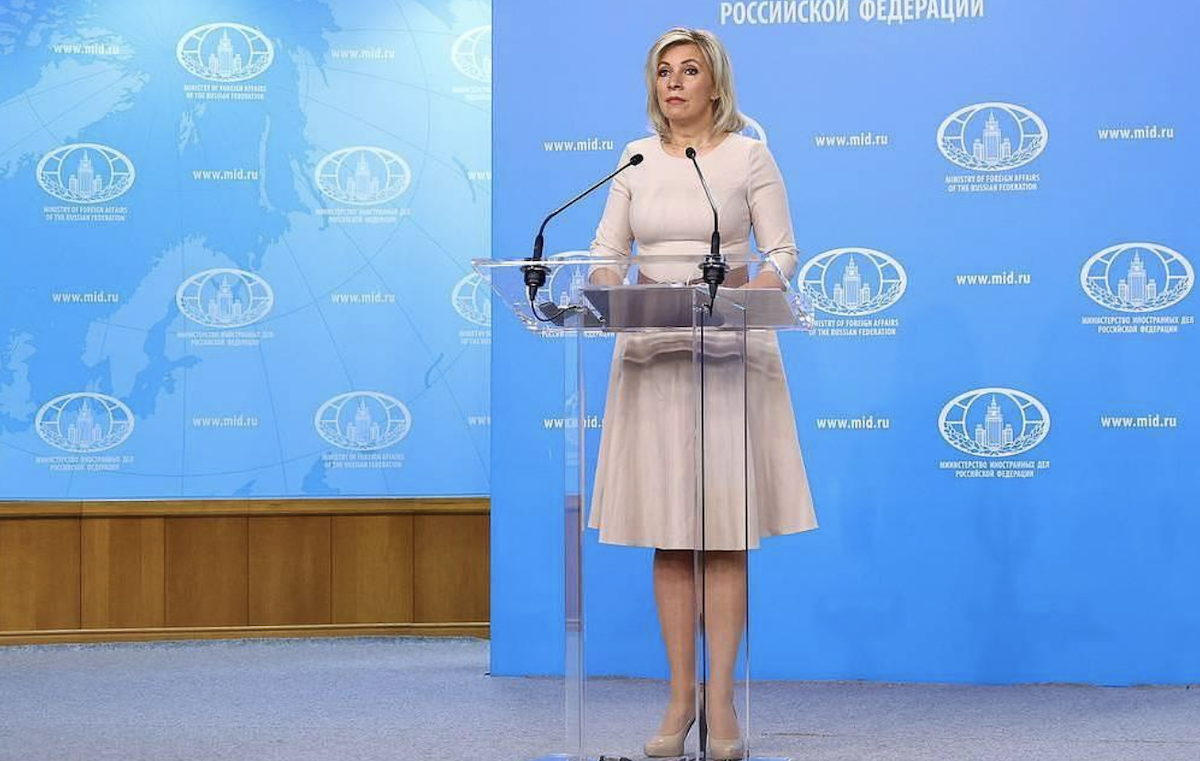
At the same meeting, Shoigu spoke about the development of economic cooperation between Russia and Georgia.
“We welcome the active development of trade and economic cooperation between Georgia and Russia. I would also like to stress that regional problems should be resolved through political and diplomatic means, without interference from outside countries,” the Russian Security Council secretary said.
Shoigu also highlighted the importance of resuming the work of the regional 3+3 consultative platform. The format currently includes Russia, Iran, Turkey, Armenia and Azerbaijan.
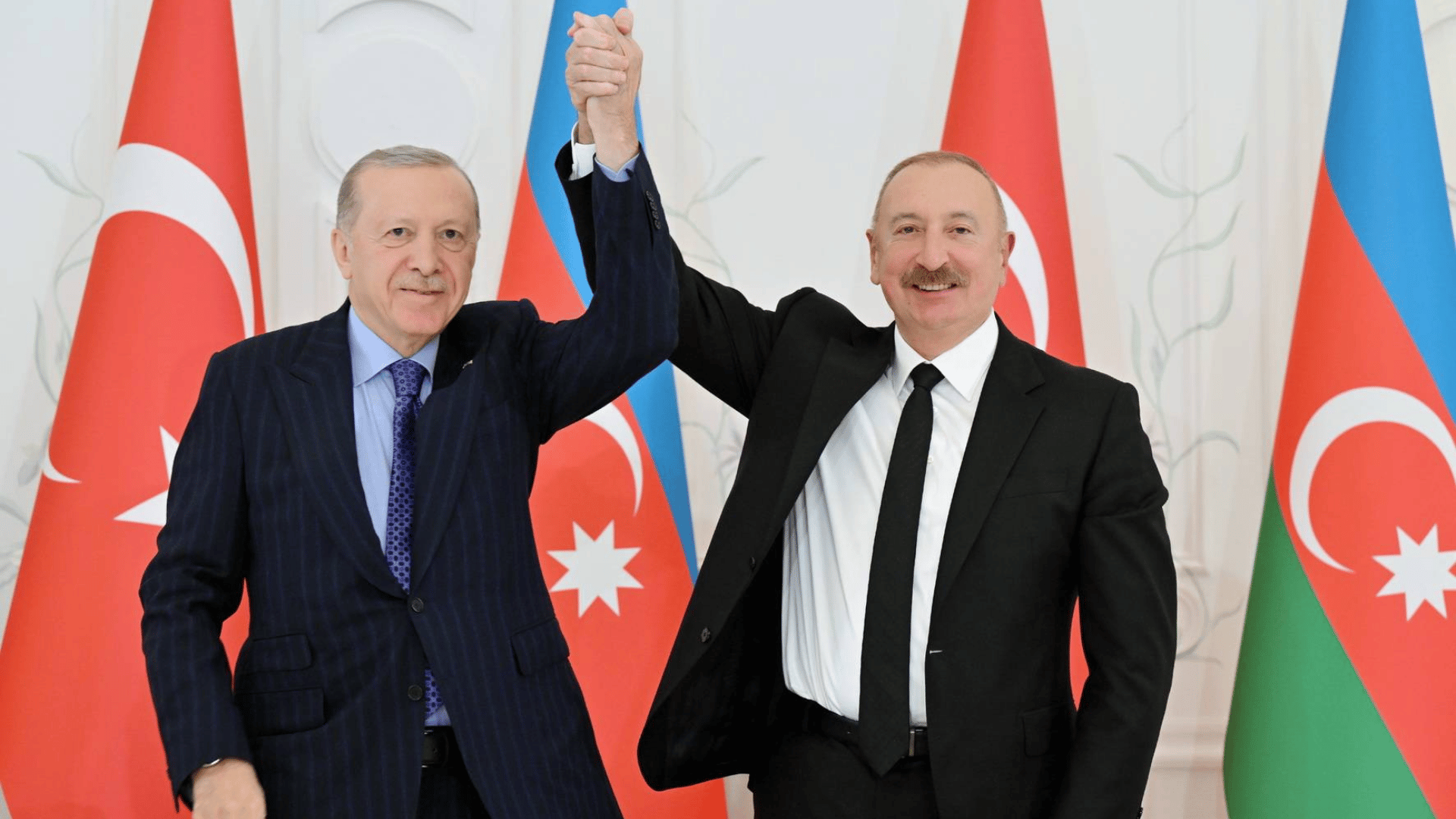
Turkish President Recep Tayyip Erdoğan first proposed the 3+3 format in 2020 during a meeting with Ilham Aliyev in Azerbaijan, following the end of the Karabakh war. The initiative envisaged a regional cooperation platform involving Turkey, Russia, Iran, Azerbaijan, Armenia and Georgia, aimed at securing lasting peace and stability in the South Caucasus. Despite repeated calls from Russia, the Georgian government has said it will not take part in meetings under this format. The first meeting took place in 2021 and the second in 2023. Georgia attended neither.
Shoigu also addressed the situation in the South Caucasus.
He said the situation in the region was improving and that “the normalisation of Armenian-Azerbaijani relations and the de facto establishment of peace in the region are producing results”.
Georgian Dream responds to Shoigu’s remarks
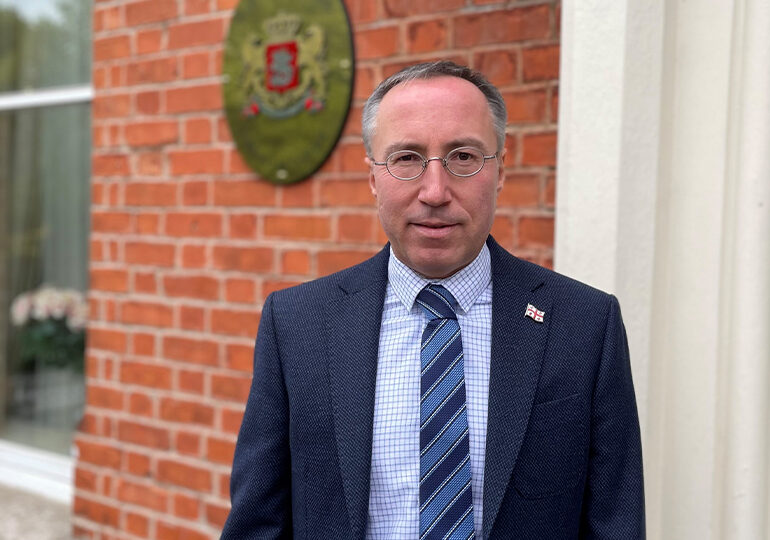
Giorgi Volski, the parliament’s first deputy speaker, told journalists that Shoigu’s remarks served merely as a “lifeline for those media outlets – and the politicians who support them – that are waging a fierce campaign against the state”.
He added that Georgia had, in effect, faced an attempt to overthrow the government by force, and that Shoigu’s assessment of the events was irrelevant.
“I don’t know what you mean by ‘praise’, but what actually happened was an attempted uprising, a coup and an attempt to overthrow the government by force – although some tried to portray it as a ‘peaceful change of power’. How Shoigu chooses to describe it is completely irrelevant,” Volski said.
As for the 3+3 format, Volski noted that Georgia was not the only country reluctant to join. Other countries originally envisaged as participants also showed little enthusiasm for the initiative.
Background
Shoigu’s remarks are not the first instance of senior Russian officials speaking favourably about the policies of Georgian Dream.
Over the past year, Moscow has repeatedly sent signals of support for the course pursued by the Georgian government.
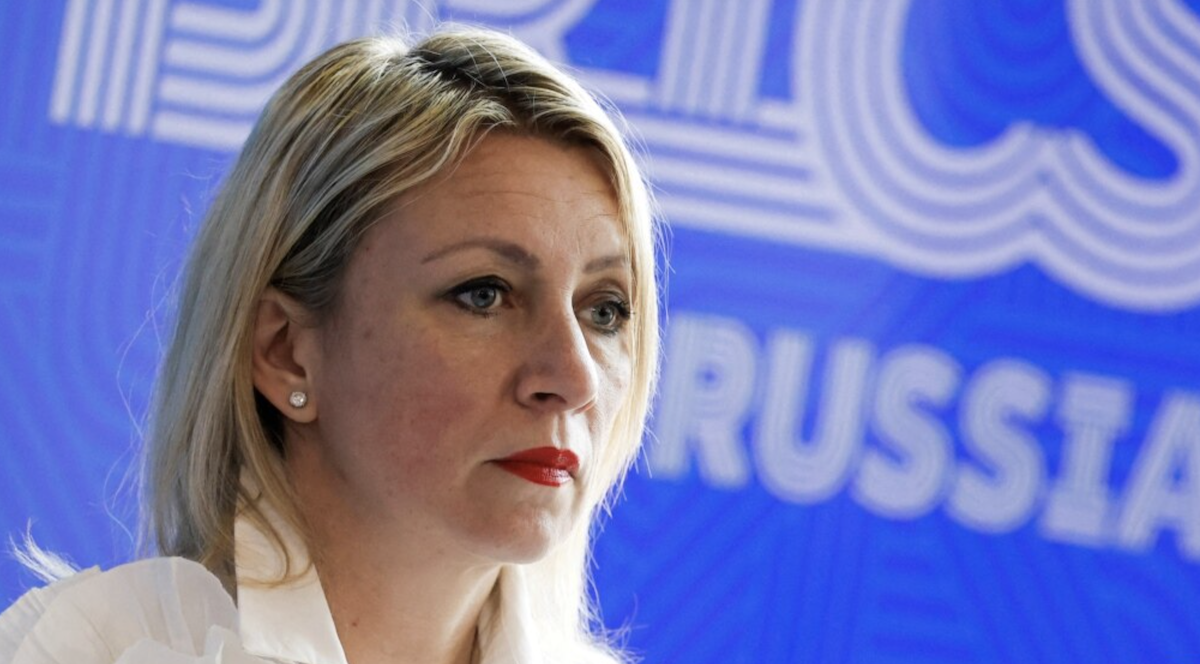
Last week, Russian Foreign Ministry spokeswoman Maria Zakharova said, that Moscow stood ready to support initiatives aimed at deepening cooperation between Russia and Georgia. She also said she would like to see a Russian embassy open in Tbilisi.
In August, Russian Security Council Deputy Chairman Dmitry Medvedev praised the Georgian government’s “pragmatic course”. Deputy Foreign Minister Mikhail Galuzin also said that Georgia’s successful development depended on cooperation with Russia rather than confrontation.
Earlier, in April, Galuzin said, that Russia stood ready to normalise relations with Georgia, but the extent of this process depended on Tbilisi’s own willingness.
In March, Zakharova also said, that Moscow was ready to deepen relations with Georgia, adding that “the Georgian side is also interested in constructive relations with Russia”. In February, Galuzin stressed that “cooperation with Russia is one of the key factors behind Georgia’s ‘unprecedented economic’ recovery”.
On 2 September 2008, following the war that August, Georgia severed diplomatic relations with Russia. The decision came after Russia recognised the independence of Abkhazia and the Tskhinvali region and occupied Georgian territories. Economic ties have gradually recovered since then, but political dialogue remains limited.
Similar statements also came from Moscow last year.
In December 2025, Mikhail Kalugin, director of the Russian Foreign Ministry’s Fourth Department of the CIS Countries, said that Tbilisi was demonstrating “sound pragmatism” and pursuing a multi-vector foreign policy.
He welcomed Georgia’s decision not to join Western sanctions against Russia, saying that this approach had helped develop economic ties between the two countries.
Russia increasingly praises Georgian Dream