Strategic partnership signed in Dublin: What does London want from Baku, and what does Baku gain?


Azerbaijan-UK partnership
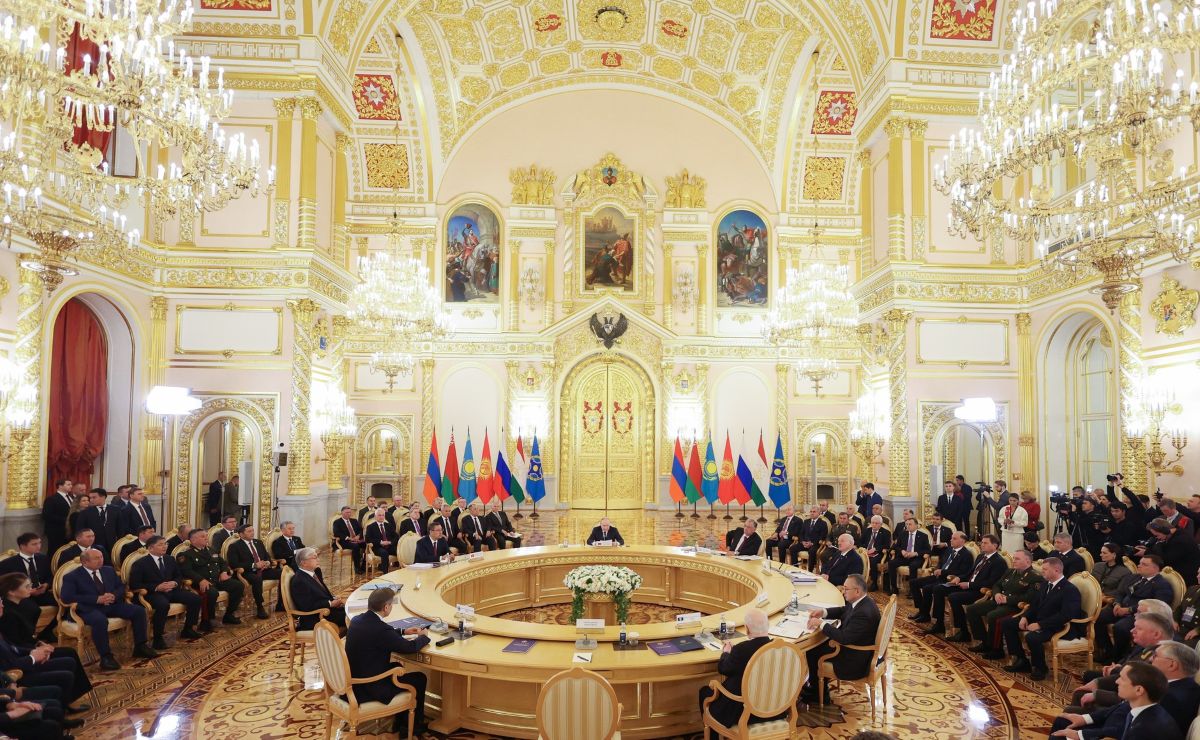
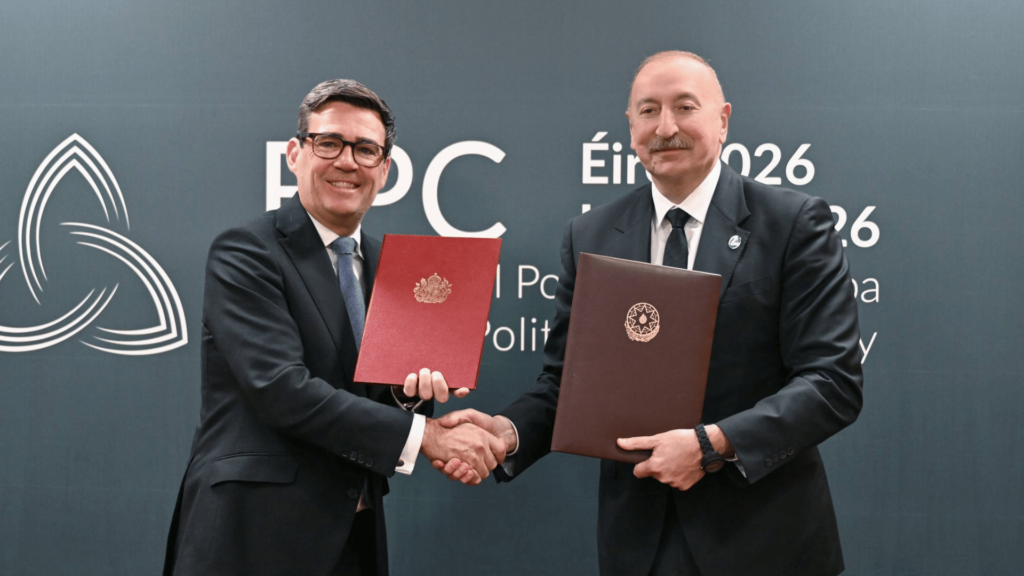
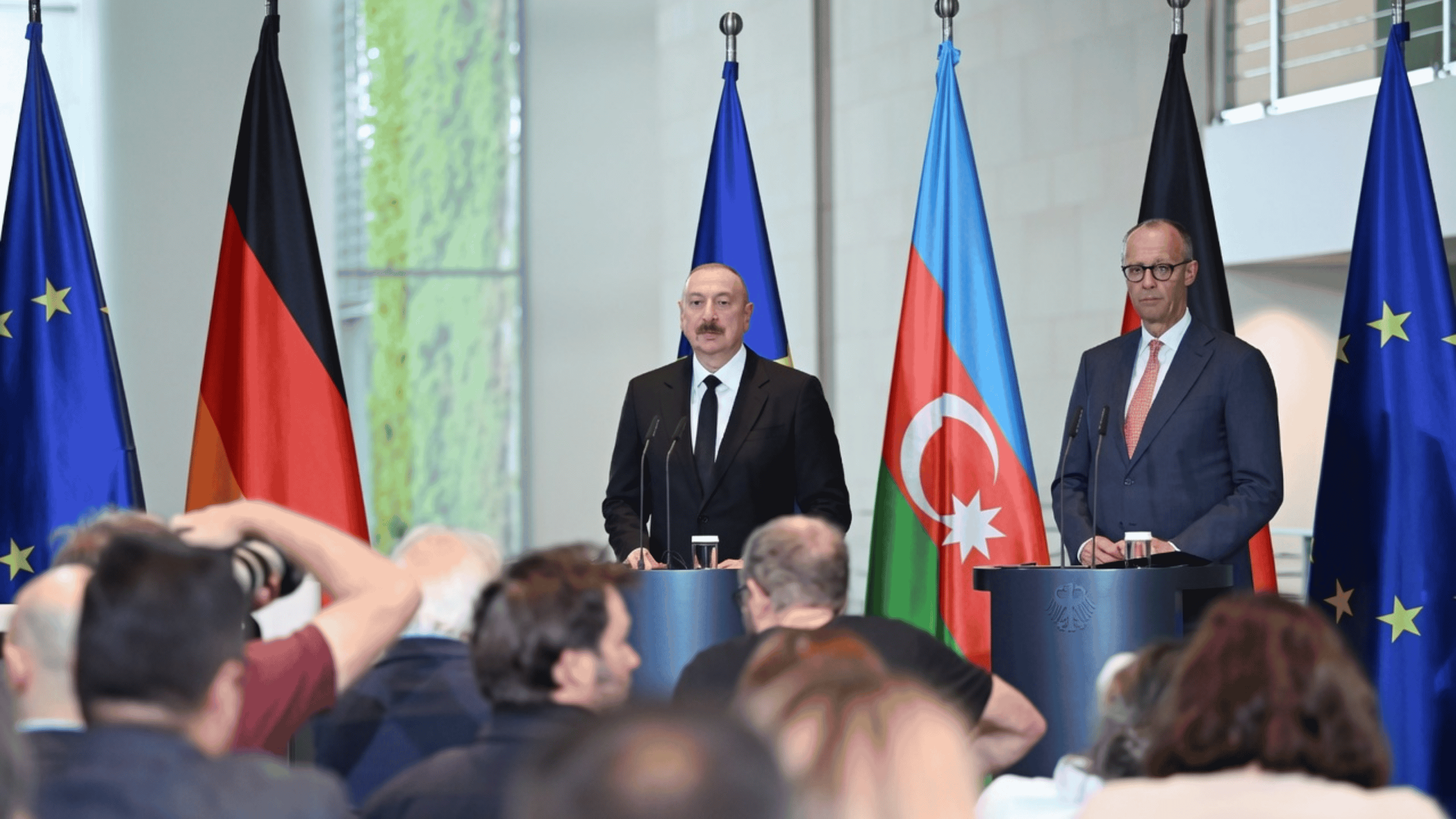
Azerbaijani President Ilham Aliyev and UK Prime Minister Andy Burnham signed a joint declaration on strategic partnership on 12 November at the European Political Community summit in Dublin. The British government published the text of the document on the same day.
The declaration covers three main areas: defence and security; trade, investment and economic growth; and education and innovation. The two countries agreed to hold annual strategic partnership meetings to assess progress in these areas.
The document builds on a 1994 friendship and cooperation agreement and a 1998 declaration on friendly relations and partnership between the two countries.
Six months earlier, the UK signed a similar declaration with Armenia. A comparison of the two documents raises the question:
What does the UK prioritise in its strategic partnership with Azerbaijan, and which issues does it leave unaddressed?
What does the document entail?
Defence and security. The two countries intend to expand defence cooperation in training, capacity building and interoperability, as well as explore opportunities for cooperation in the defence industry. The document also provides for cooperation between law enforcement agencies, collaboration on border control and judicial and legal cooperation aimed at strengthening the rule of law and institutional resilience.
Trade and energy. The UK will support the development of the Middle Corridor, a transport route linking China to Europe via Central Asia, the Caspian Sea and the Caucasus. The two countries also intend to cooperate on renewable energy, green finance and low-carbon technologies. The main platform for cooperation in these areas will be the bilateral Intergovernmental Commission on Trade and Economic Cooperation.
Education and innovation. The document provides for cooperation in higher and vocational education, digital skills development, civil servant training, artificial intelligence and digital governance.
In the declaration, the UK welcomes steps towards normalising relations between Azerbaijan and Armenia and expresses support for efforts to achieve a “lasting peace”.
However, the implementation of all commitments is subject to the availability of resources and the domestic laws of each country.
How does the declaration signed with Armenia differ?
The declaration, signed on 5 May by then UK Prime Minister Keir Starmer and Armenian Prime Minister Nikol Pashinyan, also identifies three main areas of cooperation. The first two are similar to those outlined in the declaration with Azerbaijan: defence and security, and economic growth and development.
However, the third area differs. In the declaration with Armenia, it is titled “Governance and Democratic Resilience”, while the document with Azerbaijan focuses on “Education and Innovation”.
In the declaration with Armenia, the two countries commit to protecting democracy, human rights and the rule of law. The document also provides for creating an enabling environment for independent media and civil society.
By contrast, the declaration with Azerbaijan makes no mention of democracy, human rights or the media. The term “civil society” appears only once, in the context of strengthening people-to-people ties between the two countries.
Furthermore, the declaration with Armenia provides for the development of a joint “Results Framework” to monitor the implementation of the agreements. No equivalent mechanism is included in the declaration with Azerbaijan, with the two countries agreeing only to hold annual meetings.
The declaration with Armenia also explicitly states that it does not constitute an international treaty and that either party may terminate cooperation by giving six months’ written notice.
What is the wider context behind these differences?
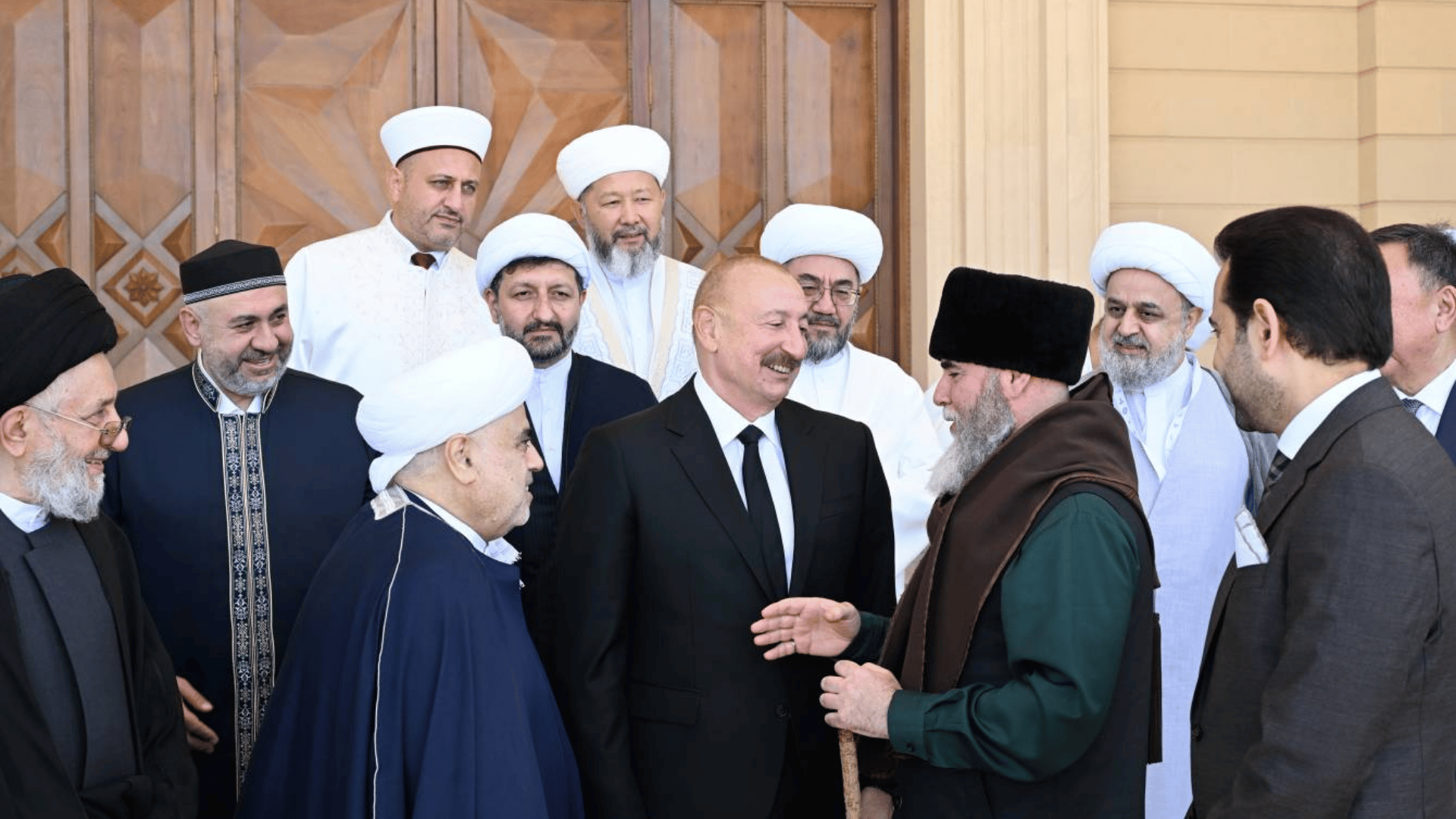
The declaration was signed amid continuing international criticism over the arrests of journalists in Azerbaijan. According to Amnesty International, 12 people detained in connection with the Meydan TV case are being persecuted for their journalistic work. The human rights organisation has also reported serious health problems among some of those detained.
In February this year, the detained journalists appealed to diplomatic missions in Baku, including the British embassy, asking them to monitor the court proceedings.
In response to calls for the journalists’ release, Azerbaijani officials have said that the legal proceedings are ongoing and that a fair decision will be reached.
The British government’s statement announcing the signing of the declaration makes no mention of the issue.
What do the two countries expect from each other?
The UK has long been one of the largest foreign investors in Azerbaijan, largely through BP, which operates the Azeri-Chirag-Gunashli and Shah Deniz oil and gas fields. According to Azerbaijani officials, British investment in the country’s economy has exceeded $39bn.
However, the two countries’ figures for bilateral trade differ. According to Azerbaijan’s State Customs Committee, trade turnover between the two countries reached $3.72bn in the first nine months of this year.
According to official UK government statistics, trade in goods and services totalled £1.2bn in the 12 months to June, making Azerbaijan the UK’s 89th-largest trading partner.
British exports to Azerbaijan amounted to £724m, down 2.9% from the previous year. Imports from Azerbaijan, meanwhile, increased more than 2.6-fold to £453m.
Preparations for the declaration began well before its signing. In August 2025, UK Minister for Europe Stephen Doughty announced during a visit to Baku that the two countries had agreed to upgrade bilateral relations to a strategic partnership.
In December, UK Minister of State for Defence Lord Coaker visited Baku. In October this year, UK Trade Minister Lord Anas Sarwar announced at a meeting of the Intergovernmental Commission in Baku that the text of the declaration had been agreed.
The two countries also signed a roadmap for developing transport and digital infrastructure. Sarwar outlined the areas the partnership would cover:
“Of course, it will include energy and port infrastructure, investment, education and other areas.”
The UK government’s statement on Doughty’s 2025 visit also mentioned the peace process, the Russia-Ukraine war, the Middle Corridor, energy, defence, cybersecurity and education.
Human rights and media freedom were not mentioned on that occasion either.
What meetings took place in Dublin?
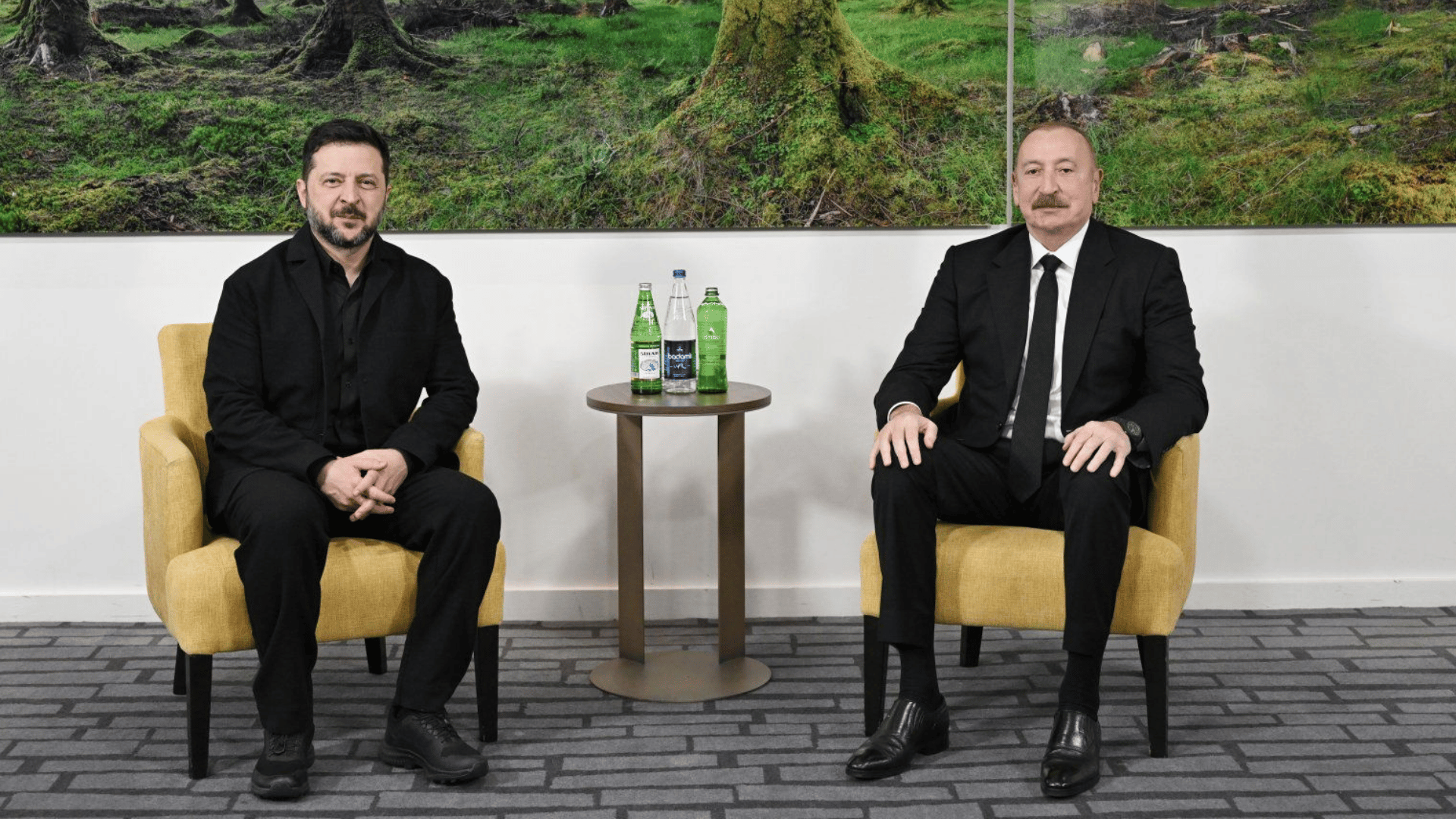
The signing of the declaration was one of several events on Azerbaijani President Ilham Aliyev’s busy schedule in Dublin. On the same day, he met Ukrainian President Volodymyr Zelensky, Armenian Prime Minister Nikol Pashinyan and the prime ministers of Bulgaria, Greece and the Czech Republic. His meeting with the Bulgarian prime minister focused on a proposed electricity corridor between the two countries.
According to the Azerbaijani side, Aliyev and Pashinyan discussed the peace agenda under the joint declaration signed in Washington in August 2025, border delimitation, transport links and the Trump Route for International Peace and Prosperity (TRIPP).
The two leaders also welcomed the transit of goods through Azerbaijan to Armenia and in the opposite direction.
The UK signed strategic partnership declarations with Armenia and Azerbaijan six months apart. Both documents provide for support for the peace process in the South Caucasus. However, the third area of cooperation differs: the declaration with Armenia focuses on democracy, while the one with Azerbaijan emphasises education.
Azerbaijani human rights activists and opposition figures have yet to comment on the signing of the declaration.