

Government reshuffle in Georgia: interior minister moves to State Security Service, former intelligence chief becomes state minister






Reshuffle in Georgian government
Prime Minister Irakli Kobakhidze has announced a series of reshuffles, affecting key posts in the security and government system.
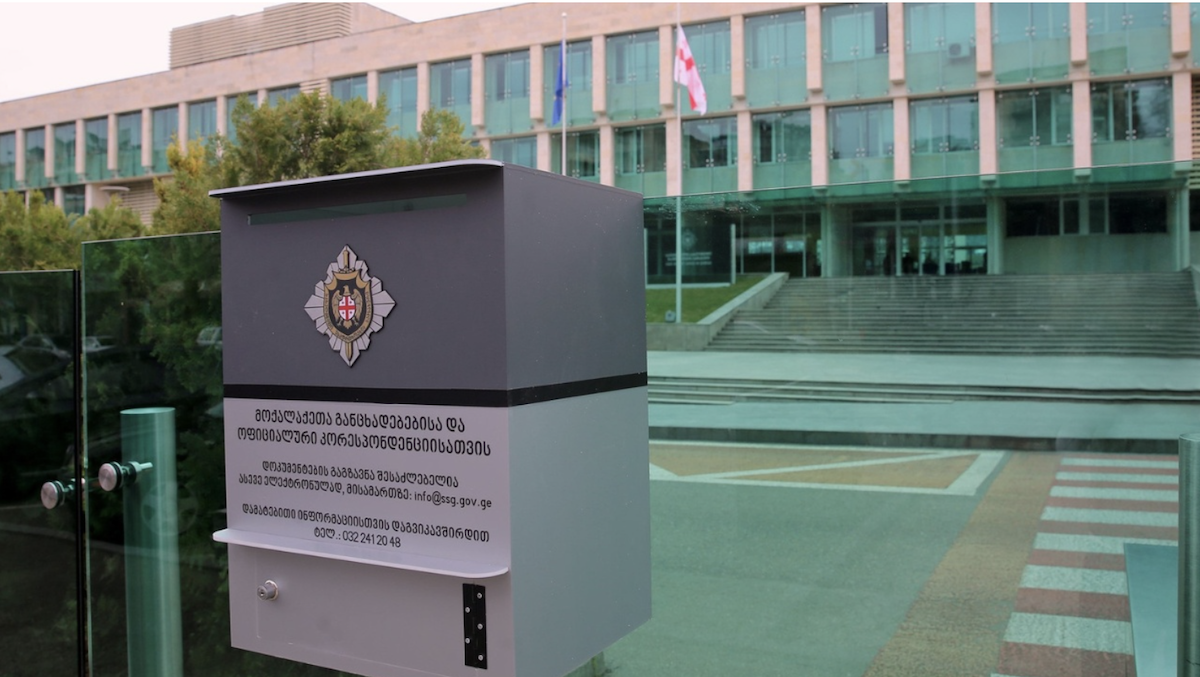
▪️ Interior Minister Geka Geladze will become head of the State Security Service.
▪️ He will be replaced by Sulkhаn Tamazashvili, the former head of the Adjara regional government, who is under sanctions from the United Kingdom, Lithuania and Estonia.
▪️ A new position is being created — State Minister for the Coordination of Law Enforcement Agencies. It will be taken by former SSSG head Mamuka Mdinaradze, who will also become deputy prime minister.
▪️ Foreign Minister Maka Bochorishvili has also been granted the status of deputy prime minister.

What Irakli Kobakhidze said:
● During his tenure at the Interior Ministry, Geka Geladze led systemic reforms and efforts to combat organised crime and drug-related offences.
● Sulkhаn Tamazashvili, while serving as head of the government of Adjara, implemented projects in governance and infrastructure and also has experience within the Interior Ministry system.
According to Irakli Kobakhidze, a new candidate for the post of head of the Adjara government will be named in the coming days following consultations with the president of Georgia and the Supreme Council of the autonomous republic.
● The decision to appoint Mamuka Mdinaradze to the new role of State Minister for the Coordination of Law Enforcement Agencies was explained by the need for him “to return to political activity after leading the State Security Service.”
Kobakhidze said that the relevant legislative amendment to establish the new structure would be submitted to parliament under an expedited procedure and is expected to be adopted at the next session.
● Irakli Kobakhidze also announced that the ruling Georgian Dream party is marking the 14th anniversary of its founding. He stressed that its founder, billionaire Bidzina Ivanishvili, played a key role in shaping the modern Georgian state and advancing political processes.
He added that over these years democratic reforms have been implemented and state institutions strengthened, with the country moving from “confrontation to stability” and from “uncertainty to trust,” while safeguarding its sovereignty.