Iran offers education to Azerbaijani girls in hijabs, Baku calls it interference


Iran offers education to Azerbaijani girls
Azerbaijan and Iran have exchanged fresh accusations amid public discontent in parts of Azerbaijani society over new secular school uniform rules that have effectively banned the wearing of hijabs in schools.
Iran has offered to enrol Azerbaijani girls wearing hijabs in Iranian schools and universities. In response, Azerbaijan’s Ministry of Science and Education said the remarks were inappropriate and amounted to an attempt to interfere in the country’s education policy.
The ministry also pointed out that there were no schools or universities in Iran offering education in Azerbaijani, despite the fact that, according to the ministry, around 40 million ethnic Azerbaijanis live in Iran.
“For decades, they have been deprived of the opportunity to receive education in their native language,” Azerbaijan’s Education Ministry said.
Invitation to study extended to schoolchildren
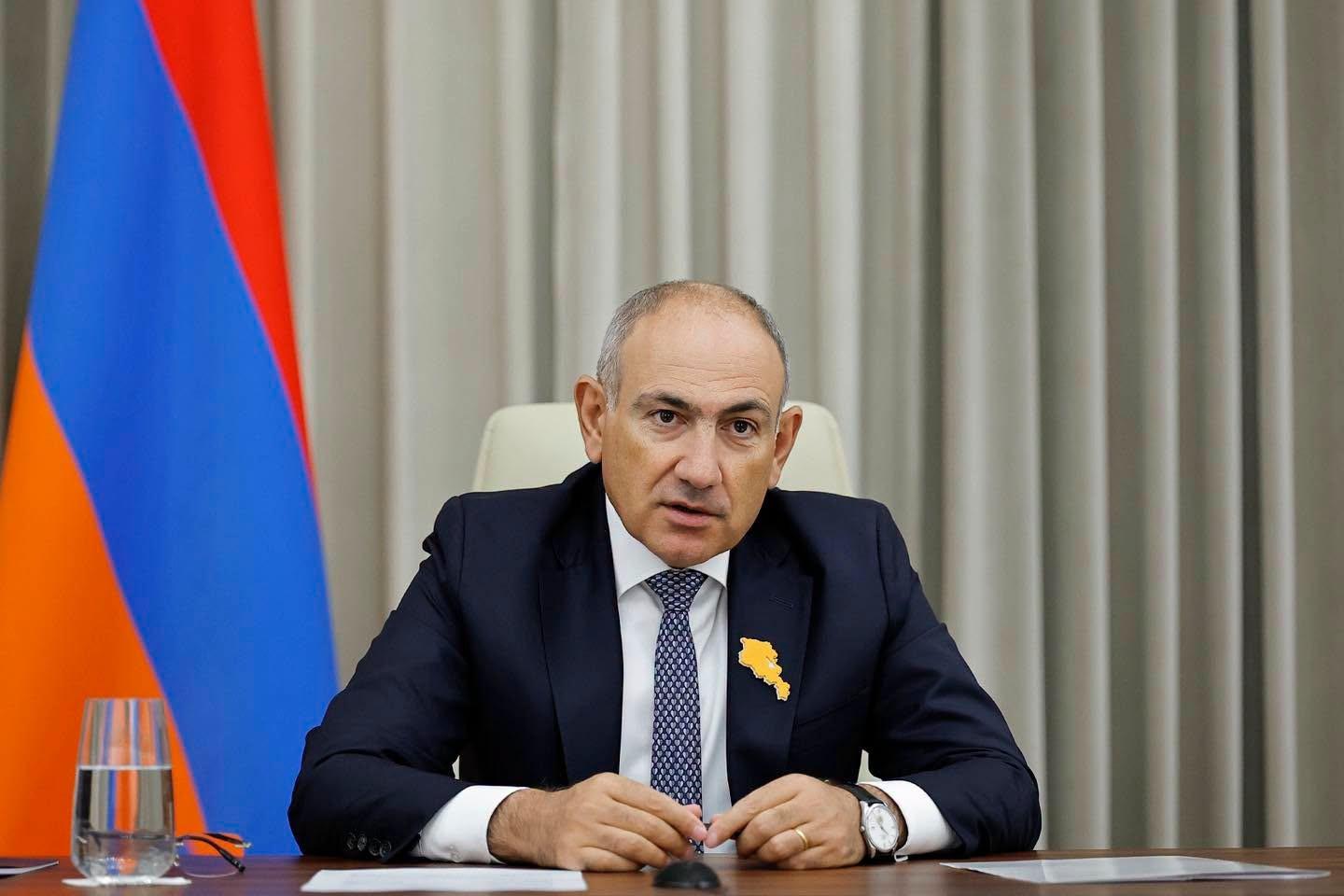
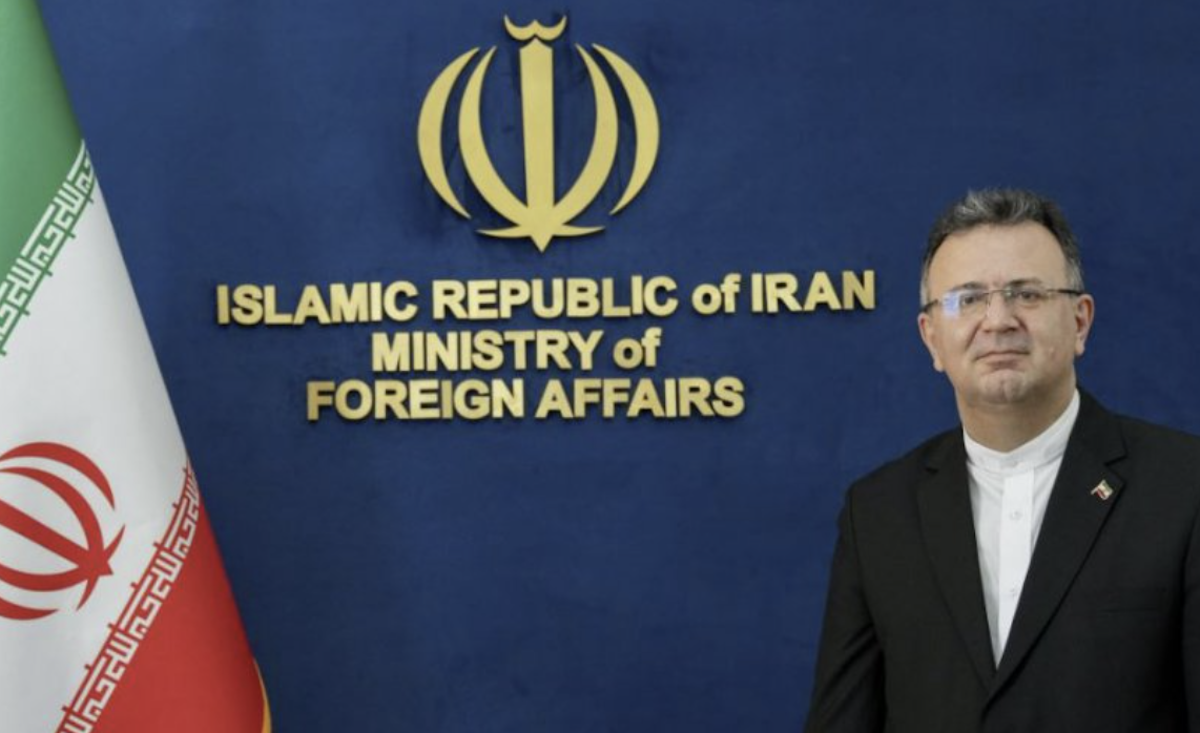
On 22 October, Iran’s Minister of Science, Research and Technology, Hossein Simaei-Sarraf, published a video address inviting Azerbaijani girls to study at Iranian universities. He addressed his appeal to girls who, he said, were being forced to give up wearing hijabs in order to receive an education in Azerbaijan.
On 25 October, Iran’s First Vice-President Mohammad Reza Aref joined the initiative. He called on the ministers of health and education, as well as the head of Islamic Azad University, to make arrangements for admitting schoolchildren and university students from Azerbaijan. The offer, initially limited to higher education, was thus extended to schoolchildren.
However, the specific admission conditions remain unclear. It is not known which educational institutions would accept the students, what language classes would be taught in, who would cover the costs or how accommodation for underage students and their parents would be arranged.
Baku reminds Tehran of Azerbaijani-language education issue
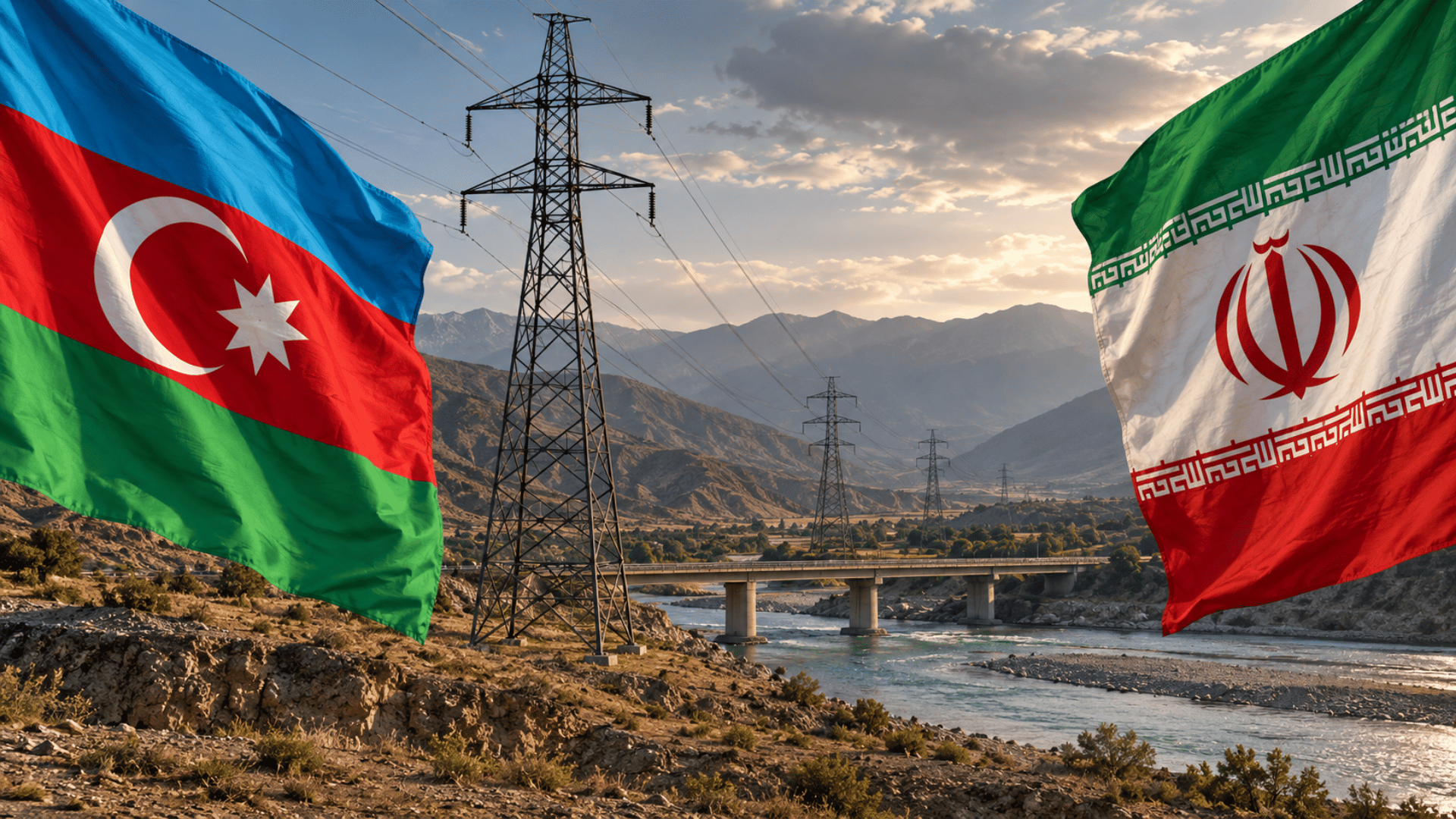
On 26 October, Azerbaijan’s Ministry of Science and Education responded to the Iranian minister’s statement. The ministry described interference in Azerbaijan’s education policy as unacceptable and urged Iranian officials to “deal with their own country’s problems”.
Baku’s main criticism concerns the lack of opportunities to receive education in Azerbaijani in Iran. According to the ministry, there are no schools teaching in Azerbaijani in the country, nor is the language used as a medium of instruction at universities. Baku maintains that ethnic Azerbaijanis living in Iran have been deprived of the opportunity to receive education in their native language for decades.
In response to the neighbouring country’s statements about protecting Azerbaijani girls’ right to education, Baku has raised the issue of the language rights of ethnic Azerbaijanis living in Iran.
A separate practical question concerns the language in which the invited schoolchildren would be taught. While studying abroad in a foreign language is possible, it may require language training and support with adaptation. The Iranian proposal does not specify how the necessary arrangements would be made.
How did dispute over wearing hijabs in Azerbaijan begin?
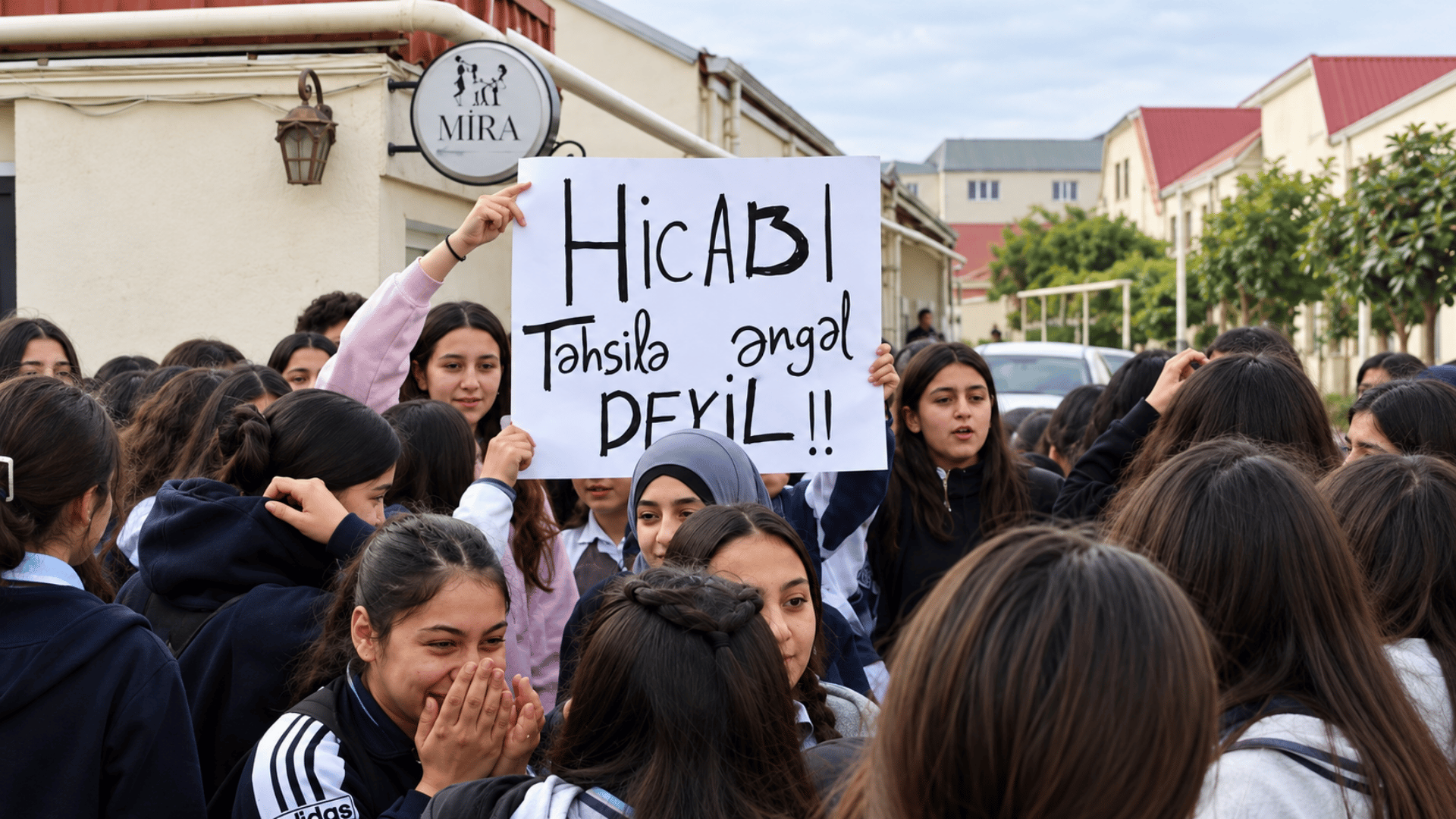
A new wave of controversy began after Azerbaijan’s Cabinet of Ministers amended school uniform regulations on 21 September. Under the decree, the use of “additional items of clothing that undermine the uniformity of school uniforms and contradict the principle of secular education” is prohibited. Although the hijab is not explicitly mentioned in the document, complaints subsequently emerged that schoolgirls wearing headscarves were being barred from attending classes.
Protests took place at several schools in Baku and other parts of Azerbaijan, involving students and parents. Some students refused to attend classes in solidarity with their classmates who wear hijabs.
Police intervened during the protests. On 12 October, the Interior Ministry reported that 37 people had been detained in connection with incidents following the introduction of the new school uniform rules. According to the ministry, those detained were suspected of disturbing public order. A criminal case was also reportedly opened.
Reports later emerged that another 200 people had been detained after taking part in a protest near the 28 May metro station in Baku. Criminal cases were also reportedly opened against some of them.
Education dispute turns into political row
Iranian officials have presented their initiative as an attempt to help girls wearing hijabs continue their education. However, the link between the offer and restrictions in Azerbaijan gives it a political dimension. Tehran is openly criticising Baku’s education policy and appealing to families dissatisfied with the restrictions.
Azerbaijan’s response also focuses primarily on the political aspect of the issue rather than the conditions for admitting students. Instead of discussing arrangements for their enrolment in Iranian educational institutions, the ministry has accused Tehran of interfering in the country’s internal affairs and highlighted the lack of opportunities for ethnic Azerbaijanis living in Iran to receive education in their native language.
However, the mutual accusations do not resolve either problem. Limited opportunities to receive education in Azerbaijani in Iran do not address complaints about schoolgirls wearing hijabs being barred from attending classes in Azerbaijan. In turn, Iran’s offer does not resolve the issue preventing these girls from continuing their education at their own schools.