

Azerbaijan's deputy prime minister visits Iran: what interests are bringing Baku and Tehran closer?






Azerbaijan’s deputy prime minister visits Iran
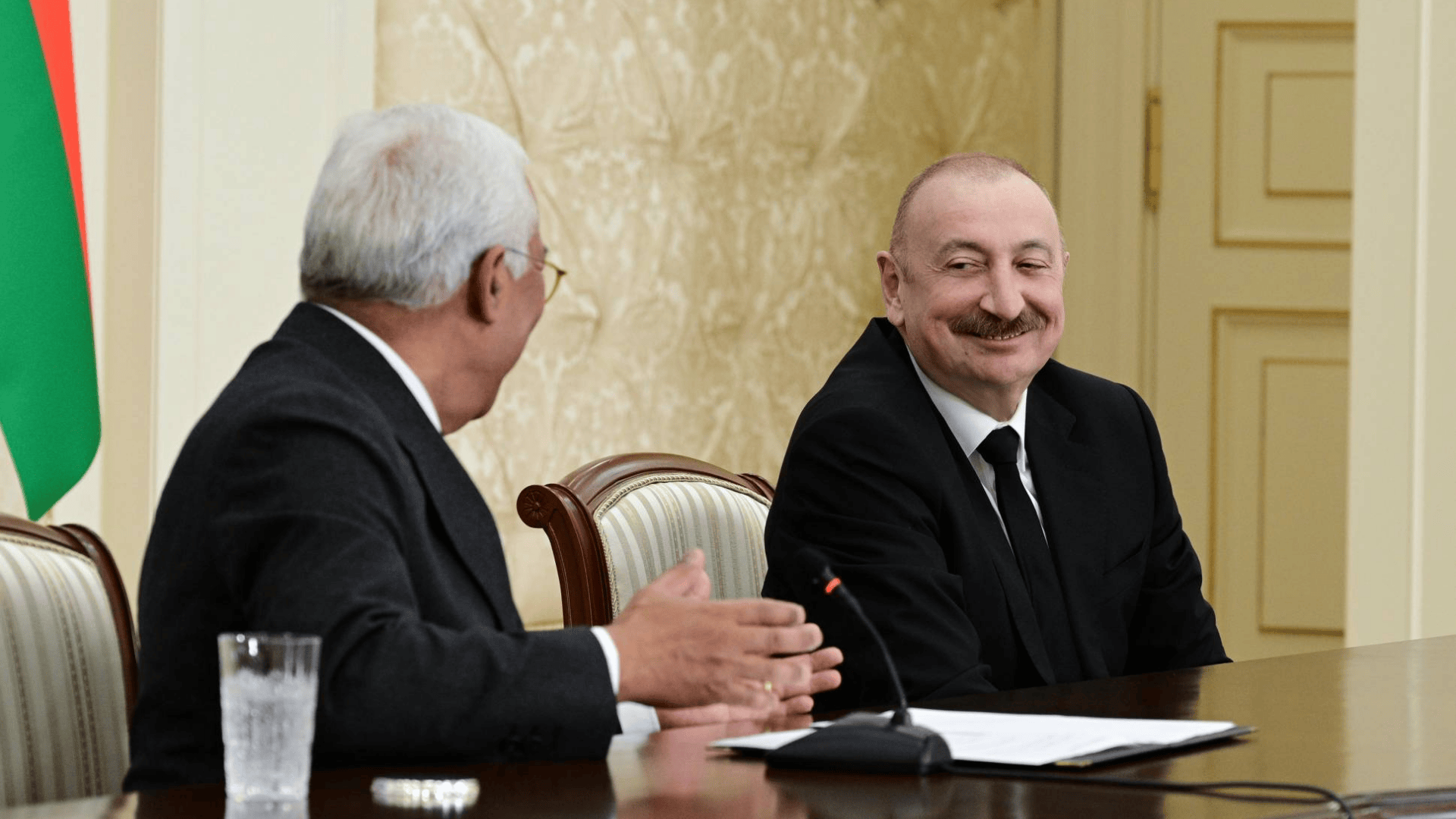
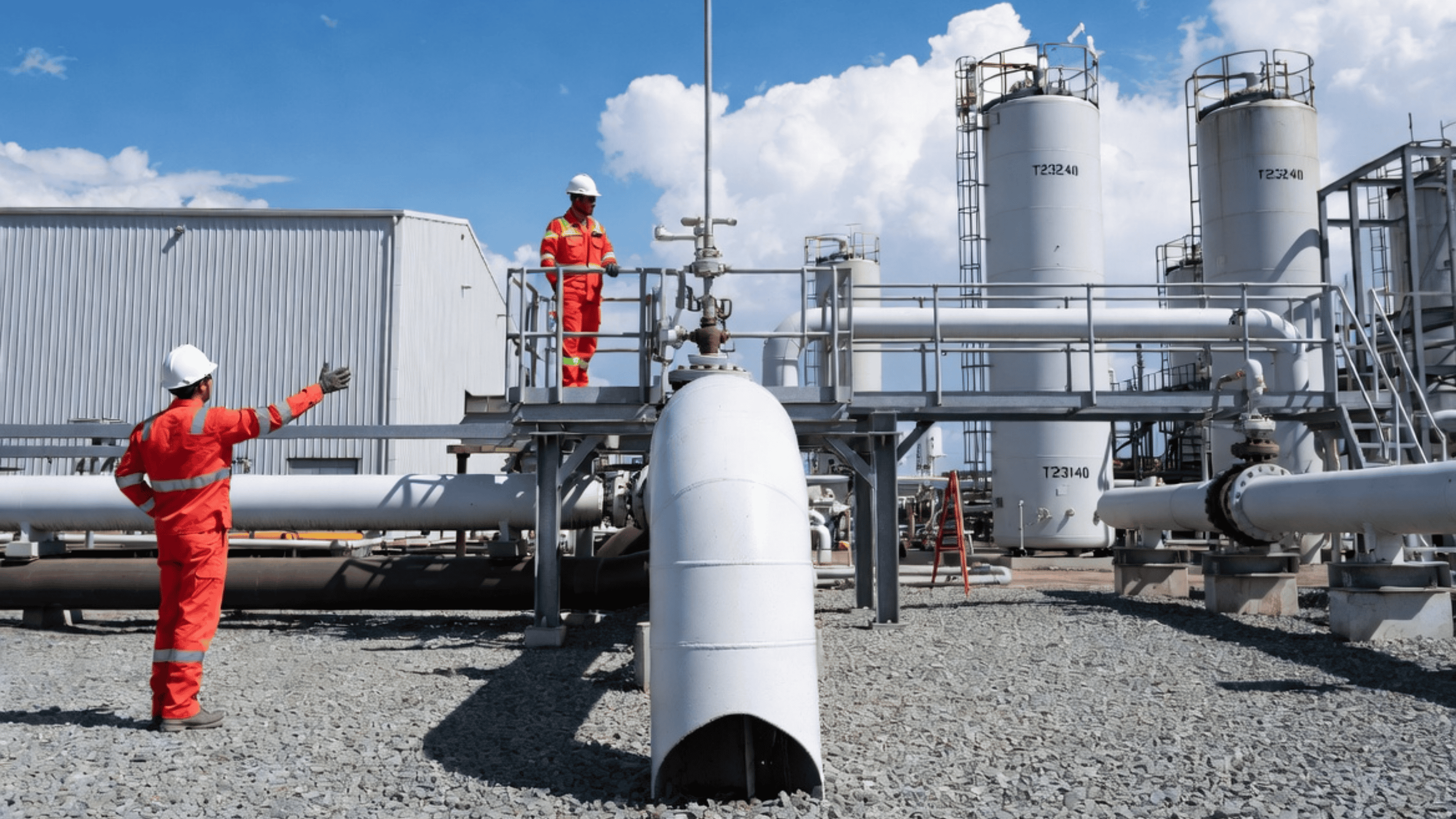
At meetings in Tehran attended by Azerbaijani Deputy Prime Minister Shahin Mustafayev, the sides discussed electricity supplies, the development of border infrastructure and transport routes. Iran plans to increase its electricity purchases from Azerbaijan this coming winter. For Baku, meanwhile, the priorities include developing joint energy projects and expanding transit capacity.
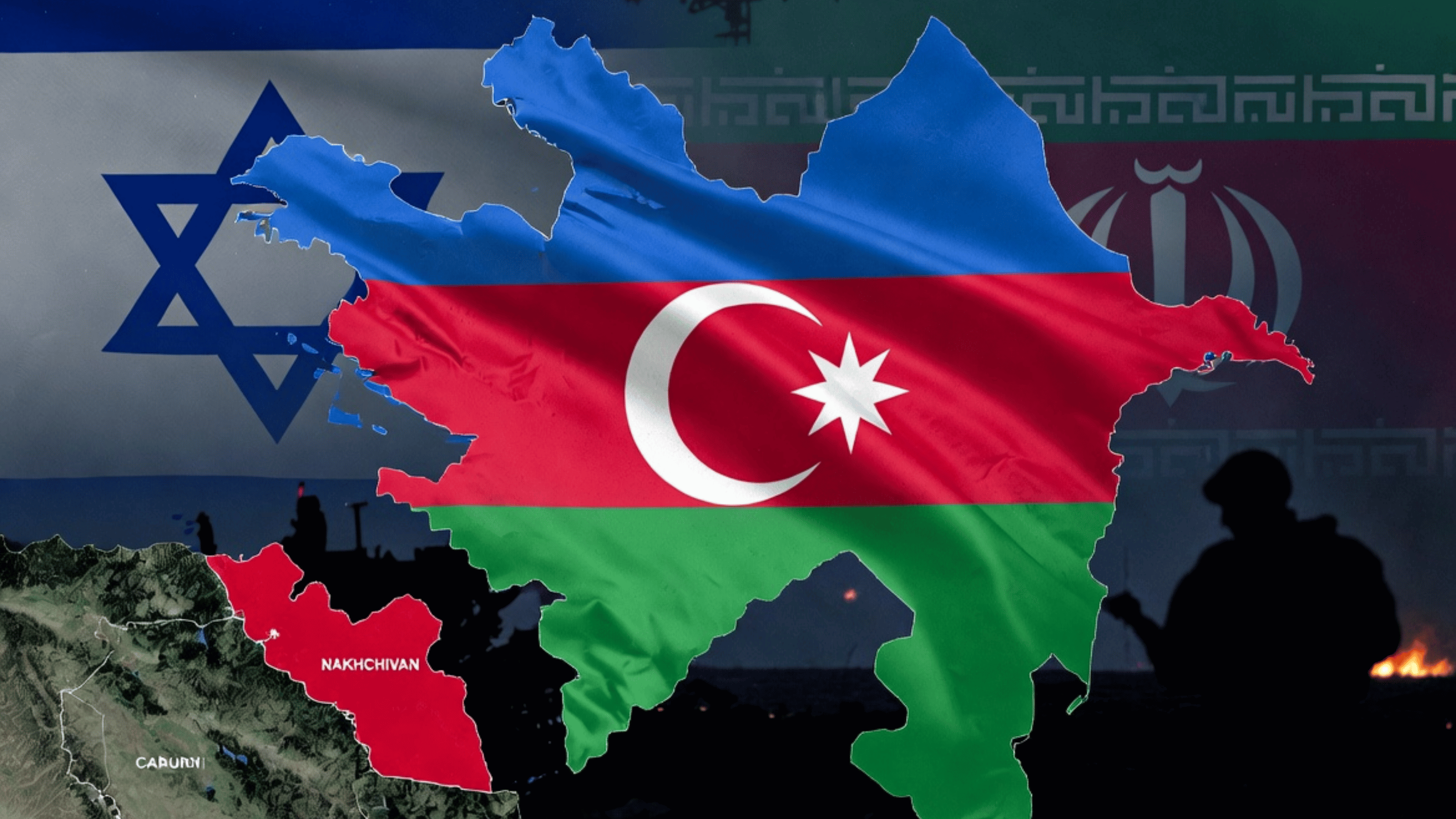
However, these talks do not provide grounds to speak of restored political trust. Economic cooperation continues amid tensions stemming from the armed attack on the Azerbaijani embassy in Tehran and a drone incident in Nakhchivan in March this year.
What was discussed in Tehran?
On 29 September, Mustafayev met Iranian President Masoud Pezeshkian. According to the Iranian side, Pezeshkian emphasised the importance of expanding road, air and rail links, as well as implementing agreements reached during talks with ministers.
A statement from the Azerbaijani Cabinet of Ministers also reported meetings with parliament speaker Mohammad Bagher Ghalibaf, Secretary of the Supreme National Security Council Mohsen Rezaei, Oil Minister Mohsen Paknejad and Energy Minister Abbas Aliabadi. However, the statement provided no details on the financial terms of the energy projects or specific deadlines for their implementation.
Transport issues featured more prominently during the visit. At a meeting with Iran’s Minister of Roads and Urban Development Farzaneh Sadegh, the sides discussed the capacity of the North-South Corridor, the expansion of the Astara border freight terminal and the Aghband-Kalaleh bridge. According to official information, construction of the bridge has been completed. However, the sides are still discussing the launch of the border-crossing infrastructure. Completing the bridge does not by itself mean that the entire border complex is already operational.
The sides also reviewed progress on agreements reached at the 17th meeting of the joint commission, which took place in Baku in February. This indicates that the September talks also aimed to speed up implementation of previously agreed commitments.
What is known about electricity imports?
According to Trend, citing Iran’s Energy Ministry, TAVANIR electricity company chief Mohammad Allahdad expressed hope on 28 September that Iran could increase electricity imports during the coming colder months. He made the comments at a meeting with Azerbaijani Deputy Energy Minister Elnur Soltanov.
The talks covered direct electricity supplies, the development of joint hydropower plants, and gas and electricity swaps — mechanisms for exchanging the two forms of energy. Allahdad said specialists from the two countries needed to examine the points where their power grids connect and assess their technical capacity before determining possible supply volumes.
The plans announced after the talks do not mean that the sides have already signed an agreement on additional electricity supplies. The published information does not specify supply volumes, prices or start dates. Iran’s intention to increase imports should therefore not be confused with an actual increase in supplies.
According to the Tehran bureau of APA, Soltanov also raised the implementation of the Khudaferin and Ordubad hydropower projects, as well as the participation of private Iranian investors in solar energy projects in Nakhchivan. These initiatives also remain under discussion.
For Azerbaijan, increased electricity exports could provide an additional source of revenue. However, without information on volumes, prices and technical conditions, it is impossible to assess the economic benefits of this cooperation.
The security dimension of the economic talks
The talks in Tehran also covered allegations that Azerbaijan’s territory had been used against Iran. According to Unikal, citing the Mehr news agency, Mustafayev rejected these allegations at a meeting with Mohsen Rezaei.
The fact that the sides raised this issue alongside economic matters shows that security concerns remain relevant.
Relations between the two countries deteriorated sharply after an armed attack on the Azerbaijani embassy in Tehran in January 2023 killed one person. Subsequent contacts helped ease tensions, but a drone incident in Nakhchivan in March 2026 triggered a new crisis.
Azerbaijani officials blamed Iran for the 5 March attack, which damaged an airport and other civilian facilities. Tehran denied any involvement. According to the Azerbaijani Foreign Ministry, Iranian Foreign Minister Abbas Araghchi said that authorities were investigating the circumstances of the incident. Baku demanded an apology, an explanation and measures to prevent similar incidents in the future.
The suspension of cargo traffic during the crisis showed that a deterioration in security can immediately affect economic ties.
Why does Baku want to avoid further tensions?
In an analysis published on 16 March, Carnegie Endowment researcher Zaur Shiriyev described Baku’s decision to demand an explanation after the drone incident rather than launch a retaliatory strike as an attempt to prevent further escalation.
In his view, Nakhchivan’s vulnerable position was one reason why tensions eased quickly. Transit through Iran plays an important role in the autonomous republic’s land and air connections. Shiriyev also noted that a war in Iran would create risks for Azerbaijan, including a possible influx of refugees and higher prices for imported goods.
This assessment concerns the March crisis. Nevertheless, it helps explain why Azerbaijan seeks to avoid a sharp deterioration in relations with Iran.
The September talks show that Tehran wants to increase electricity imports, while both sides seek to expand cooperation in the energy and transport sectors. These mutual interests provide a basis for continued engagement. However, it would be premature to view the visit as evidence that political mistrust has been overcome.
The outcome of this cooperation will depend on whether the sides can turn their stated intentions into actual supplies, ensure that border crossings operate fully and implement the projects they have outlined.
Azerbaijan’s deputy prime minister visits Iran