Moscow and Tbilisi prepare to resume dialogue


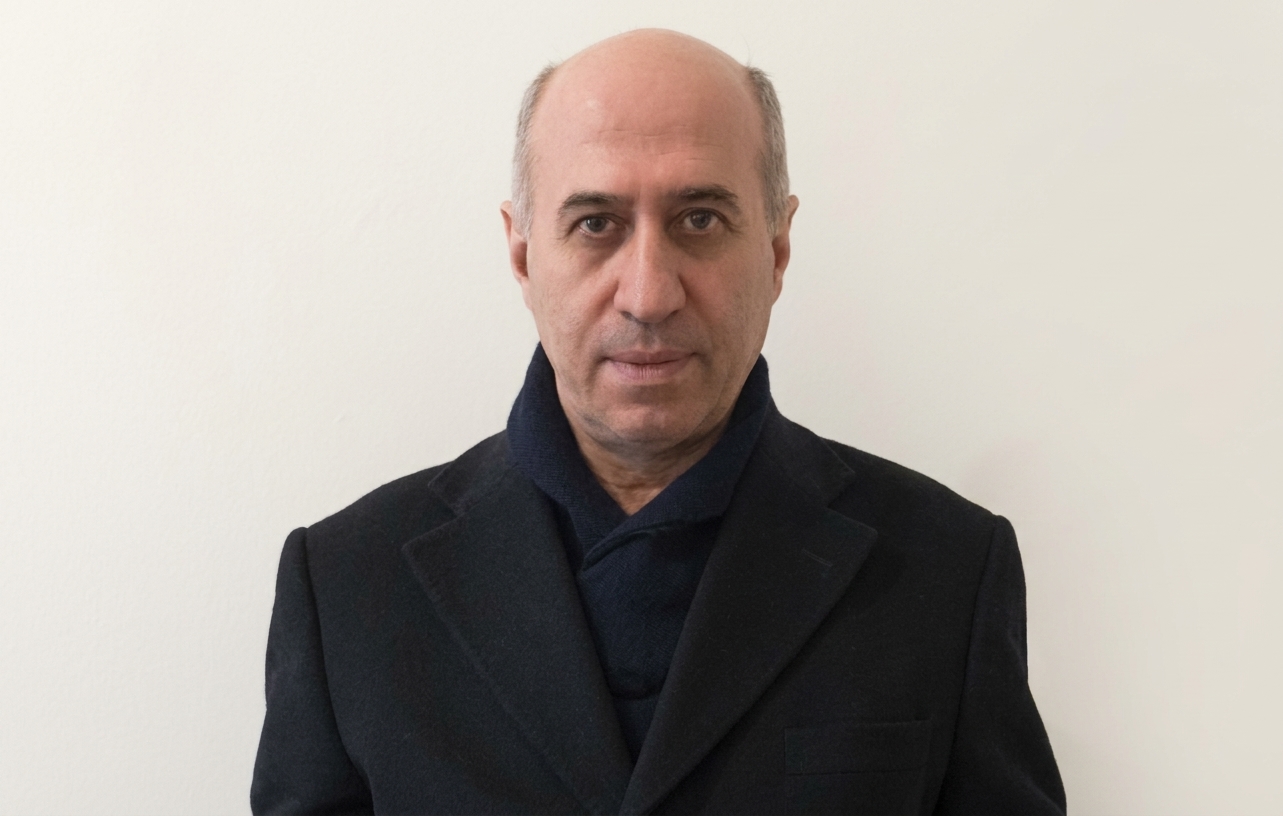
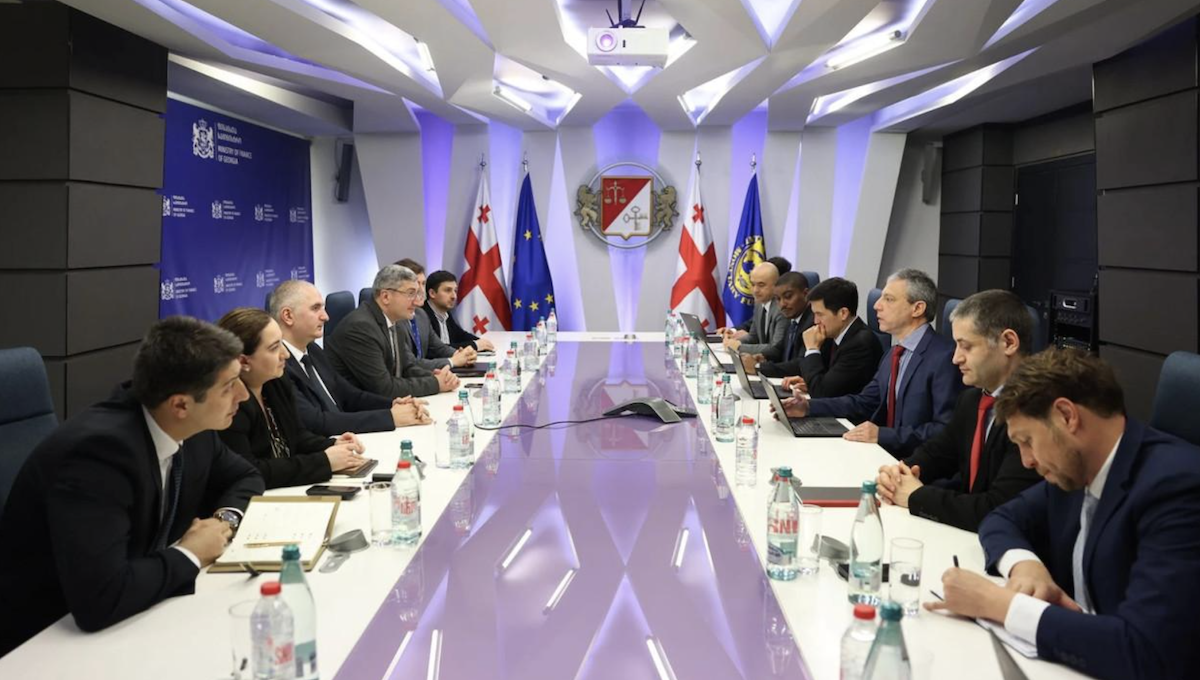
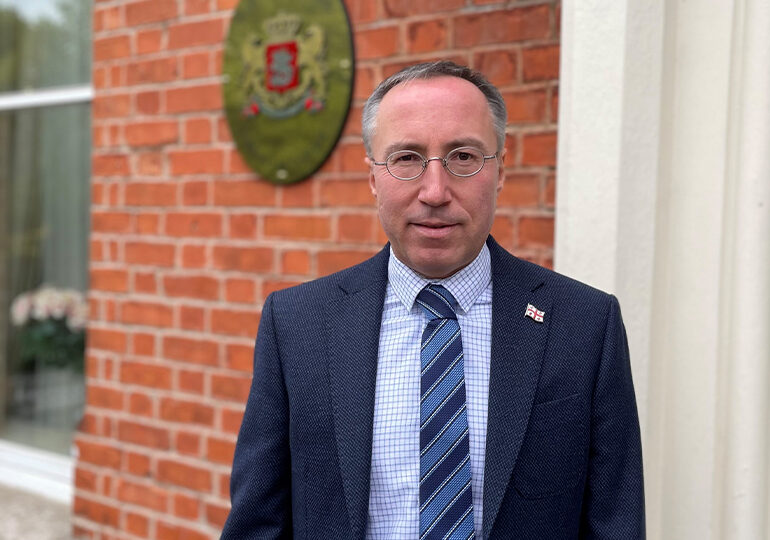
The Kremlin has established contact with Giorgi Zurabashvili, the Georgian prime minister’s new special representative for relations with Russia. His Russian counterpart will be Mikhail Galuzin, a deputy foreign minister responsible for Russia’s policy towards the South Caucasus. The Russian Foreign Ministry told the Izvestia newspaper.
“Russia has consistently advocated building pragmatic and mutually beneficial relations with Georgia,” the ministry said.
According to Moscow, the main topics for talks between the two sides will include increasing trade and tourism, expanding transport links and promoting cultural exchanges between the two countries.
The Russian Foreign Ministry has also given the new format broader political significance, saying it is effectively linked to the resumption of Russian-Georgian dialogue, which began in 2012 and continued for almost a decade.
Giorgi Zurabashvili, Georgia’s first deputy foreign minister, was appointed the prime minister’s special representative for relations with Russia in late October 2026. He has retained his post at the ministry. However, Prime Minister Irakli Kobakhidze has clarified that Zurabashvili will represent Georgia in relations with Russia specifically in his capacity as a special representative.
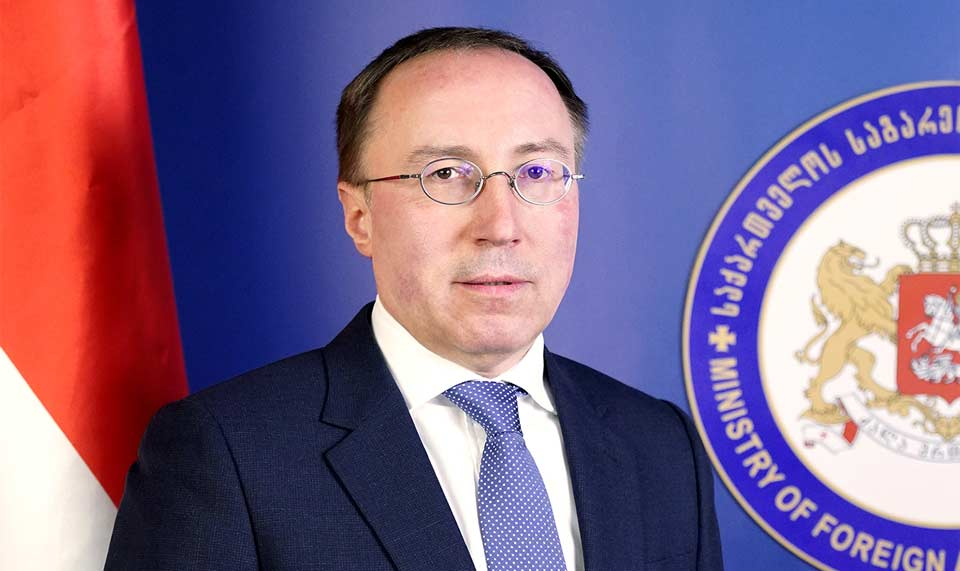
Tbilisi has therefore given its informal dialogue with Moscow a higher political status and a clear mandate.
At the same time, Irakli Kobakhidze says Georgia’s position on restoring diplomatic relations with Russia remains unchanged. The government has no plans to reconsider its decision on this matter.
Reaction in Georgia
Georgian opposition politician Zurab Japaridze criticised the decision, saying the authorities were moving step by step towards restoring relations with Russia. He said the ultimate goal could be the reopening of a Russian embassy in Tbilisi.
He also criticised bilateral talks with Russia without the participation of international partners. In his view, Georgia should not be left alone at the negotiating table with Moscow.
Speaking to journalists, Irakli Kobakhidze said that Russia’s occupation of Georgian territories and its recognition of Abkhazia and the Tskhinvali region (South Ossetia) as independent states remained the main obstacles to restoring diplomatic relations.
However, he said that despite Georgia’s firm and unchanged position on restoring diplomatic ties, the dialogue between the special representatives would continue actively. The two sides would discuss all issues covered by the format.
The date and venue of the first meeting between Galuzin and Zurabashvili remain unknown. Kobakhidze said the meeting would probably take place soon, but not necessarily in Tbilisi or Moscow. It could be held in a third location.
How dialogue between Tbilisi and Moscow resumed after the 2008 war
Diplomatic relations between Georgia and Russia were severed after the August 2008 war. Immediately after the war ended, Moscow recognised the independence of Abkhazia and the Tskhinvali region. Tbilisi responded by cutting diplomatic ties, which have never been officially restored.
However, after a change of government in Georgia in 2012, Tbilisi made an attempt to normalise relations with Moscow. The new ruling Georgian Dream party said that a constant state of confrontation with Russia was not in the country’s interests and that cooperation on practical issues was possible without changing Georgia’s position on territorial integrity or its foreign policy course.
As part of this policy, in November 2012, then Georgian Prime Minister Bidzina Ivanishvili appointed Zurab Abashidze as his special representative for relations with Russia. His Russian counterpart was Grigory Karasin, a deputy foreign minister.
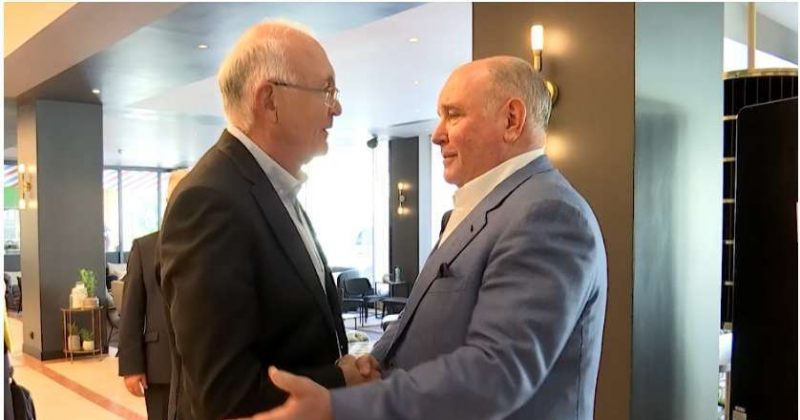
Their first meeting took place on 14 December 2012 in Switzerland. It was the first direct round of talks between Georgian and Russian representatives since 2008. The two sides agreed to continue the dialogue on a regular basis, focusing mainly on trade and economic relations, humanitarian issues and cultural exchanges.
The format later became known as the Karasin–Abashidze talks. Meetings were held mostly in Prague, and their agenda was deliberately limited. The sides could discuss trade, transport links, tourism and humanitarian issues, but not Georgia’s territorial integrity or security.
Talks on the latter issues continued within the framework of the Geneva International Discussions, established after the 2008 war with the mediation of the EU, the UN and the OSCE. Tbilisi stressed that the Karasin–Abashidze format should not replace or undermine the Geneva talks.
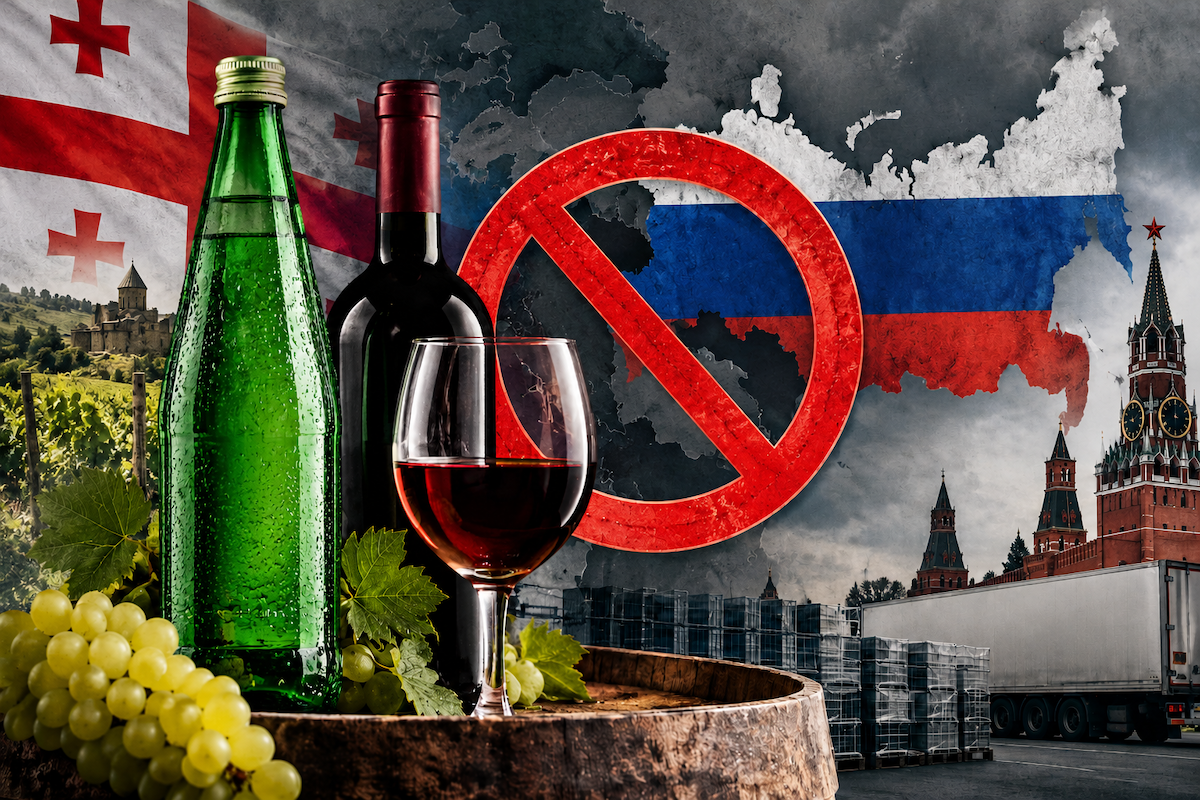
The launch of the dialogue also brought practical results. After Russia imposed an embargo in 2006, its market reopened to Georgian wine and mineral water in 2013. Some freight transport links resumed, trade between the two countries expanded, and exports of Georgian products to Russia increased. Regular flights and transport links later became part of the agenda as well.
However, improved economic relations did not break the political deadlock. Moscow continued to maintain military and political control over Abkhazia and the Tskhinvali region and did not reverse its decision to recognise them as independent states. Meanwhile, the Georgian authorities maintained that the country’s territorial integrity and its right to determine its own foreign policy were not up for negotiation.
In 2023, Russia lifted visa requirements for Georgian citizens and ended its ban on direct flights to Georgia. Tbilisi described these decisions as unilateral steps, but economic and transport links between the two countries expanded further.
Dialogue between Moscow and Tbilisi