

Why Azerbaijan sees Talysh activism as security threat






Persecution of Talysh activists in Azerbaijan
Talysh activists and researchers in Azerbaijan have over the years received lengthy prison sentences on charges of high treason, separatism and inciting ethnic hatred. Two of them, Novruzali Mammadov and Fakhraddin Abbasov, died while serving their sentences.
New cases have once again raised the question: where does the defence of national identity end and a threat to state security begin?
Jahid Kamal Isayev: jailed for 8.5 years
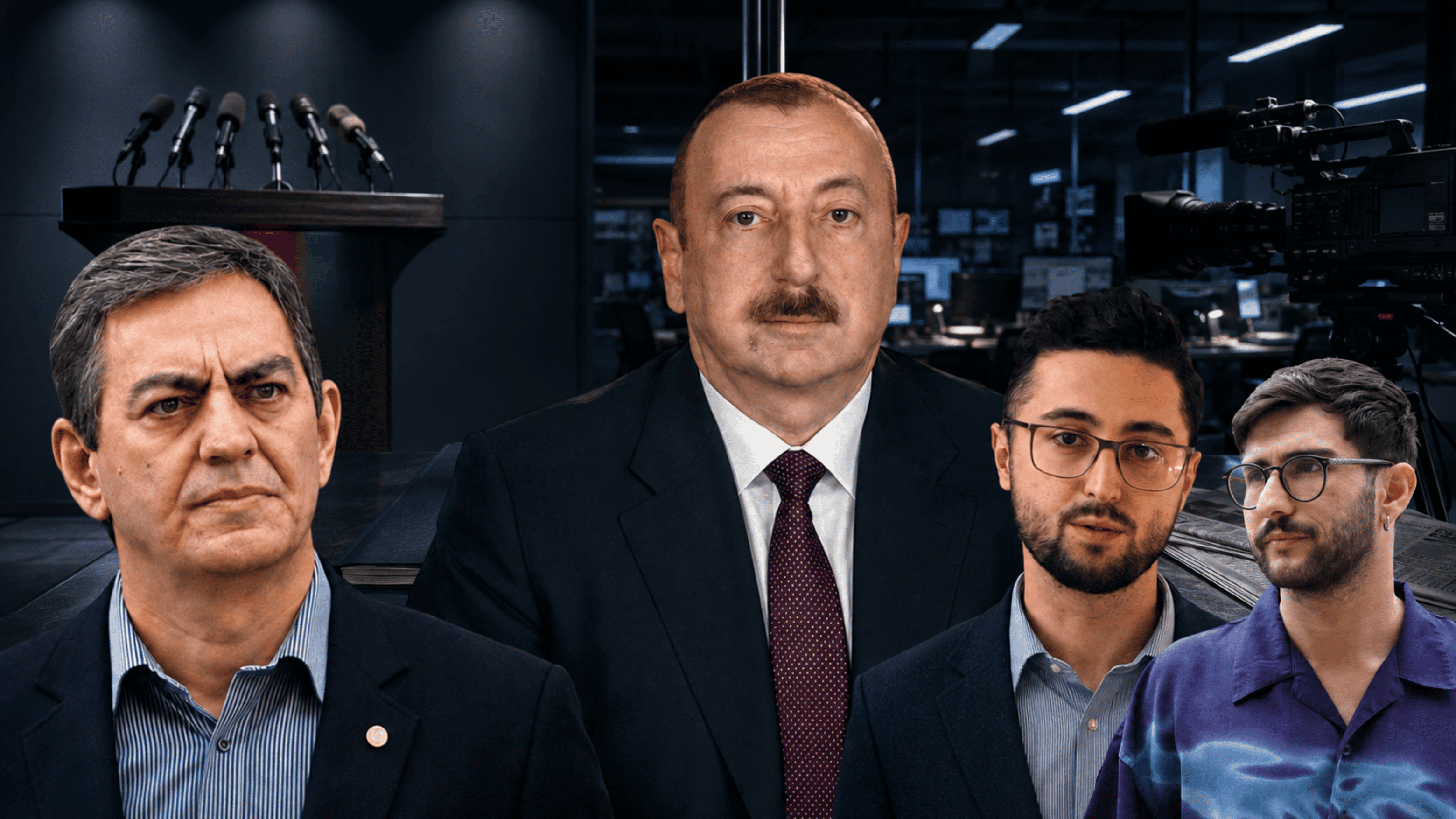
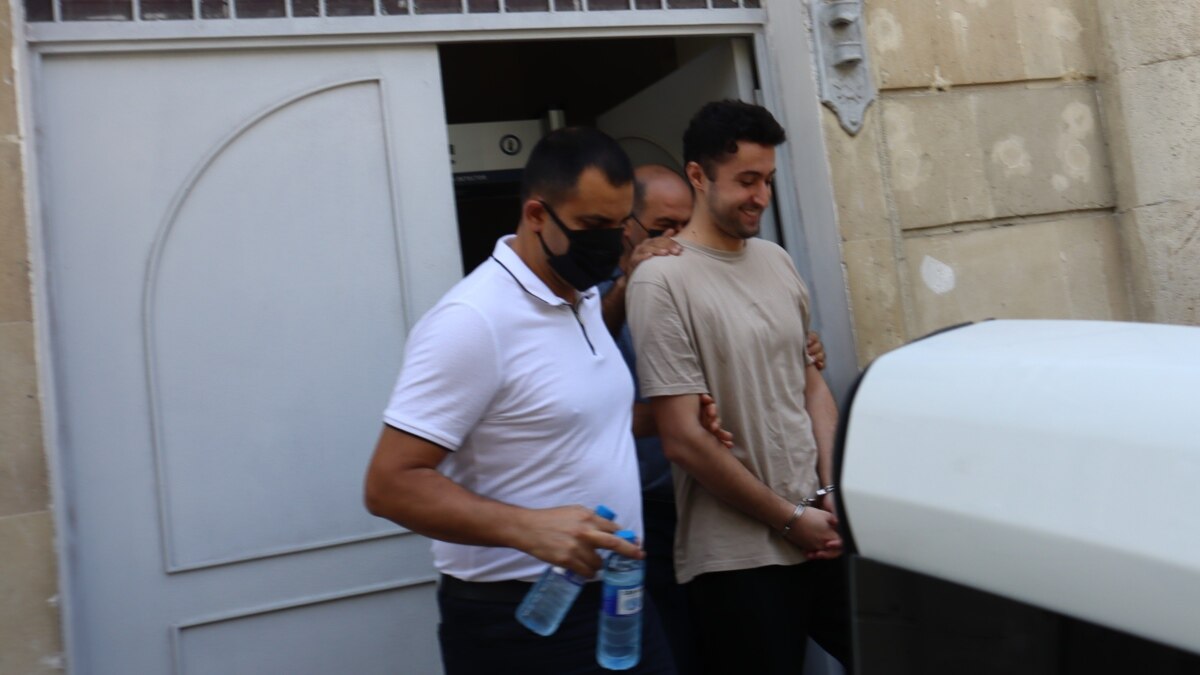
On 8 September, Baku Court on Grave Crimes sentenced Russian citizen Jahid Kamal Isayev, known on social media as Kamal Isayev, to eight years and six months in prison. He was found guilty of publicly calling for action against the state, disseminating attributes and symbols aimed at violating Azerbaijan’s territorial integrity, and inciting ethnic hatred involving violence or threats of violence.
Isayev was detained in November 2025 while travelling to Turkey and subsequently taken to Azerbaijan. The charges were based on his social media posts and statements. His defence argued that the videos contained no evidence of a criminal offence, that his remarks had been taken out of context, and that his activities were aimed at preserving the Talysh language and national cultural heritage.
In his final statement to the court, Isayev said he had never advocated the division of Azerbaijan. The prosecutor had sought a sentence of nine years and six months in prison.
Iqbal Abilov: 18-year prison sentence and worsening health in solitary confinement
The Committee for the Protection of Iqbal Abilov’s Rights said recently that the Talysh culture researcher had been placed in solitary confinement at Correctional Facility No 12, after which his health deteriorated.
According to the committee, Abilov arrived at the facility with a high fever and dizziness. He spent several days in the medical unit, but on 25 August, before he had fully recovered, he was returned to solitary confinement. He is reportedly due to remain there until 25 September. Abilov’s chronic bronchitis has worsened, while his breathing problems and attacks have become more frequent.
His supporters link the disciplinary measures against Abilov to his appearance in court wearing a T-shirt featuring a poem by Talysh poet Ali Nasir, as well as to media reports that physical force had been used against him while he was held in pre-trial detention.
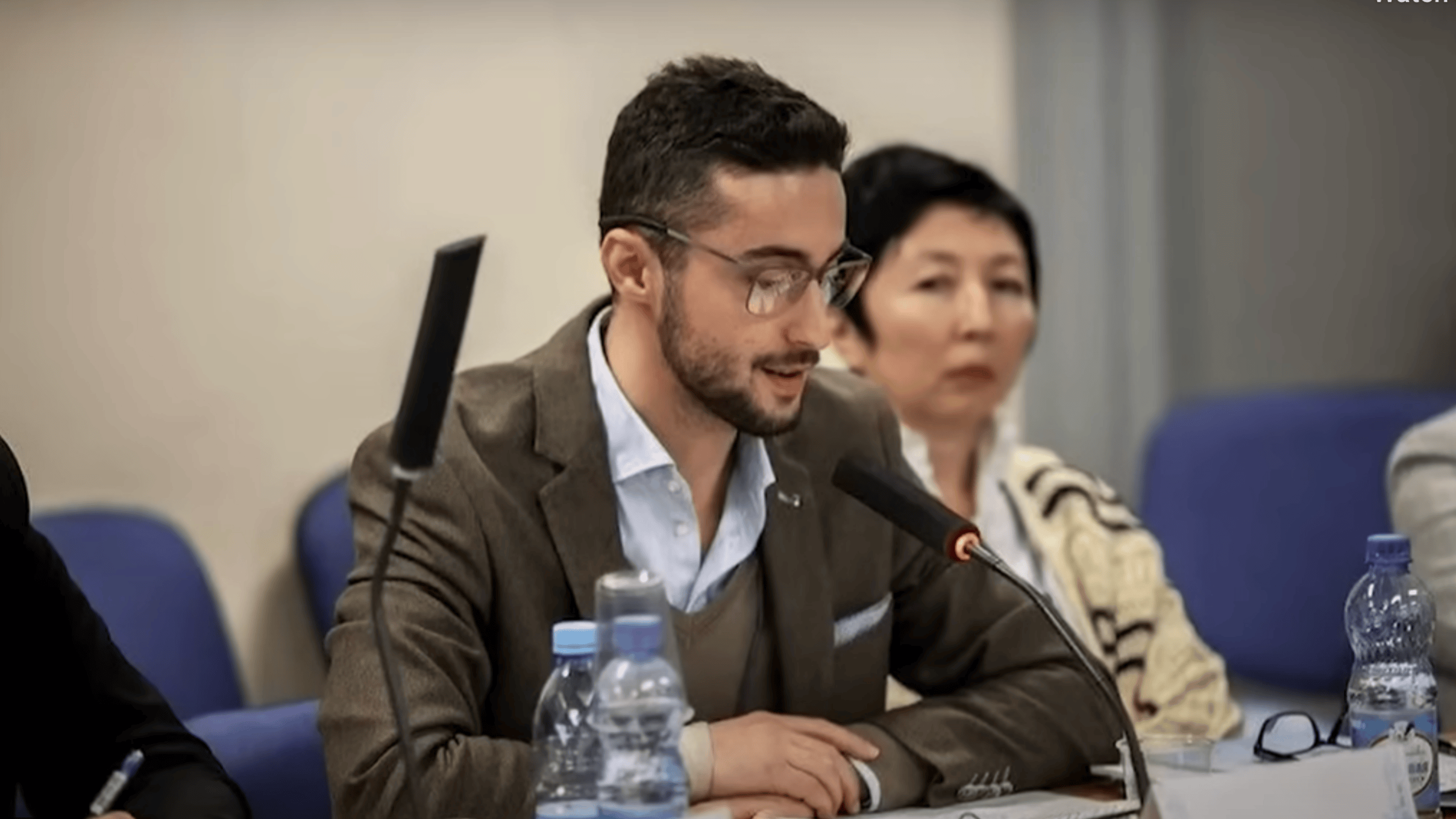
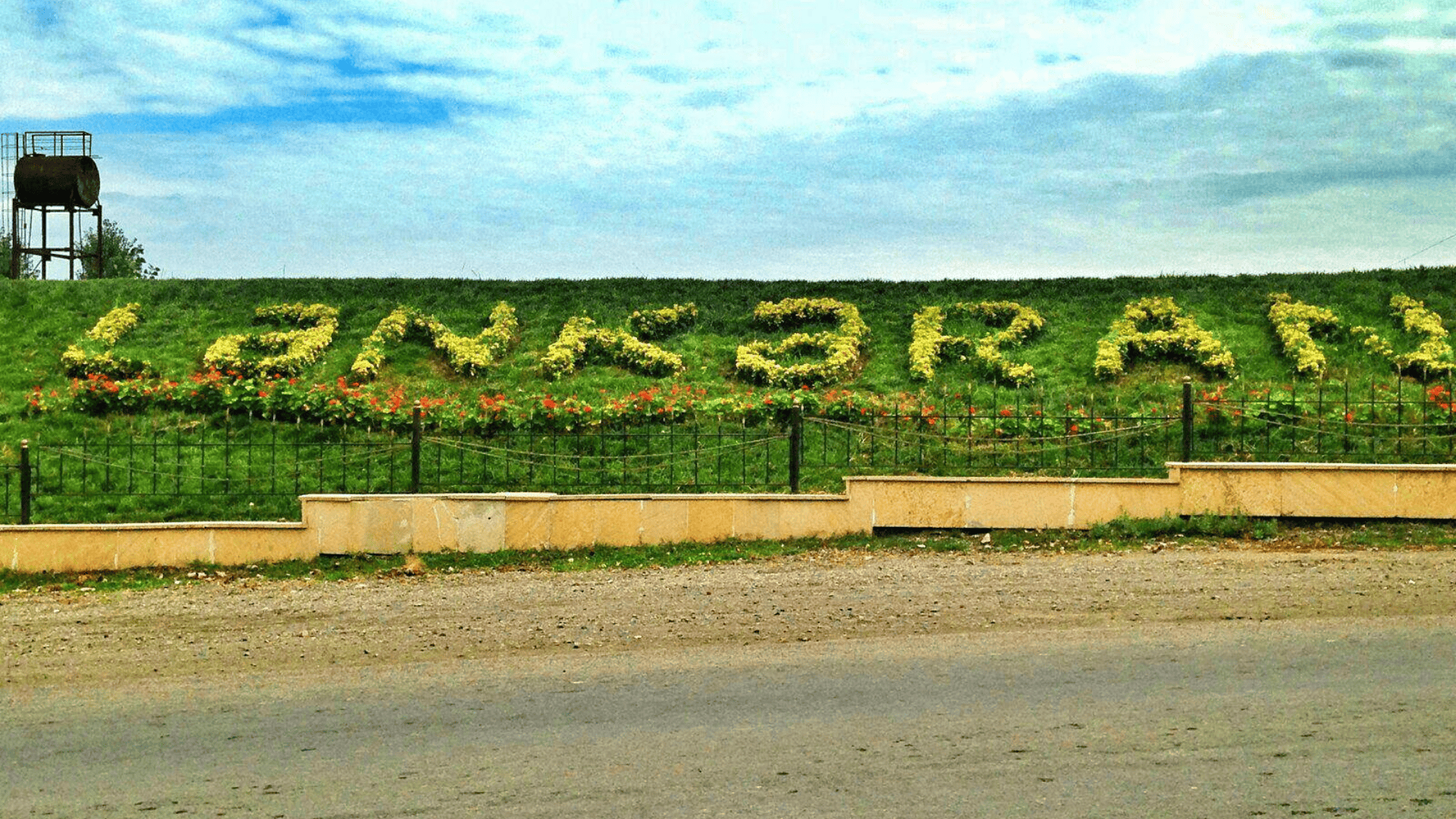
Abilov, who lived in Belarus, was detained in July 2024 after travelling to Azerbaijan to visit relatives. On 20 May 2025, Lankaran Court on Grave Crimes sentenced him to 18 years in prison on charges of high treason, making calls against the state on the instructions of a foreign organisation, and inciting ethnic hatred.
Pro-government media accused Abilov of collaborating with Armenian intelligence services. Abilov and the committee campaigning for his rights reject the allegations, saying his activities were exclusively academic and cultural.
Amnesty International said Abilov’s trial was effectively held behind closed doors and that no compelling evidence of espionage was presented to the public. According to the organisation, correspondence used as the basis for the charges concerned academic cooperation on minority rights, linguistics and ethnography. No publicly available evidence that he had passed on classified information was presented.
Two Talysh intellectuals who died in prison
Novruzali Mammadov
Linguist Novruzali Mammadov, head of the Talysh Cultural Centre and editor-in-chief of the Tolyshi Sado newspaper, was arrested in 2007. In 2008, he was sentenced to 10 years in prison on charges of high treason and inciting ethnic, racial and religious hatred.
Prosecutors alleged that Mammadov had gathered information with the aim of establishing administrative autonomy in areas with large Talysh populations and had submitted appeals to international organisations concerning violations of Talysh rights. He pleaded not guilty and said he had been tortured. Human rights organisations at the time reported that the case was based on fabricated evidence and that his trial was unfair and held behind closed doors.
Following a prolonged deterioration in his health, Novruzali Mammadov died of a heart attack on 17 August 2009 in a hospital run by the Penitentiary Service.
In 2019, the European Court of Human Rights reached an important but nuanced conclusion: it did not establish that the state was directly responsible for his death, but found that the circumstances surrounding his death had not been effectively investigated.
The ECHR also found violations of the Convention in relation to Mammadov’s unrecorded detention in 2007, his ill-treatment and the denial of medical assistance during that period.
Fakhraddin Abbasov (Abboszoda)
Historian and political activist Fakhraddin Abbasov, known among the Talysh community by the surname Abboszoda, briefly served in 1993 as speaker of the parliament of the short-lived, self-proclaimed Talysh-Mughan Autonomous Republic.
Abbasov later lived in Russia and openly advocated political self-government and independence for the Talysh. In 2019, he was returned from Russia to Azerbaijan, and in February 2020 was sentenced to 16 years in prison on charges of high treason, making calls against the state and inciting ethnic hatred.
Amnesty International said it had examined Abbasov’s publications, interviews and appearances on internet television cited in the court ruling and found neither calls for violence nor acts that would constitute a criminal offence under international standards. The organisation concluded that Abbasov had been prosecuted for his political views.
Abbasov died on 9 November 2020 in Gobustan Prison. The Penitentiary Service said he had taken his own life in his cell and that, despite receiving medical assistance, he could not be saved. His death came around the time Azerbaijan announced that Shusha had been recaptured from Armenian forces. Reports at the time claimed that Abboszoda had taken his own life because he could not bear the news.
Amnesty International, however, said that the circumstances surrounding Abbasov’s death had not been effectively investigated.

Why does Talysh identity become a ‘security’ issue?
A comparison of these cases points to three factors.
The first is linked to the political legacy of the events of 1993. The attempt to establish the Talysh-Mughan Autonomous Republic created a historical backdrop against which the authorities subsequently came to view initiatives involving Talysh autonomy or political self-organisation through a security lens. Under this approach, the line between defending cultural rights, discussing autonomy and actions that the authorities may regard as threatening Azerbaijan’s territorial integrity can quickly become blurred.
The second factor is geopolitics. Talysh communities live not only in Azerbaijan but also in Iran. Activists’ residence in Russia and Belarus, their participation in conferences in Iran, or correspondence with scholars who are Armenian citizens have been interpreted in investigations as indications of foreign influence or espionage.
Espionage and incitement to violence are offences that states have a duty to investigate. However, treating academic contacts or political views as criminal requires specific and verifiable evidence, as well as justification that such interference is necessary.
The third factor concerns attitudes towards public expressions of a distinct Talysh identity. The Advisory Committee on the Council of Europe’s Framework Convention for the Protection of National Minorities has noted a discrepancy between the Azerbaijani authorities’ claims that “optimal conditions” had been created and assessments provided by representatives of the Talysh community.
The committee also noted that conferences on Talysh culture had attracted suspicions of separatism because of participants’ contacts with Iran and Armenia. It further reported allegations of pressure on some activists and observed that the use of minority languages remained largely confined to private and informal settings.
Key legal question
Azerbaijan’s constitution guarantees equality regardless of ethnic or linguistic background, as well as everyone’s right to preserve their national identity.
According to the official position, Isayev, Abilov, Mammadov and Abbasov were prosecuted not because they were Talysh, but for specific offences against state security.
At the heart of the dispute, however, is not ethnic identity itself but the evidence presented by the state: were allegations of incitement to violence, the disclosure of classified information or cooperation with a foreign intelligence service supported by clear and compelling evidence? Or were discussions of the Talysh language and culture, allegations of discrimination and even unpopular political ideas punished under legislation relating to state security?
The deaths of Novruzali Mammadov and Fakhraddin Abbasov in prison, as well as current reports about Iqbal Abilov’s health, take the issue beyond freedom of expression. It also concerns the state’s obligation to protect the lives and health of people in its custody and to conduct transparent investigations into deaths in detention.
In the absence of such transparency, the argument of “state security” appears less as a legal justification and more as a tool for suppressing independent voices associated with Talysh identity.