

Iran envoy: Georgia not the only destination for Iranians






Iranian envoy to Georgia makes pointed remarks
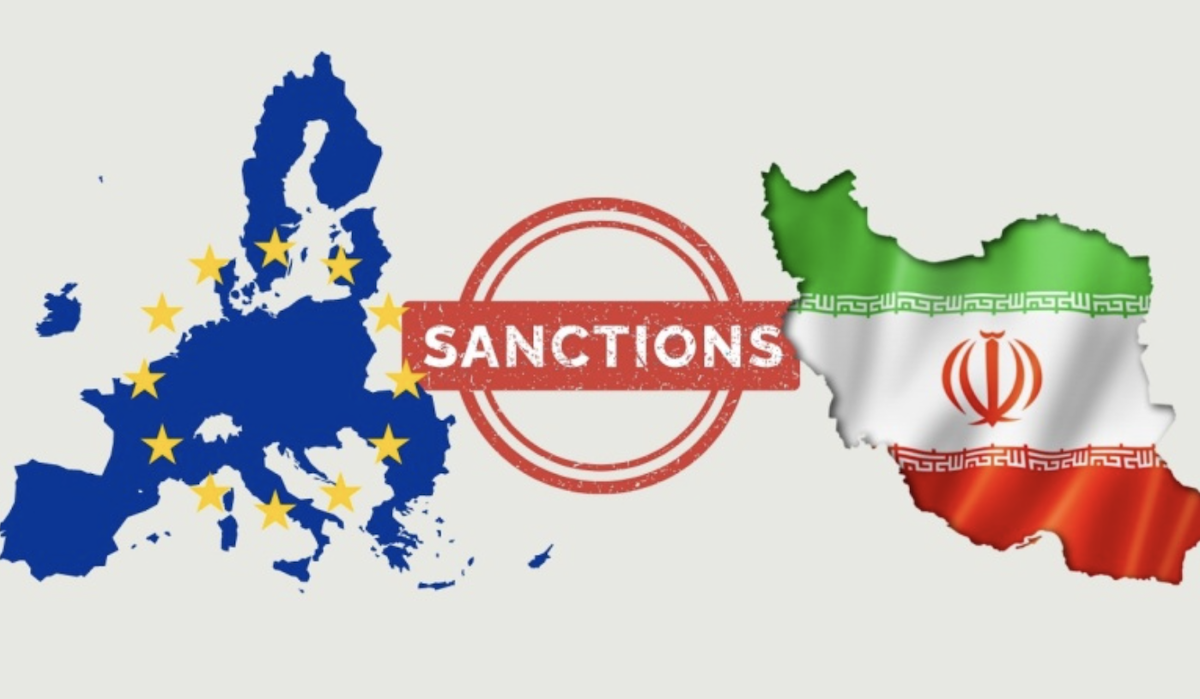
Iranian Ambassador to Georgia Seyed Ali Moujani has responded to a statement by Georgia’s Civil Aviation Agency saying the country would fully comply with sanctions against Iranian airlines imposed by the United States. The ambassador said Georgia had been one possible destination for Iranians, but was not the only one.
On 8 September, the United States imposed sanctions on 27 Iranian airlines. Six of them — Sepehran Airlines, Varesh Airlines, Qeshm Air, Fly Kish Airlines, Taban Airlines and AVA Airlines — also operate flights between Georgia and Iran.
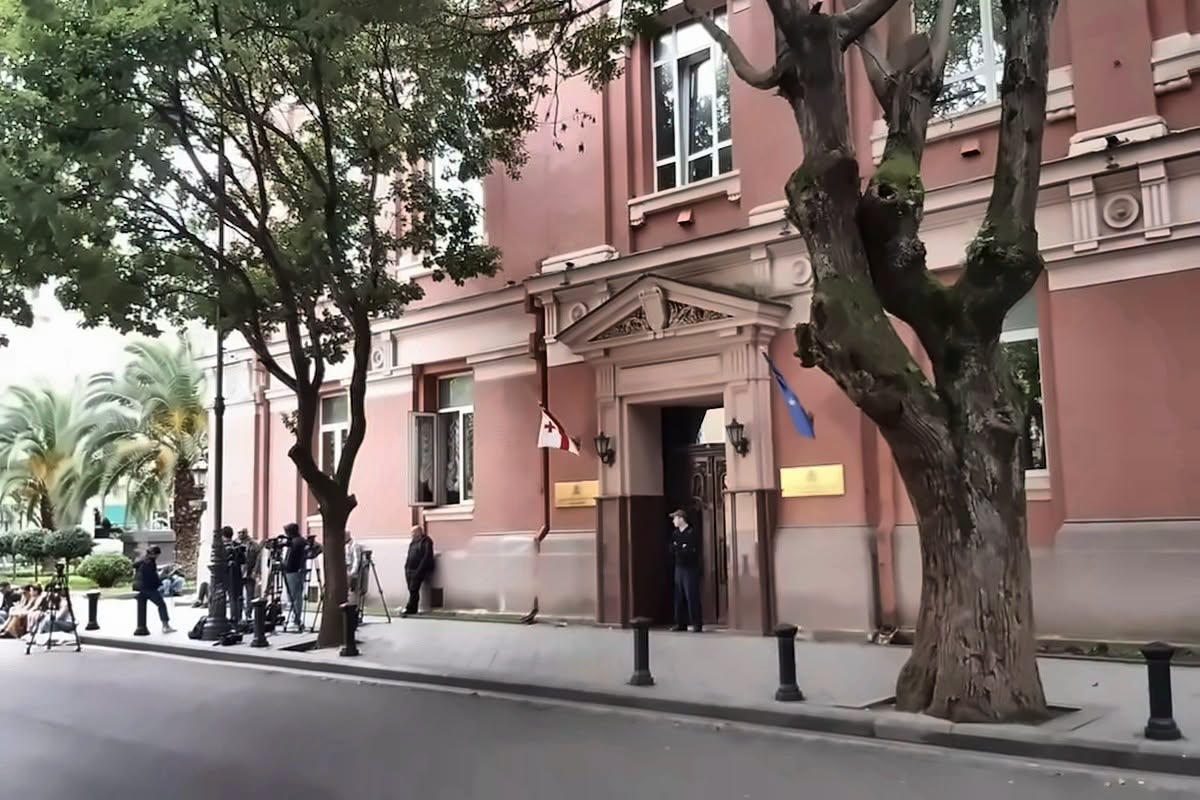
“As the expanded sanctions list announced by the US State Department includes airlines that currently operate flights between Georgia and Iran, the Georgian side, as in other cases, will act in full compliance with the international sanctions regime,” the Civil Aviation Agency said.
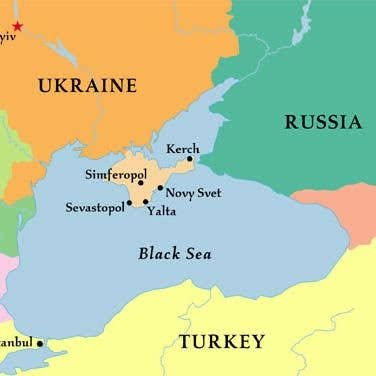
In turn, the Iranian embassy published a map of the Black Sea region showing only half of Georgia. When the Georgian service of Radio Free Europe/Radio Liberty asked the Iranian ambassador whether the map was intended to convey a political message, he replied:
“Sometimes a diplomat can say nothing, write nothing and simply share a picture… Water knows no borders; the Caucasus and Iran need a common, interconnected future.”
What Iran’s ambassador said
Seyed Ali Moujani said Iranian tour operators had contacted the embassy’s consular section in recent days with questions about whether tourist trips to Georgia would continue.
“Georgia has undoubtedly been one of the important Black Sea tourist destinations for Iranians,” Moujani wrote, noting that the country had attracted many Iranian tourists in recent years.
He also said Iran respected Georgia, the Georgian people and the country’s independent decisions.
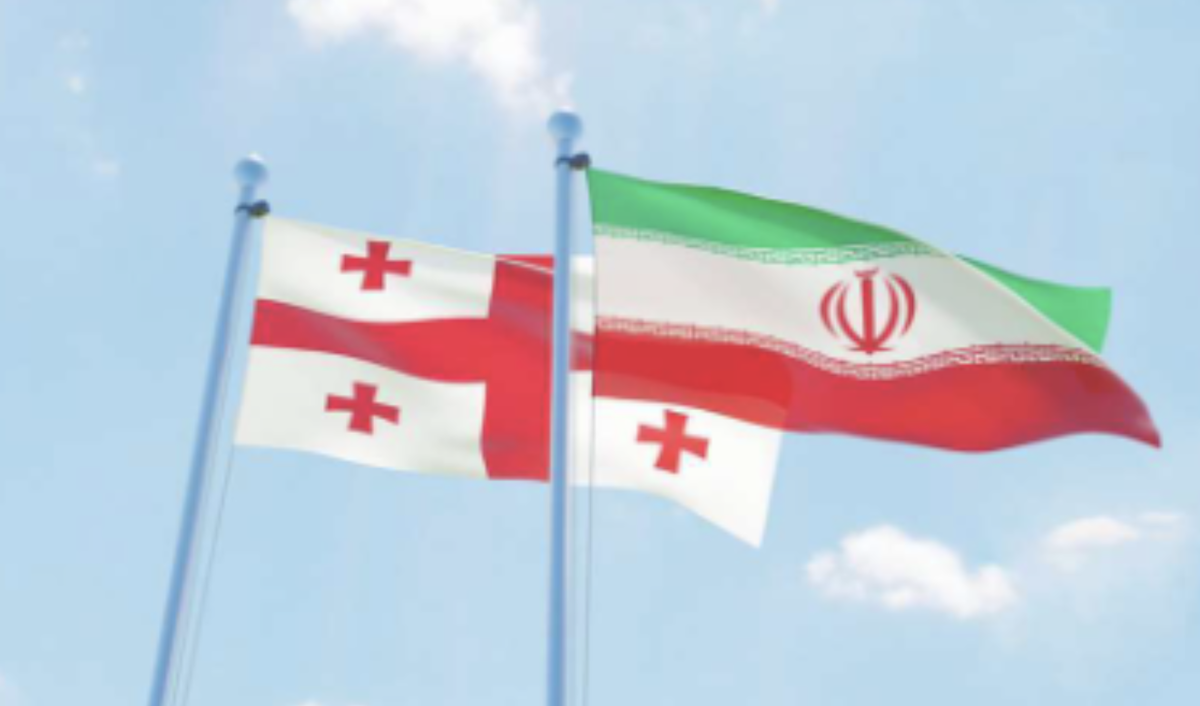
“Georgia’s recent decision to introduce certain restrictions in connection with Western sanctions is one that we must respect as the country’s choice. However, respecting the choices of others does not mean disregarding our own right to choose,” the Iranian ambassador wrote.
Moujani said Iranian tourists, like citizens of other countries, considered a range of factors when choosing a holiday destination, including safety, convenience, cost, mutual respect and dignity.
The ambassador also noted that tourism generated mutual economic benefits.
“The arrival of tourists does not simply mean travellers entering a country. Hotels, restaurants, transport providers, shops, tour guides, craftspeople, public services and dozens of other sectors of the economy all benefit,” Moujani wrote.
He said travellers had also historically played an important role in building links between cultures and peoples, and sometimes in creating new opportunities for cooperation and development.
“If a new situation has emerged today, we should not view it solely as a restriction; every restriction can become an opportunity to find new paths,” the ambassador said.

Seyed Ali Moujani said there were other coastal destinations in the Black Sea region besides Georgia that could serve as alternatives for Iranian tourists.
“There are other destinations — other countries worth visiting, other cultures worth discovering and other peoples worth engaging with,” Moujani wrote.
The ambassador described Iran’s respect and friendship for Georgia and the Georgian people as unwavering, but stressed that Iran and the Iranian people’s right to choose also deserved respect.