Abkhazia’s capital temporarily bans high-rise construction in city centre. What happens next?




Authorities have temporarily banned buildings taller than 18 metres, or roughly six storeys, in the historic centre of Sukhum.
The decision, proposed by Mayor Timur Agrba and approved by the city council, will remain in force until the city adopts a new master plan.
Abkhazia’s capital last approved a master plan during the Soviet era, in 1987. Since then, the authorities have not adopted a comprehensive new urban development plan, although both officials and the public have periodically called for one.
Whenever another high-rise appears near the waterfront, Sukhum residents grow increasingly vocal in demanding tighter controls on construction. They believe these buildings are damaging the city’s historic character.
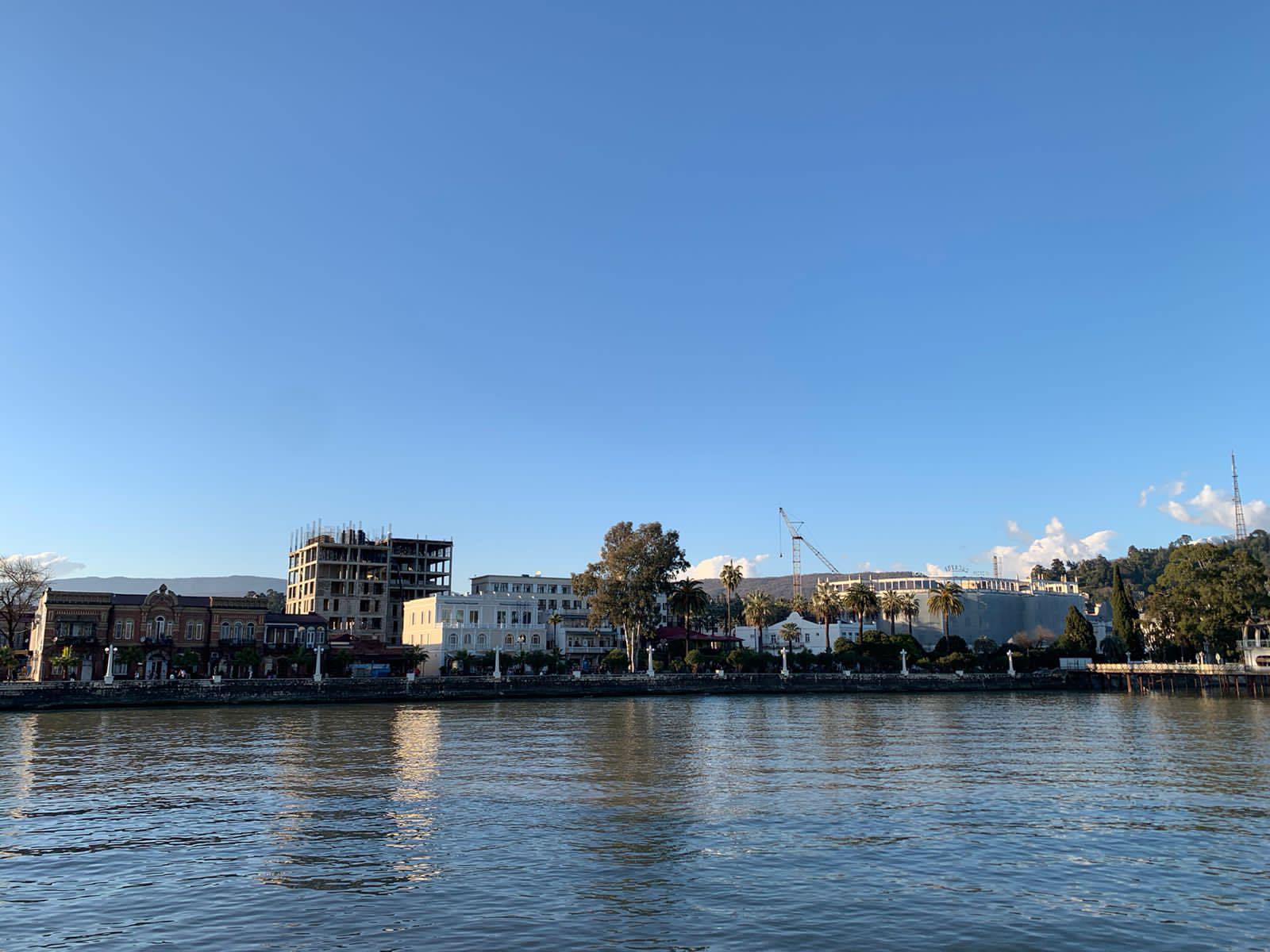
According to Timur Agrba, the city administration receives proposals for buildings of various heights. Officials reject some of them, but without a proper master plan, the city authorities have virtually no regulatory grounds for refusing projects, apart from the need to preserve the city’s historic character.
The authorities plan to start drawing up a new master plan in 2027, a process that could take several years. That is why Agrba proposed temporarily restricting the height of new buildings. However, the measure effectively contradicts existing legislation: the coefficient set out in the current Urban Planning Code allows buildings taller than 18 metres.
The restriction may therefore prove to be purely temporary and, possibly, not particularly effective.
Authorities cannot revoke construction permits they have already issued, so the new restriction will apply only to future projects.
They may also grant exceptions for certain buildings that serve an important social purpose or are significant for the republic or the city.
Sukhum’s chief architect, Bislan Bagateliya, confirms that the city centre’s architectural character calls for low-rise development. He supports restricting high-rise construction until the authorities have a clear understanding of how the city should develop.
The terminology, place names and views expressed in this article are those of the author and do not necessarily reflect the editorial position of this website.