‘For Georgia’ party to submit parliamentary resolution against annexation of Georgian territories






Resolution against the annexation of Georgian territories
The For Georgia party plans to submit a draft resolution to Georgia’s parliament concerning an agreement signed on 9 May between Russia and the de facto authorities in Tskhinvali, as well as Moscow’s policy of annexation.
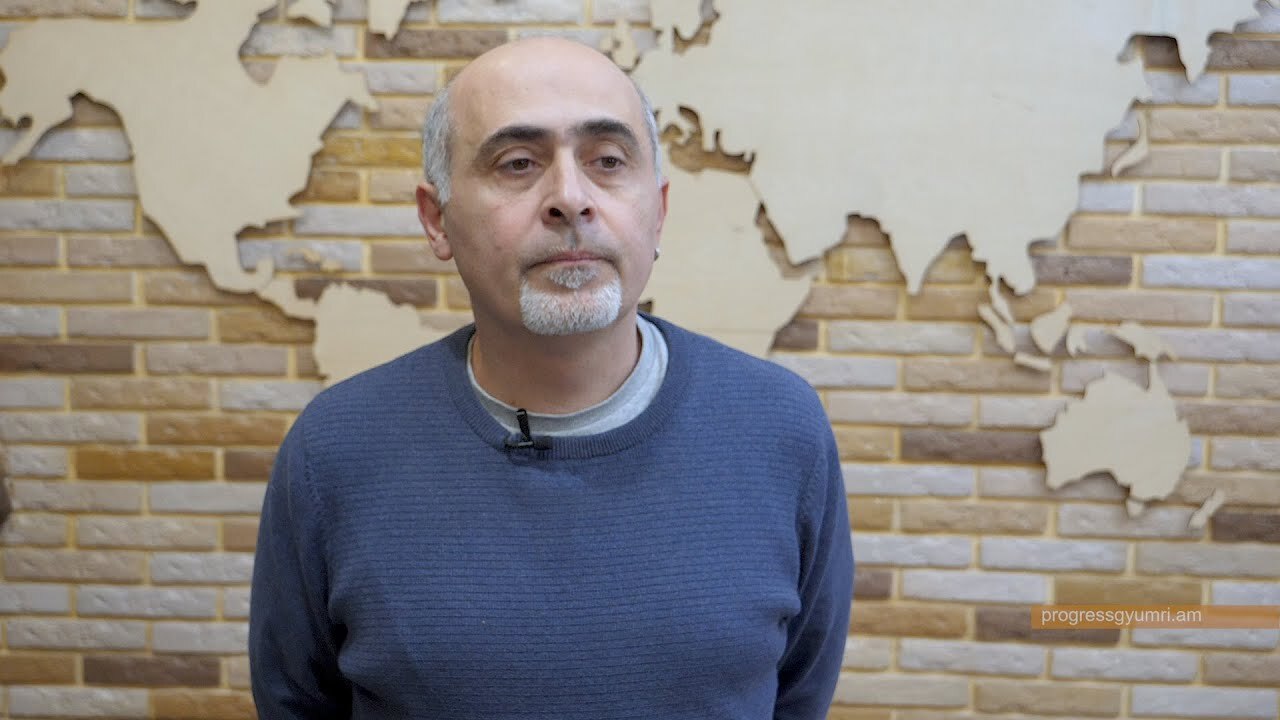
One of the party’s leaders, Shalva Kereselidze, said during a briefing that the so-called agreement on the “deepening of allied cooperation” represents another highly dangerous stage in the de facto annexation of the Tskhinvali region.

According to him, the document represents a step against Georgia’s sovereignty and statehood and envisages the full integration of various sectors of the occupied region into the Russian Federation.
Kereselidze also criticised the government’s position, saying the ruling Georgian Dream party has remained silent on the issue.
“Tomorrow is 26 May, Georgia’s Independence Day, and unfortunately we once again mark this symbolic date against the backdrop of the annexation of occupied territories and government silence,” he said.
According to Kereselidze, parliament currently remains “the only space” capable of giving a clear political and legal assessment of Russia’s policy.
The party of former Prime Minister Giorgi Gakharia is demanding a clearer response from the government. Kereselidze argues that the ruling team still has an opportunity to begin acting in defence of state interests.
The party is urging parliament to support a resolution against the annexation of Georgian territories. It is also calling on the government to “end its inaction”, restore active diplomatic efforts and strengthen cooperation with international partners to keep the issue of occupied territories on the international agenda.
Context
On 9 May 2026, Russian President Vladimir Putin and the leader of the self-proclaimed South Ossetia, Alan Gagloev, met at the Kremlin and signed a new agreement.
According to official explanations, the document aims to “deepen allied cooperation” between Russia and South Ossetia. However, the content of the agreement has reignited debate in the region over how close Moscow may be to annexing South Ossetia.
According to the text, the sides plan to harmonise legal norms, create conditions for the free movement of capital, goods and labour, and establish a common economic space. The agreement places particular emphasis on the gradual integration of energy, transport and telecommunications systems.
The Kremlin says it will continue participating in efforts to address socio-economic issues in Tskhinvali. The agreement also envisages deeper cooperation in social and cultural spheres, including labour rights and social protection.
Resolution against the annexation of Georgian territories