School uniforms return to Georgia's public schools: what you need to know






School uniforms in Georgia
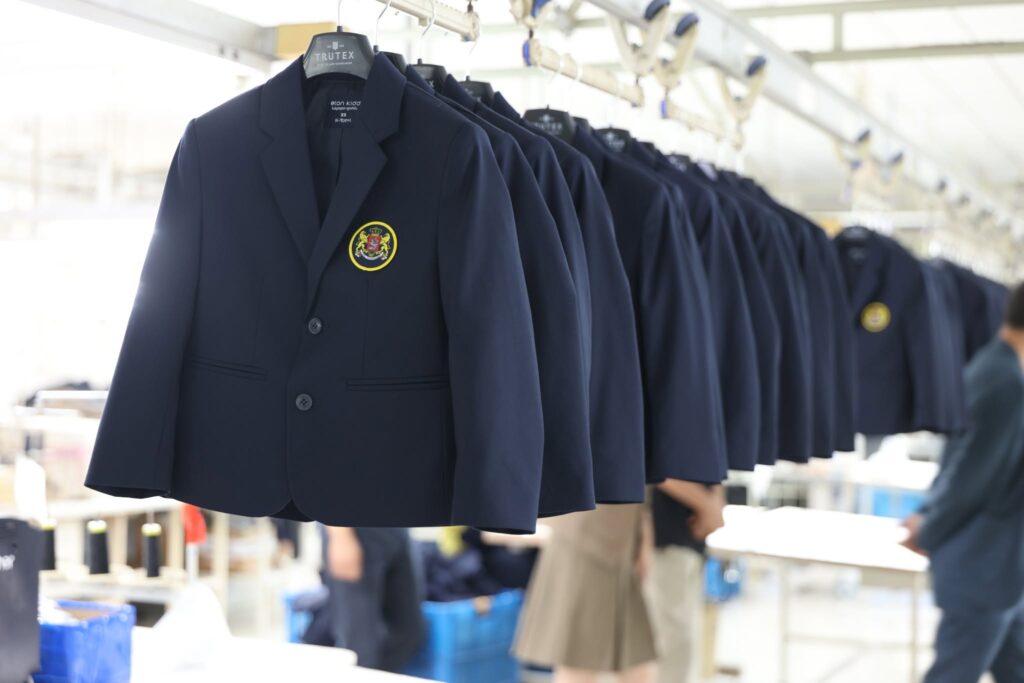
From the new school year, school uniforms will become compulsory for pupils from first to sixth grade in Georgia’s public schools. Boys will wear dark blue trousers and jackets, while girls will wear jackets made from the same material and skirts. The uniforms were made in China and consist mainly of synthetic materials.
The Education Ministry spent more than 45 million lari on the uniforms (approximately $17,226,540,000 — JAMnews). However, the uniforms will not be free for pupils, as parents will have to buy them from the government. Only children from socially vulnerable families will receive free sets.
The ministry says standardised uniforms will reduce social differences and strengthen pupils’ sense of belonging to their schools. However, some parents question the need for compulsory school uniforms. Their main concern is whether it makes sense to prioritise uniforms when more pressing problems with school infrastructure, safety and food remain unresolved.
- Education reform in Georgia: what is changing, official statements, and harsh expert criticism
- School uniforms, phone ban, standardised textbooks: what Georgia’s education reform includes
- Opinion: When education becomes a party project in Georgia
Questions have also been raised about the quality and comfort of the uniforms. How comfortable will they be for young children? Will they be able to fasten the buttons and zips themselves? Will they be too hot in summer or too cold in winter?
Why has the school uniform become compulsory? How safe is the fabric used to make it for children’s health? Why did the government choose a Chinese company when Georgia also has a developed textile industry? What exactly will standardised uniforms change in Georgia’s troubled education system?
Why has the ministry decided to bring back school uniforms?
In September, six-year-old Ilia will begin a new stage of his life — he is starting school. Ilia attended kindergarten, but adapting to a new environment and stricter discipline will still be a challenge for him.
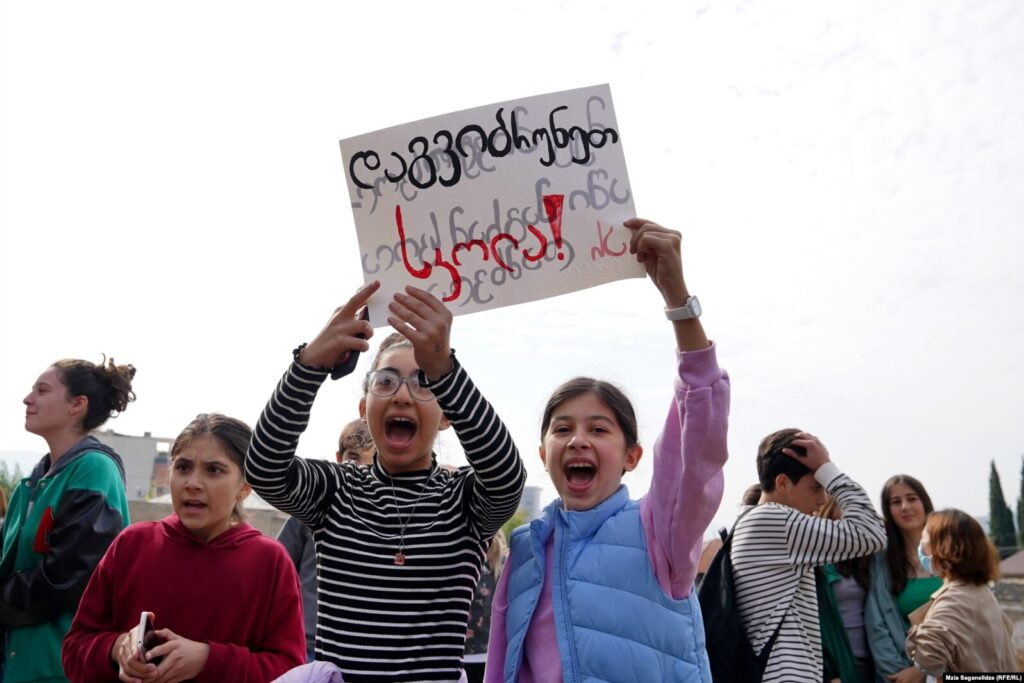
Ilia will face another challenge — running and playing during breaks in a polyester jacket and tight-fitting trousers.
“My son is used to wearing clothes made of cotton or wool with a small amount of elastane. Until he was six, he did not even wear jeans because they were not stretchy enough. I do not know how he will be able to run around in this jacket during school activities. And I wonder whether it will even stay on him. I doubt that restrictive clothing, against the backdrop of the stress of adapting to school, will help a child develop a sense of belonging to school life,” says Ilia’s mother, Taya Maharashvili.
Taya plans to contact the Education Ministry and demand stronger justification for making school uniforms compulsory:
“I have never opposed introducing a dress code. I believe it is important to dress appropriately in educational and professional environments, and children should learn this from an early age. However, the uniform proposed by the ministry is unacceptable.”
Introducing school uniforms for pupils in the lower grades of public schools is one element of a planned large-scale education reform. Education Minister Givi Mikanadze announced the measure on 2 December 2025 during a presentation of the National Concept for General Education Reform.
“School uniforms will help create an environment focused on learning and foster a sense of belonging to the educational institution. They will also reduce visible differences in pupils’ socio-economic backgrounds,” Mikanadze said.
School uniforms were compulsory in Georgia in the past. In Soviet schools, pupils wore dark brown, black or blue uniforms with white aprons. In independent Georgia, only some private schools require uniforms, although parents there have also complained about the quality of the fabric.
Polyester, viscose and elastane — what materials are used to make the clothes?
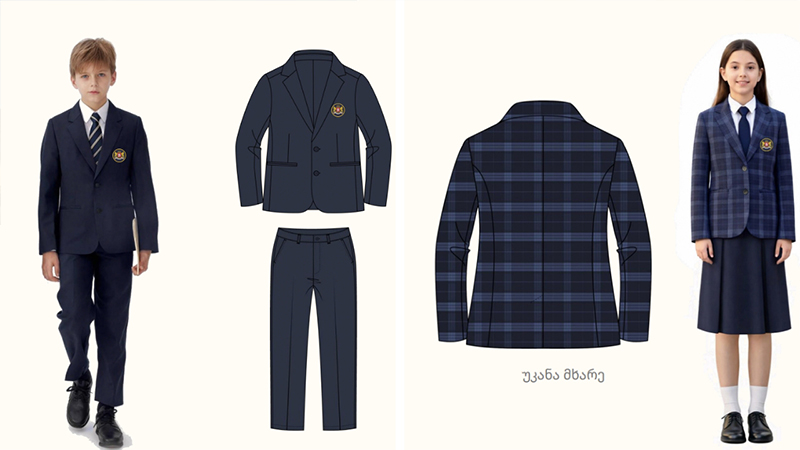
The appearance, colour and quality of the school uniforms were determined entirely by the state. The boys’ uniforms will be plain dark blue, while the girls’ uniforms will feature a checked pattern. The state emblem will appear on the left side of the jacket.
The uniforms are made mainly from synthetic materials: 72% polyester, 25% viscose and 3% elastane.
The jackets will also have polyester lining. According to ministry documents, only the skirts will have cotton lining.
The uniforms can be washed at 40°C and ironed at 110°C. Bleach is prohibited, as is ironing the emblem or dry-cleaning the garment.
The school uniform set will include a jacket and trousers for boys, and a jacket and skirt (or a jacket and trousers) for girls.
“First of all, this uniform is uncomfortable. It reminds me of a situation where a paediatric dietitian insists that a child eat vegetables, only for the child to spit them out. I have the feeling that the ministry employs people who have no idea what children and childhood are like,” Taya says.
One uniform set will cost 95 lari. Some pupils will receive it for free.
Trousers and skirts will cost 25 lari, while a jacket will cost 45 lari. A set may include a jacket and two pairs of trousers, or a jacket, trousers and a skirt. As a result, one school uniform will cost parents 95 lari.
Most parents say one set will not be enough for a child to wear throughout the week. Pupils will also need a white shirt or T-shirt under the uniform, which parents will have to buy separately.
Pupils from socially vulnerable families will receive uniforms free of charge. This applies to families registered in the Unified Database of Socially Vulnerable Persons with a rating score below 65,001.
Children in state care or foster families, as well as those living in family-type homes or shelters for children without parental care, will also receive uniforms free of charge.
Ukrainian pupils who have been living and studying in Georgia since the start of the war will also receive school uniforms free of charge.
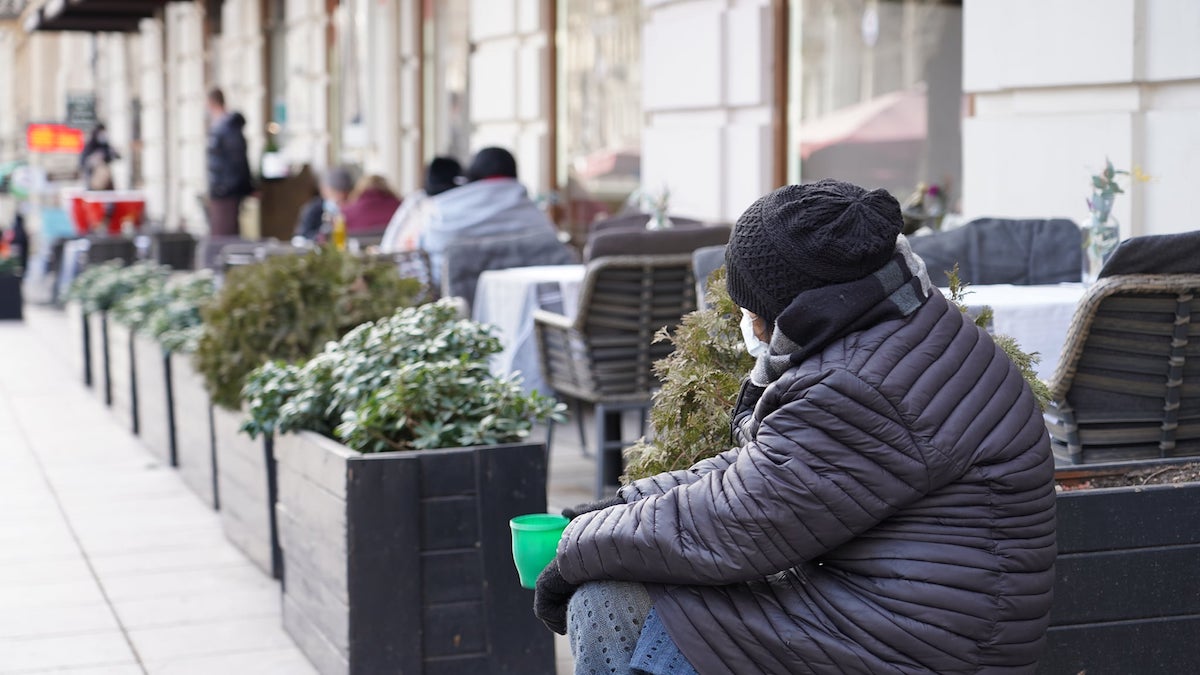
Is the uniform fabric safe? What should parents do if their child has an allergy or skin condition?
Third-grader Sandro has urticaria and allergic dermatitis. That is why his mother, Sopho, who is raising him alone, pays close attention to the quality of his clothes.
“My son is at school from 9:30am until 6pm, and I am concerned about everything: the quality, comfort and presence of allergens,” says Sopho Trapaidze.
Polyester, the material used for the uniforms, is widely used in the textile industry because it is durable and inexpensive. However, doctor Eka Kvirkvelia notes that the material is not suitable for everyone and is not hypoallergenic for all people. In some cases, it can contribute to overheating, increased sweating and skin irritation.
“True hypoallergenicity depends not only on the composition, but also on the fabric’s breathability, the chemical composition of dyes, production standards and the lining material. It is also important to understand that ‘international practice’ does not mean there is a single standard: different countries use different approaches. Nevertheless, natural fabrics or materials with a high cotton content are often preferred for primary school pupils,” she wrote on social media.
According to her, assessing the quality of school uniforms should rely on specific indicators, such as the percentage of each component, dermatological test results and data on children’s safety, rather than broad claims such as “hypoallergenic”.
Taya Maharashvili has also begun looking at practices in other countries. Polyester is used in schools in some developed countries, but there is one important detail:
“The percentage of polyester in our school uniforms is higher than in those countries. In addition, such countries more often introduce a dress code rather than a uniform. How the fabric has been treated and whether it meets safety standards are also important. They say these factors were taken into account when the Georgian school uniform was designed. However, the public should demand more reliable information supported by evidence, such as expert assessments and so on.”
Education Ministry says exceptions will be allowed
Parents are already demanding additional evidence from the Education Ministry that the fabric meets safety and quality standards. They are also calling on doctors to help address the issue.
“We demand a change in the fabric used for school uniforms. Synthetic clothing is harmful to children’s health,” Tamuna Gagnidze writes.
Dozens of parents have left comments under her post making similar demands. Many say they do not intend to dress their children in the uniforms.
“My child cannot wear polyester: he has atopic dermatitis, and contact with this material makes his skin worse. I absolutely do not want the school uniform to cause bleeding wounds on his skin,” says Hatuna Laghadze in a comment.
Sopho Trapaidze also does not plan to buy a new uniform for her son Sandro. She plans to make it herself — in the same style and colour, but from higher-quality material.
The Education Ministry says it will take into account cases where pupils have officially confirmed medical contraindications.
The Georgian Law on General Education regulates such cases. Article 19¹, paragraph 3, states that “a primary school pupil may be exempted from the obligation to wear a school uniform on health grounds based on a written agreement with the Ministry of Education”.
The ministry says such cases will be considered individually. Parents will need to provide the school with the relevant medical certificate. The pupil will still have to follow the established dress code.
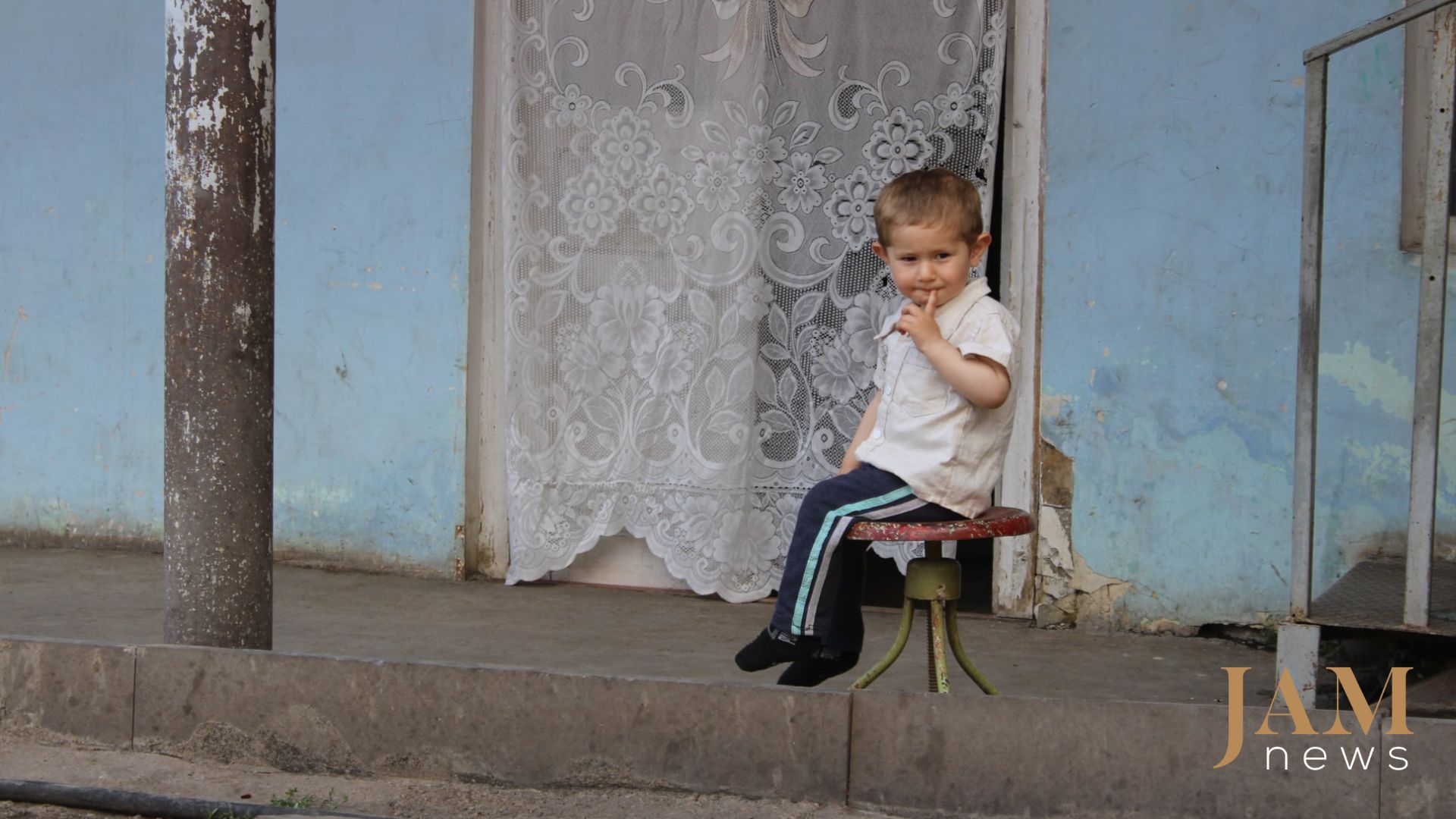
What happens if a parent does not put their child in a school uniform?
School uniforms are compulsory. The ministry has placed particular emphasis on this point.
“Will they (officials — JAMnews) dress their own children in clothes made from this fabric?” This is the most common question in school groups and social media discussions about the uniforms.
“What happens if I do not put this uniform on my child? Will they be banned from going to school?” one parent asks in the comments.
“I have three school-age children. I am not going to buy it either. I consulted lawyers, and no one has the right to create problems for children because of this,” another parent replies.
When presenting the new uniforms, Education Minister Givi Mikanadze said that if parents refuse to use them, the school may address the issue through educational and disciplinary measures. The law does not specify which sanctions schools can impose.
The ministry says schools will consider each refusal on an individual basis. Each school will be able to find its own solution based on its internal rules.
What is known about the Chinese company making Georgia’s school uniforms?
All matters related to the logistics of the school uniforms are handled by Educational Resources LLC, a department established within the Education Ministry in March 2026.
The ministry initially planned to manufacture the uniforms in Georgia. It considered using sewing workshops at state vocational colleges.
On 3 April 2026, the ministry announced a market study to procure the school uniforms. On 29 April, Educational Resources requested government approval to use a simplified procurement procedure. However, on 14 May, it emerged that the company initially selected did not meet the ministry’s requirements. The ministry had to restart the market study.
In June, the ministry signed a contract with Glory Textile Industry LLC to supply the school uniforms through direct negotiations, without a tender. The Education Ministry opted for direct negotiations to save time, as it needed to secure the uniforms and have them delivered before the start of the new school year.
Glory Textile Industry was registered in Georgia on 10 March 2026. Its sole owner and director is Chinese citizen Liu Xiaolin. The company received the order to manufacture the school uniforms just two months after its establishment and signed a 45.66 million lari contract with the Georgian government.
The company must deliver 1,801,000 items of clothing to Georgia between 25 August and 30 November:
- Girls’ jackets — 292,000;
- Boys’ jackets — 308,000;
- Girls’ trousers — 438,000;
- Boys’ trousers — 616,000;
- Skirts — 146,000;
- Long skirts — 1,000.
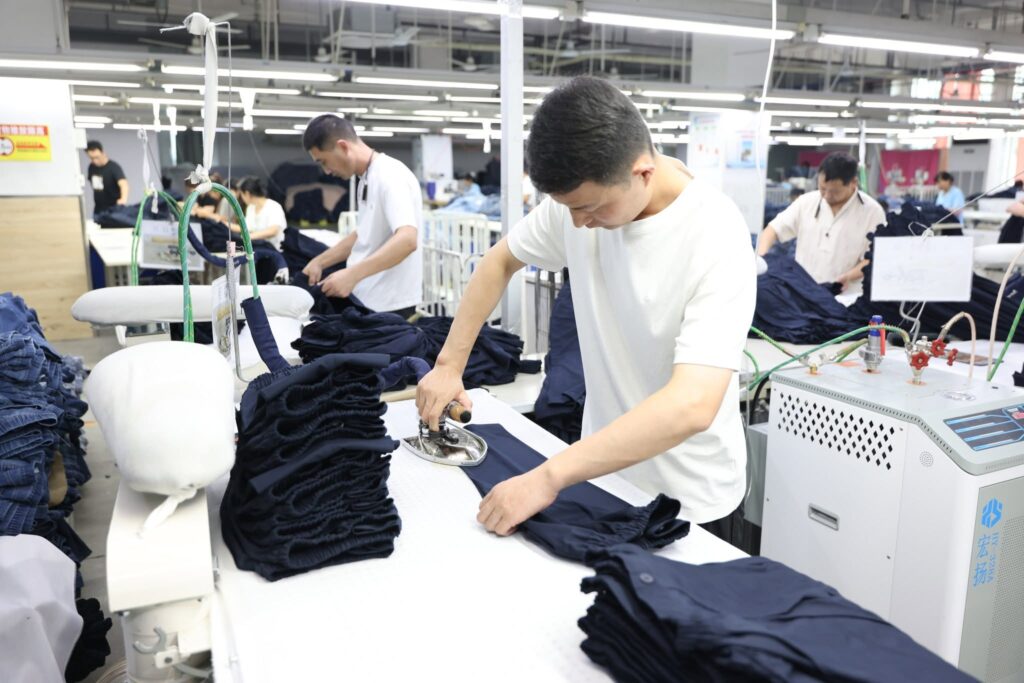
The uniforms are being made in China’s Jiangsu province at the Eton Kidd factory, which is operated by the SUMEC group.
Eton Kidd is a major Chinese school uniform brand. According to its official website, the company was founded in 2009. It works with more than 3,400 schools across 31 provincial-level administrative divisions, manufacturing and supplying school uniforms.
According to official information, SUMEC is an important subsidiary of the China National Machinery Industry Corporation (SINOMACH) and belongs to a group of state-owned enterprises directly under the central government of China.
Glory Textile Industry plans to deliver the school uniforms to Georgia in three stages:
- Stage I — 301,000 items — by 25 August 2026;
- Stage II — 600,000 items — by 15 October 2026;
- Stage III — 900,000 items — by 30 November 2026.
First batch of uniforms arrives in Georgia. Where can parents get them?
The first batch of school uniforms has already arrived in Georgia. According to Educational Resources, the quantity is sufficient for first-graders.
The uniforms are currently being sorted into sets. Sales will begin on 1 September and continue until 14 September.
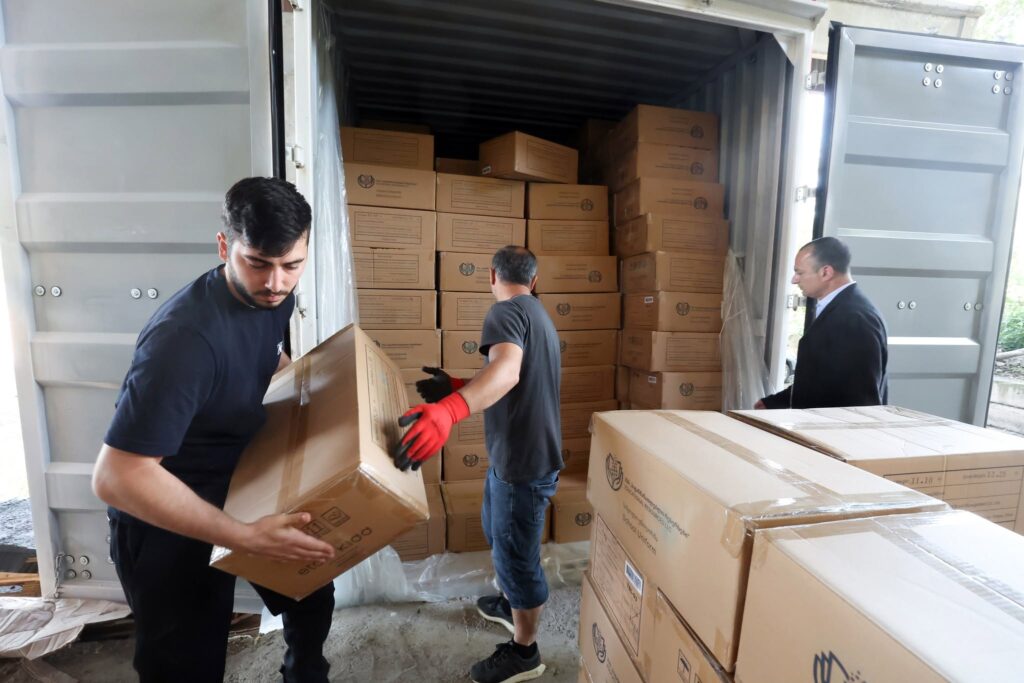
In the coming days, the uniforms will be distributed to major cities and regions. The authorities will also announce where parents can buy them. Parents will pay for the uniforms by cashless payment.
Uniforms for pupils in grades 2-6 will arrive later and will be distributed in two stages, on 15 October and 30 November.
This means pupils in grades 2-6 will not have uniforms in September. At the start of the school year, parents will have to buy regular clothes and purchase the uniforms later.
Will school uniforms change anything in Georgia’s education system?
The government is spending 45.66 million lari on school uniforms, saying they will help reduce social inequality. Meanwhile, Georgian schools still do not provide free meals.
According to a 2023 study by Georgia’s National Statistics Office, with support from UNICEF, only 27% of children aged 6 to 17 eat at school every day. Meanwhile, 34.9% do not eat at all during the school day. Among children from low-income families, the figure reaches 44.9%.
The same study found that 83.2% of parents believe schools should provide children with meals during the school day. In some Georgian schools, particularly in the regions, children cannot even buy food because the schools have no canteens.
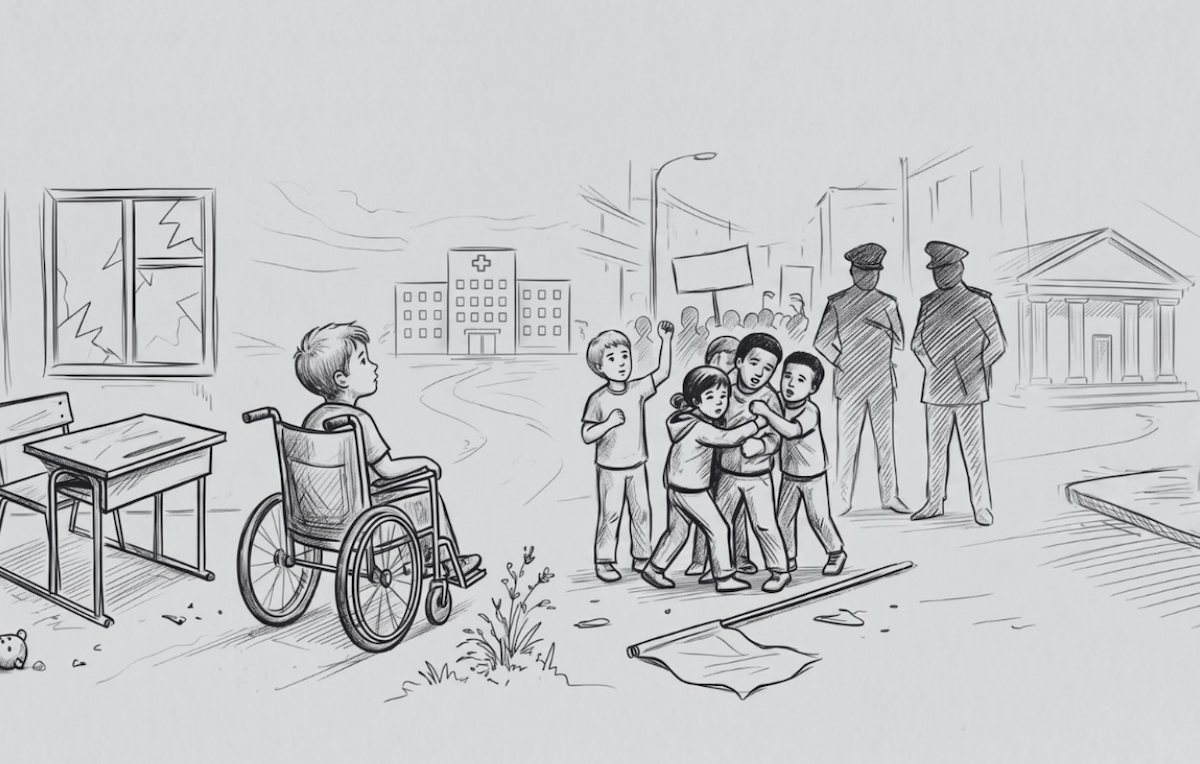
Against the backdrop of these and other problems, school uniforms appear to be the least pressing issue facing Georgia’s public schools.
“I cannot support spending such a large amount of money on uniforms when schools have yet to address basic problems with toilets, canteens and the quality of education,” says Ana Gvaladze.
“We called the ministry 80 times to get the problem with the toilets at School No. 161 resolved,” adds Sopho Trapaidze.
Taya, who has been studying education issues in depth, says building a school culture is a complex process and involves much more than a set of behavioural rules:
“Schools face many problems today, from poor infrastructure and failures to meet health and hygiene standards to a lack of an emotionally safe environment for children. Children attend dull, grey schools. Sometimes a school has just one teacher, who provides the support that the education system as a whole should provide. So school culture cannot be strengthened through uniforms alone. Likewise, in such an unhealthy environment — and given the problems with crime in the country — uniforms cannot stop bullying.”
Taya notes that bullying does not actually start because of clothing.
“Clothing is just an excuse. If a bully is looking for a victim, they can pick on someone’s height, weight, glasses, shoes, bag or even pen. Uniforms cannot hide social differences. And most importantly, when the minister talked about school culture and a sense of belonging, did he forget that a child who is hungry because their school has no canteen will not develop any sense of belonging?”
Hundreds of thousands of Georgian schoolchildren will start the new academic year in “impoverished” conditions, in buildings that are not suitable for proper education. In recent years, hundreds of schools across the country have been demolished, while construction on many replacements has yet to begin.
School uniforms in Georgia