Georgia does not join EU's updated sanctions against Iran






Georgia did not join EU sanctions against Iran
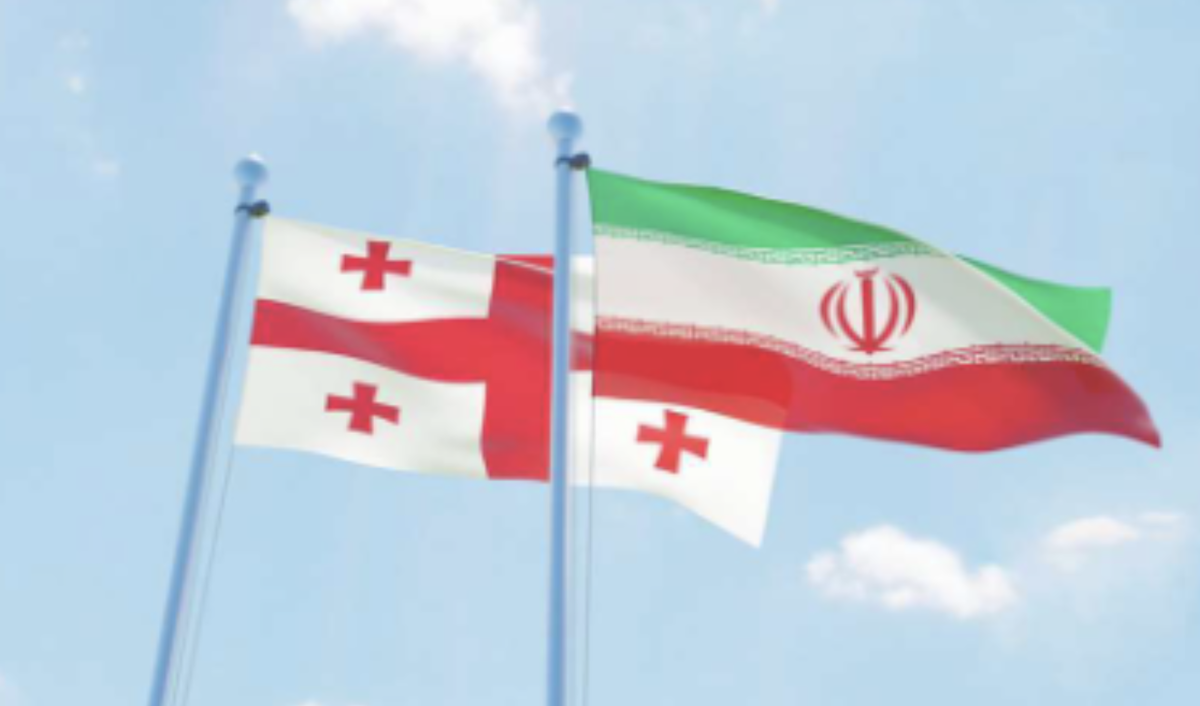
Georgia did not join the EU partner countries that backed the bloc’s updated sanctions against Iran. EU foreign policy chief Kaja Kallas said the measures involve three decisions imposing restrictions on Iran.
What are the decisions?
The EU has amended its sanctions regime against Iran. It removed and added several individuals and updated information on one organisation. All other restrictions remain in force.
The EU also adopted a decision on Iran’s military support for armed groups operating in Russia, the Middle East and the Red Sea region. The EU extended the existing sanctions and removed four individuals from the list.
In another decision, the EU added six individuals to its sanctions list over human rights violations in Iran.
The countries of the European Economic Area — Iceland, Liechtenstein and Norway — joined the EU measures. So did EU candidate countries Albania, Bosnia and Herzegovina, Moldova, Montenegro, North Macedonia and Ukraine.
Georgia did not join them.
Georgian Dream’s position
Georgian Dream MP Tengiz Sharmanashvili said Georgia only joins international decisions when they serve the country’s interests.
“The question of whether Georgia joins a resolution or takes steps in international affairs is determined by one criterion alone: whether it serves the country’s interests at that particular moment,” he said.
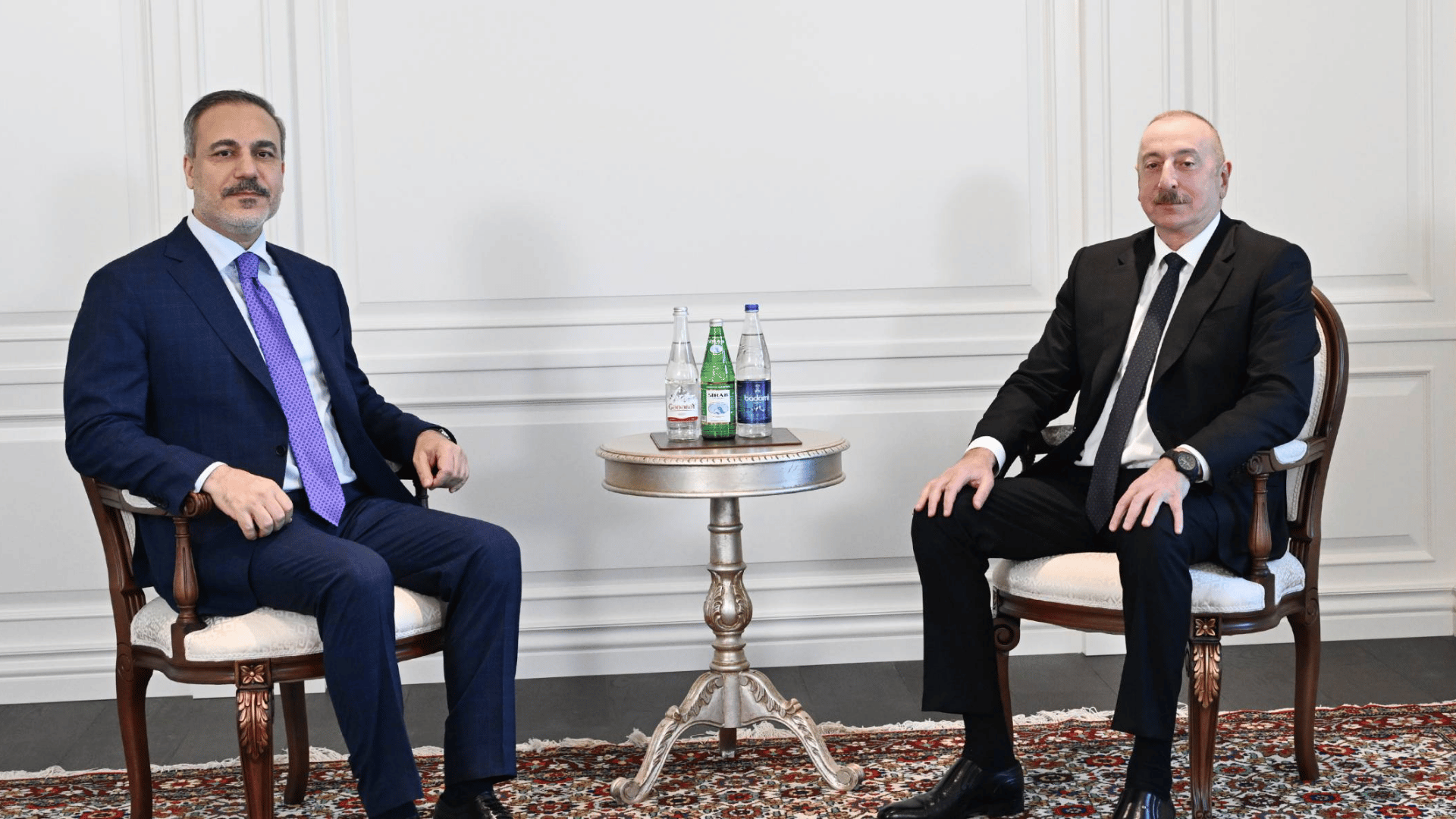
Sharmanashvili noted that two other EU candidate countries, Turkey and Serbia, had also not joined the sanctions against Iran.
“If it goes against Georgia’s interests, we do not care whose interests it serves,” the MP stressed.
Georgia’s Foreign Ministry has not yet responded to a request from Radio Free Europe/Radio Liberty to explain why the country did not join the EU sanctions.
The EU’s enlargement reports have already noted Georgia’s limited alignment with the bloc’s foreign policy. According to the 2025 report, Georgia’s alignment with the EU’s Common Foreign and Security Policy had fallen to 40% by October 2025, down from 53% in 2024.
Georgia did not join EU sanctions against Iran