Beslan school siege 22 years on: Where does investigation stand and what did victims achieve?






Beslan school siege anniversary
Twenty-two years have passed since the Beslan school siege, one of the most tragic events in the modern history of North Ossetia.
Commemorative events are being held across the republic, but there is still no complete clarity over what exactly happened during the attack.
“Three days in hell”: Timeline of the attack
On 1 September 2004, militants took pupils and teachers at School No 1 in Beslan hostage, including children starting their first year at school, their parents and babies who were with them.
In the first hours of the siege, the militants shot dead the adult male hostages. They held the others in the school’s gymnasium for three days, denying them water and making political demands, including the withdrawal of Russian troops from Chechnya.
The militants also demanded the presence of the then president of North Ossetia, Alexander Dzasokhov, Ingush President Murat Zyazikov, and CIS Executive Secretary and former Russian Security Council Secretary Vladimir Rushailo. None of them complied with the demand.
The North Ossetian authorities attempted to negotiate the release of the hostages, but without success. On 2 September, former Ingush President Ruslan Aushev managed to negotiate with the Ingush members of the militant group. He was allowed into the gymnasium and secured the release of around 20 women with babies.
At noon on the third day, two explosions were heard in the gymnasium.
According to some of the hostages and the official account, one of the explosive devices that the militants had placed along the walls detonated. A fire broke out in the gymnasium and the militants began shooting at the hostages.
An unofficial account, however, maintains that the explosion and subsequent fire were caused by an external strike on the school building using a Shmel rocket launcher.
This account remains disputed, with the North Ossetian and wider Russian authorities rejecting it as unfounded. FSB special forces, who were rehearsing an assault plan in a nearby village when the explosions occurred, were then urgently deployed to Beslan. Fighting with the militants ensued, during which most of the hostages were freed.
However, the death toll was still extremely high. A total of 334 people were killed in the attack, including 314 hostages and 20 members of the FSB special forces, Interior Ministry and Emergencies Ministry. Another 783 hostages were injured.
According to the official account, there were 32 militants. All were killed except Nur-Pashi Kulayev, who was detained and later sentenced to life imprisonment.
However, the criminal investigation launched immediately after the attack has still not been concluded. Relatives of the victims disputed the authorities’ official account and demanded an “objective and fair investigation”. According to some former hostages, there were more than 32 militants and some may have escaped.
There were also claims that the attackers had hidden weapons inside the school in advance and that some of the militants had previously gained access to the building by posing as workers carrying out repairs.
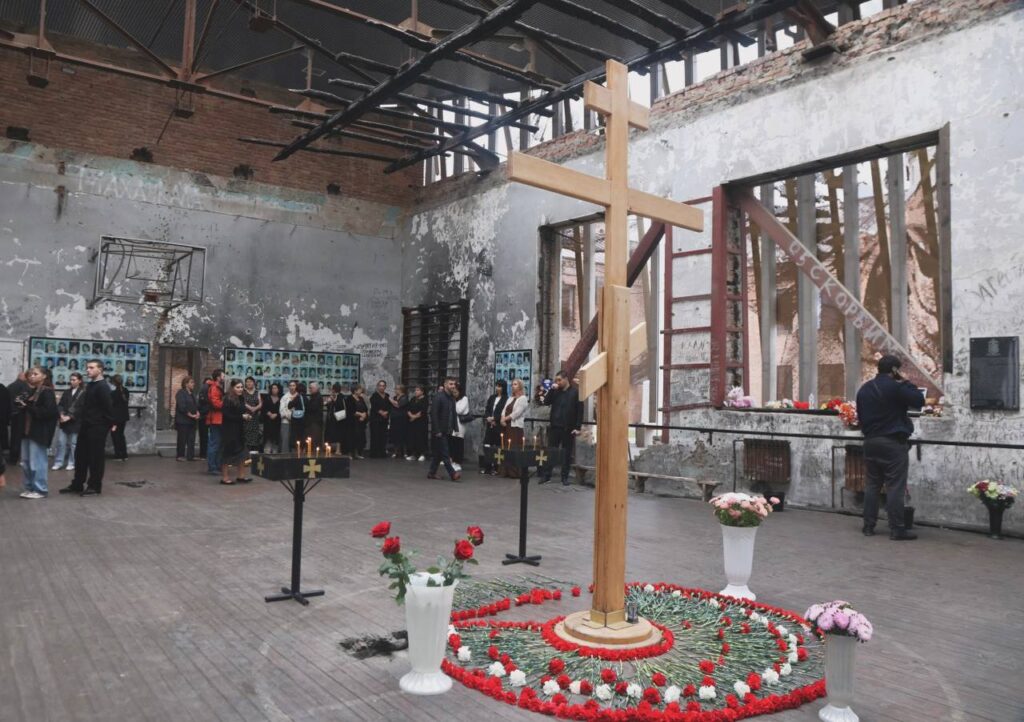
22 года спустя
On 1 September 2026, the Mothers of Beslan public organisation held its annual press conference.
The organisation’s leader, Susanna Dudiyeva, reported some progress in the criminal investigation, which she said had been made possible following a meeting with Russian President Vladimir Putin two years ago, when he visited Beslan ahead of the 20th anniversary of the attack. According to Dudiyeva, Putin subsequently issued instructions to the head of Russia’s Investigative Committee, Alexander Bastrykin.
Dudiyeva told the press conference that investigators had established that there were in fact more than 32 militants and that the criminal case remained open because not all of those killed had been identified. In particular, investigators have been unable to identify one of them, a Saudi national, as the Saudi authorities have not been cooperating with Russian investigators.
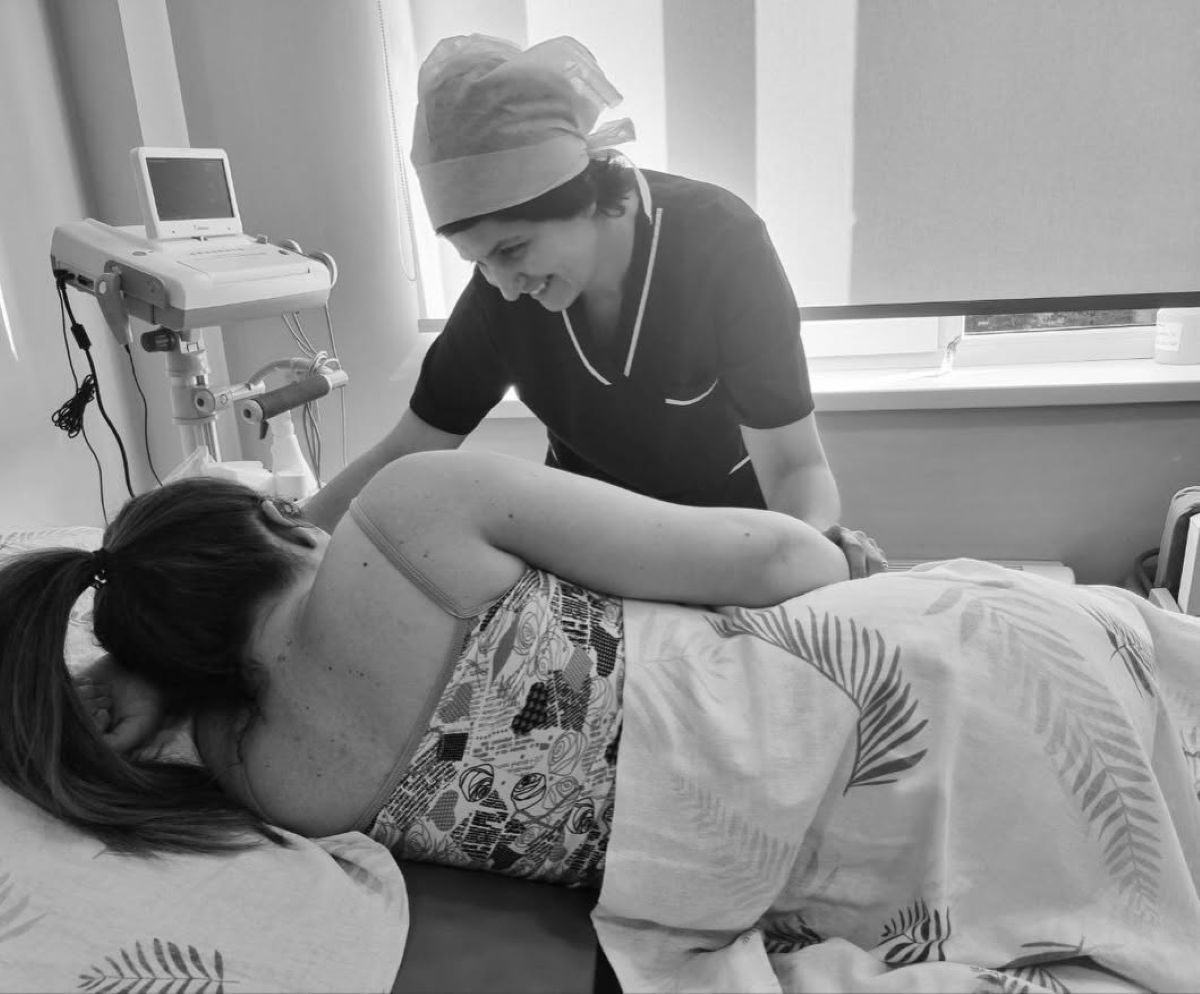
The health of former hostages was one of the main issues discussed at the press conference. The Mothers of Beslan committee has successfully campaigned for victims of the attack and their relatives to receive regular social and medical assistance. A comprehensive rehabilitation programme for those affected by the attack has been extended until 2030, while funding for their medical treatment has been increased.
“I would say that rehabilitation at health resorts is going well. There are some problems and some issues, but they can all be resolved. It is particularly encouraging that the children of former hostages who were born after the attack are now also receiving rehabilitation. Almost no other victims of terrorist attacks in Russia have access to this kind of rehabilitation,” Susanna Dudiyeva said.
The question of granting victims an official legal status remains a pressing issue. The adoption of relevant legislation would open up significant new opportunities to provide support to survivors and even their children.
Elvira Tuayeva, a member of the Mothers of Beslan organisation, said the group would continue campaigning for a law establishing the legal status of victims of terrorist attacks, not only those affected by the Beslan siege but by all terrorist attacks that have taken place in Russia.