Armenia’s Anti-Corruption Commission did not open proceedings against Pashinyan






Commission rejects case against Pashinyan
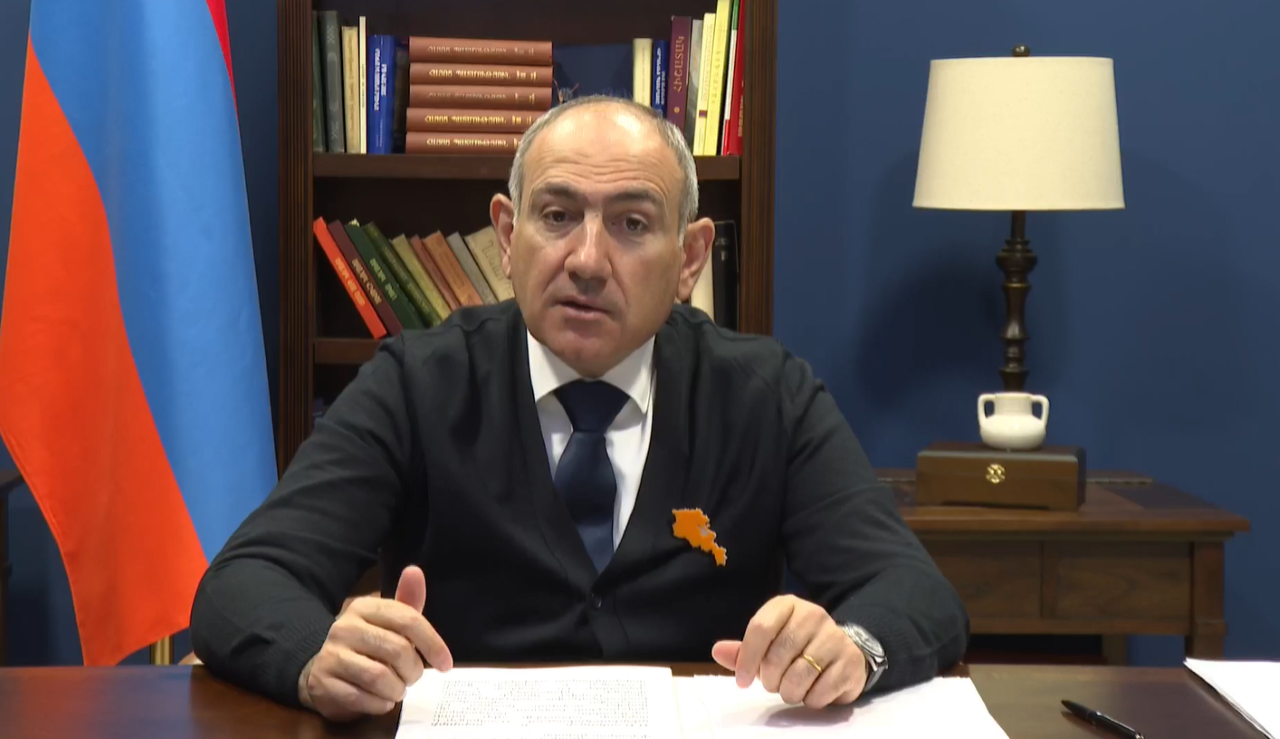
The Corruption Prevention Commission refused to open administrative proceedings against Armenian Prime Minister Nikol Pashinyan. Commission members said the complaint contained no “obvious signs of violations of the code of conduct”.
Semyon Babayan, head of the human rights NGO Public Informant, had asked the commission to assess the prime minister’s alleged “violations of the code of conduct”.
“Pashinyan’s public rhetoric and the wording he often uses grossly violate the legally established integrity system and the ethical standards that public officials must follow,” the applicant said.
He presented the commission with 11 such examples. One of them was the word “immoral”, which the prime minister used to describe the Catholicos of All Armenians.
According to the human rights activist, “it insults the feelings of believers and violates the requirement for religious neutrality”.
However, the commission found that the wording remained within the permissible limits of freedom of expression.
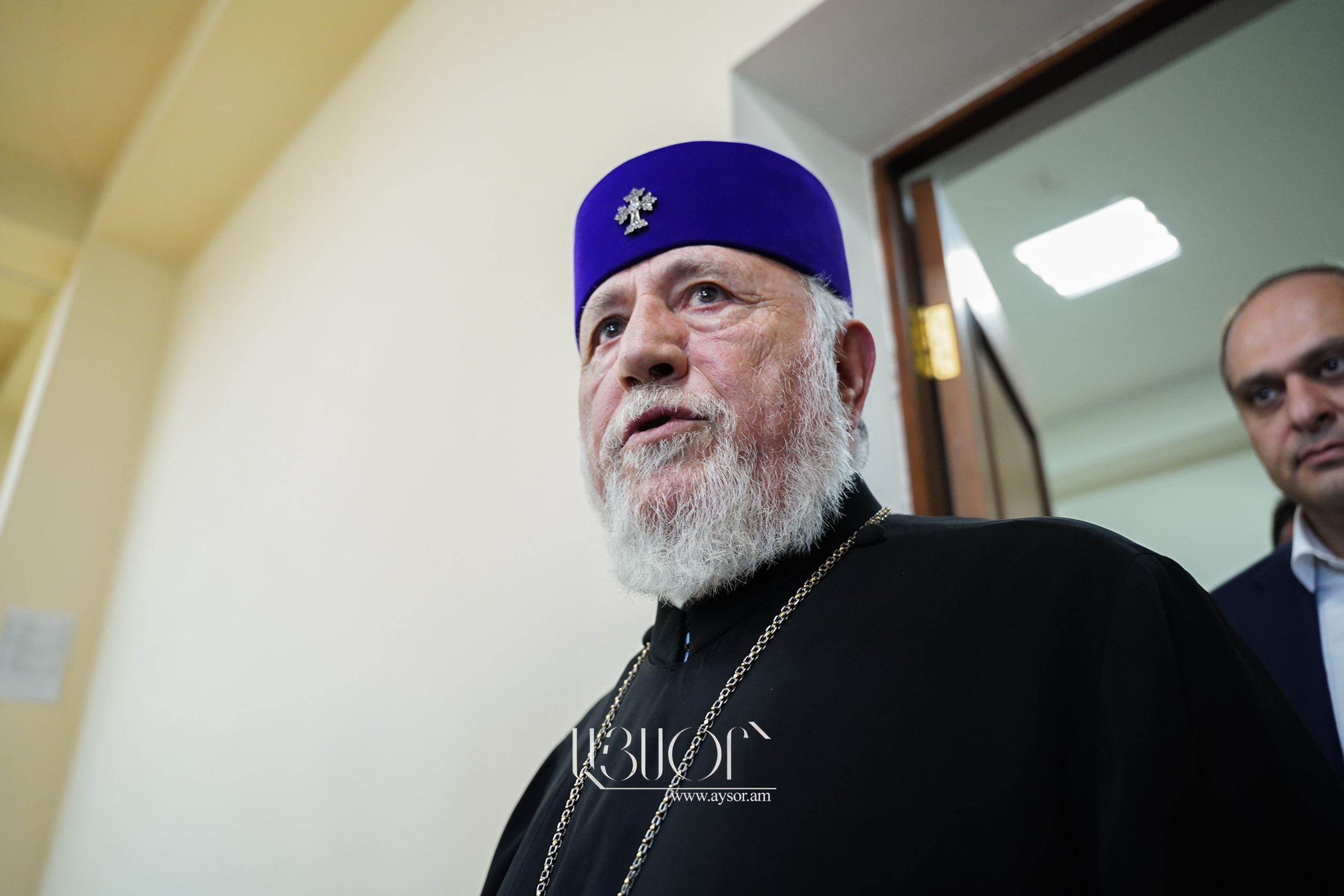
For a long time, Nikol Pashinyan has demanded that Catholicos of All Armenians Garegin II step down. He claims that the Catholicos has broken his vow of celibacy and has a daughter. The prime minister also believes that the Catholicos has links to foreign intelligence services and follows their orders.
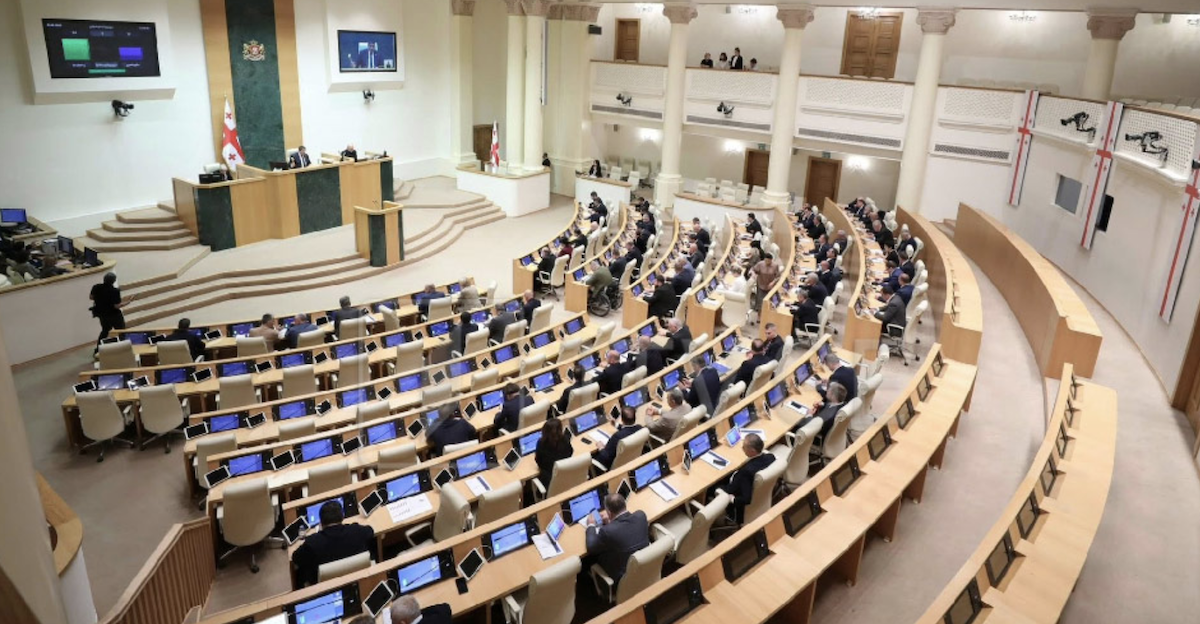
On 24 August, Nikol Pashinyan called the Catholicos “immoral” while speaking in parliament. He also referred to the Patriarch by his secular name, Ktrich Nersisyan. He has used this name for him since launching his campaign to reform the Church. In protest, opposition MPs banged on their desks every time the Catholicos’s name was mentioned.
“Your Catholicos is immoral. If you are not bothered by the fact that the man who heads the Mother See is sexually active, then keep banging your desks as much as you like. There is no other way to have a child — even in the Church. There is only one way to have a child: sexual intercourse,” Pashinyan said.
- Armenia’s new parliament: balance of power, tools of government and opposition’s dead end
- ‘From crisis management to stability’: Pashinyan unveils new government programme
- ‘Regional stability is main achievement’: assessing Washington peace summit one year on
Commission says the word “immoral” falls within the bounds of political speech
The commission commented on the use of the word “immoral” against the Catholicos, citing case law from the European Court of Human Rights. It stressed that political speech enjoys a broader scope of protection.
Commission members assessed the prime minister’s wording as falling within what is permissible in the context of political debate:
“The use of exaggeration, generalisations and even shocking or striking expressions is characteristic of political speech during political debates — in this case, a speech delivered from the parliamentary rostrum.”
They also noted that, according to the European Court of Human Rights, freedom of expression covers not only positive and favourable statements, but also those that may “offend, shock or disturb”.
The Corruption Prevention Commission therefore concluded that the prime minister’s statement should be considered in the broader context of political debate.
The decision also gives the meaning of the Armenian word “պիղծ”, which Pashinyan used, citing academician Eduard Aghayan’s Explanatory Dictionary of the Modern Armenian Language. It notes that the word primarily means “unclean, immoral, vicious”, while in a religious context it means “heretical, unacceptable, ungodly”.
As for the statement “your Patriarch is immoral”, commission members found no attack on the faith or a religious group. In their view, Pashinyan made an “assessment of the alleged conduct” of a specific member of the clergy:
“Pashinyan’s statement sought to criticise not the person, but a specific phenomenon — namely, the alleged violation of the vow of celibacy.”
The commission also stressed that the word “immoral” carries a negative connotation but “does not cross the line into vulgarity or profanity”. Its members also found no calls for violence or threats in Pashinyan’s speech.
According to the decision, the prime minister’s speech was “predominantly critical in nature, as is characteristic of political debate”.
What other violations did the human rights activist identify?
Semyon Babayan also told the commission about 10 other “serious violations” that he believes the prime minister had committed:
“Violation of the principle of separation of powers: a public statement that ‘there is no judge who would not do what I tell them to do’, which directly undermines the independence of the judiciary and trust in democratic institutions.
Use of offensive language: using crude, street-level rhetoric in public against opponents or citizens — conduct that is clearly incompatible with the ethics expected of a senior public official.
Unsubstantiated assessments and ‘back-of-the-envelope estimates’: arbitrarily citing percentages related to corruption and bribery, such as 70% or 100%, without referring to official or verified factual data.
Erosion of public trust: using threats and divisive rhetoric from a high state platform, which contributes to the spread of intolerance.
Threats to ‘smear [people] across the asphalt’: publicly calling for the use of force in a personalised and punitive manner, outside the framework of legal procedures.
The phrase ‘whimpering judges’: humiliating members of the judiciary and systematically discrediting the institution.
Statements that citizens would be ‘brought to their knees’ because of their political views: entrenching a culture of communication based on force and a commanding tone that is unbecoming of a statesman.
Segregation of fellow citizens by labelling them ‘persons of Armenian origin’: violating the principle of national unity and artificially dividing society.
Showing preferential treatment towards members of his own team: violating the principle of equal integrity standards for the sake of political expediency.
Erosion of the integrity and image of a public official: maintaining a marginal, sarcastic and aggressive tone in public debate, undermining the duty of a public official to set an example of appropriate conduct.”
The commission found no signs of an obvious violation in any of the examples cited.
Commission rejects case against Pashinyan