'An example of shadow justice': another letter from jailed former Georgian prime minister Garibashvili


New letter from Georgia’s former prime minister in prison
Former Georgian prime minister Irakli Garibashvili, who is currently in prison, has described the decision to hold his trial behind closed doors as an example of “shadow justice” driven by fear.
In another letter sent from prison – probably his tenth – the politician, who served two terms as prime minister, again speaks of political persecution, selective justice and discrimination against him.
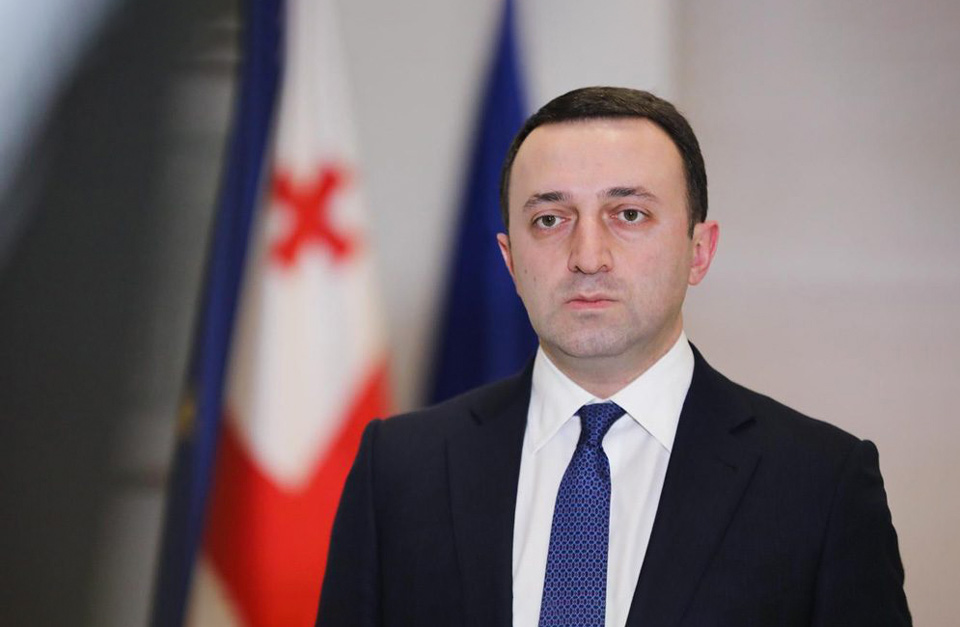
“‘This is a violation. Cases involving other individuals, whether in the same context or over similar charges, have generally been heard in open court. My trial, however, is taking place behind closed doors. This shows that the procedure is being used not to uphold the rule of law, but as an instrument of selective justice. It is a clear example of “shadow justice” and an attempt to prevent public scrutiny,’ Garibashvili writes.
The former prime minister says he intended to use the court hearings to speak about the pressure he had faced and the political persecution he had experienced.
“‘The authorities have made this decision out of fear, seeking to keep the proceedings shrouded in “darkness”. I want to make this clear: I have nothing to hide. That is why I insist that the trial be open and brought into the “light”.’
In another statement, Garibashvili recalls telling the judge at the previous hearing that he had faced psychological pressure and blackmail. He describes it as ‘psychological terror, torture, moral suffering and interference in political activity’.
The former prime minister claims that the defence was not allowed to submit to the court a letter containing threats and blackmail that he had received. His lawyers were also denied access to some of the case materials.
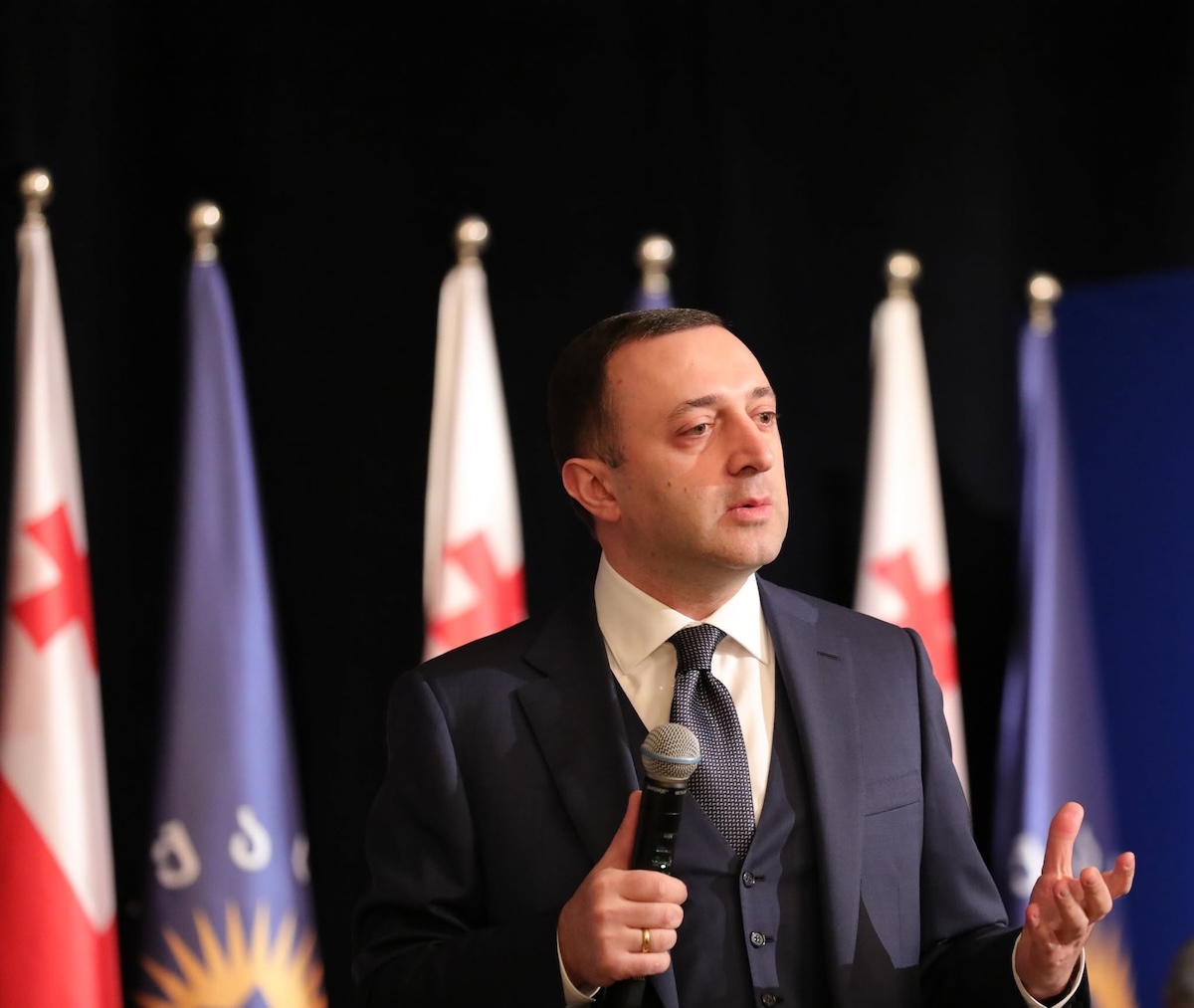
Garibashvili writes that the prosecutor’s office failed to launch an investigation, despite receiving information from him about possible signs of a crime. He says the opposite happened: authorities brought new charges against him in line with the ultimatum mentioned in his letter.
Garibashvili also alleges violations of Articles 3, 6 and 18 of the European Convention on Human Rights. These articles concern, respectively, the prohibition of torture and inhuman or degrading treatment, the right to a fair trial, and the limits on the use of restrictions on rights. The former prime minister claims that, taken together, these rights have been violated in his case.
Why is the trial being held behind closed doors?
On 2 November, the Tbilisi City Court began hearing the bribery case against Irakli Garibashvili on its merits. It was the first hearing that the former prime minister attended in person.
At the start of the hearing, he stressed the importance of an open and transparent trial and opposed holding the proceedings behind closed doors.
The prosecution asked the court to hold the hearing in private. It argued that the case involved classified procurement by the Ministry of Defence, required the questioning of other senior officials and contained personal data.
The defence objected, pointing out that courts had previously heard similar cases in public. Judge Tamar Mchedlishvili ultimately ruled that the hearing should take place behind closed doors.
Garibashvili’s letters from prison
Irakli Garibashvili, once a favourite of Georgian Dream’s honorary chairman and oligarch Bidzina Ivanishvili, was arrested in the courtroom on 12 January 2026.
For several months after his arrest, the former prime minister and his family remained silent and made no comments to the media.
On 17 August, the former prime minister sent his first letter from prison. It marked his first major public statement, in which he accused Bidzina Ivanishvili and the government of blackmail. “They left me no other choice; I have no option but to fight,” Garibashvili wrote.
According to the letter, he had been offered a deal: if he pleaded guilty to a new corruption charge, authorities would release him on condition that he never return to politics.
More letters followed.
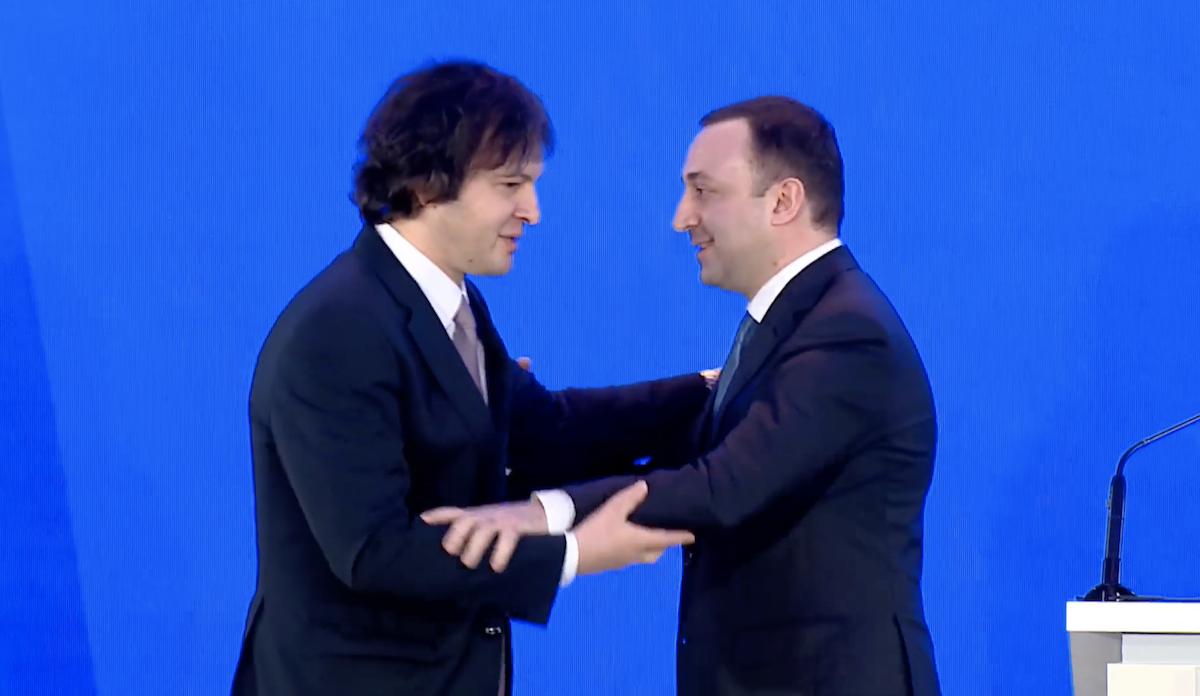
In his subsequent letters, the former prime minister gradually shifted from a defensive stance to making political statements. He accused several senior officials, including Prime Minister Irakli Kobakhidze, of orchestrating a political vendetta against him.
He also referred to more serious offences, including cases in which people had been driven to suicide. In addition, he said he had no intention of returning to politics.
In one of his most recent letters, he even reflected on his time in office.
Criminal cases against the former prime minister
Irakli Garibashvili currently faces charges in two criminal cases.
In the first, prosecutors charged him with laundering a particularly large amount of illicit income. On 12 January 2026, he pleaded guilty and reached a plea bargain with the prosecutor’s office. The court sentenced him to five years in prison and fined him one million lari.
In the second case, prosecutors accuse the former prime minister of accepting a particularly large bribe. According to the prosecution, Garibashvili received 750,000 lari in connection with classified procurement by the Ministry of Defence.
The case is linked to the criminal proceedings against former Defence Minister Juansher Burchuladze. Garibashvili denies the charges and describes them as politically motivated.
Harsh prison conditions
Irakli Garibashvili and his family have repeatedly spoken about the harsh conditions of his imprisonment. On 7 November, his brother-in-law, Lekso Tamazashvili, said that the former prime minister had seen his children only twice in the past 11 months.
He called on the Special Penitentiary Service to show compassion and allow the children to see their father.
Meanwhile, Garibashvili’s lawyer, Lili Gelashvili, said that authorities had cancelled a planned meeting between her client and his children. She linked the decision to the publication of letters Garibashvili had written in prison.
The Special Penitentiary Service rejected the lawyer’s claims. According to the agency, Garibashvili had already used all the visits allowed under the law, including two extended visits and standard short-term meetings.
The service explained that authorities treat any additional visits as a form of reward, and the head of the correctional facility has discretion over whether to grant them.
The agency also said that no additional visit had ever been scheduled, so there could have been no cancellation. The issue of restrictions on visits with his children first became public in late August. The circumstances were similar then: authorities cancelled a planned meeting between Garibashvili and his family, although the Penitentiary Service denied the report at the time.
New letter from Georgia’s former prime minister in prison