Baku says there is 'no war' with Armenia, yet Azerbaijan is allocating 20.8% of its state budget to defence and national security: what will money be spent on?


Azerbaijan’s defence budget
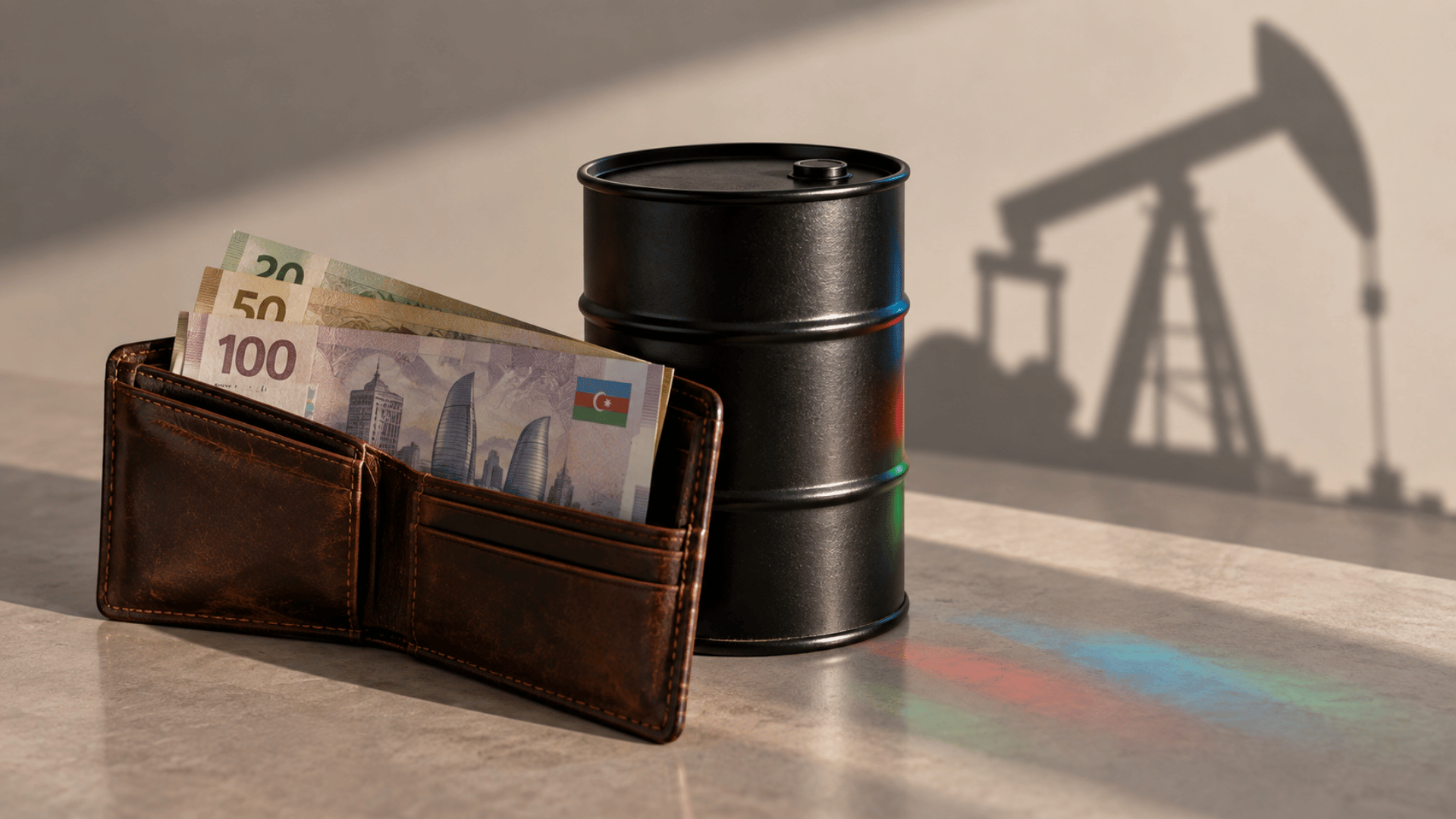
On 4 November, the Milli Majlis Committee on Economic Policy, Industry and Entrepreneurship discussed Azerbaijan’s draft state budget for 2027. The document allocates 8.816 billion manats (approximately $5.19 billion) to defence and national security, accounting for 20.8% of total budget expenditure.
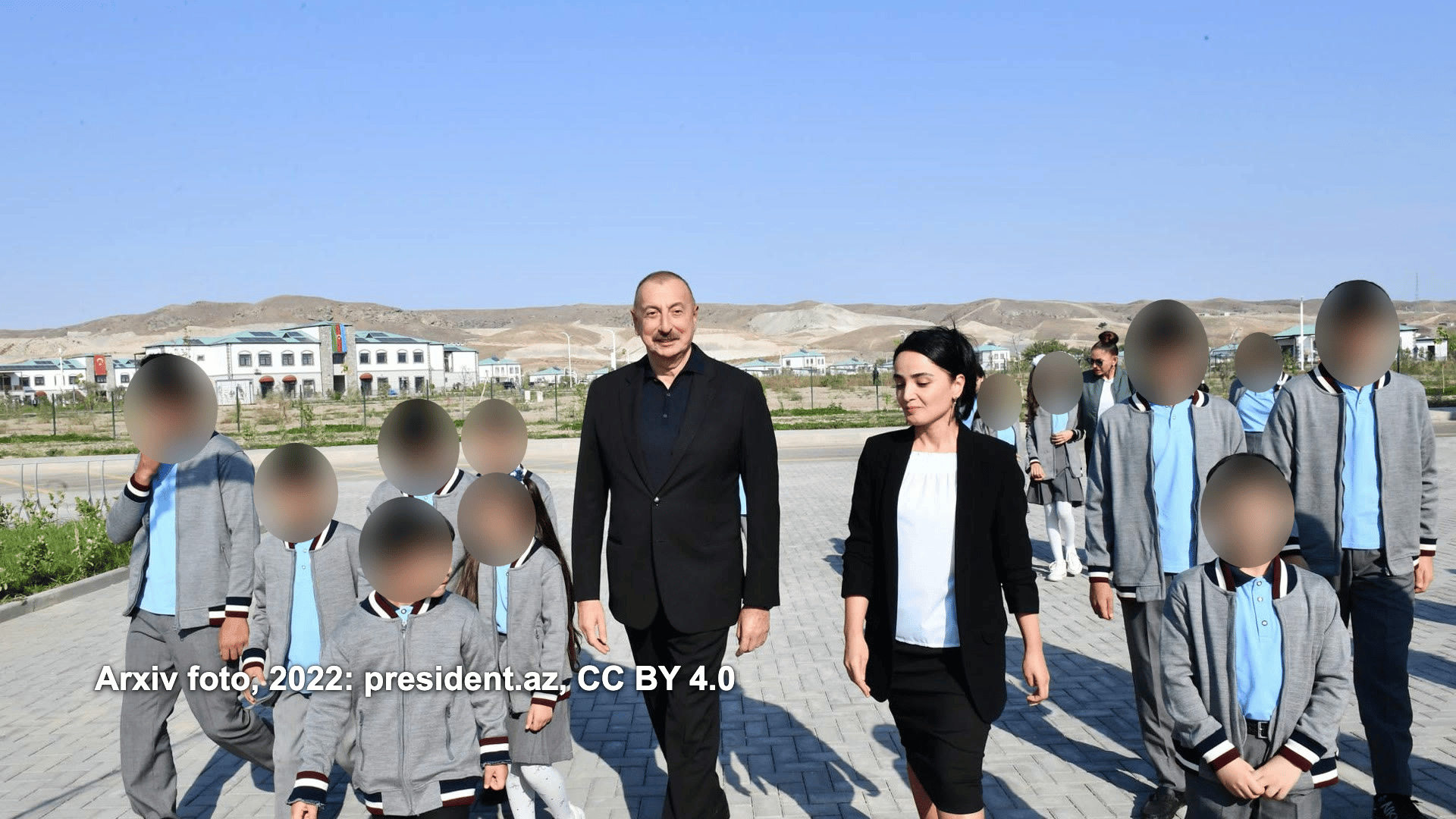
On 2 October, Azerbaijani President Ilham Aliyev told a congress of the ruling New Azerbaijan Party (YAP):
“Today, there is no conflict or war between Azerbaijan and Armenia. The situation along the border is calm.”
However, in the same speech, Aliyev described strengthening the country’s military capabilities as “one of the main tasks”. Azerbaijan and Armenia have yet to sign a peace agreement. Baku has made amendments to Armenia’s constitution a condition for signing one.
We reported on the revenue side of the budget in September. Now we turn to the other side of the equation:
If there is no war, why is one-fifth of the state budget going to defence and national security? And what do we know about its largest spending item?
What do the figures tell us?
In 2023, Azerbaijan spent 5.85 billion manats (approximately $3.45 billion) on defence and national security. The figure rose to 6.56 billion manats (approximately $3.86 billion) in 2024 and reached 8.07 billion manats (approximately $4.75 billion) in 2025. The 2026 budget allocated 8.72 billion manats (approximately $5.13 billion) to these areas, while the 2027 draft budget provides for 8.82 billion manats (approximately $5.19 billion).
Over four years, spending has increased by roughly 50%, although the rate of growth is slowing. In 2025, the increase stood at 23%, while the government forecasts growth of just 1.1% in 2027. Meanwhile, an earlier medium-term government plan projected a reduction in defence and national security spending to 7.97 billion manats (approximately $4.7 billion) by 2030.
Despite the slower growth, spending remains substantial. In 2027, defence and national security will rank as the second-largest item in the state budget, after economic activity. The government plans to allocate 5.1 billion manats (approximately $3 billion) to education and 2.08 billion manats (approximately $1.23 billion) to healthcare. Combined, spending on these two sectors will be 1.6 billion manats (approximately $942 million) lower than the allocation for defence and national security.
Per capita, defence and national security spending will amount to around 858 manats (approximately $505), compared with just 203 manats (approximately $120) for healthcare. Meanwhile, state budget expenditure will exceed revenue by 3.15 billion manats (approximately $1.85 billion).
The same pattern can be seen in 2026. According to the Finance Ministry, the government allocated 5.25 billion manats (approximately $3.09 billion) to defence and national security in January–September, compared with 3.12 billion manats (approximately $1.84 billion) for education and 954 million manats (approximately $562 million) for healthcare.
High military spending is not unique to Azerbaijan. According to a report by the Stockholm International Peace Research Institute (SIPRI), military expenditure accounted for 6.5% of Azerbaijan’s GDP in 2025 and 6.1% of Armenia’s. The global average stood at 2.5%. Azerbaijan and Armenia ranked sixth and seventh worldwide, respectively, by military spending as a share of GDP. In terms of the increase in this indicator, Azerbaijan ranked second after Ukraine, with a rise of 1.4 percentage points.
Defence spending will rise from 2.99 billion manats (approximately $1.76 billion) in the 2026 budget to 3.37 billion manats (approximately $1.99 billion) in the 2027 draft. At the same time, funding for “special defence projects and measures” will fall from 4.5 billion to 4 billion manats (approximately $2.65 billion to $2.35 billion). Spending on national security will decrease from 520 million to 480 million manats (approximately $306 million to $282 million), while funding for the border service will increase from 540 million to 550 million manats (approximately $318 million to $323 million). Other expenditure will rise from 160 million to 410 million manats.
The largest allocation goes to “special defence projects and measures”. In 2025, Azerbaijan spent 4.58 billion manats (approximately $2.7 billion) on these projects, accounting for 57% of total defence and national security expenditure. For comparison, in 2023, according to Ziyafat Asgarov, chairman of the parliamentary defence committee, spending on this item reached 2.07 billion manats (approximately $1.22 billion), even after the government added another 1 billion manats (approximately $588.3 million) through a budget revision.
In 2027, this item’s share will fall to 45%, as funding for special defence projects decreases while spending on the armed forces rises by 12.7%. However, the government may revise the allocation during the year, as it did in 2023 following budget amendments.
The draft budget describes the purpose of this funding only in general terms: strengthening defence capabilities and providing the armed forces with equipment and supplies. It says the authorities allocate the money “in accordance with the assigned tasks and signed contracts”.
In the Finance Ministry’s 2026 “Budget for Citizens” document, the government classifies funding for these projects as capital expenditure. The allocated 4.5 billion manats exceed the amount earmarked for the reconstruction of Karabakh and Eastern Zangazur (approximately $2.06 billion) by 1.3 times. They also amount to almost ten times the spending on targeted social assistance (approximately $273.5 million).
However, the 2026 budget law provides no detailed breakdown of this spending category. The document does not identify the contracts involved, the suppliers or the types of weapons the government plans to purchase. By comparison, the “Budget for Citizens” separately lists 35 million manats (approximately $20.6 million) for military personnel’s housing and 15.5 million manats (approximately $9.1 million) to compensate them for rental costs. In 2027, the combined allocation for these two items will fall from 50.5 million to 29.7 million manats (approximately $29.7 million to $17.5 million).
Many countries classify details of military procurement as secret. However, media outlets sometimes report on individual contracts. For example, in October, Israeli company Elbit Systems announced a $235 million contract to supply multiple-launch rocket systems, but did not disclose the buyer. Israeli publication Calcalist reported that Azerbaijan had placed the order, although the company did not confirm this information. Media reports put the cost of Azerbaijan’s purchase of JF-17 fighter jets from Pakistan at $1.6 billion.
Thus, almost a tenth of the state budget goes towards a single spending category whose detailed breakdown remains closed to the public.
How do the authorities justify this spending?
In September, Prime Minister Ali Asadov said that defence and national security spending would remain “as always” one of the largest items in the budget. He also noted that 44% of budget expenditure served social purposes.
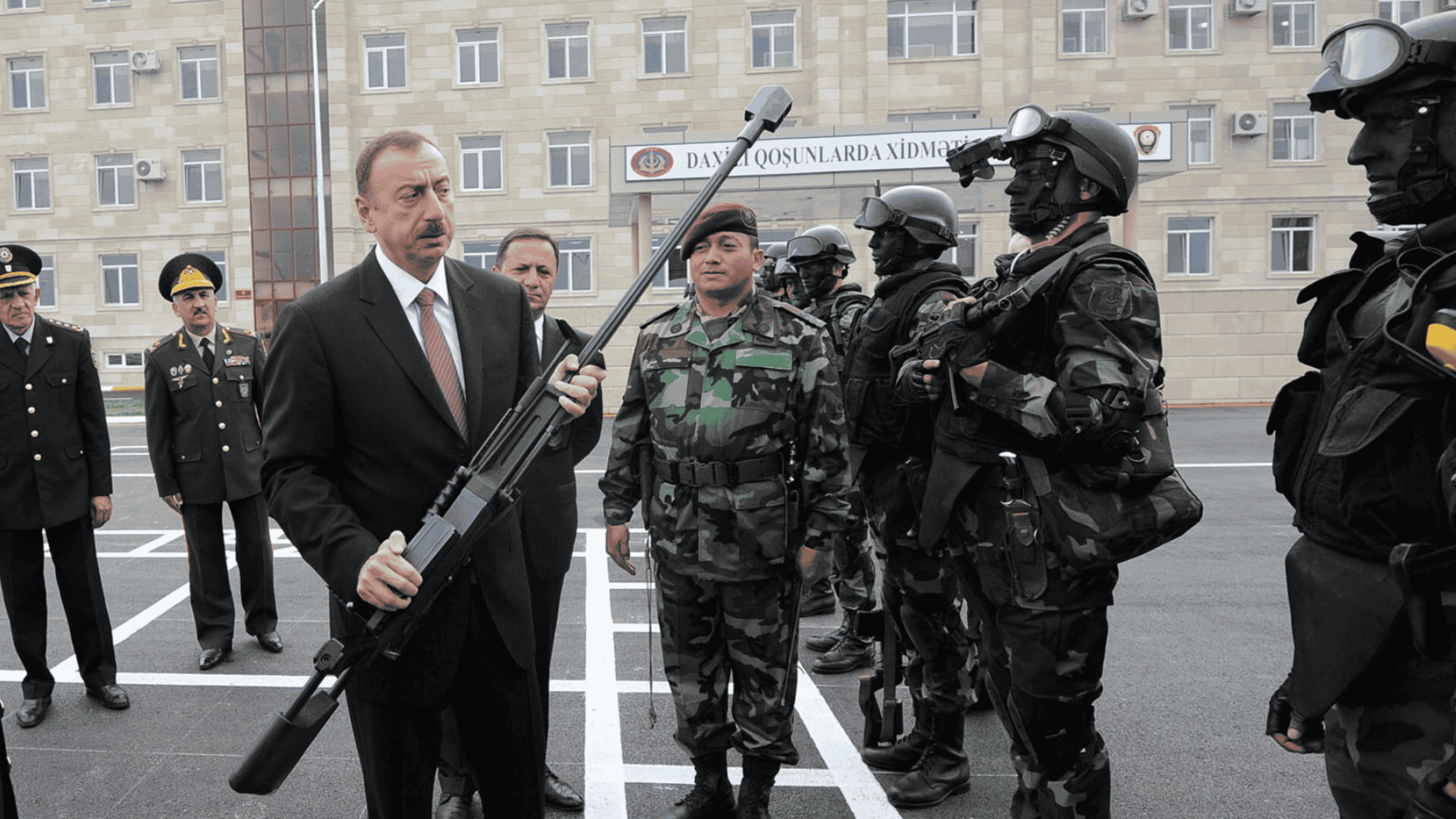
President Ilham Aliyev cited two reasons why Azerbaijan needs to strengthen its military capabilities. The first concerns Armenia. Despite the initialling of a peace agreement and the start of trade between the two countries, Aliyev referred to historical events and said: “…we must remain vigilant and be ten times stronger than them at all times, every single day.”
The second reason, he said, involves wars and conflicts in neighbouring regions. According to Aliyev, new sources of conflict are emerging “in the North, in the South and in the Middle East”, while no international mechanisms exist to stop them. The president therefore believes Azerbaijan must have enough military power to ensure that “no one would even think of staging any provocation against Azerbaijan”.
Aliyev acknowledged that the country also had “other needs”, including the reconstruction of Karabakh and improving people’s living standards. However, he added: “But if we cannot defend ourselves, then every other project we undertake will lose all meaning.”
Economist Khalid Kerimli shares a similar view: “We cannot expect stability in this area for now. On the contrary, tensions are likely to increase.”
What does “ten times stronger” mean in figures?
Armenia’s draft 2027 budget allocates approximately 616.5 billion drams, or around $1.7 billion, to its Defence Ministry. This represents a 9.5% increase on 2026, when the government cut the defence budget to 563 billion drams. The allocation will therefore almost return to its 2025 level. Azerbaijan, meanwhile, plans to spend 8.8 billion manats, or around $5.2 billion, on defence and national security.
Azerbaijan’s allocation is therefore roughly three times larger than Armenia’s. However, the Azerbaijani figure also includes spending on national security and the border service.
Armenian political analyst Suren Surenyants believes that Baku wants to consolidate the political gains it made through its military superiority, as the current balance of power cannot last indefinitely. At the same time, he says there is not yet sufficient evidence to conclude that Azerbaijan is preparing for another military escalation.
Despite the initialling of a peace agreement, neither country plans to reduce military spending in 2027. Armenia will increase its allocation by 9.5%, while Azerbaijan will raise its spending by 1.1%.
Will signing a peace agreement lead to lower military spending? Aliyev’s words following his statement about the need to be “ten times stronger” suggest the opposite: “It will remain as it is today, tomorrow as well.”
After parliamentary committees review the draft budget, the Milli Majlis will debate it in a plenary session. The 2026 budget law did not provide a detailed breakdown of the 4.5 billion manats allocated to “special defence projects and measures”.

Azerbaijan’s defence budget