Baku conference on missing persons: 'Armenia has not responded to Azerbaijan's DNA proposal'






Missing persons from the Karabakh conflict
An international conference on missing persons in Baku heard that Azerbaijan has returned the remains of more than 2,000 Armenian soldiers to Armenia and proposed creating a joint DNA database.
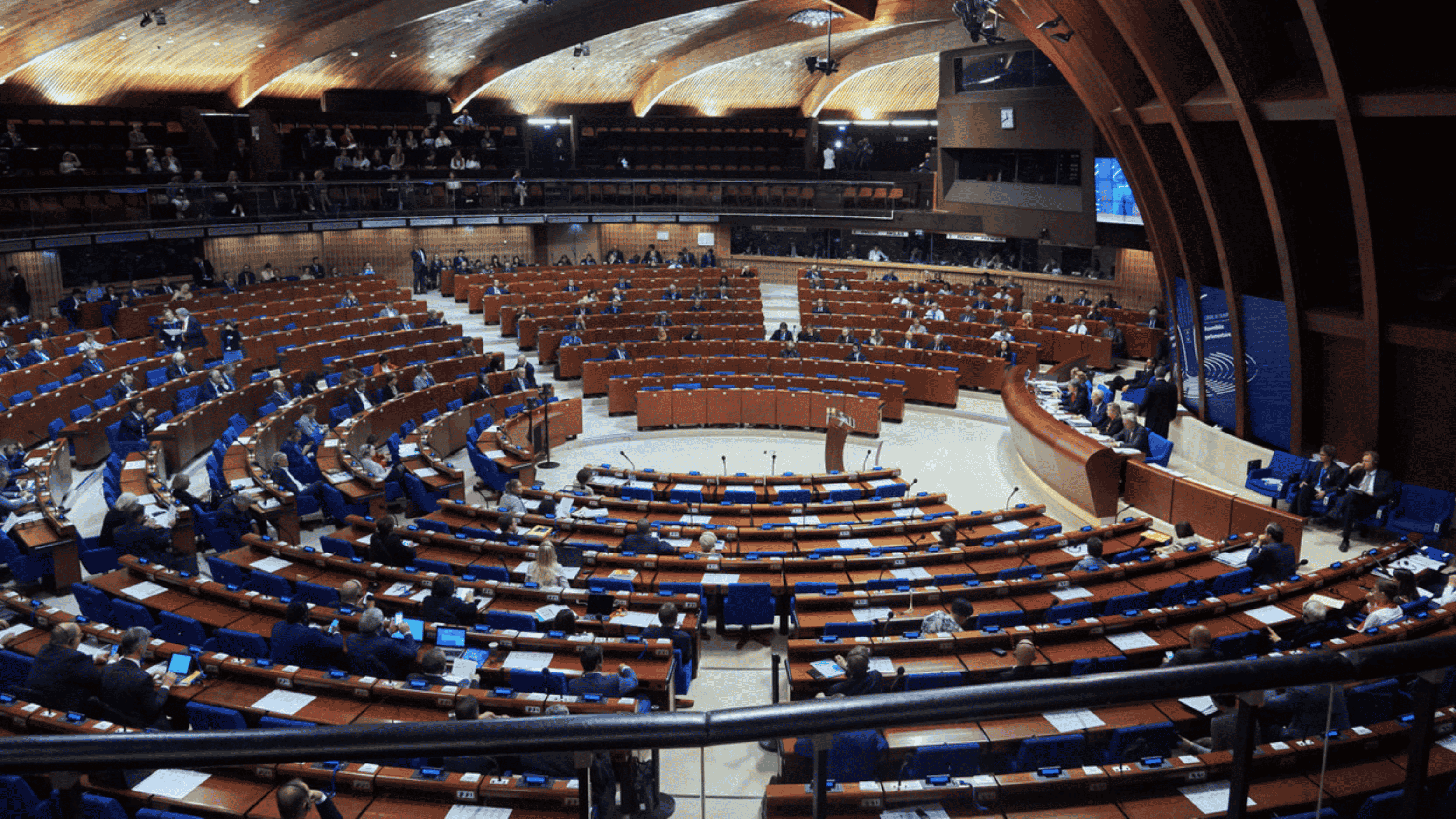
On 30 June, Baku hosted the international conference Modern Approaches to Addressing the Issue of Missing Persons and Strengthening Cooperation. Azerbaijan’s State Commission on Prisoners of War, Hostages and Missing Persons organised the event jointly with the International Commission on Missing Persons (ICMP). ICMP Director-General Kathryne Bomberger attended the conference and delivered a speech.
Bomberger welcomed the progress in the peace process between Baku and Yerevan, stressing its importance for establishing the fate of missing persons. She also praised Azerbaijan’s efforts to modernise the relevant legislation.
Bomberger recalled that international law requires states to investigate the fate of missing persons, ensure families’ right to know the truth, and uphold their rights to justice and compensation. She stressed the importance of involving families, particularly women and children, in the process and said the ICMP stood ready to assist both Azerbaijan and Armenia in addressing the issue.
Cooperation with Armenia
In statements made during and after the conference, Azerbaijani officials said they remained ready to cooperate with Armenia but had not received a reciprocal response.
Lieutenant General Sharafat Hasanov, Deputy Head of Azerbaijan’s State Security Service, said the country was “open to cooperation with the whole world” and “ready to cooperate with the Armenian side in this area”. However, he added that Armenia had not provided any additional information.
Jeyhun Rzayev, a member of the State Commission’s working group, said the first meeting with Armenian counterparts took place in February 2025.
“The Azerbaijani side provided the other side with relevant information on Azerbaijani citizens who went missing during the First Karabakh War. At the same time, in order to help establish the fate of missing persons of Armenian origin, Azerbaijan proposed that Armenia provide DNA profiles collected from their family members. The two sides continued their contacts online and by telephone.
Although the other side said it would examine the materials and provide Azerbaijan with the relevant information, it has not submitted any information so far.”
State Commission Secretary Ghazanfar Ahmadov said Azerbaijan plans to acquire specialised ground-penetrating radar systems in 2027. He described the move as a technical step aimed at making search operations faster, more efficient and more accurate.
Increasing international attention and openness to cooperation
Azerbaijani officials described the conference as part of the country’s long-term efforts to address the issue of missing persons. One of the event’s main speakers, Lieutenant General Sharafat Hasanov, outlined Azerbaijan’s position in his address and subsequent comments.
Hasanov said Azerbaijan continued working to draw greater international attention to the issue of missing persons. He noted that Baku had hosted several international events on the subject since 2023, and that the outcomes of previous conferences had been circulated as official documents of the UN General Assembly and the UN Security Council. According to Hasanov, the latest conference would help strengthen international cooperation.
The Azerbaijani authorities view the International Commission on Missing Persons (ICMP) as the leading international organisation specialising in the search for and identification of missing persons. Hasanov said he hoped that focused, consistent and effective cooperation with the ICMP would create new opportunities to establish the fate of missing Azerbaijani citizens.

Remains of more than 2,000 Armenian soldiers returned
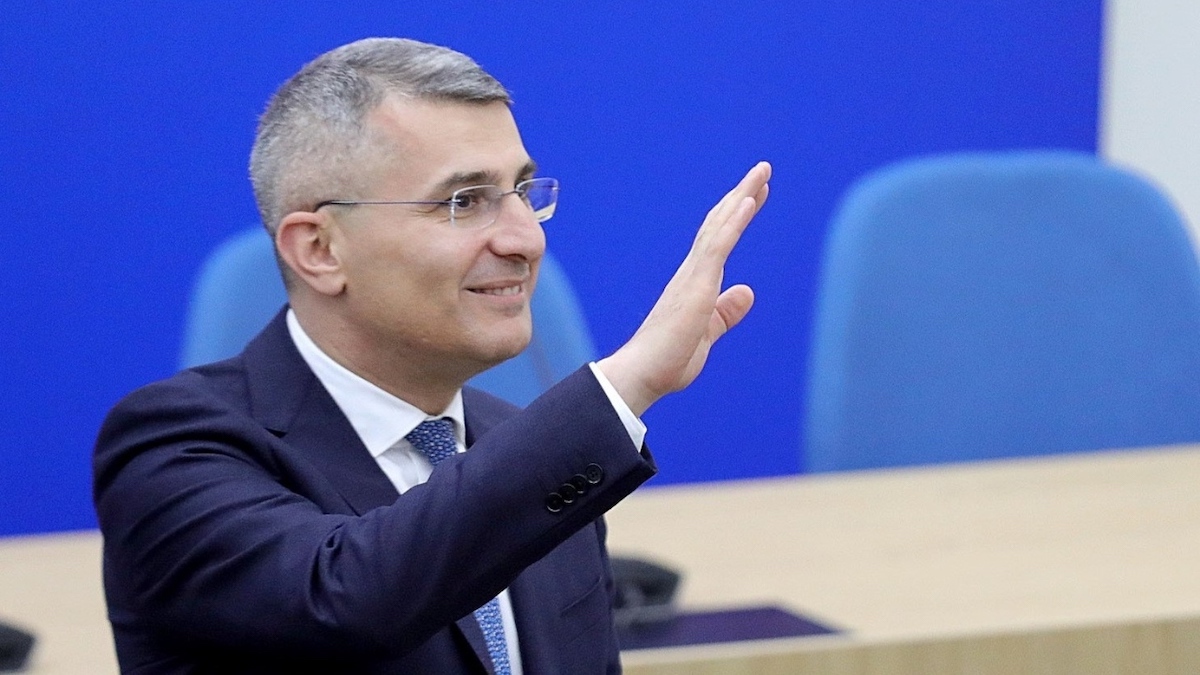
Azerbaijan’s Deputy Foreign Minister Elnur Mammadov said Azerbaijan has returned the remains of more than 2,000 Armenian soldiers recovered from former battlefields since November 2020.
Mammadov said the returns reflected humanitarian principles and were free from any spirit of revenge. He described resolving the issue of missing persons as an essential element of achieving lasting peace. He added that search operations had taken place in difficult weather conditions and amid a high risk from landmines. Mammadov also said Azerbaijan remained committed to international humanitarian law, including the 1949 Geneva Conventions and their Additional Protocols.
Conference participants described the returns as a humanitarian gesture. They said each set of remains returned gave families an opportunity to end years of uncertainty. Speakers also stressed that such steps could help build confidence and support the peace process.
During the conference, the Azerbaijani side presented updated figures on its missing persons. As of 30 June 2026, the State Commission had registered 4,010 missing people, including 3,228 military personnel and 782 civilians. The civilian total includes 71 children, 288 women and 319 elderly people. According to the commission, the fate of about 3,683 people remains unknown.

Confidential information-sharing mechanism
The conference also unveiled a new initiative to create a joint database on missing persons between Armenia and Azerbaijan.
Kathryne Bomberger said:
“This is a model we developed in the context of the former Yugoslavia. Even years after the conflict, the governments of the countries in the region created a joint working group on missing persons, established a shared database of unresolved cases and exchange information through it.
We hope this database will produce similar results. It is an important tool for promoting cooperation and building peace.”
Under the new mechanism, citizens of both countries will be able to submit information confidentially about missing persons and possible burial sites. An information management system developed by the ICMP will bring together the available data. The system aims to simplify information-sharing and give more families the opportunity to learn the truth they are entitled to know.

Missing persons from the Karabakh conflict