'This will lead to cartel deals' – Opinion on measures to cut supermarket prices in Georgia






Former Georgian economy minister Giorgi Kobulia said plans by supermarket chains in the country to introduce an essential goods basket to lower prices could ultimately make the situation worse.

In a comment to Interpressnews, Giorgi Kobulia said that, under this approach, the government is effectively pushing businesses towards cartel agreements between producers.
On 2 May, the Georgian Retail Association, which represents the country’s largest retail chains, said its members had begun identifying products for inclusion in a “family basket” scheme. The aim is to apply special pricing to selected goods, with ongoing offers as part of companies’ social responsibility efforts. Several major supermarket chains later announced permanent discounts on certain items.
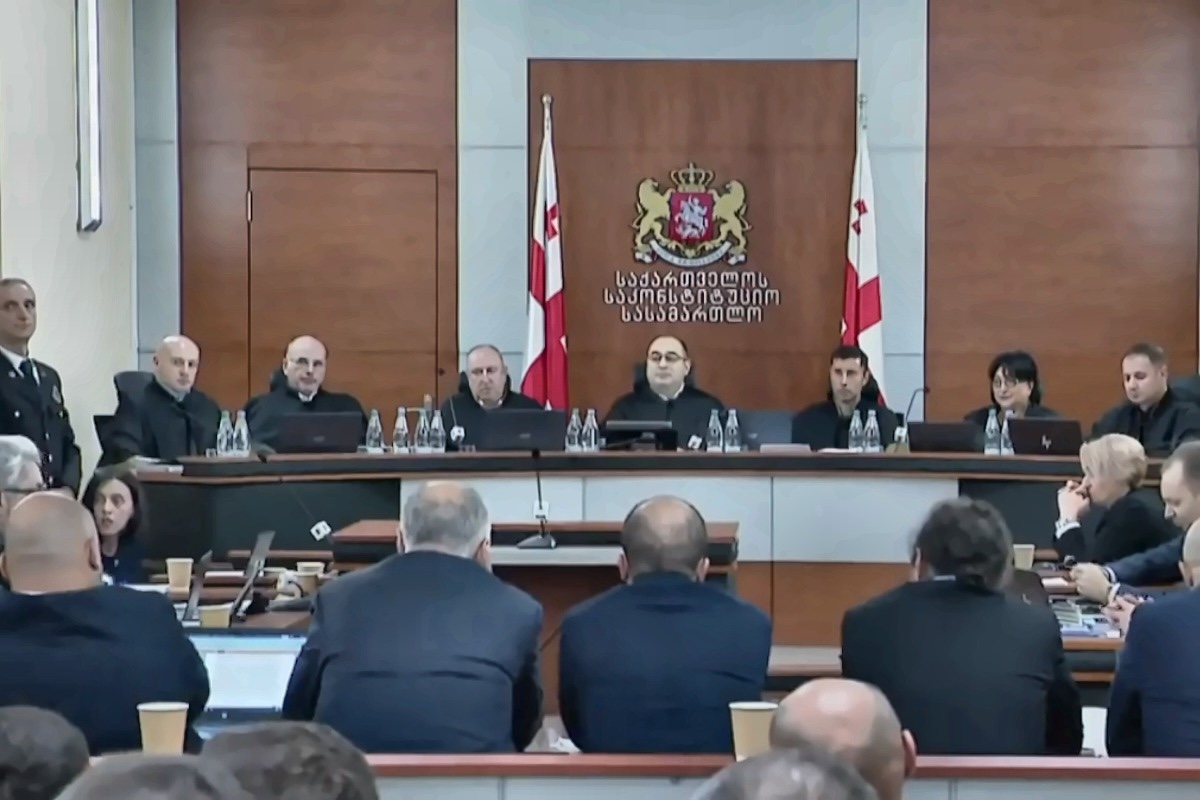
On 1 May, the Georgian parliament published the final report of a commission that examined prices for food, medicines and fuel. According to the commission’s chair, Shota Berekashvili, the recommendation is to avoid “aggressive intervention” in the food market.
Earlier, Prime Minister Irakli Kobakhidze said that in some cases food prices in Georgian supermarkets are significantly higher than in European countries. He suggested this may be due to high mark-ups and potential breaches of competition law, and called on law enforcement agencies to investigate.

“The creation of an essential food basket is harmful, absolute nonsense. How are they supposed to do this? What are we pushing them towards — cartel negotiations between producers? Agreements on which prices to raise and which to lower? After some time, the situation will become even worse than it is now. They will lower prices on some products and raise them on others, and in the end the average price will still increase.
The whole point of competition is that major players should not coordinate with each other. That is what the competition authority is supposed to monitor. If they establish a mechanism for negotiating among themselves, it will effectively become a single network able to set any prices it wants, because it will have been formally allowed and even structured. This is unthinkable.”

“This completely undermines the principle of competition and creates significant risks of non-competitive pricing for certain products. If producers or retail chains want to lower prices, they should simply do so. Why negotiate it with others? Let one lower prices, and the rest will follow. Why are negotiations needed?
It would also have been necessary to determine whether there is already price-fixing among market players. That is precisely the role of the competition authority. If it has not been established that there are privileged importers able to set prices at will, and if there is no collusion at the retail level, then that is the end of it — there is nothing more the state can do. Anything beyond that is either harmful, driven by a lack of competence, or simply a PR move. In reality, the authorities cannot do much, and any intervention risks making the situation even worse.”
Opinion on measures to cut prices in Georgia