Saturday march in Tbilisi highlights systemic problems in prisons. “Protests in Georgia” video podcast






Protest in Georgia over prison abuses
The 43rd pro-European “Saturday march” in Tbilisi, held on the evening of 10 October, aimed to draw attention to systemic problems in Georgia’s prisons, following several allegations of torture and abuse made by inmates over the past week.
Public outrage was sparked by a statement from prisoner Giorgi Davitadze, who accused staff at Rustavi Prison No. 6 of sexual abuse.
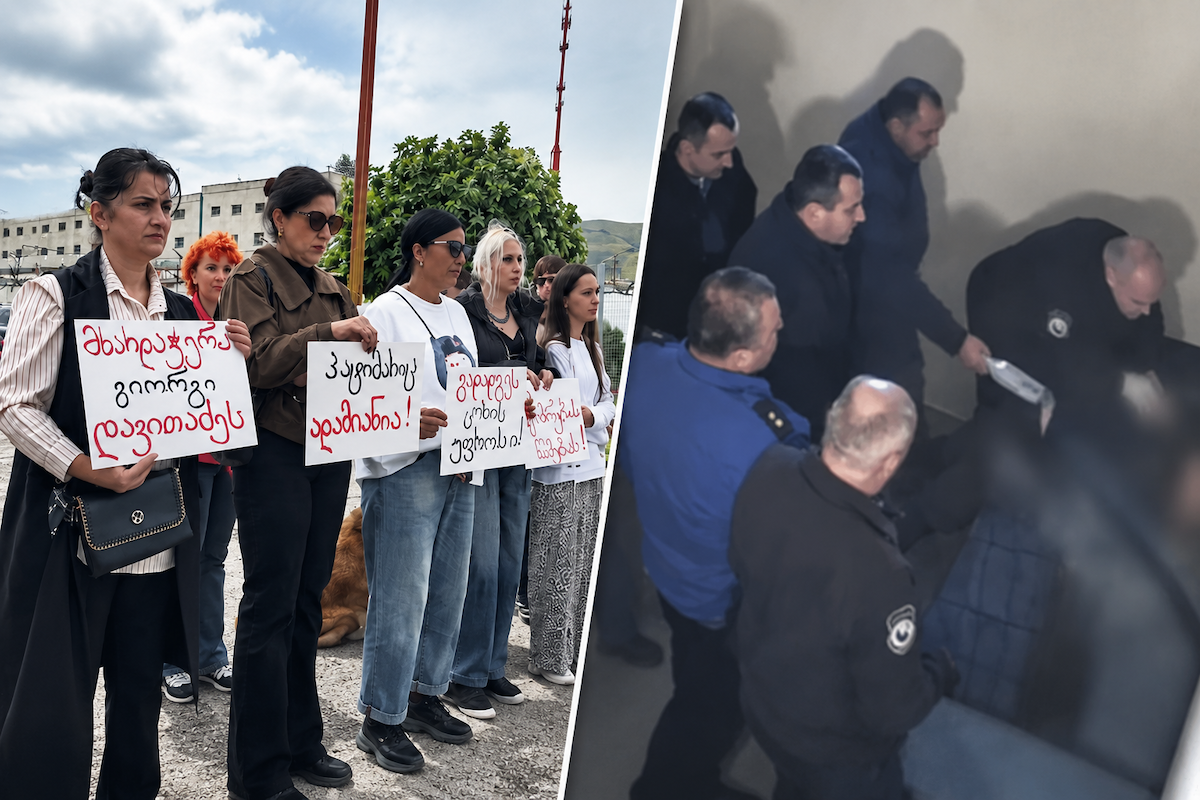
“Stop torturing prisoners!” hundreds of marchers chanted. Among them were members of Giorgi Davitadze’s family. His sister called on the public to show solidarity with prisoners who have fallen victim to the system.

The “Saturday marches” are part of an ongoing protest movement that has continued in Georgia for 682 days.
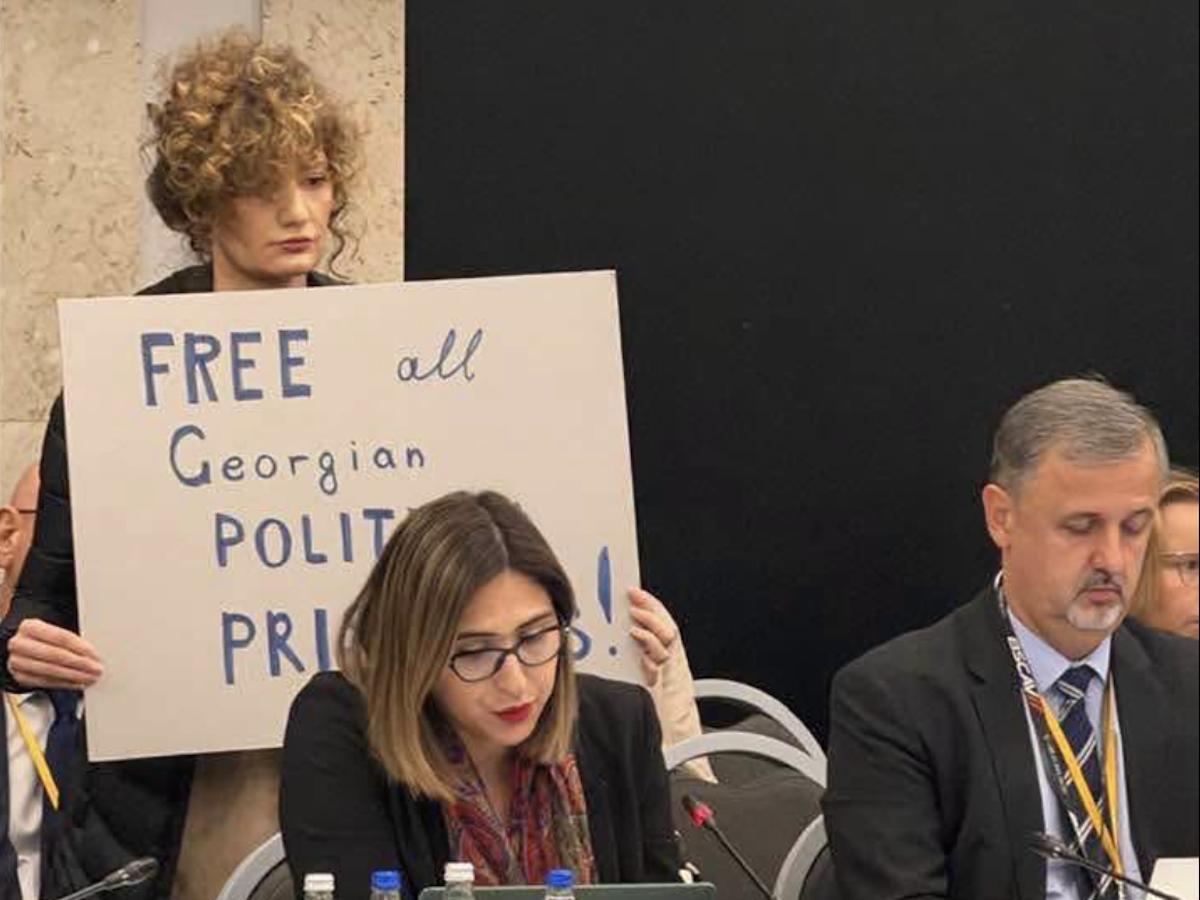
Protesters are demanding that Georgia return to the path of European integration and that all political prisoners be released. They are also calling for the repeal of all anti-democratic laws passed by the ruling Georgian Dream party over the past two years.
Protesters and opposition parties point out that part of Georgian society still does not recognise the results of the parliamentary election held in autumn 2024. They are calling for early parliamentary elections.
Over the course of nearly two years of protests, dozens of people have been arrested. Many have been charged with criminal offences and sentenced to prison.
For the first time in independent Georgia’s history, the country has around 150 prisoners of conscience, including women. Among them is Mzia Amaglobeli, founder of the independent media outlets Batumelebi and Netgazeti. She was sentenced to two years in prison for slapping a police officer.
The protests continue despite an intensifying crackdown on civil society and the media.
News in Georgia