'Economic development must not come at expense of sovereignty': Views on mountain resort project in Abkhazia


The president of Abkhazia has announced plans to begin construction of a mountain resort in the Aibga mountain range.
Aibga, however, is a 160 sq km territory whose border between Abkhazia and Russia has never been formally delimited.
After the collapse of the Soviet Union, one part of Aibga fell on the Russian side and the other on the Abkhaz side. The Psou River serves as the de facto boundary between them. Russia lays claim to the other part of the mountain range, a claim that Abkhazia firmly rejects.

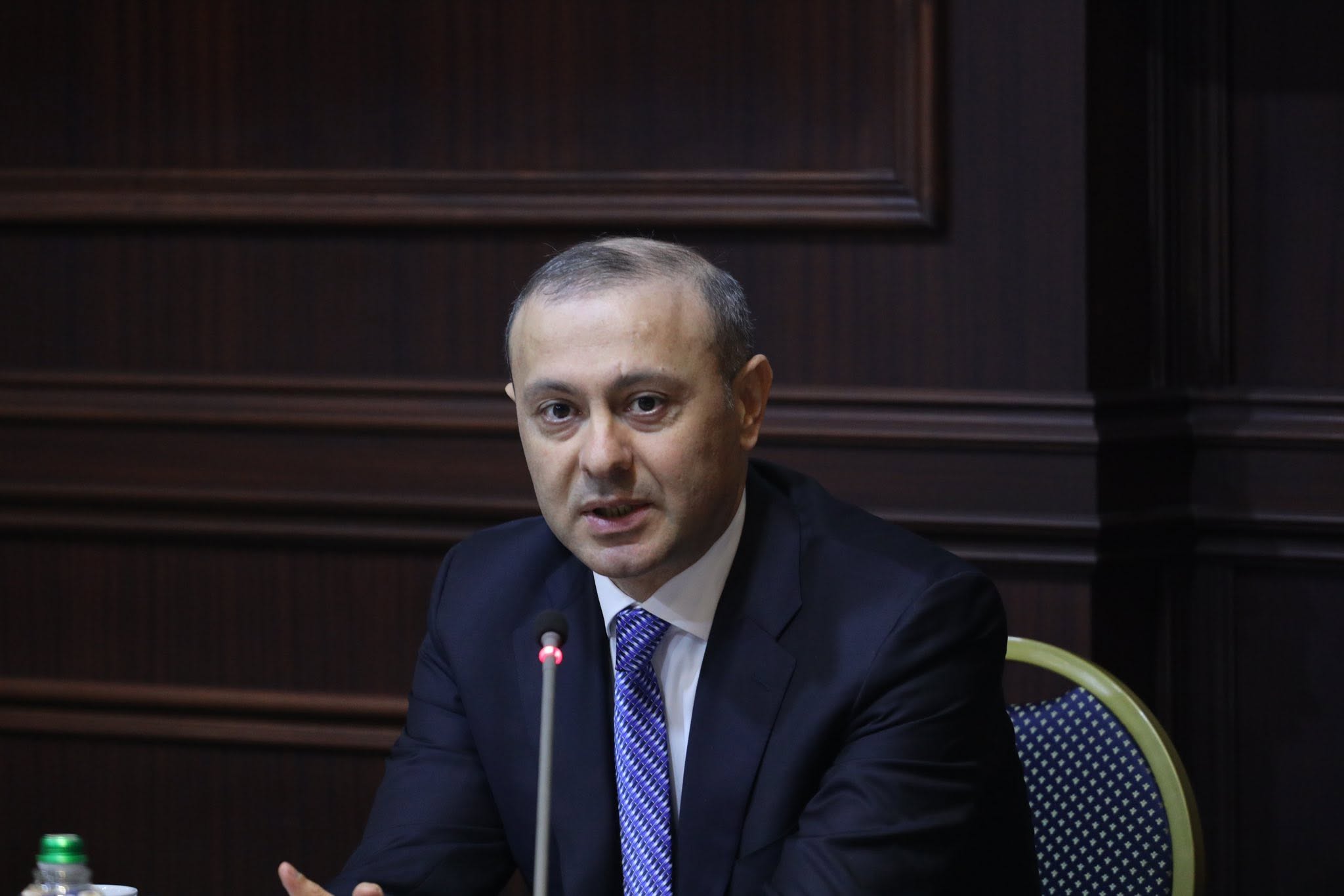
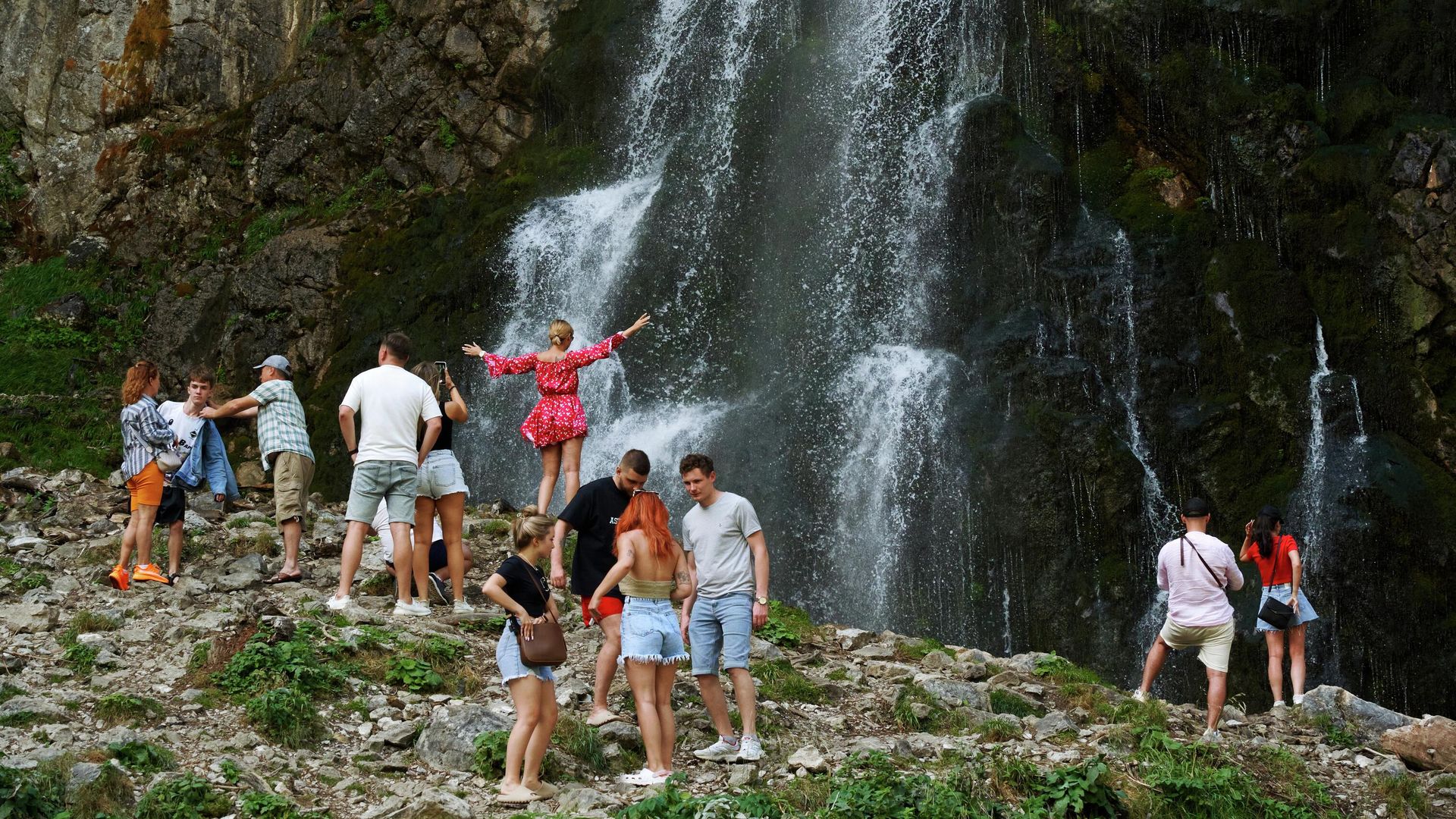
Abkhazian President Badra Gunba has announced plans to build a joint year-round ski resort on the slopes of Mount Aibga in cooperation with the Russian ski resort of Krasnaya Polyana.
“These territories are located opposite each other, and everyone who visits would have the opportunity to ski down the slopes of Krasnaya Polyana, then head up the slopes of Aibga and enjoy the unique opportunities it offers as well.
“So there should be no competition here. On the contrary, we should work together on joint projects,” Gunba said.
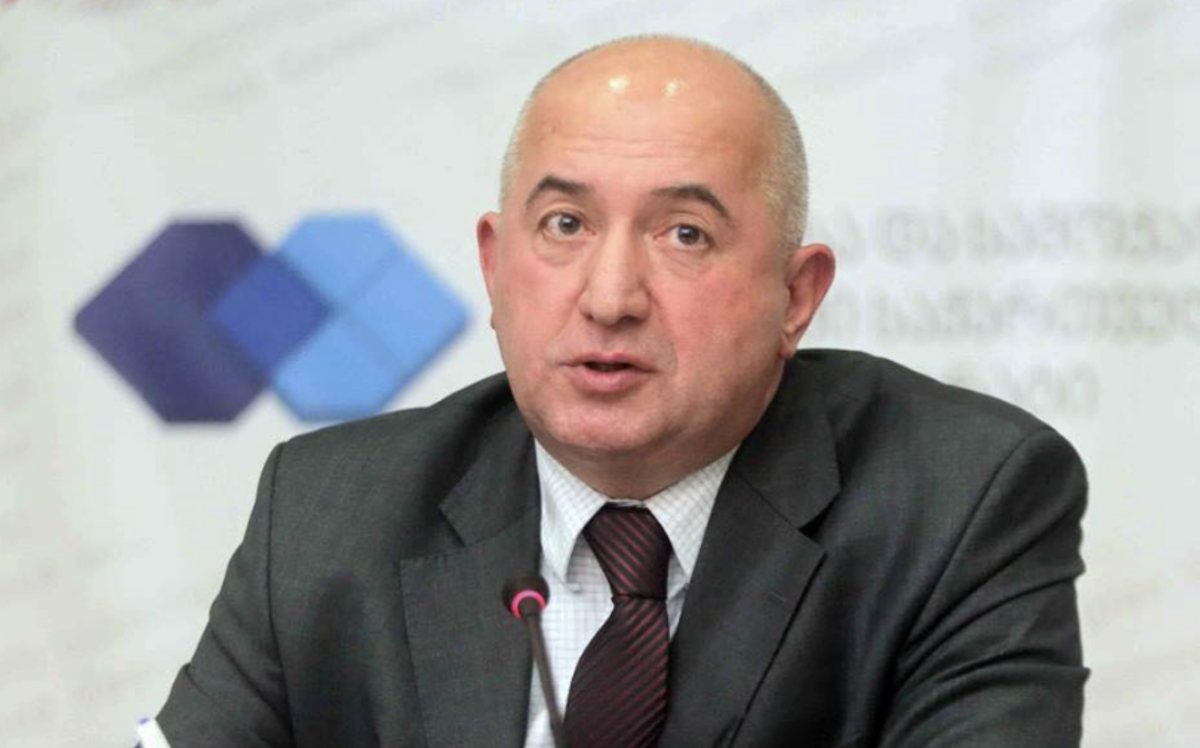
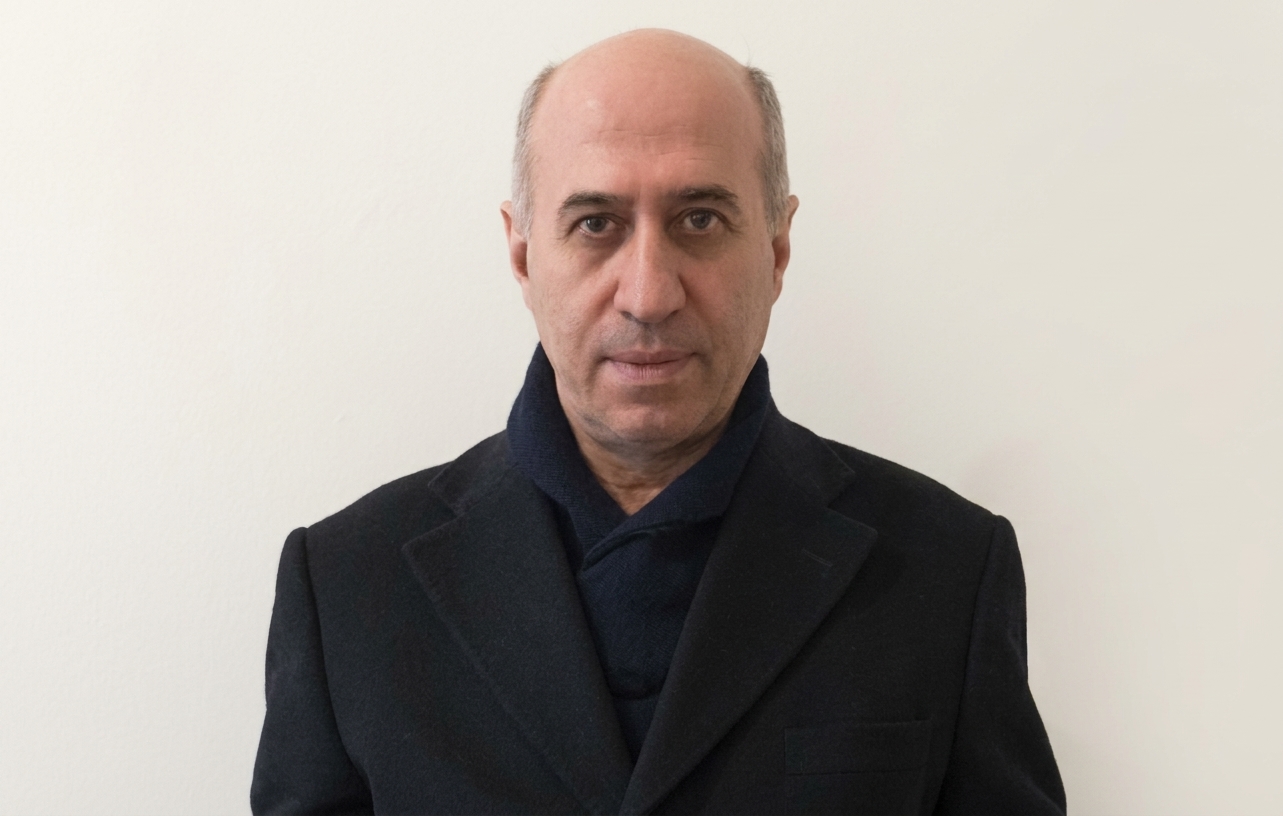
Former Abkhaz parliament member Ilya Gunia discusses the ski resort project in the context of the territorial dispute in his blog.
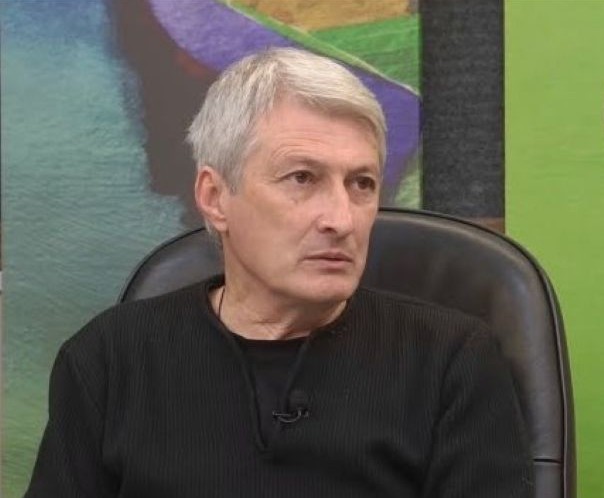
Ilya Gunia:
“The project is being presented as a strategic economic breakthrough that could attract investment, create jobs and give the republic’s development fresh momentum.
I agree that tourism needs to be developed and investment attracted. However, I believe that behind the economic prospects lie questions of national importance that cannot be ignored.
Aibga is first and foremost a matter of Abkhazia’s state border and territorial integrity.
A joint Russian-Abkhaz commission on the delimitation and demarcation of the border has been operating for many years. I served as a member of this commission during my time as a member of parliament. It was precisely over the Aibga section that the commission’s work reached a deadlock. The two sides failed to reach an understanding on the issue.
As a former member of the commission, I believe it is necessary to highlight three fundamental problems.
First. Any large-scale infrastructure project in territory whose status remains the subject of an interstate dispute could trigger a serious political crisis. A commercial project cannot begin in an area where the state border has yet to be legally established between the two sides.
Second. Attempts to circumvent existing disagreements under the pretext of creating a unified cross-border space raise serious questions. International cooperation must not become a pretext for weakening state control over one’s own territory.
By taking part in such projects, Abkhazia must act exclusively as an equal partner. Investors’ economic interests cannot take precedence over national interests, and the republic’s laws must remain an absolute priority.”
Third. If the interstate commission has been unable to find a solution to this issue for many years, how does the executive intend to resolve it now? On the basis of what agreements? Within what boundaries will the project be implemented? What are the terms of Russia’s participation, and who will exercise state control over the territory? The people of Abkhazia have the right to know what commitments their state is undertaking.
I am not opposed to developing tourism, attracting investment or building modern resorts. But all this must take place within the law and exclusively on territory whose status is clearly defined and legally protected.
We have no right to put the country’s territorial integrity at risk for the sake of economic prospects.
Abkhazia paid too high a price for its independence for us to treat questions of sovereignty today as a mere formality or a technical obstacle to an investment project.
I therefore urge the republic’s leadership to refrain from making any decisions on the Aibga project until the border dispute has been fully resolved.
The first priority must be to ensure transparency in the negotiations, establish the state border and guarantee the protection of Abkhazia’s national interests. Only then can we have a substantive discussion about implementing projects of this kind.
Economic development is necessary, but it must not come at the expense of sovereignty.”
The terminology, place names and views expressed in this article are those of the author and do not necessarily reflect the editorial position of this website.