Opinion: 'If Ivanishvili wants to buy time, his only option is to replace Georgia's prime minister'






Opinion on Kobakhidze
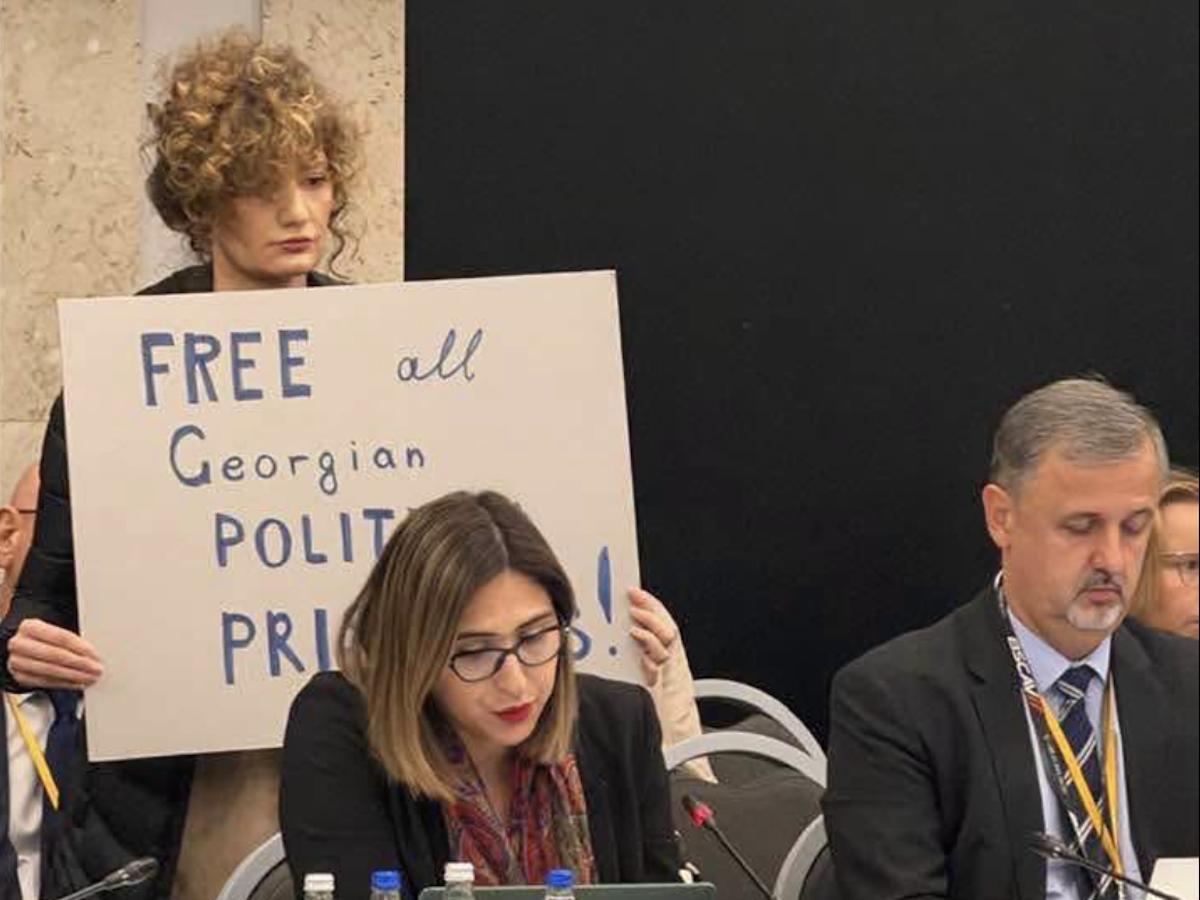
Eka Gigauri, executive director of Transparency International Georgia, commented on Irakli Kobakhidze’s briefing by saying that, given the increasingly predictable policies of the United States and the European Union towards Georgia, the only logical step Bidzina Ivanishvili can take now is to try to buy time.
According to Gigauri, if Ivanishvili genuinely wants to buy time and prevent further deterioration in relations with the West, his only chance is to replace the prime minister and reshuffle the government.
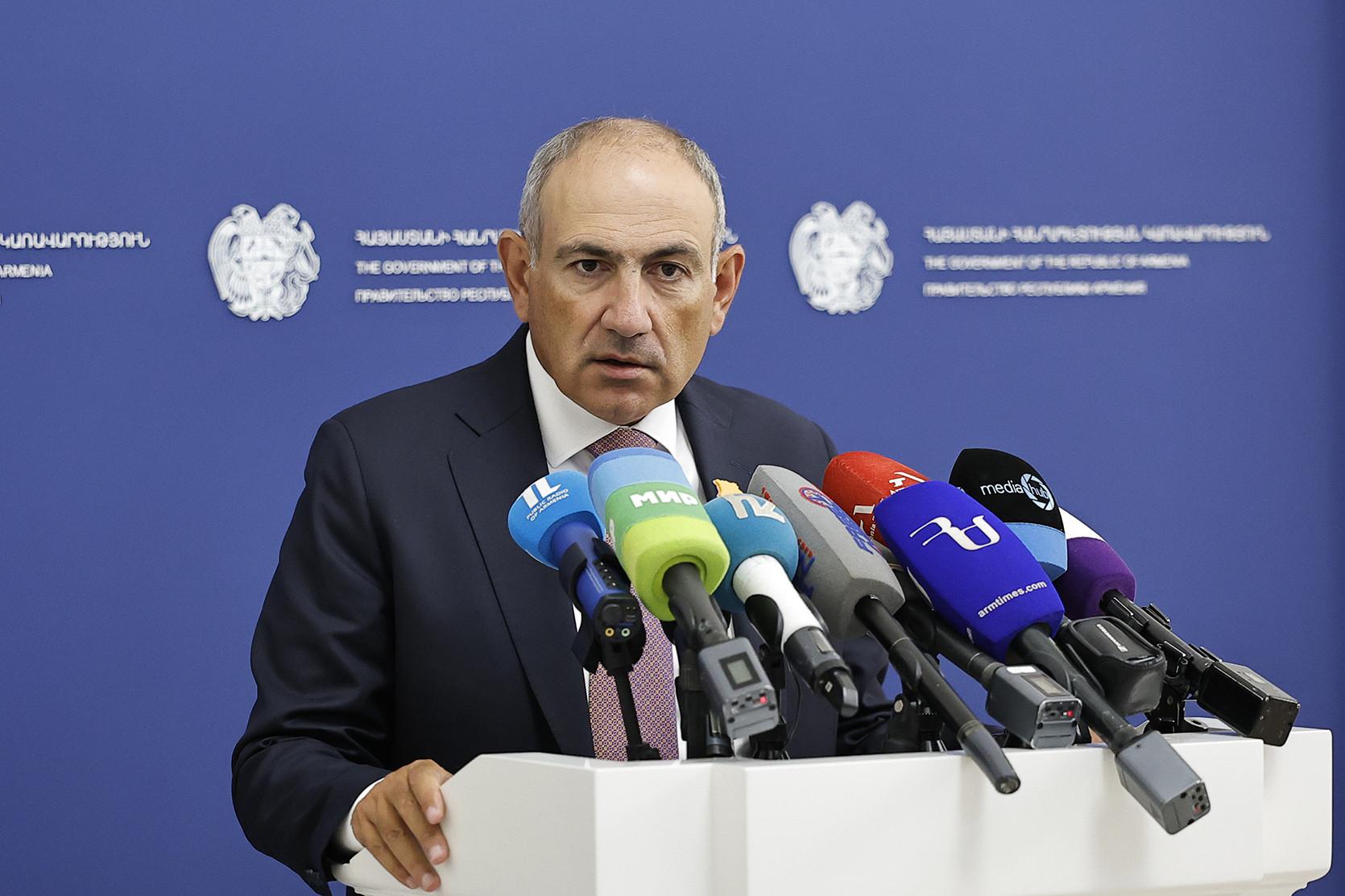
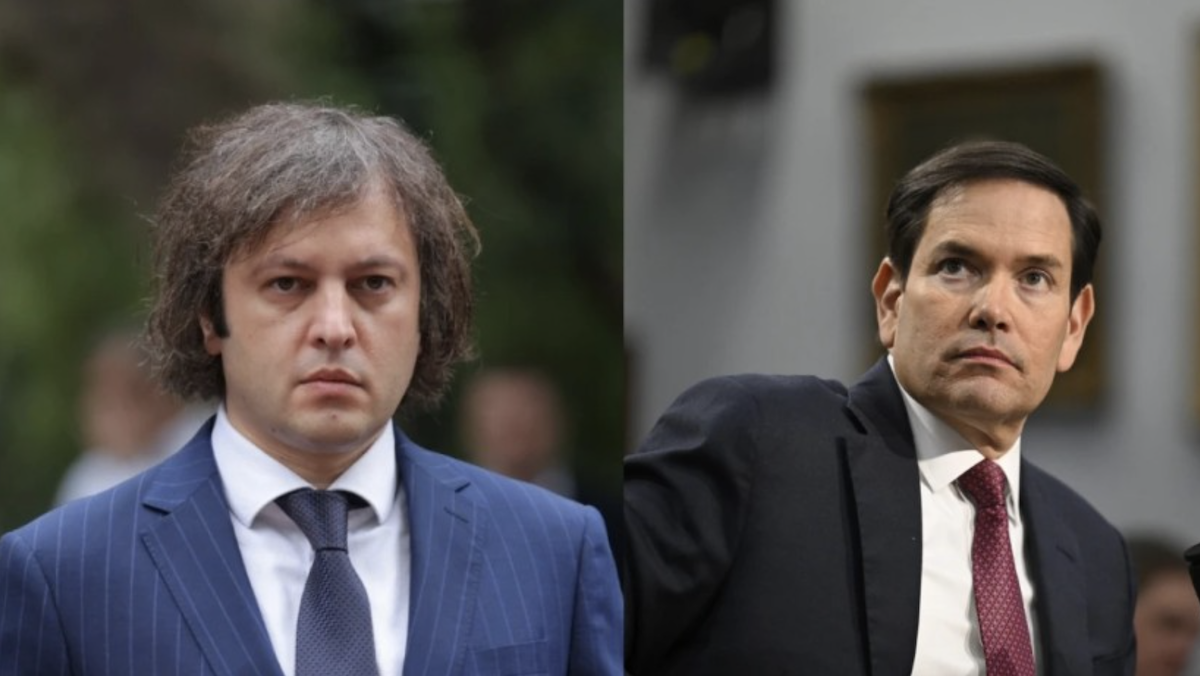
On 9 June 2026, Irakli Kobakhidze held a briefing dedicated to Bidzina Ivanishvili, the honorary chairman of the ruling Georgian Dream party. During the nine-minute event, the prime minister spoke about Ivanishvili’s “special and invaluable role” in Georgian politics
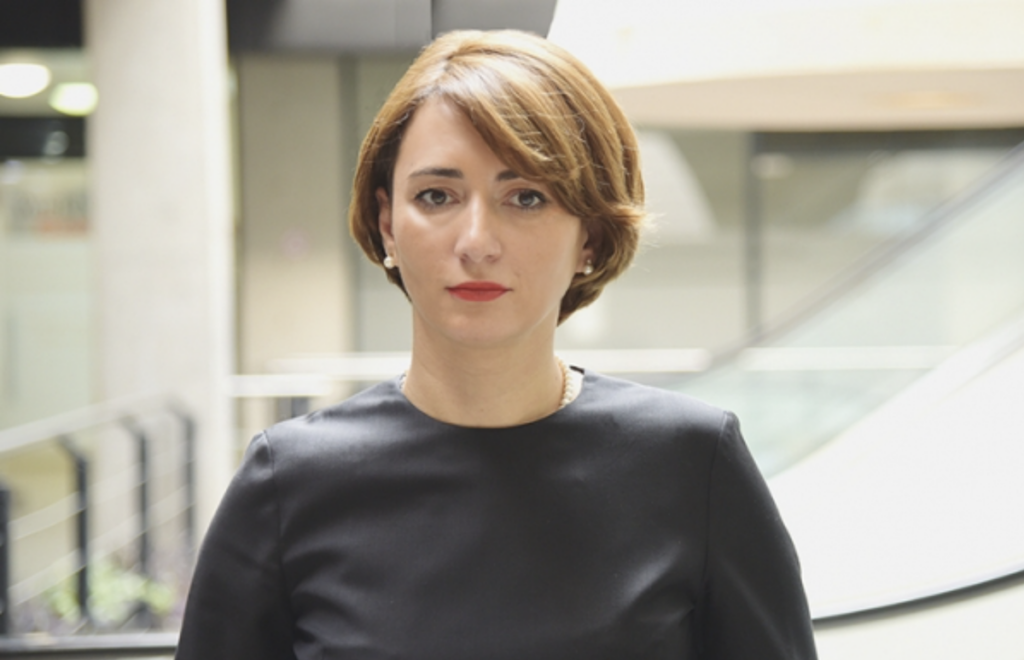
Eka Gigauri: “Given current developments in the world and, above all, in our region, as well as the increasingly predictable policies of the United States and the European Union towards Georgia, the only logical step Ivanishvili can take now is to try to buy time.
However, buying time is becoming increasingly difficult. It is clear that Kobakhidze and his team are not taking the right steps and are unable to anticipate the West’s response. A complete collapse in both foreign and domestic policy is looming on the horizon.
It is unclear what the foreign minister has been doing during his time in office, when sanctions have been imposed on around 300 people. He failed to stop that process or reduce its scale. At the same time, it is obvious that a more sensible policy could have spared many members of his team from those sanctions altogether.
Sanctions are only part of the problem. I am not even talking about the hundreds of resolutions, statements, international assessments and reports. The authorities also failed to prevent them or mitigate their impact. All of this has happened despite their control over embassies, the entire Foreign Ministry apparatus and substantial state resources, which they appear to be using inefficiently.
Some people may think that drafting absurd laws requires special legal expertise or professionalism. In reality, producing legislation of this quality does not require much experience or specialised qualifications. Especially since a significant portion of these laws has simply been copied from Russian legislation.”
“But Georgian Dream’s failures are not limited to foreign policy. Its domestic record is equally poor. Of the price-control and competition mechanisms created from scratch, the public mainly remembers a reduction in egg prices by just a few tetri. At the same time, the government has promoted ideas such as banning political parties and showing ‘zero sympathy’ towards protesters — a term entirely incompatible with the values of Georgian culture and society.
The government’s ‘fight’ against corruption also looks more like a political campaign than a systematic reform effort. When corruption involves genuinely influential and high-ranking figures, the authorities produce no visible results.
Instead, investigations often target little-known officials or rivals within the system. The public sees this clearly. One only has to look at officials’ declarations and assets. They raise far more questions than answers. There are many such examples, which is why the anti-corruption campaign increasingly resembles a tool of selective justice rather than an attempt to restore fairness.
Against the backdrop of these obvious failures in both foreign and domestic policy, Ivanishvili has almost exhausted his ability to buy time. He probably understands this very well. Kobakhidze indirectly acknowledged it when he said that the world, and America in particular, views him as incompetent and calls for Ivanishvili’s resignation.
If Ivanishvili genuinely wants to buy time and prevent further deterioration in relations with the West, his only chance is to replace the prime minister and renew the government. Otherwise, the pace of his international isolation will accelerate.
In this context, one of the aims of Kobakhidze’s briefing, alongside downplaying problems in relations with the United States, was probably an attempt to counter precisely this reality. Kobakhidze himself appears to understand that the problem is real and can no longer be ignored.”
Opinion on Kobakhidze