Top stories in Azerbaijan, Armenia, and Georgia from 19-23 January, 2026
 Live
Live




-
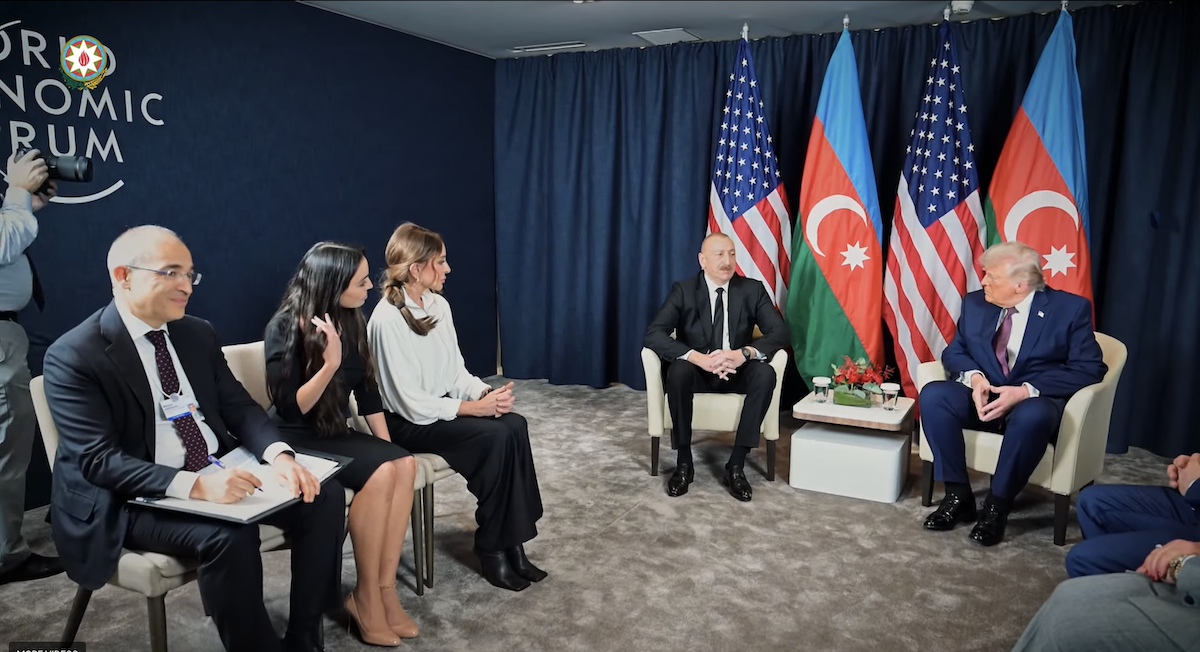
Friday, 23 January, Azerbaijan. Ilham Aliyev’s meeting with Donald Trump in Davos
-
Friday, 23 January, Armenia. Armenia signed the Peace Council charter under a participation-without-membership-fees principle
-
Friday, 23 January, Georgia. Irakli Kobakhidze: “The EU is acting against its own interests by not seeking to build relations with Georgia"
-
Thursday, 22 January, Armenia. Nikol Pashinyan: “Armenia will defend itself against KGB agents, whether they hide under a tie or a cassock"
-
Thursday, 22 January, Azerbaijan. The EU will help restore the railway in Nakhchivan
-
Thursday, 22 January, Georgia. Georgia did not receive an invitation from Trump to join the Gaza Peace Council, while Azerbaijan and Armenia were invited and have already agreed to participate
-
Wednesday, 21 January, Azerbaijan. Ilham Aliyev in Davos on the prospects of oil and gas production, transit corridors, a focus on renewable energy, and data centers
-
Wednesday, 21 January, Armenia. Nikol Pashinyan accepted Trump’s invitation to join the “Peace Council” on Gaza; Lavrov on Armenia’s challenges with the EU
-
Wednesday, 21 January, Georgia. Four miners from Chiatura have been sentenced to four and six years in prison
-
Tuesday, 20 January, Georgia. A total of 159 prisoners have been pardoned, unclear whether any political prisoners are among them
-
Tuesday, 20 January, Armenia. Lawmakers from Armenia’s ruling party are proposing to limit the property rights of the Armenian Church
-
Tuesday, 20 January, Azerbaijan. The 36th anniversary of 'Black January', when Soviet troops killed 150 peaceful pro-independence demonstrators in Baku
-
Monday, 19 January, Armenia. The first batch of Pinaka guided missiles has been shipped to Armenia from India
-
Monday, 19 January, Azerbaijan. A woman and her four children have been repatriated from Syria to Azerbaijan
-
Monday, 19 January, Georgia. By 2026, the construction of roads within the framework of the Middle Corridor will be fully completed
-
Top stories in Azerbaijan, Armenia, and Georgia from 12-16 January, 2026

-
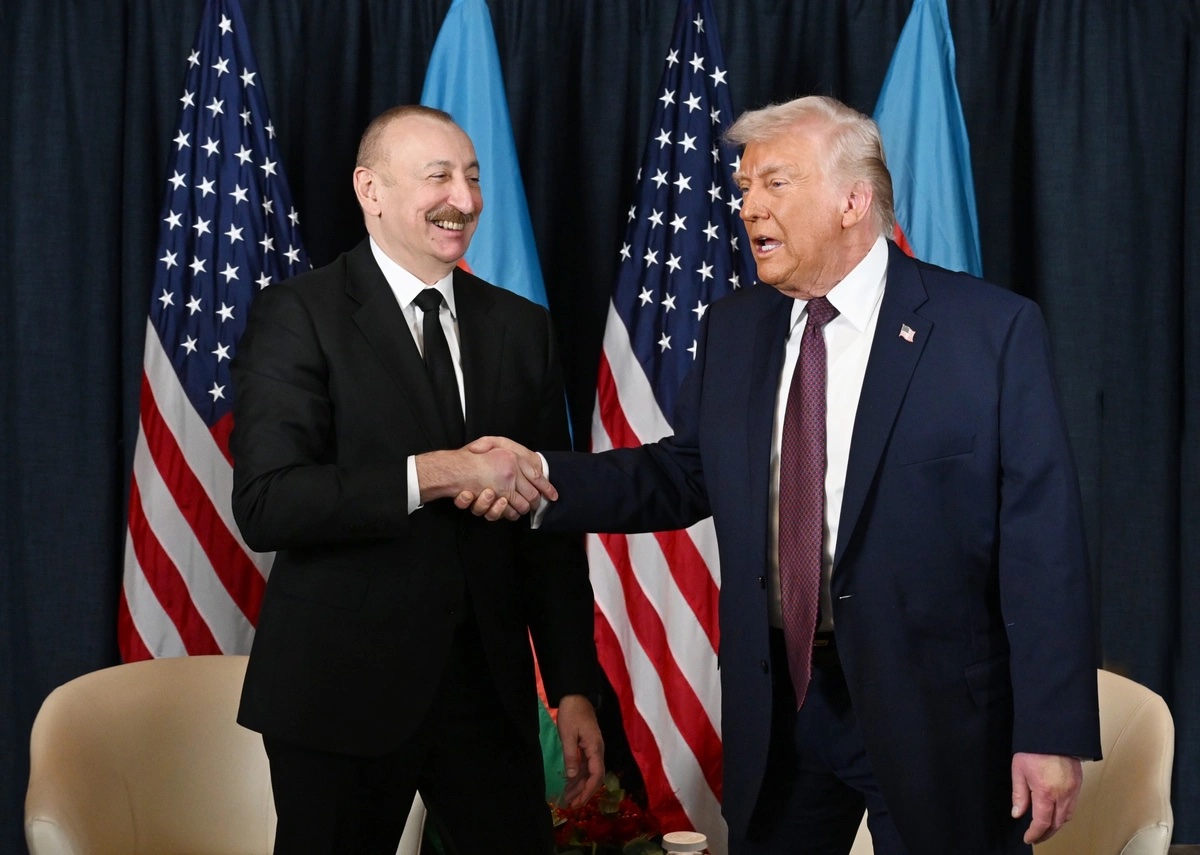
Friday, 23 January, Azerbaijan. Ilham Aliyev’s meeting with Donald Trump in Davos
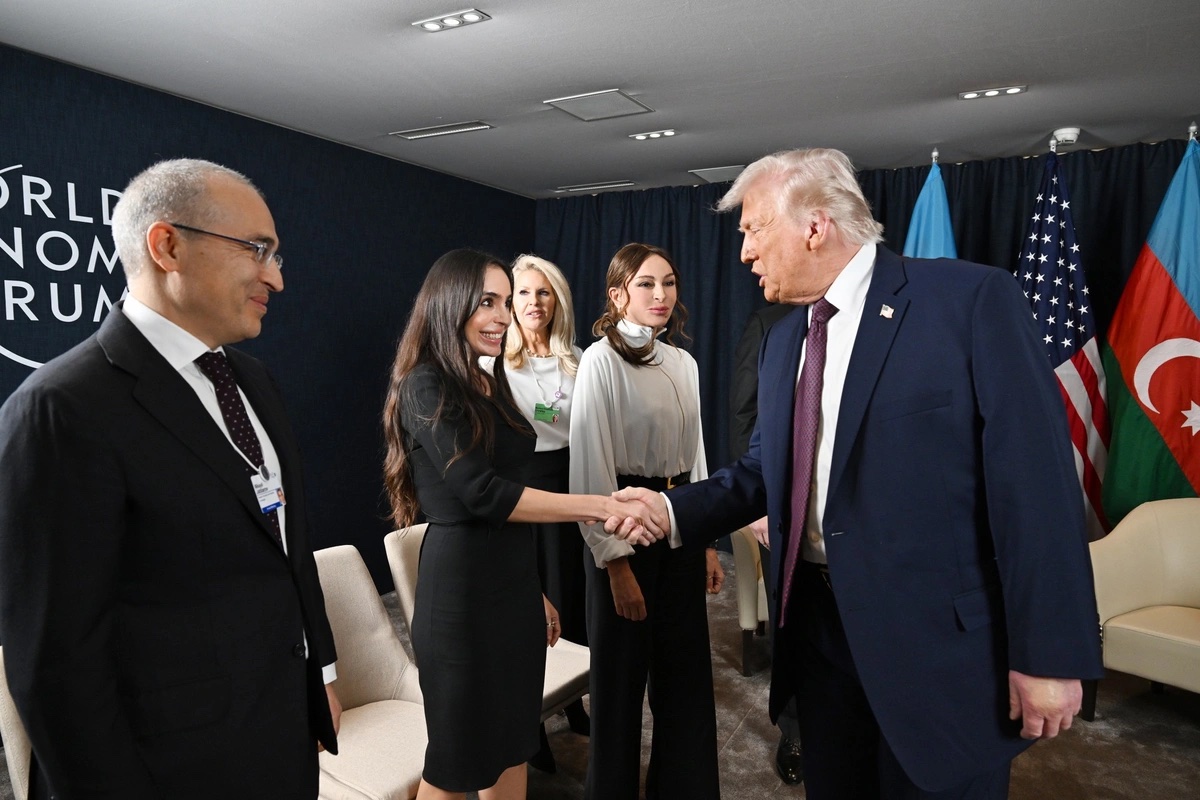
● A bilateral meeting took place in Davos between Azerbaijani President Ilham Aliyev and U.S. President Donald Trump. Satisfaction was expressed with the development of bilateral relations in various fields following Trump’s return to power, and his historic role in reaching agreements on the peace agenda between Azerbaijan and Armenia in Washington on August 8 last year was emphasized.
It is reported that Aliyev spoke about progress on this agenda, including the establishment of trade relations — the export of petroleum products from Azerbaijan to Armenia, as well as the delivery of imported grain to Armenia via Azerbaijani territory.
“Peace has already been established in the region,” Ilham Aliyev said.
First Lady Mehriban Aliyeva and their daughter Leyla Aliyeva were also present at the meeting.● Azerbaijan has joined the “Peace Council.” At a ceremonial event in Davos, President Ilham Aliyev signed the charter of the new organization.
● “The South Caucasus is of key importance to NATO, and Azerbaijan is a very valuable partner of the Alliance,” NATO Deputy Secretary General Radmila Shekerinska wrote on X following meetings during her visit to Baku. She said she discussed regional security issues with Foreign Minister Jeyhun Bayramov, the contribution of the Armenia–Azerbaijan peace process to regional stability, and NATO–Azerbaijan relations. A press release emphasized that Azerbaijan has been a reliable NATO partner for more than 30 years in peacekeeping operations and energy security.
● The Speaker of the Congress of Deputies of Spain, Francina Armengol Socias, is on an official visit to Azerbaijan.
● SOCAR President Rovshan Najaf discussed prospects for strategic cooperation in the financial and energy sectors with Hana Al Rostamani, CEO of First Abu Dhabi Bank (the UAE’s largest financial institution).
● Economy Minister Mikayil Jabbarov and EU Commissioner for Enlargement Marta Kos exchanged views on prospects for expanding bilateral economic relations on the sidelines of the World Economic Forum in Davos.
● In 2025, Azerbaijan exported oil to 22 countries. The top five destinations were Italy, the Czech Republic, Croatia, Romania, and Germany. Oil exports also began to three new countries: Switzerland, Denmark, and Georgia.
● The share of crude oil exported to Italy last year accounted for 56.08% of Azerbaijan’s total oil exports.
● State-owned Azerbaijan Airlines (AZAL) signed an agreement with international IT company Accelya to implement the New Distribution Capability standard. This will allow AZAL, among other things, to connect directly to the global network of travel sellers and aggregators.
● The Media Development Agency (MEDİA) has called on Meta to promptly remove fake statements allegedly made on behalf of the Azerbaijani president that have spread on Facebook and were created using deepfake technology. “These false publications are intended to cause financial harm to citizens by collecting their personal data,” the statement said. MEDİA also urged citizens to trust only information from official sources, and called on journalists and public activists to act with integrity.
● The Prosecutor General’s Office reported that in 2025, 114 criminal cases were initiated against 174 individuals as part of anti-corruption efforts. Most of these cases have already resulted in guilty verdicts.
● The Food Safety Agency conducted inspections at 32 water-producing enterprises, with violations found at 24 of them. The main issues included poor sanitary conditions, failure to follow technological processes, incorrect labeling, water quality not meeting standards, and hygiene violations by staff. It was reported that measures were taken in accordance with the law in all cases.
-
Friday, 23 January, Armenia. Armenia signed the Peace Council charter under a participation-without-membership-fees principle
● Prime Minister Nikol Pashinyan has joined the “Peace Council” and signed the organization’s charter at a ceremonial event in Davos.
● Armenia signed the Peace Council charter under a participation-without-membership-fees principle. “A state that receives an invitation from U.S. President Donald Trump may join the Council without a fixed membership fee for a period of up to three years, after which the terms are subject to review in accordance with established procedures. The Government of Armenia approved joining the Peace Council on this basis,” Foreign Ministry spokesperson Ani Badalyan said. She thereby refuted opposition claims that Armenia would allegedly pay one billion dollars to participate in the Peace Council.
● During the ceremony, Donald Trump said that the leaders of Armenia and Azerbaijan — Nikol Pashinyan and Ilham Aliyev — had become his friends. He again listed conflicts he said he had resolved, including the Armenia–Azerbaijan conflict.
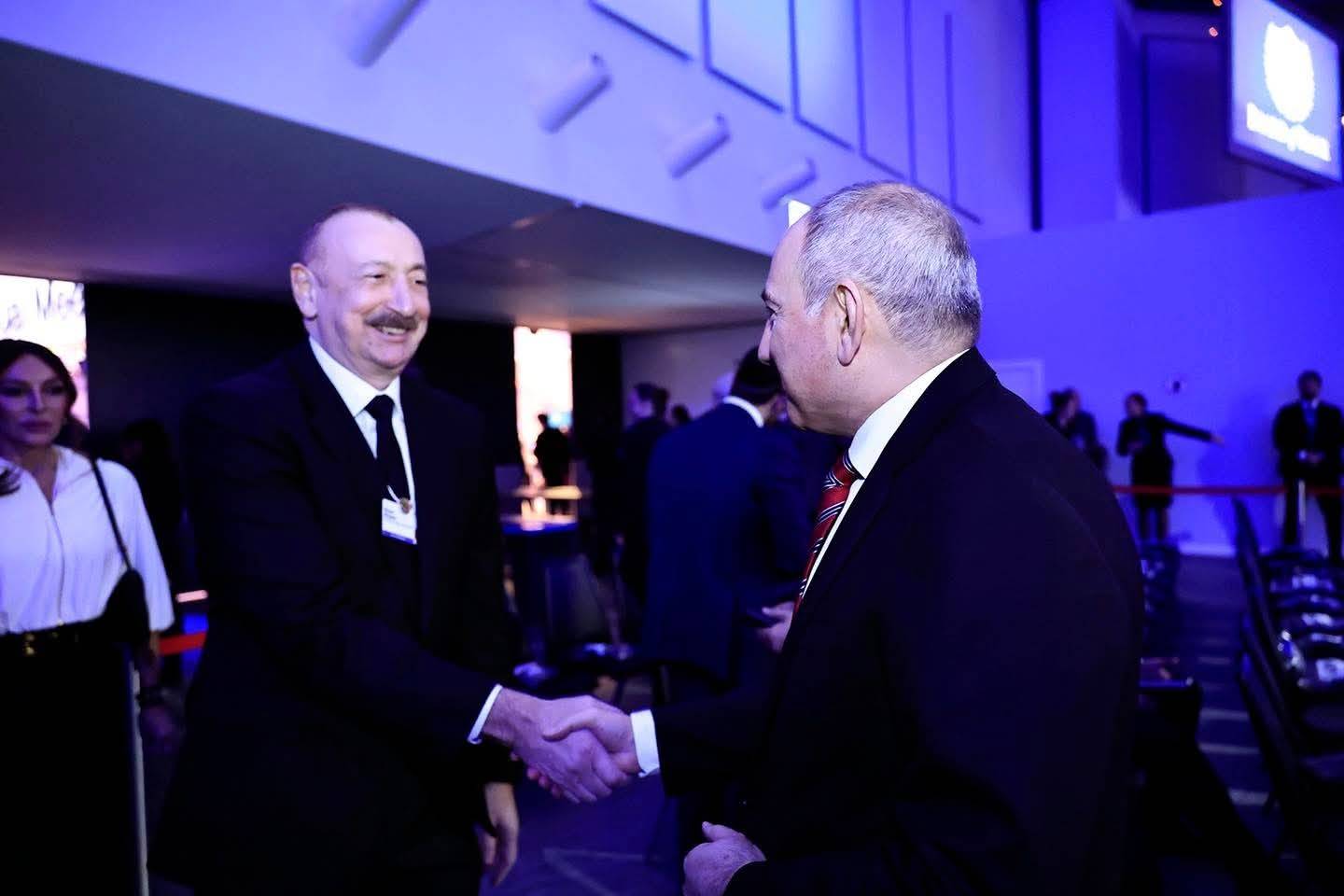
● Nikol Pashinyan and Ilham Aliyev held a brief conversation in Davos. A photo of the meeting was published on the Armenian government’s Facebook page.
● Foreign Minister Ararat Mirzoyan held meetings in Davos with the foreign ministers of Kazakhstan, Spain, and Norway.
● In Russia, comments continue regarding the arrest of the mayor of Armenia’s second-largest city, Gyumri, Vardan Ghukasyan, on bribery charges. Russian Foreign Ministry spokesperson Maria Zakharova repeated a claim previously made by Russian Foreign Minister Sergey Lavrov, alleging that Ghukasyan was detained for political reasons. “One of the motives behind this arrest was Ghukasyan’s statements in favor of Armenia joining the Union State of Russia and Belarus, which causes confusion and concern. This issue has resonated in Russian society, especially among those concerned about the future of Russian–Armenian relations,” Zakharova said.
● Relatives of soldiers killed in the 2020 Second Karabakh War and buried in Karabakh are demanding the exhumation of their remains and their transfer to Armenia. “We appealed to all state bodies, to the Red Cross, and sent letters to the prime minister. We were redirected to the Foreign Ministry, where we were told that this issue is not within their competence,” said Bella Galstyan, sister of fallen soldier Sason Avanesyan, during a protest outside the government building.
● Prices for gasoline and diesel fuel continue to fall, Economy Minister Gevorg Papoyan reported. According to him, gasoline prices have dropped by 15.7% compared to early December, while diesel prices have fallen by 14.6%.
● At the same time, people across the country are complaining on social media about shortages of liquefied gas. Many say that the price of the gas currently available has risen sharply as a result.
● Interior Minister Arpine Sargsyan and British Ambassador Alexandra Cole discussed the possibility of launching direct Yerevan–London flights.
● Armenia is the most expensive country to live in among the South Caucasus states, according to data from Numbeo, the world’s largest cost-of-living database. Armenia ranks 87th (the closer to the top, the more expensive), while Georgia ranks 116th and Azerbaijan 122nd.
Donald Trump sat between Armenian Prime Minister Nikol Pashinyan and Azerbaijani President Ilham Aliyev during the ceremonial signing of the “Peace Council” charter in Davos. Both leaders were invited to join the Council and signed the charter. Meanwhile, Georgia, which until… pic.twitter.com/A4kZqRLJQo
— JAMnews (@JAMnewsCaucasus) January 22, 2026
-
Friday, 23 January, Georgia. Irakli Kobakhidze: “The EU is acting against its own interests by not seeking to build relations with Georgia"
● Georgia’s State Security Service reported that a Georgian citizen detained the previous day by Russian military personnel in the Georgian–Ossetian conflict zone near the village of Tsingara has been released and is now in territory controlled by Tbilisi. “The central government of Georgia and the State Security Service continue to work actively to secure the release of all Georgian citizens illegally detained in the occupied territories,” the statement said.
● Prime Minister Irakli Kobakhidze of the ruling Georgian Dream party spoke about the importance of public political debates. In a lengthy letter on social media, Kobakhidze wrote that citizens should be able to hear the positions of all political forces seeking power in order to make an informed choice. Previously, opposition TV channels repeatedly stated that representatives of Georgian Dream refuse to appear in their studios, while opposition politicians claim that pro-government TV channels refuse to invite them. Read more here
● Zurab Japaridze, leader of the opposition Girchi party and a recently released political prisoner, called on Irakli Kobakhidze to put his words into practice and take part in public debates with him.
● Misha Mshvildadze, director of the independent TV channel Formula, said the broadcaster is ready at any moment to organize debates with Irakli Kobakhidze or any other opponent.
● Irakli Kobakhidze: “We are very concerned about the European Union; it is going through very difficult processes. Access to cheap Russian energy resources was extremely important for Europe, but it has been completely blocked. As a result, prices there have risen sharply. Russia was also a very important market for them, and they have lost that as well — it was their route to the East, to the entire East, and that route has also been blocked. In these conditions, if the European Union were acting in accordance with its own interests, it would try to find an alternative route to the East, and Georgia is the optimal option for this in every respect. The fact that they still do not try to build relations with Georgia once again indicates that they lack the resources to make independent decisions. They continue to make decisions to the detriment of their own objective interests.”
● The State Security Service has launched inspections of several supermarket chains and is seizing documents for further investigative actions. Earlier, Prime Minister Irakli Kobakhidze met with representatives of around 15 major retail grocery chains to discuss rising prices and possible solutions.
● Convicted former President Mikheil Saakashvili personally attended his court hearing for the first time in a long while and exercised his right to speak. He compared billionaire and founder of the ruling party Bidzina Ivanishvili to a “mafia boss” and said that if he were free, he would “put an end to Georgian Dream in a week.” He also stated that the main task for the opposition is unity.
-
Thursday, 22 January, Armenia. Nikol Pashinyan: “Armenia will defend itself against KGB agents, whether they hide under a tie or a cassock"
● Prime Minister Nikol Pashinyan has traveled to Switzerland, where he will take part in the ceremonial signing of the Charter of the “Gaza Peace Council” as a founding member, at the invitation of U.S. President Donald Trump.
● “Armenia will defend itself against KGB agents, whether they hide under a tie or a cassock. The people will defend the state, and the state will defend the people,” Nikol Pashinyan said. He noted that in 2018, when he and his team came to power, “the people gave us a velvet mandate,” and in 2021, when the ruling Civil Contract party won parliamentary elections again, they gave a “steel mandate.”
● “The energy systems of Armenia and Azerbaijan will be interconnected under the transit project ‘Trump Route for International Peace and Prosperity’ (TRIPP). Both countries will benefit equally from exports and imports,” Pashinyan said. He added that Armenia has already received part of the mutual benefits: gasoline prices have fallen by 20%, and wheat imports into Armenia have increased.
● “Military escalation between Armenia and Azerbaijan is considered practically impossible,” Pashinyan said. “As of today, January 21, 2026, there is complete peace along the Armenian-Azerbaijani border,” he stated, citing foreign intelligence services.
● Nikol Pashinyan: “Armenia’s strategy is to strengthen its defense capabilities without being drawn into an arms race.”
● Armenia and Azerbaijan will integrate their energy systems, enabling mutual use of electricity import and export opportunities, Pashinyan said.
● Foreign Minister Ararat Mirzoyan called “incorrect” remarks by Russian Foreign Minister Sergey Lavrov, who claimed there were “persecutions and arrests in Armenia for political views.” Mirzoyan said criminal prosecution is possible only if political statements threaten sovereignty, territorial integrity, or the constitutional order, adding that even commenting on such matters constitutes interference in Armenia’s internal affairs. “Everyone should focus on their own work,” he said.
● Armenia and Mexico discussed prospects for cooperation in the agricultural and tourism sectors.
● The Supreme Spiritual Council of the Armenian Church is an illegitimate structure, according to the “Church Renewal Council,” which welcomed the initiative to seek the resignation of the Catholicos actively promoted by the prime minister.
● The home of well-known blogger Erik Shahbazyan, known as “Tu-tu-tu Lava,” was robbed, photojournalist Gagik Shamshyan reported. According to him, the blogger is currently abroad. Unknown individuals entered the house from the yard, ransacked it, broke into a fireproof safe using special tools, and stole everything inside.
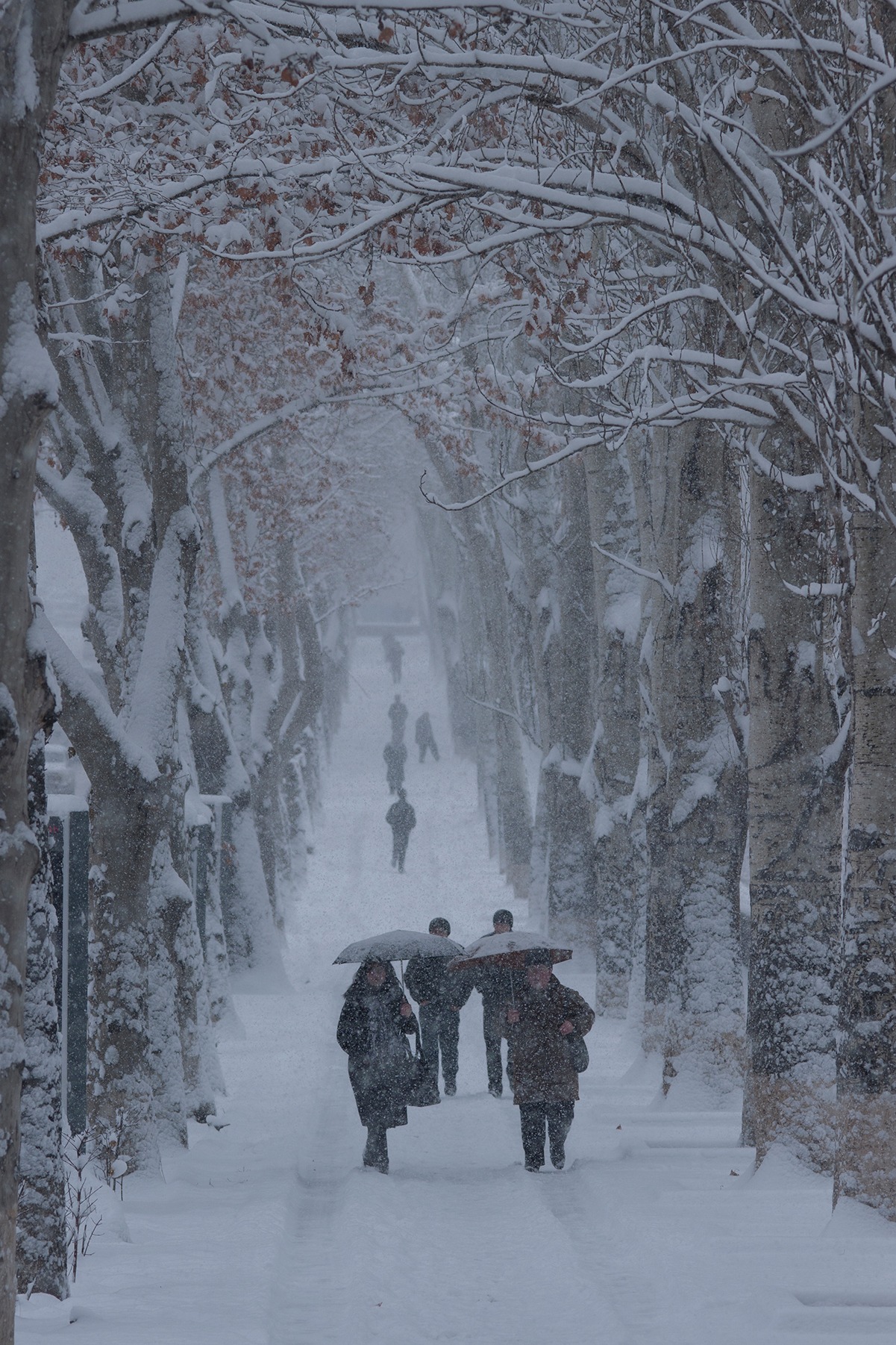
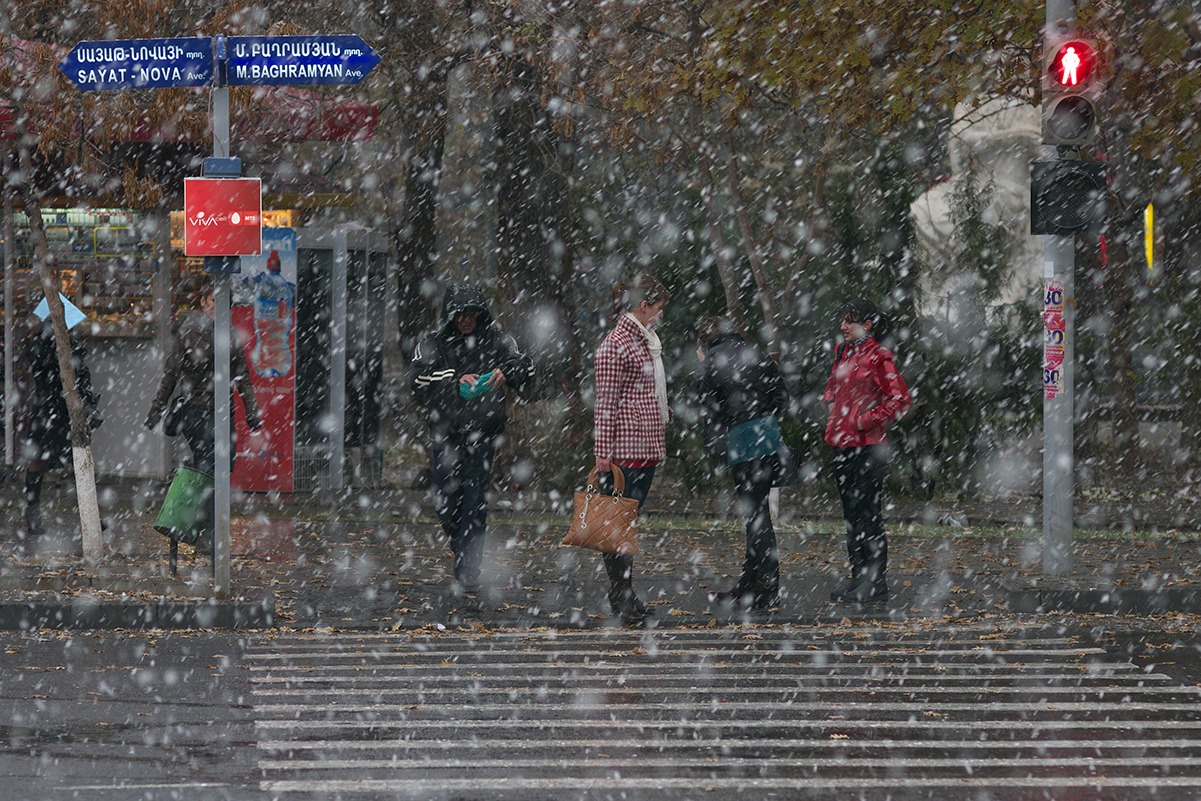
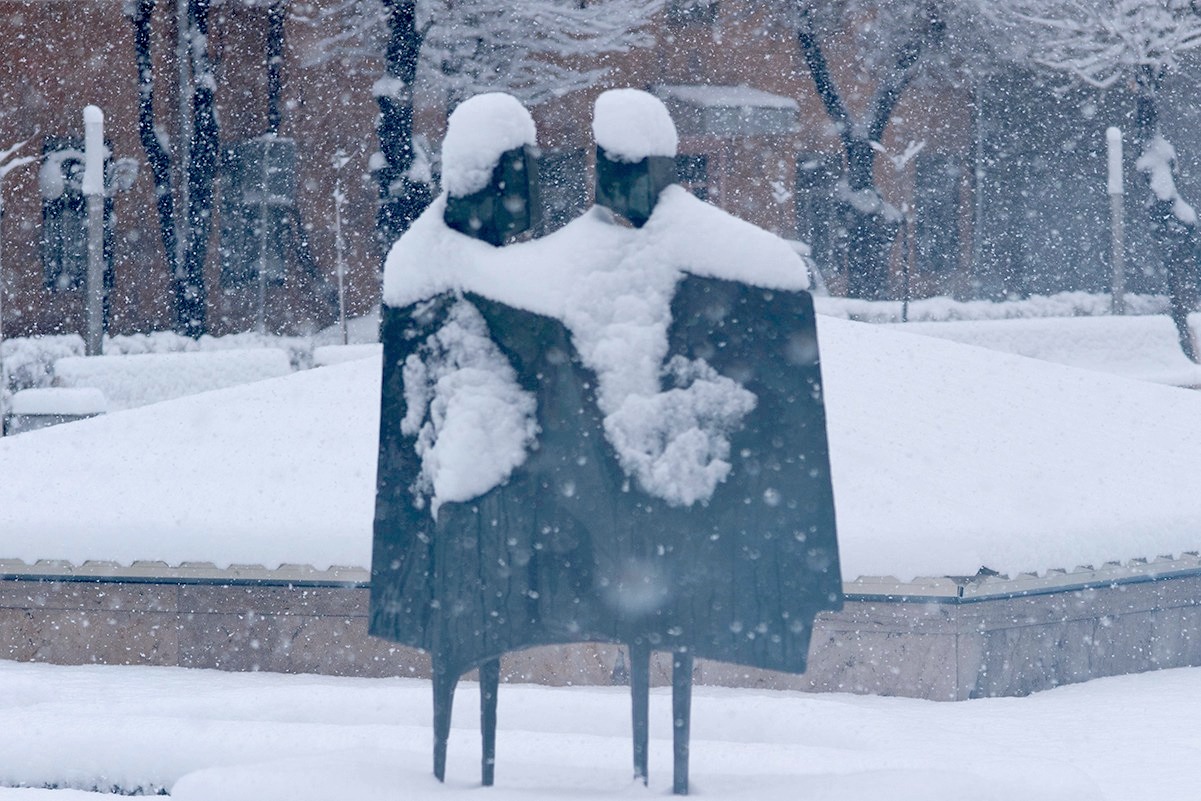
● Snow cover in Armenia’s mountainous regions is 60–80 cm higher than last year, said Levon Azizyan, director of the Hydrometeorology and Monitoring Center. He noted that this will have a positive impact on the filling of reservoirs in spring.
-
Thursday, 22 January, Azerbaijan. The EU will help restore the railway in Nakhchivan
● The European Union is ready to support the process of humanitarian demining in Azerbaijan and projects to restore the railway line in Azerbaijan’s autonomous republic of Nakhchivan. This was stated by EU Commissioner for Enlargement Marta Kos during a meeting with President Ilham Aliyev. The sides discussed the normalization of relations between Azerbaijan and Armenia, as well as Azerbaijan’s contribution to Europe’s energy security. Marta Kos also recalled her visit to Azerbaijan last year, including to Karabakh, saying she was “very impressed” by the reconstruction and restoration work in territories liberated from Armenian occupation.
● Azerbaijan and the United States held the second meeting of a working group to develop a Charter on Strategic Partnership. The Foreign Ministry said the meeting was held online and was co-chaired by Azerbaijan’s Deputy Foreign Minister Elnur Mammadov and U.S. Deputy Assistant Secretary of State Sonata Coulter.
A memorandum of understanding to develop the Strategic Partnership Charter was signed in August 2025 at the Washington Peace Summit. Priority areas of cooperation include energy, trade, transit, defense and security, counterterrorism, and digital infrastructure.● Azerbaijan has accepted an invitation from the U.S. president to become a founding state of the “Gaza Peace Council.” “An official letter confirming Azerbaijan’s membership in the Peace Council will be sent to the American side, and the necessary procedures will be carried out accordingly,” the official statement said.
Earlier, U.S. President Donald Trump sent a letter to President Ilham Aliyev stating that the Council would be established as a new international organization and transitional governance authority. “I look forward to working with you […] on my historic and ambitious initiative to strengthen peace in the Middle East through a new and bold approach to resolving a global conflict,” Trump wrote.
● President Ilham Aliyev met in Davos with Vitol CEO Russell Hardy. Vitol is among the world’s three largest crude oil trading companies. The meeting focused on Azerbaijan’s oil strategy and the country’s role in ensuring Europe’s energy security.
● Azerbaijan’s ambassador to Moscow, Rahman Mustafayev, visited Russia’s Ministry of Defense and met with Deputy Minister Vasily Osmakov. Both sides confirmed a constructive approach to further cooperation in the military-political and military-technical spheres in line with the Declaration on Allied Interaction of February 22, 2022, according to a press release.
● The Azerbaijan Center of Analysis of International Relations criticized an article published on the website of the Russian/Eurasian branch of the U.S.-based Carnegie Endowment titled “Azerbaijan’s ‘No War, No Peace’ Strategy Limits Rapprochement with Armenia,” authored by Bashir Kitachayev. The Center said this was not the first example of a one-sided position by the organization on Armenian-Azerbaijani relations. Azerbaijani analysts described the article as selective, ignoring the realities of the conflict and the current peace process, and noted that it fails to address anti-Azerbaijani sentiments in Armenia, including in political rhetoric, educational materials, and social media.
● The trial has begun of plastic surgeon Yagub Asadi and anesthesiologist Jamila Aliyeva, charged with causing harm to a patient’s health during surgery. In April last year, 34-year-old Nigar Budagly underwent a rhinoplasty at MedAura clinic in Baku, after which she fell into a coma and suffered severe injuries. She is currently unable to walk. Both doctors have been placed under travel restrictions.
● Azerbaijan’s team won 3–2 in a match in Baku between Qarabag (Agdam) and Germany’s Eintracht Frankfurt in the 7th round of the UEFA Champions League league phase. Camilo Duran was named man of the match, scoring two of the three goals.
● President Ilham Aliyev congratulated the Agdam club on the victory and said the main referee made “unfair and biased decisions” during the match. “This is not the first time that referees appointed by UEFA have tried to block Qarabag’s path to victory through unjust decisions. I hope UEFA will clarify who appointed this referee. Justice and an unbreakable spirit cannot be defeated. Long live Qarabag!” Aliyev wrote on social media.
● Heavy snowfall and frost in many regions are threatening crops. The Agricultural Insurance Fund has urged farmers to insure their fields in a timely manner, especially fruit orchards. The Fund has already begun paying compensation to insured farms affected by frost damage. Total payouts have reached 915,000 manats (about $540,000).
Photo from the Qarabag–Eintracht match by Report agency, photographer Muhammad Agayev.


-
Thursday, 22 January, Georgia. Georgia did not receive an invitation from Trump to join the Gaza Peace Council, while Azerbaijan and Armenia were invited and have already agreed to participate
● Georgian TV channel Formula asked the U.S. State Department whether President Donald Trump would invite Georgia to join the “Gaza Peace Council,” and if not, why. “We are awaiting a further statement from the president. At this stage, we cannot say anything in advance,” the State Department replied. Trump has invited 58 countries to join the organization, including Azerbaijan and Armenia, both of which have already agreed to participate. Georgia is not on the list.
● Members of the European Parliament plan to appeal to the European Commission, calling for an investigation into what substance was used to disperse protests in Georgia. A BBC investigation published late last year suggested it may have been “kamit,” a poisonous substance dating back to World War I. The letter was signed by 20 MEPs from different political groups. The initiative was led by MEP Markéta Gregorová, who noted that if the use of chemical weapons is confirmed, it would constitute a serious violation of the Chemical Weapons Convention and international human rights law.
● The European Commission has launched a procedure to suspend visa-free travel for Georgian citizens holding diplomatic, service, and official passports under a new visa suspension mechanism, European Commission spokesperson Markus Lammert said. According to him, the new mechanism will ensure uniform and consistent application of the suspension across all EU member states.
● Prime Minister of the Georgian Dream party Irakli Kobakhidze met with representatives of about 15 major grocery retail chains to discuss rising prices and possible solutions. After the meeting, he noted that the number of markets in the country has doubled over the past five years, which ultimately affects prices and places an economic burden on the population. Kobakhidze stressed that while freedom of entrepreneurship is essential, social responsibility is also important. Read more here
● The Georgian Young Lawyers’ Association (GYLA) submitted a written position to the European Court of Human Rights in Strasbourg in two cases filed against Russia in connection with the August 2008 war, concerning compensation for victims. The cases relate to Russia’s alleged violations of key articles of the European Convention on Human Rights, including the right to life, the prohibition of torture, and the principle of non-discrimination. Read more here
● According to the Trialeti TV and radio company (Eastern Georgia), the tax service has imposed a seizure to recover alleged debts, which the broadcaster says threatens its closure. In a statement, Trialeti said the Finance Ministry and the tax service have ignored its written appeals and phone calls for 13 days, leaving the company’s operations fully paralyzed and posing a real risk of going off air. The broadcaster added that asset seizures have repeatedly coincided with critical reporting aired by the channel.
● Prosecutors have brought charges against law enforcement officers over the use of group violence at a restaurant in the Tkibuli district.

-
Wednesday, 21 January, Azerbaijan. Ilham Aliyev in Davos on the prospects of oil and gas production, transit corridors, a focus on renewable energy, and data centers
● President Ilham Aliyev answered questions from international business representatives in Davos during an event titled “Breakfast with the Leadership of Azerbaijan,” organised by Euronews. Key points included:
- Three main priorities for attracting foreign investment: renewable energy, data centres and mining.
- Economic diversification is the top priority. Gas production is increasing, while oil production is declining, though expectations remain of a second significant oil boom in Azerbaijan.
- The non-oil and non-gas sector is a priority. It grew by more than 2%, while non-oil industrial output rose by 5.5% last year.
- Two large renewable power plants have been commissioned. By 2032, Azerbaijan is expected to generate eight gigawatts of solar and wind energy. Energy storage capacity is also being installed.
- Investments are expected in power transmission lines to export green energy.
- European investment remains limited in both fossil fuels and renewables. Azerbaijan’s main partners are companies from the UAE, Saudi Arabia, China, the UK and Azerbaijan itself.
- Data centres can reach maximum efficiency in Azerbaijan due to cheap and abundant electricity. Currently, two gigawatts of power are not consumed or exported because of transmission limits; within six years, this surplus will reach eight gigawatts.
- Most rare metals potential is located in territories liberated from Armenian occupation over the past five years. Modern technologies are being used to assess these resources.
- A network of oil and gas pipelines has been built, including one of the most complex projects — a 3,500-kilometre gas pipeline stretching from Baku to Italy’s coast, crossing several countries.
- A railway linking Azerbaijan to Georgia and Turkey has been built, with onward connections to Europe and Mediterranean ports.
- Azerbaijan has become a full member of the Central Asian countries’ Consultative Council. Following the introduction of sanctions zones against Russia, Azerbaijan has emerged as the only reliable and secure route connecting Europe with Central Asia.
- Azerbaijan plays a key role in the EU’s Global Gateway project, aimed at linking Europe with Central Asia.
- Significant investments have been made in transport infrastructure: seaports, airports, railways and highways.
- Cargo volumes are growing rapidly, prompting a decision to expand the capacity of the Baku International Sea Trade Port.
- Trump’s Route for International Peace and Prosperity (TRIPP) will integrate Armenia into the broader Central Asian transport network and contribute to peace. Armenia will no longer be a “dead end,” will benefit from transit fees and become part of large-scale international cooperation.
- After reaching peace with Armenia, Azerbaijan lifted all cargo transit restrictions, and the first shipments from Kazakhstan and Russia have already been sent through Azerbaijan to Armenia.
- Azerbaijan supplies Armenia with petroleum products at prices significantly lower than Armenia could otherwise obtain.
- All of these elements are interconnected: transport connectivity, good relations with neighbours, peace, predictability and mutual interest.
- Unemployment and poverty have been reduced to around 5%. The number of people considered middle class is growing.
- Several large-scale urban development projects are under way in Baku, including White City, which will accommodate about 50,000 residents, and the Sea Breeze tourism and entertainment complex.
- More than 70% of home buyers in Azerbaijan are local residents.
- The Alpine Skiing World Cup will be held in Shahdag in March. Each winter will feature at least one major international event — either a World Cup or a European Cup — balancing Azerbaijan’s summer Formula One races.
- The total length of ski slopes in Shahdag has reached 45 kilometres and will soon expand to 55 kilometres, making it one of the region’s largest and most accessible mountain resorts.
- ● “Azerbaijan and Armenia have decided to close the chapter of war. Continuing it could have led to very serious consequences,” President Ilham Aliyev said during a panel discussion at the World Economic Forum in Davos.
“It took Azerbaijan 30 years to restore justice. International institutions — both 30 years ago and now — did not change their behaviour. We changed. We stopped believing that someone would come and solve our problems for us. The UN Security Council, the highest international body, adopted four resolutions demanding the withdrawal of Armenian forces from our territories. Those resolutions remained on paper. The OSCE and other international structures adopted numerous documents, but none were implemented until we ourselves restored justice, international law, our sovereignty and territorial integrity — and then achieved peace. After that, we stopped. For the leader of a country that suffered for 30 years, stopping at the right moment is an extremely responsible and important decision,” Aliyev said.● Aliyev said a historic agreement between Azerbaijan and Armenia, reached on August 8 last year in Washington, ended more than three decades of war and bloodshed in the South Caucasus. “The uniqueness of this peace agreement lies in the fact that it was agreed and initialled less than two years after the last bloody confrontation,” he said.● Ukraine’s prime minister thanked Azerbaijan for energy assistance. Yuliia Svyrydenko said further deliveries from Azerbaijan, Slovakia and the Czech Republic would arrive in the coming days. Azerbaijan’s aid includes generators, transformers, cables, medical equipment and other humanitarian support critically needed to restore Ukraine’s energy infrastructure after Russia’s devastating attacks.● SOCAR and the UAE’s national oil company ADNOC discussed full-scale development of Azerbaijan’s Absheron gas-condensate field during talks in the United Arab Emirates. 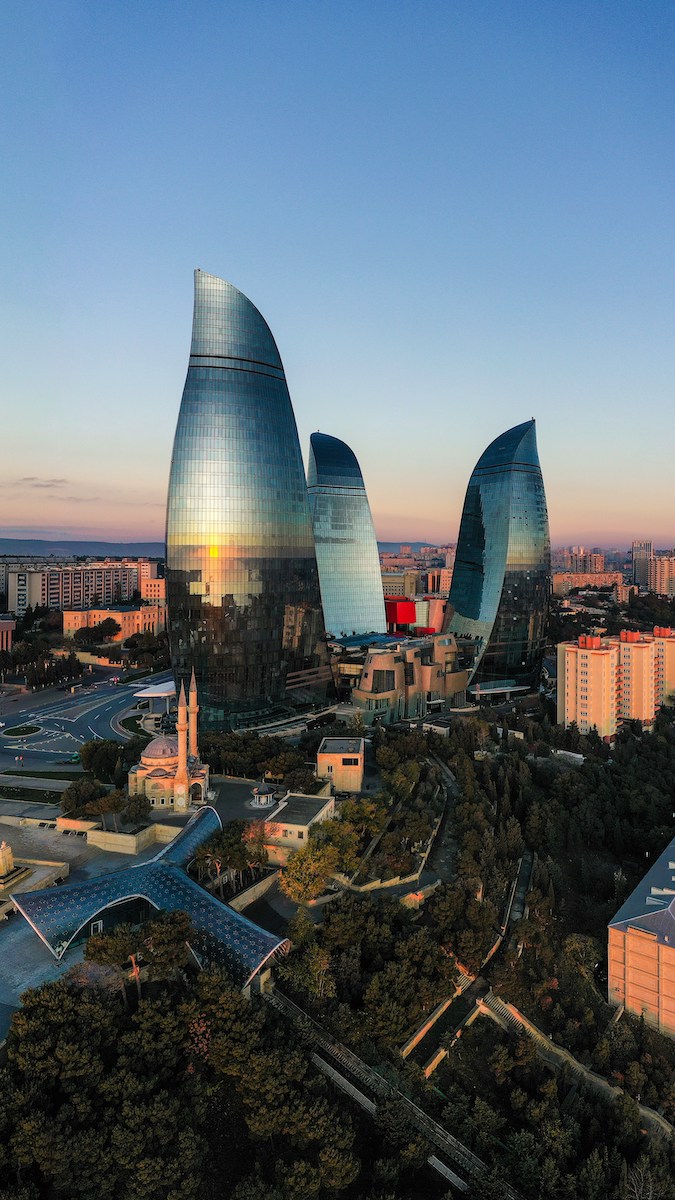
-
Wednesday, 21 January, Armenia. Nikol Pashinyan accepted Trump’s invitation to join the “Peace Council” on Gaza; Lavrov on Armenia’s challenges with the EU
● Prime Minister Nikol Pashinyan has accepted an invitation from Donald Trump to join the “Gaza Peace Council,” his press secretary reported.
● Membership in this council will cost each country $1 billion. When Sarkis Khandanyan, chair of the National Assembly’s Standing Committee on Foreign Relations, was asked whether Armenia has a spare billion dollars, he said it was “necessary to understand what other obligations membership entails.” He emphasized the importance of Armenia receiving an invitation to join this significant initiative.
● President Ilham Aliyev said that Baku has received a request from Armenia for cargo transit to Russia, according to Azerbaijani media. “We have de facto and unilaterally opened corridors. Transport currently goes through Georgia, but one day the route will pass through Armenia. The day will come when Armenian cargo will move directly through Azerbaijani territory, and that day is not far off,” Aliyev said.
● Russian Foreign Minister Sergey Lavrov said Armenia cannot be a member of both the European Union and the Eurasian Economic Union (EAEU, led by Russia), as participation in these two organizations contradicts each other. According to Lavrov, EU standards imply alignment with its foreign policy, including joining sanctions against Russia, and it is also clear that the two blocs are incompatible in trade and investment. Lavrov said he has discussed these issues repeatedly with Armenian Foreign Minister Ararat Mirzoyan and Prime Minister Nikol Pashinyan.
● Sergey Lavrov also stated that the European Union would force Armenia’s authorities to “work off the €15 million tranche they received through destructive actions against Russia.” He also claimed that a “Moldovan scenario” is being repeated in Armenia.
● Hybrid threats linked to this year’s parliamentary elections make up the bulk of external threats facing Armenia, according to a report by Armenia’s Foreign Intelligence Service. Read more here
● Claims by the opposition that Armenia has allegedly granted a corridor to Azerbaijan and reduced its sovereignty have been refuted, said Deputy Speaker of the National Assembly Ruben Rubinyan. “On August 8, when the relevant peace declaration was signed in Washington, what was the opposition saying? They claimed Armenia was creating an extraterritorial corridor, that its sovereignty was being reduced, and that the country would remain isolated. Several months have passed, and all these claims have been disproven,” Rubinyan said.
● “Armenia must open its borders with Turkey, just as it has with Iran and Georgia,” President Vahagn Khachaturyan said while speaking at the World Economic Forum in Davos. “Political interests must be linked to the economic development of our countries and the well-being of our peoples […] If we deliberately look for problems, we will find them. But there is no need for that. We have a neighbour — Turkey — and we must be neighbours with it,” Khachaturyan said.
● In his speech, President Khachaturyan expressed hope that goods from Azerbaijan would eventually enter Armenia directly. “A year or two ago, such a situation seemed unimaginable, but today the countries are at a fundamentally new stage in their relations. Currently, cargo from Azerbaijan reaches Armenia in transit through Georgia, but direct transportation between Baku and Yerevan may be possible in the future. This will make it possible to overcome the problems that arose in the 1990s and focus on the future,” the president said.
● Discussions continue in parliament on amendments to a law restricting the property rights of the Armenian Apostolic Church. Opposition MP Lilit Galstyan said the amendments pursue political and propaganda goals. “The Church has never alienated and does not intend to alienate any immovable historical and cultural monuments. This legislative initiative has no basis whatsoever,” she said. Much of Armenia’s opposition has a reputation for being pro-Russian.
● The Eurasian Development Bank said the acceleration of inflation in Armenia is linked to global price dynamics. Inflation in Armenia stood at 3.3% at the end of 2025.
● The Interior Ministry warned that mass “hijacking” of WhatsApp accounts continues in Armenia.
● January 27 has been designated a Day of Remembrance and Tribute to soldiers who died for the homeland in all armed conflicts. The day will be non-working and will be observed on the eve of Armenian Army Day on January 28, which is also a public holiday.
● Prime Minister Nikol Pashinyan invited everyone to come to a dance floor where he will be playing the drums. Advance registration is required. According to Pashinyan, the number of people wishing to attend has already exceeded expectations sevenfold, and a larger venue has therefore been rented for the evening.
-
Wednesday, 21 January, Georgia. Four miners from Chiatura have been sentenced to four and six years in prison
● President Mikheil Kavelashvili of Georgian Dream has pardoned 159 prisoners in connection with the Epiphany holiday. None of them were political prisoners. More details here.
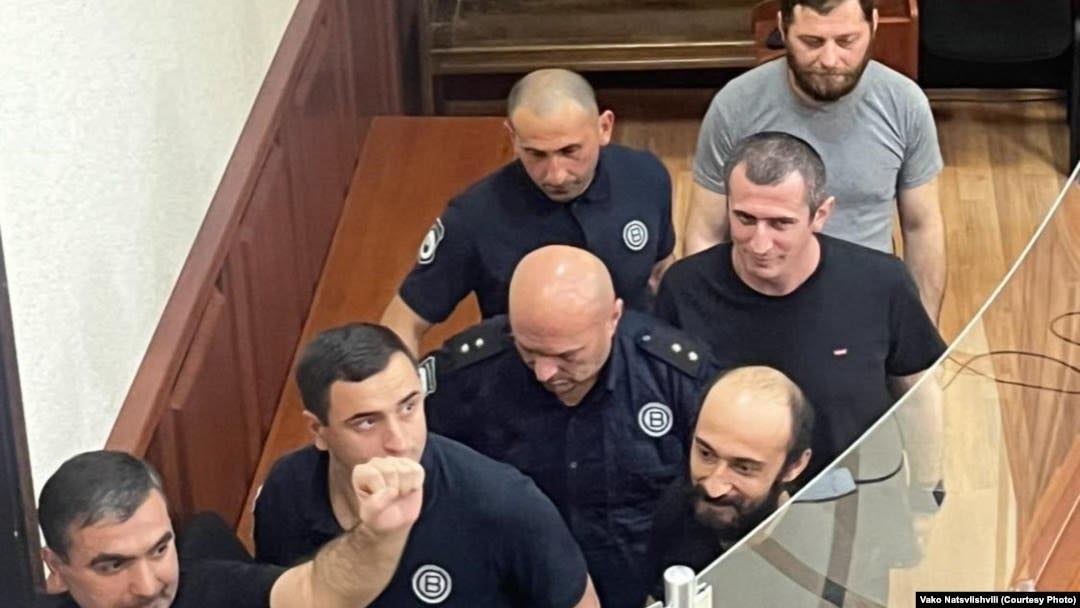
● Four miners from Chiatura have been sentenced to four and six years in prison. They took part in a protest at the mine and are accused of beating the mine director.
● Russian activist Anastasia Zinovkina, who was convicted in Georgia, has been banned from making phone calls, and no one is allowed to visit her in prison.
● Georgia’s Public Defender Levan Ioseliani has filed a lawsuit with the Constitutional Court against the Law on Assemblies and Demonstrations. He is challenging the ban on wearing masks at mass gatherings, including medical masks, as well as the imposition of administrative fines for violating assembly rules and criminal liability for repeated violations.
● Well-known journalist Eka Mishveladze is leaving the popular opposition TV channel Pirveli. She said she intends to start a political career but did not specify which party she will join or what her plans are.
● A Moscow court is hearing in absentia the case against Valeria Kichigina, a journalist with the opposition TV channel Dozhd, over the phrase “20% of Georgia is occupied by Russia,” which she posted on Instagram. Kichigina does not currently reside in Russia. More details here.
● Due to heavy snowfall, blizzard conditions, and poor visibility on the Gudauri–Kobi section of the international highway leading to the Russian border, traffic for all types of vehicles has been banned.
📸 Photo: Chiatura miners at the Kutaisi City Court, surrounded by law enforcement officers. Author: Vako Natsvlishvili.
-
Tuesday, 20 January, Georgia. A total of 159 prisoners have been pardoned, unclear whether any political prisoners are among them
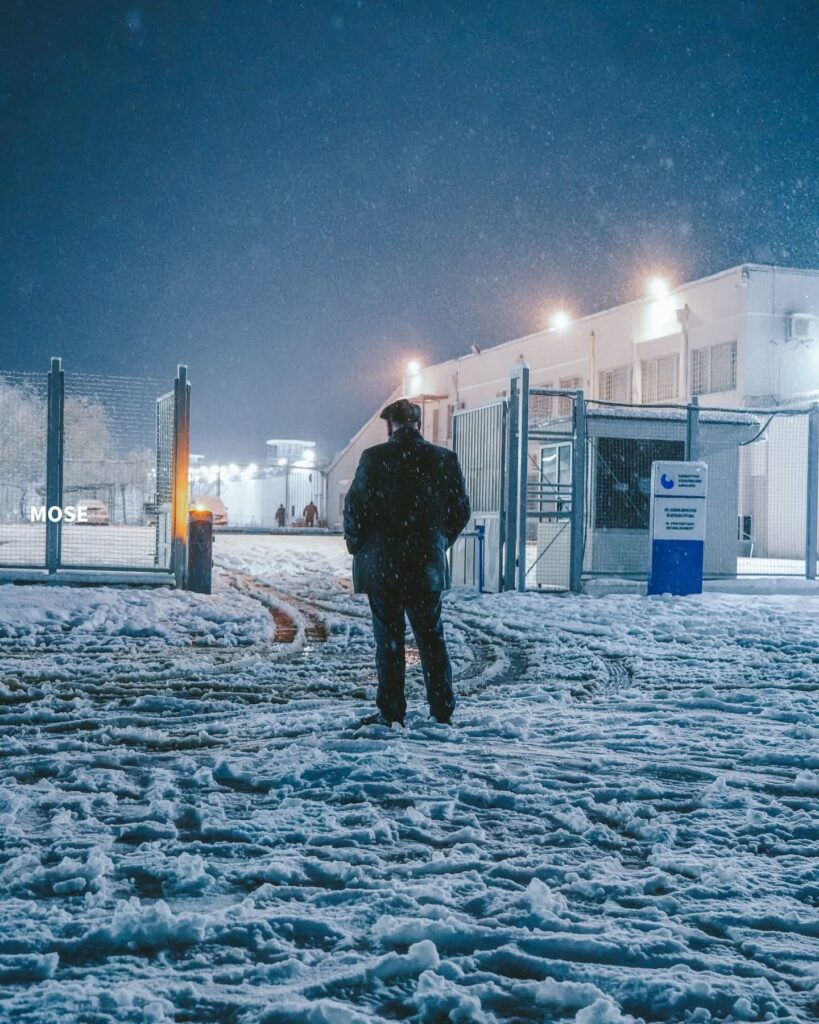
● President Mikheil Kavelashvili of the ruling Georgian Dream party pardoned 159 prisoners in connection with the Orthodox Epiphany holiday. In a statement, the presidential press service said the decision was “based on the principle of humanism and the interests of the state.” The decision was announced late on January 19. As of Wednesday morning, it remains unclear who is included on the list. For more than 24 hours, relatives of dozens of political prisoners held in prisons in the city of Rustavi and the Gldani district of Tbilisi have been standing at prison gates in the snow, hoping their loved ones will be released.
● Archbishop Iakob of Bodbe called for “peace and calm in society.” “Let us call on the government to do this. For years the Church has been saying: let us reconcile — but how do they [different political forces] treat each other? Let us demand that we move toward reconciliation together, and then we will see who wants peace and who does not […] Families must not be divided, friends must not be turned into enemies — this is barbaric, I cannot call it anything else,” he said.
● Georgian Dream MP Gia Volski criticised the archbishop’s remarks. “I believe Archbishop Iakob and the clergy in general should not make political statements or accuse either side, regardless of their political views,” Volski said. He added that it was “very bad” if clergy or laypeople failed to see what he described as a “treacherous plan” against Georgia, one of whose aims, he said, was to divide society. “Any disagreements should be discussed in parliament, not in the streets — especially when people are throwing Molotov cocktails. You cannot side with those throwing Molotov cocktails and then claim the government has destroyed society. That is deception,” Volski said.
● Russian authorities have opened a criminal case in Moscow against Valeria Kichigina, an editor at the independent TV channel Dozhd. She is accused, among other things, of posting critical comments on social media about Russia and the 2008 Russia–Georgia war. Kichigina, who currently lives abroad, wrote on Instagram that “20% of Georgia has been occupied by Russia for 15 years.” A search was carried out at her home in January, and she has been placed on a wanted list.
● A Russian citizen has been arrested in Tbilisi on charges of running a cannabis-growing operation in a rented apartment. The Interior Ministry said the suspect is 46 years old and faces up to 20 years in prison or a life sentence.
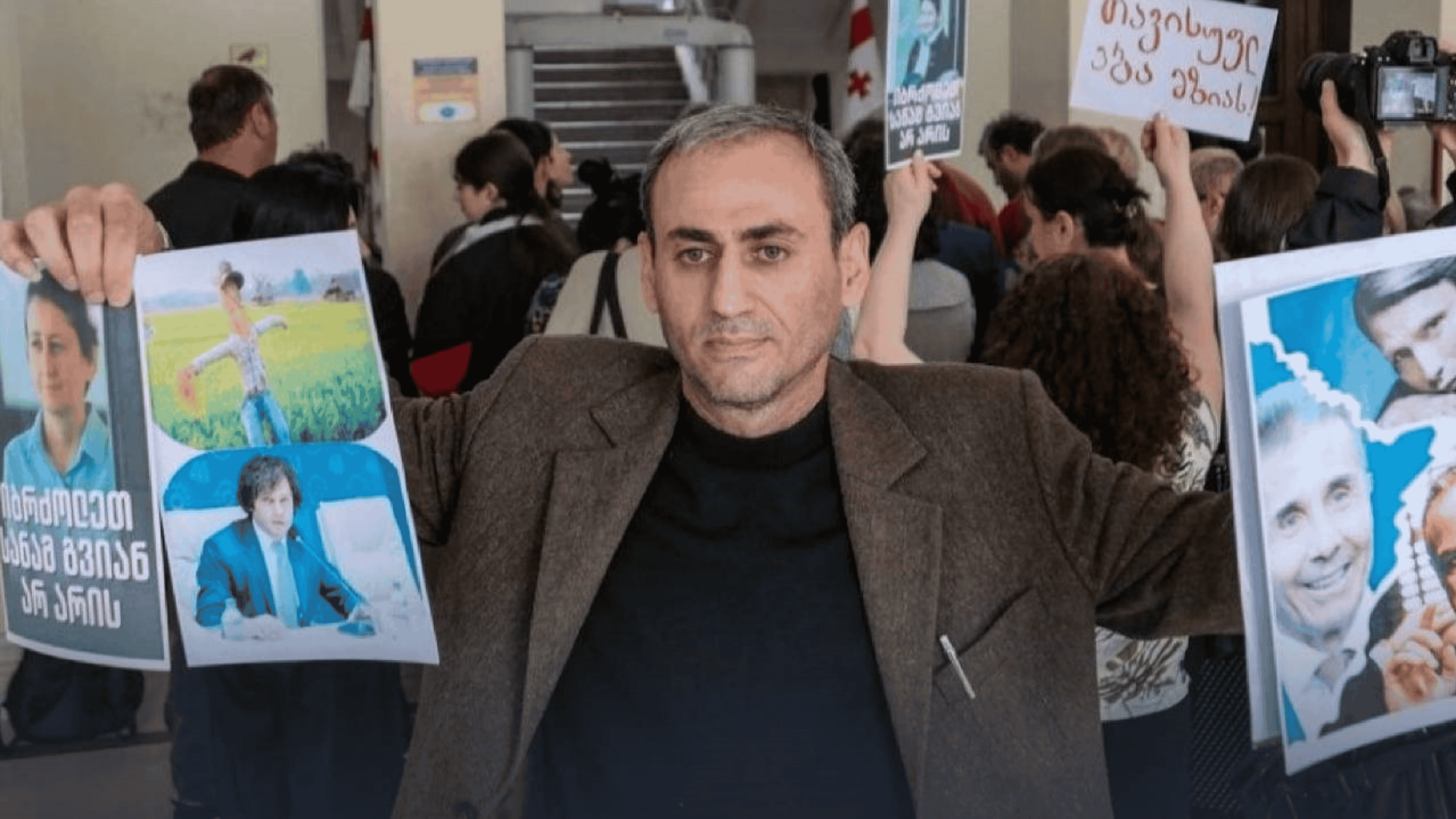
Photo: Malkhaz Amaglobeli, the brother of imprisoned journalist Mzia Amaglobeli, the founder of the popular outlets Batumelebi and Netgazeti, waits at the prison gates in the hope that she will be among those granted amnesty.
-
Tuesday, 20 January, Armenia. Lawmakers from Armenia’s ruling party are proposing to limit the property rights of the Armenian Church
● Prime Minister Nikol Pashinyan has been awarded the Zayed Award for Human Fraternity by the Sheikh Zayed Foundation of the United Arab Emirates. Azerbaijani President Ilham Aliyev is also among the 2026 laureates. The press release said the award was granted “in recognition of sustained efforts to establish peace between Armenia and Azerbaijan, focused on dialogue, confidence-building and the creation of lasting and durable peace in the region.”
● The award highlights the need for joint efforts on the path to peace, Pashinyan’s press secretary Nazeli Baghdasaryan wrote on social media. “The Zayed Award for Human Fraternity is presented to leaders and initiatives that make a significant contribution to strengthening dialogue, mutual understanding and peaceful coexistence among peoples,” she said.
● Lawmakers from Armenia’s ruling party have proposed limiting the powers of the Armenian Apostolic Church. Under current rules, the Church may alienate heritage sites of any type without government approval, provided it notifies the relevant authority in advance. The proposed amendments would make state approval mandatory. “The initiative was prompted by cases in which church-owned property was transferred to private individuals. In one instance, the assets involved were non-religious — apartments registered in the names of family members of a senior church official,” said co-author of the bill, Civil Contract party MP Taguhi Ghazaryan.
● Preparations are under way to transport Russian liquefied gas to Armenia by rail via Azerbaijan, Economy Ministry spokeswoman Lilit Shaboyan said. “We import gas from two countries — Iran and Russia. Problems have arisen in Iran due to well-known circumstances, while the difficulties with Russia are linked to the Upper Lars checkpoint on the Georgian border, which is often closed in winter because of snow and in summer due to landslides,” she said. “This problem will be resolved very soon, as imports of liquefied gas to Armenia will begin by rail through Azerbaijan.”
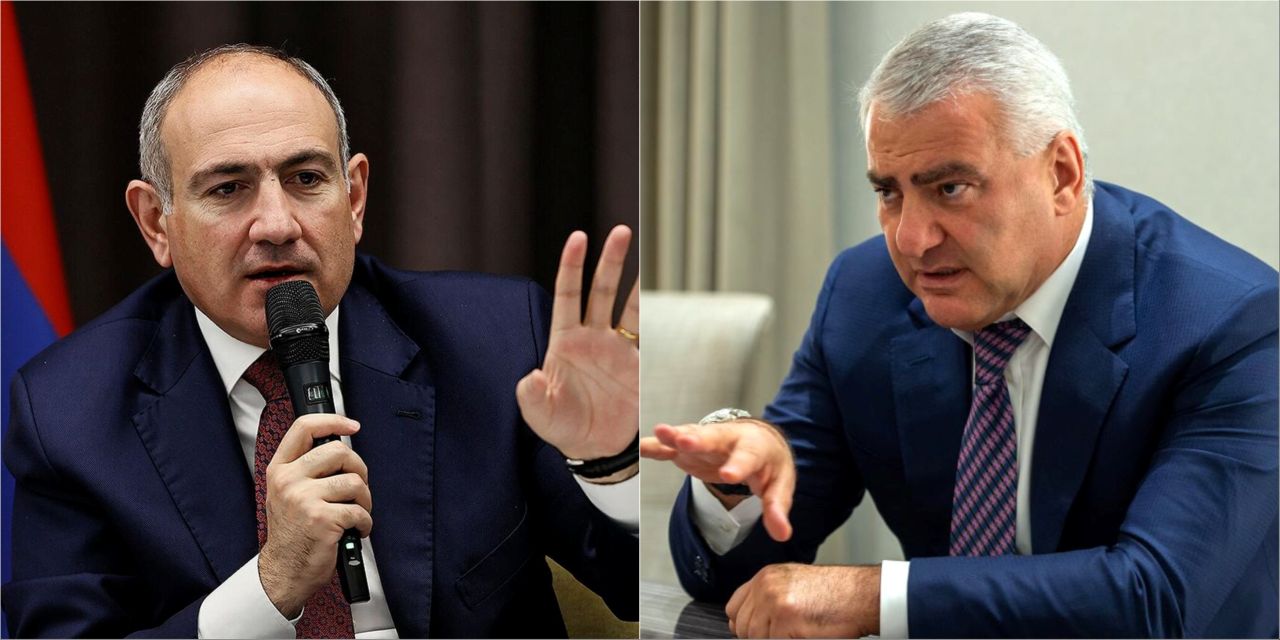
● Supporters of detained Russian dollar billionaire Samvel Karapetyan have registered a new political party called Strong Armenia. Karapetyan has been arrested on charges including calls to overthrow the Armenian government and financial misconduct.
● Turkey is restoring the Alican border checkpoint on its side, while Armenia is restoring the Margara checkpoint, Deputy Speaker of Parliament Ruben Rubinyan told journalists.
● Armenia’s Foreign Ministry and the prime minister have expressed condolences to Spain over the loss of life in a railway disaster.
● Deputy foreign ministers of Armenia and Italy discussed the development of bilateral relations, including the Armenia–EU strategic partnership agenda and preparations for the 8th European Political Community summit and the 17th Conference of the Parties to the Convention on Biological Diversity (COP17), both scheduled to be held in Armenia in 2026.
● Armenia will gain the opportunity to generate revenue from reducing carbon dioxide emissions, Deputy Environment Minister Aram Meymaryan told parliament. He said the government plans to enshrine in law a mechanism for selling so-called carbon credits, which are earned by companies or countries that reduce emissions and can be sold to those exceeding their limits. Meymaryan noted that under the latest international agreements, more than 190 countries have committed to cutting greenhouse gas emissions by 44% from 1990 levels by 2035.
● Armenia’s economy is expected to grow by 4.9% in 2026 and 4.7% in 2027, according to a World Bank forecast.
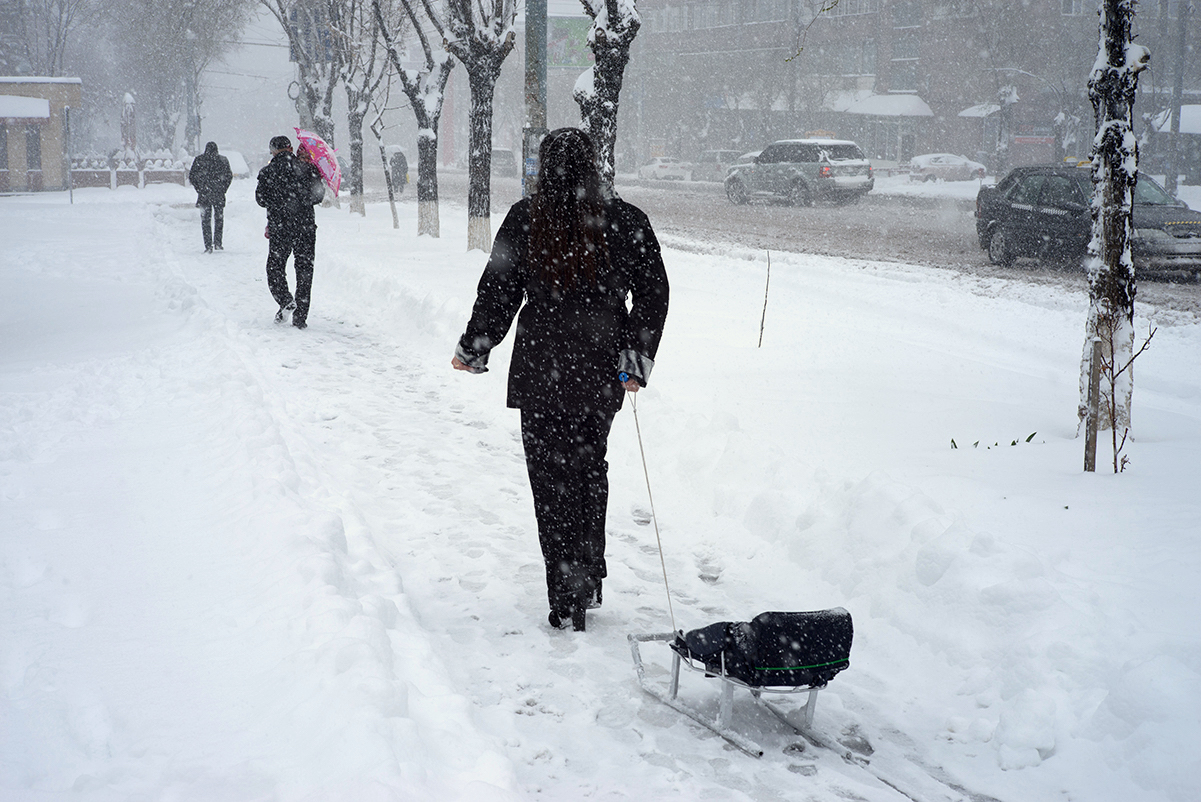
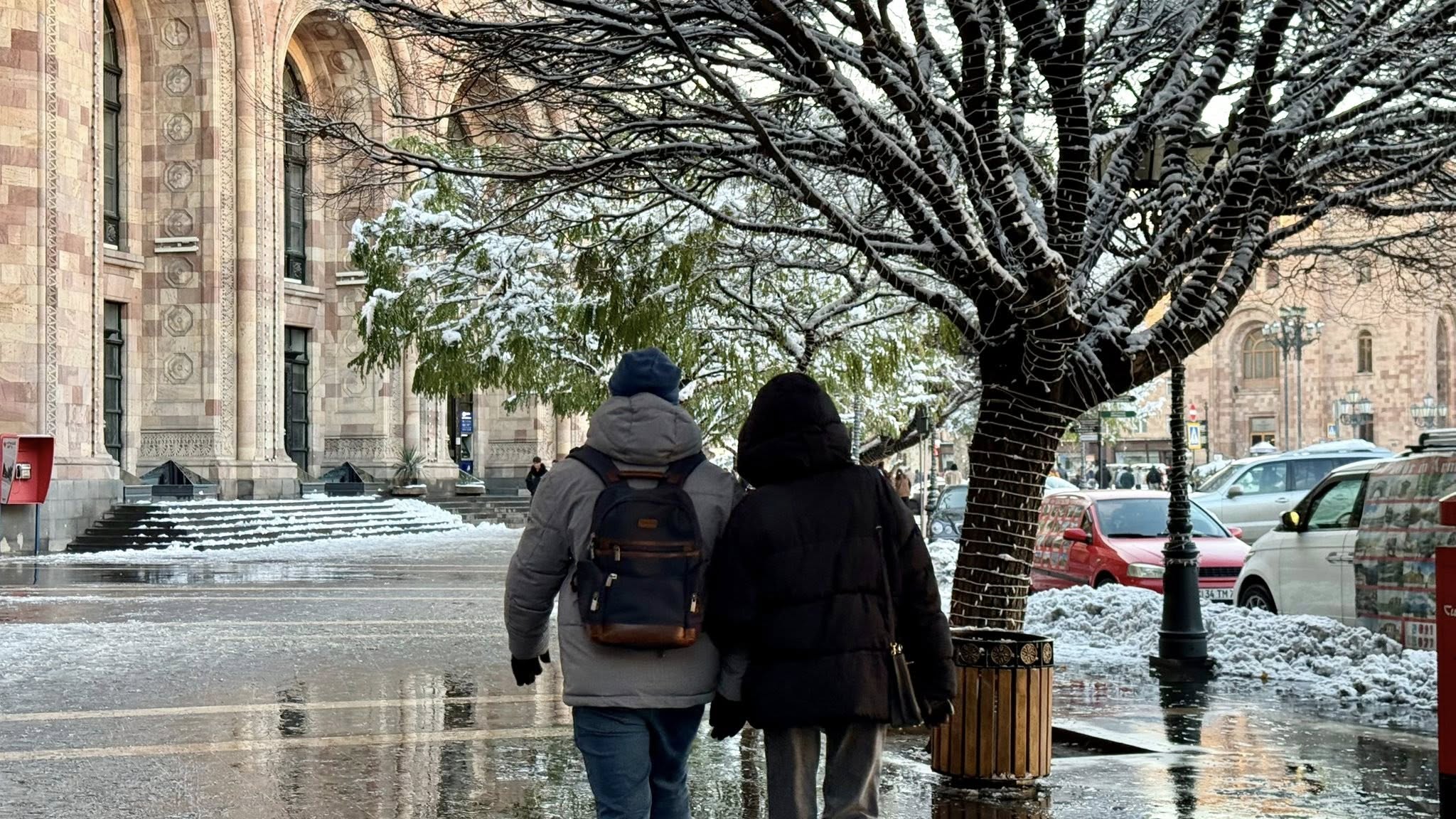
● Rescue services assisted a pregnant woman during a snowstorm in Armenia after an ambulance was unable to reach her. The ambulance could not access the village of Ayrk, and rescuers transported the woman to hospital instead.
-
Tuesday, 20 January, Azerbaijan. The 36th anniversary of 'Black January', when Soviet troops killed 150 peaceful pro-independence demonstrators in Baku
● Today is a day of mourning in Azerbaijan, marking the 36th anniversary of the events known as Black January. On the night of January 19–20, 1990, Soviet troops were deployed in Baku and several regions of Azerbaijan on the orders of Soviet leader Mikhail Gorbachev to suppress the independence movement. The crackdown took place amid a deep crisis in the USSR, escalating conflict between Armenia and Azerbaijan over Nagorno-Karabakh, and growing public anger in Baku over the Soviet authorities’ stance. At the time, mass protests involving tens of thousands of people were held daily in the capital. According to official figures, 150 civilians were killed, 744 people were injured, and four went missing. In 1994, prosecutors in independent Azerbaijan held several senior Soviet officials, including Gorbachev, responsible for the tragedy, though no one was ever held accountable in practice.
● The Foreign Ministry issued a statement to mark the anniversary. “The tragedy of January 20 was an attempt to suppress the Azerbaijani people’s legitimate aspirations for freedom, national dignity and sovereignty. However, this act of violence failed to break the will of the Azerbaijani people […] We once again reaffirm our determination to continue targeted efforts to prevent the recurrence of crimes against humanity and international law such as those committed against our people on January 20, 1990,” the statement said.
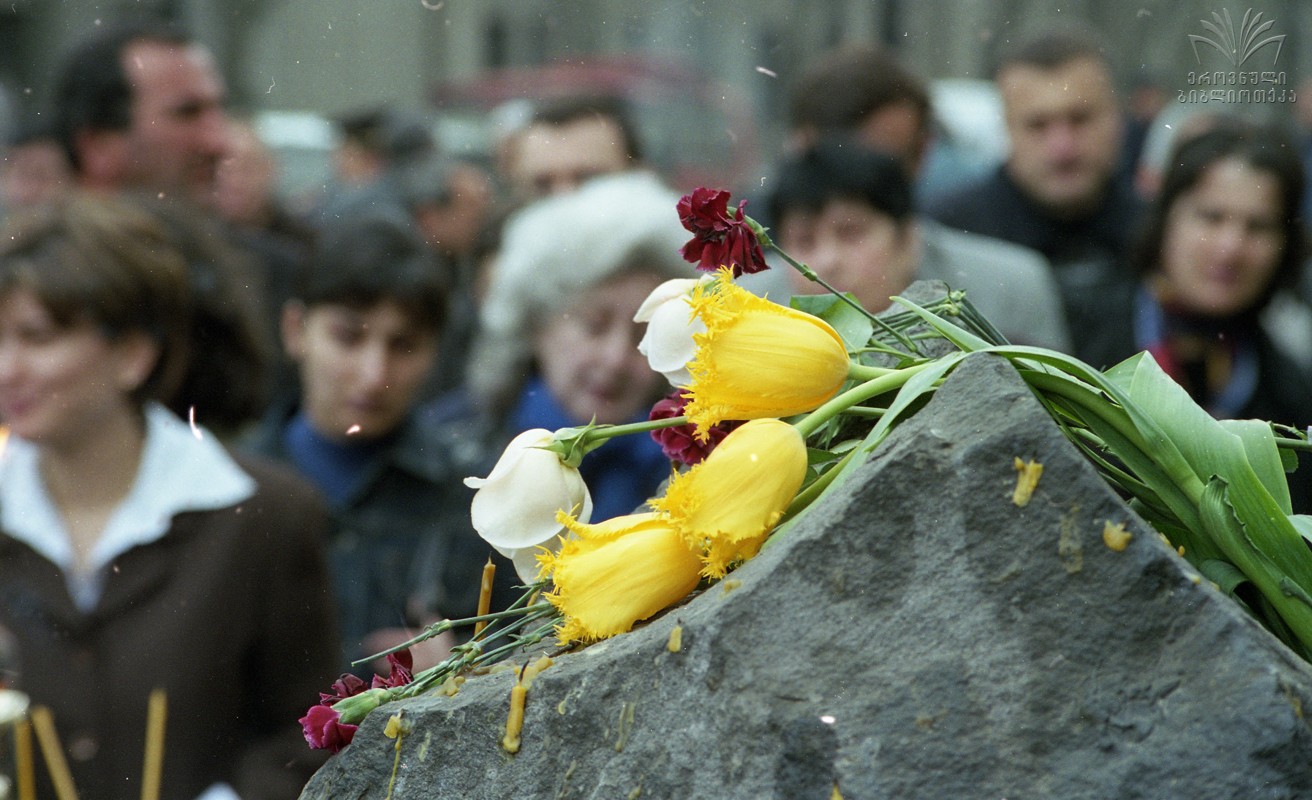
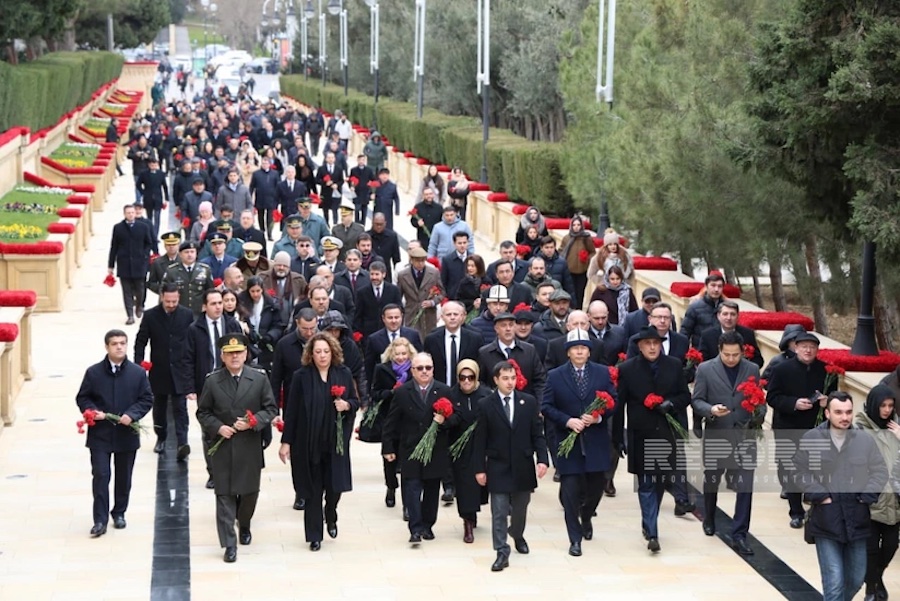
● Members of the diplomatic corps accredited in Azerbaijan visited the Alley of Martyrs in Baku to commemorate the victims of Black January and laid flowers at their graves (pictured).
● U.S. Secretary of State Marco Rubio and Azerbaijani Foreign Minister Jeyhun Bayramov, during a phone call, praised positive developments in U.S.–Azerbaijan relations, according to the U.S. State Department. Rubio welcomed Azerbaijan’s fuel supplies to Armenia, calling them an important gesture demonstrating Baku’s continued commitment to the historic peace agreement between the two countries, reached with the involvement of U.S. President Donald Trump at the White House summit on August 8, 2025.
● Carlsberg Group CEO Jacob Aarup-Andersen expressed satisfaction with conditions for foreign investors in Azerbaijan during a meeting with President Ilham Aliyev in Davos. It was noted that exports of products manufactured by the company in Azerbaijan increased significantly in 2025, and projects using entirely local raw materials were implemented. In particular, a new barley-processing plant — a key raw material for beer production — opened in Imishli. The meeting also noted plans to fully localize packaging production in the future.
● President Ilham Aliyev also met in Davos with executives from other major investors in Azerbaijan, including port operator DP World and renewable energy company Vestas Wind Systems.
● The Sheikh Zayed Foundation of the United Arab Emirates named the President of Azerbaijan and the Prime Minister of Armenia among the recipients of its Zayed Award for Human Fraternity. The foundation said the award was granted for their initialing of an agreement establishing peace and interstate relations, “ending decades of conflict and humanitarian suffering in the Caucasus.”
● NATO Deputy Secretary General Radmila Šekerinska will visit Azerbaijan on January 21, the alliance’s press service said.
● The first Trans-Caspian freight train departed on January 19 from Tianjin in northern China to Baku. Operated by China Railway Beijing Group, the train is carrying stainless steel pipes, household appliances and other goods. It will travel through Kazakhstan and then be transported across the Caspian Sea to Azerbaijan. As a key hub of the Trans-Caspian International Transport Route (the Middle Corridor), Baku will be able to route incoming cargo from China to other countries and regions, according to a press release.
● Russian liquefied natural gas will soon be delivered to Armenia by rail via Azerbaijan, Armenian Economy Ministry spokeswoman Lilit Shaboyan said. Reports say Armenia has faced shortages of liquefied gas in recent days, with prices rising sharply.
● Azerbaijan’s Permanent Representative to the United Nations, Tofig Musayev, outlined Azerbaijan’s approaches to conflict prevention and resolution during a discussion titled “The UN Charter at 80”. “Parties that violate international law often use conflict-resolution mechanisms to consolidate military gains, prolong impunity and delay peace by misinterpreting universally accepted norms and principles. In this regard, further strengthening cooperation against disinformation and misinterpretation is essential,” Musayev said. “It is unacceptable to turn peaceful dispute settlement into a tool for freezing the outcomes of armed conflicts; otherwise, the prohibition on the use of force and the right to self-defense will lose their meaning.”
● The State Statistics Committee reported that Azerbaijan’s population stood at 10,259,701 as of December 1 last year. Since the beginning of 2025, population growth has amounted to 0.3%. Urban residents account for 54.4% of the population, while women make up 50.2%.
-
Monday, 19 January, Armenia. The first batch of Pinaka guided missiles has been shipped to Armenia from India
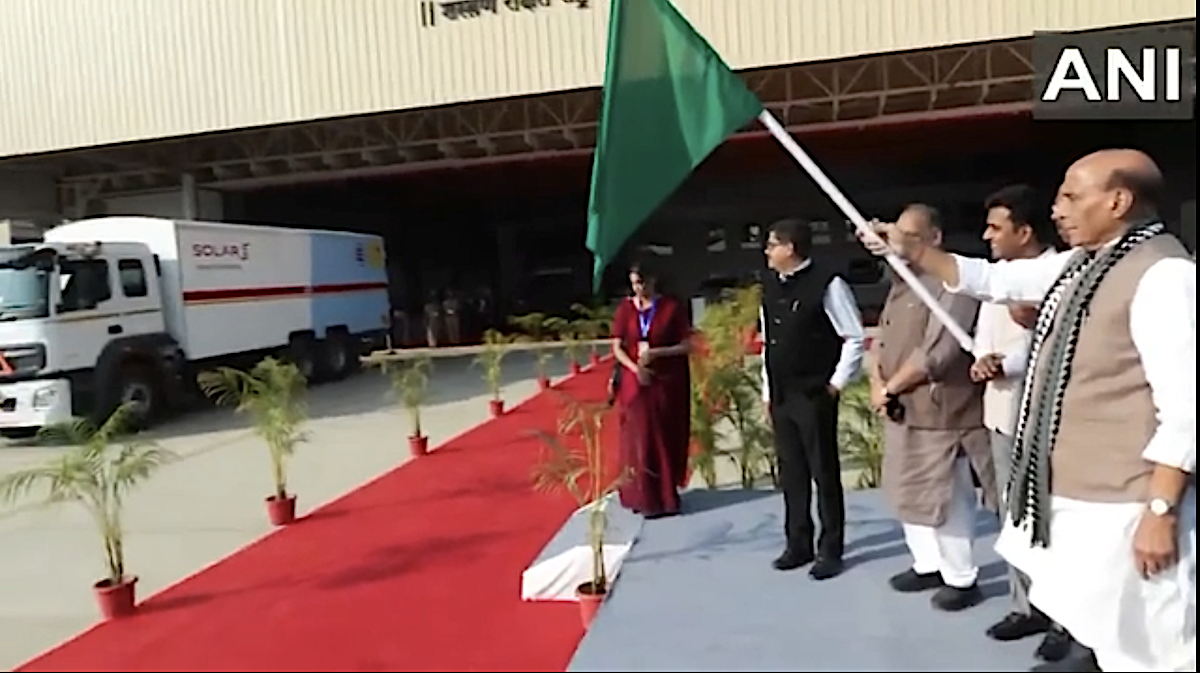
● The first batch of guided Pinaka rockets has been shipped to Armenia from India, from the Nagpur-based plant of Solar Defence and Aerospace Limited (SDAL). India’s Defence Minister Rajnath Singh and senior SDAL officials personally attended the dispatch ceremony (pictured). According to Hindu Business Line, Armenia had earlier signed a contract for the supply of four Pinaka batteries, which also included the export of missiles. Deliveries of the launch systems began in July 2023 and were completed by November 2024. The outlet reports, citing sources, that SDAL will continue shipping the guided rockets to Armenia as they become ready. The Pinaka rockets are also expected to be inducted into service with the Indian Army in the near future, the publication adds.
● Iranians held a protest outside their country’s embassy in Yerevan. Demonstrators carried placards against the Iranian authorities; one read “President Trump, act now.” Seven people were detained for failing to comply with lawful police orders. Armenia’s Interior Ministry said the group intended to hold an unauthorized march, which was therefore banned.
Earlier, Iranian Ambassador Mehdi Sobhani (note: if needed, replace with the exact spelling used by your outlet) criticized protests outside the embassy, saying that “an impression is forming in Tehran that Armenia is becoming a center for forces hostile to Iran.”
Prime Minister Nikol Pashinyan responded that “since 2018, not a single rally has been banned in Armenia, and we could not have acted differently in any particular case.” Read more here● The lawyer of Russian dollar billionaire Samvel Karapetyan, arrested on charges of publicly calling for the seizure of power in Armenia, criticized investigators for interrupting his hospital treatment. On January 16, Karapetyan was transferred from hospital back to a detention center, but a day later a court placed him under house arrest. According to his lawyer, Karapetyan has been diagnosed with COVID-19 and bilateral pneumonia and still requires inpatient treatment. “Before his arrest in summer 2025, he had no health problems,” the lawyer said.
● Vardan Ghukasyan, mayor of Gyumri, arrested on bribery charges, was returned from the Armenia Medical Center to a detention facility, where he had been since January 8. His lawyer said Ghukasyan recently suffered a heart attack, has type 2 diabetes, and that his condition has worsened. She called the transfer back to custody “a crime that could lead to a person’s death” and reported it to the prosecutor’s office.
● The organization SOAR (Society for Orphaned Armenian Relief) sent a letter to UN High Commissioner for Human Rights Volker Türk regarding Ludwig Mkrtchyan, an ethnic Armenian detained in Azerbaijan since 2020. The letter was signed by his wife and legal representative Lusiana Minasyan, who previously represented Vigen Euljekchyan, transferred from Baku to Yerevan days ago along with three other ethnic Armenians. The letter stresses that Mkrtchyan was a combatant and, under the Geneva Conventions, should have been released after the November 2020 trilateral ceasefire agreement. His continued detention is described as a clear violation of international law.
Azerbaijani authorities have previously stated that Mkrtchyan, along with several other Armenian servicemen, was detained as a partisan after hostilities in Karabakh had ended. He has been charged with terrorism and illegal border crossing.
● International rating agency Fitch Ratings has revised Armenia’s outlook from Stable to Positive and affirmed its sovereign rating at BB-. In Fitch’s scale, “A” denotes excellent, “B” good, “C” poor, and “D” very poor, while “+” and “–” indicate intermediate grades. The more letters in a rating, the higher the assessment.
“The Outlook revision reflects Armenia’s higher international reserves and continued solid growth that will support fiscal consolidation consistent with debt stabilisation over the medium term. The US-sponsored peace framework with Azerbaijan significantly reduces near-term military escalation risks, but lingering uncertainty remains regarding its successful conclusion due to the proximity of parliamentary elections and potential constitutional reform referendum” – the Fitch Ratings assessment says.
● Prime Minister Nikol Pashinyan commented: “This is not just a statistical change. It is professional confirmation that Armenia’s economic policy and institutional stability have gained a qualitatively new weight in international markets. It is a vote of confidence in the country’s economic resilience and political will.”
● Armenia and Uzbekistan discussed prospects for cooperation in the agricultural sector. The talks took place during a meeting of deputy ministers on the sidelines of the Global Forum for Food and Agriculture (GFFA). The discussions focused on efficient water use, increasing agricultural productivity, and addressing climate challenges.
-
Monday, 19 January, Azerbaijan. A woman and her four children have been repatriated from Syria to Azerbaijan
● President Ilham Aliyev laid a wreath at the Eternal Flame memorial, honoring the memory of those killed on January 20, 1990. Since then, the date has been observed in Azerbaijan as a national day of mourning.
On the night of January 19–20, 1990, on the orders of Soviet leader Mikhail Gorbachev, Soviet troops were deployed to Baku and several regions of Azerbaijan to suppress the independence movement. This took place amid a deep crisis in the USSR, the escalation of the Armenia–Azerbaijan Karabakh conflict, and growing public anger in Baku over the Soviet authorities’ stance. At the time, tens of thousands of people took to the streets daily. According to official figures, 150 civilians were killed that night, 744 were injured, and four went missing. In 1994, prosecutors in independent Azerbaijan found several senior Soviet officials, including Gorbachev, responsible for the tragedy, but no one has been held accountable in practice.
● Azerbaijan’s public debt is expected to remain below 30% of GDP in the medium term, significantly better than that of similarly rated countries, according to the international rating agency Moody’s. The agency cites continued dependence on the hydrocarbon sector as a weakness, while noting progress in economic diversification policies. Moody’s also positively assessed the peace-related agreements between Azerbaijan and Armenia reached in August 2025, stating that increased diplomatic activity and the easing of some border restrictions could reduce geopolitical risks that previously weighed on the rating. Improved relations with Armenia and a lower risk of escalation are seen as credit-positive factors.
● Five more Azerbaijani citizens — a woman and her four children — have been repatriated from Syria to Azerbaijan. They have been placed in a shelter run by the social services agency and provided with guidance on social integration, access to education, and employment opportunities, the ombudsman’s office reported.
● Tourist flows from Azerbaijan to Georgia increased by more than 33% in 2025, making Azerbaijan the fifth-largest source of tourists to Georgia. The top four were Russia, Turkey, Armenia, and Israel.
-
Monday, 19 January, Georgia. By 2026, the construction of roads within the framework of the Middle Corridor will be fully completed
● Georgia’s State Security Service issued a statement in response to claims by Vepkhia Kasradze, who was detained during protest actions, that an SSS officer had allegedly planned to kidnap his daughter last year. The SSS said it had contacted the Prosecutor’s Office to question the author of the statement as soon as possible and determine what actually took place. “On the one hand, even if one were to theoretically assume the accuracy of the facts described in the statement, they must be thoroughly investigated. On the other hand, no one should be allowed to make such sweeping accusations against their country’s security service of committing a grave crime,” the statement said.
● Georgia’s Interior Ministry has officially authorized opposition protests, marches, and rallies in central Tbilisi through January 29.
● The government plans to fully complete road construction under the Middle Corridor project in 2026, according to the 2026 state budget. This includes finishing the Rustavi–Red Bridge and Algeti–Sadakhlo sections leading to the borders with Armenia and Azerbaijan, as well as building the Batumi–Sarpi road to the Turkish border.
The Middle Corridor follows the route China–Kazakhstan–Caspian Sea–Azerbaijan–Georgia–Turkey–Europe. Georgia joined the project in 2022, at Turkey’s initiative, as part of the transit route.
● Georgia’s external debt rose by 8% in 2025 to $9.29 billion, the Finance Ministry reported. About 74.3% of the debt consists of borrowing from international financial institutions. As of the end of 2025, Georgia’s main creditor countries were France ($872.9 million), Germany ($580.2 million), and Japan ($112.5 million).
● The Georgian Orthodox Church is celebrating Epiphany today. On this day, a liturgy dedicated to the holiday is held in churches. The ritual of blessing water also takes place in churches. After the service, worshippers can take the blessed water home.
● Georgian figure skater Nika Egadze won the gold medal at the European Figure Skating Championships in Sheffield, England.
● Top five countries by number of tourists visiting Georgia in 2025:
Russia – 1.61 million, up 13.4%
Turkey – 1.26 million, down 6%
Armenia – 962,100, up 1.5%
Israel – 411,100, up 32.2%
Azerbaijan – 292,000, up 33%
In the video: A meeting between the artists of the Georgian National Ballet and Robert De Niro after the ensemble’s concert at Carnegie Hall in New York. The ballet’s chief choreographer, Iliko Sukhishvili, says that De Niro is his second favorite actor. His first favorite is his grandfather, Iliko Sukhishvili, the founder of the legendary ensemble. In response, Robert De Niro smiles and recalls visiting Georgia in the 1980s: back then, he ran away from the Moscow Film Festival to Tbilisi to see the actress Ia Parulava.
-
Top stories in Azerbaijan, Armenia, and Georgia from 12-16 January, 2026