'If Russia decides to withdraw its military base, we will not object' – Pashinyan






Pashinyan on the withdrawal of Russia’s military base from Armenia.
“If Russia decides to withdraw its military base from Armenia, we will not object. But if they want to stay, we are ready to discuss that too,” Armenian Prime Minister Nikol Pashinyan said during his regular weekly briefing.
He also said Yerevan does not consider the presence of Russia’s 102nd military base in Armenia vital.
Putin raised the issue after his meeting with Pashinyan in Bishkek, although the Armenian prime minister says they did not discuss the issue either during those talks or before them. Putin said:
“If Armenia believes that Russia’s military base is not needed in Armenia, we will leave tomorrow if necessary. Is Armenia ready for that? Fine, we will not impose anything on anyone. But if the Armenian people want some kind of Russian military ‘wing’ there, we will stay. We will work and cooperate.”
Pashinyan also commented at the briefing on the issues he discussed with Putin in Bishkek. In particular, he once again explained Armenia’s position on its membership in the Russian-led Eurasian Economic Union, Russia’s concession to operate Armenia’s railways and the construction of a new nuclear power plant.
- ‘We have proved that Armenia is not a province, but a crossroads’ — Pashinyan
- Armenia seeks alternatives amid concerns over possible Russian gas price hike
- What Pashinyan and Putin agreed in Bishkek amid peak tensions in relations
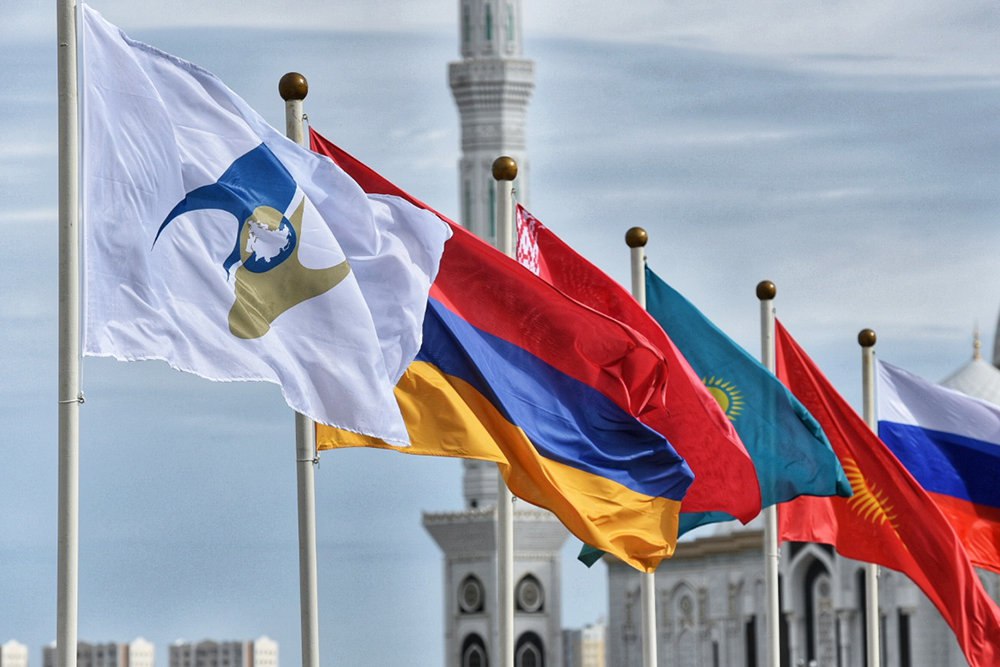
Armenia cannot be forced to hold a referendum
“And who said that all EAEU member states swore allegiance and would remain members of the EAEU for their entire existence?”
That was Pashinyan’s answer to a question about Armenia’s membership in the Russian-led EAEU. He gave it among the first answers at the briefing. The issue also dominated the open part of the Pashinyan-Putin talks.
For several months, Russia has been calling at various levels for Armenia to hold a referendum on membership of the EAEU or the European Union. The Russian president also insisted on this at the meeting in Bishkek.
“The adoption of the law to begin Armenia’s accession to another organisation amounts to a declaration that it is leaving ours,”* Putin said.
Pashinyan explained to the Russian president, and repeated at the briefing, that under the union’s charter, a country must give six months’ notice before ending its membership. However, Armenia has no such intention for now.
He said he continues to explain this to his Russian partners, trying to make Armenia’s position “clearer and more acceptable”.
One journalist who raised the issue described Putin’s tone towards Pashinyan as “harsh”. He said Moscow was taking a tough line and forcing Yerevan to choose between the EAEU and the EU. Armenia’s prime minister replied:
“I am also giving the Russian president a tough choice. I say: this cannot continue, the issue of the railway concession must be resolved. Why is there no headline saying ‘Pashinyan gives Russian president a tough choice’?”
Pashinyan himself believes Armenian media do not use such headlines because the country still follows the “logic of subordination to the Central Committee of the USSR”. In his view, that logic produces the following reaction: “They called from Moscow, we urgently need to bring out the cognac.”
At the same time, the prime minister stressed his position: Armenia cannot be forced to hold a referendum.
He said the country’s Constitution requires a referendum before joining a supranational organisation. However, Armenia should hold one only when the issue “is ripe”. This would mean, in particular, when Armenia applies for EU membership or at least sets out its roadmap. Holding a referendum before that, he argued, would mean asking citizens to go to polling stations before anyone has formulated the question or decided what answers they can choose.
Selling the railway concession is the best solution
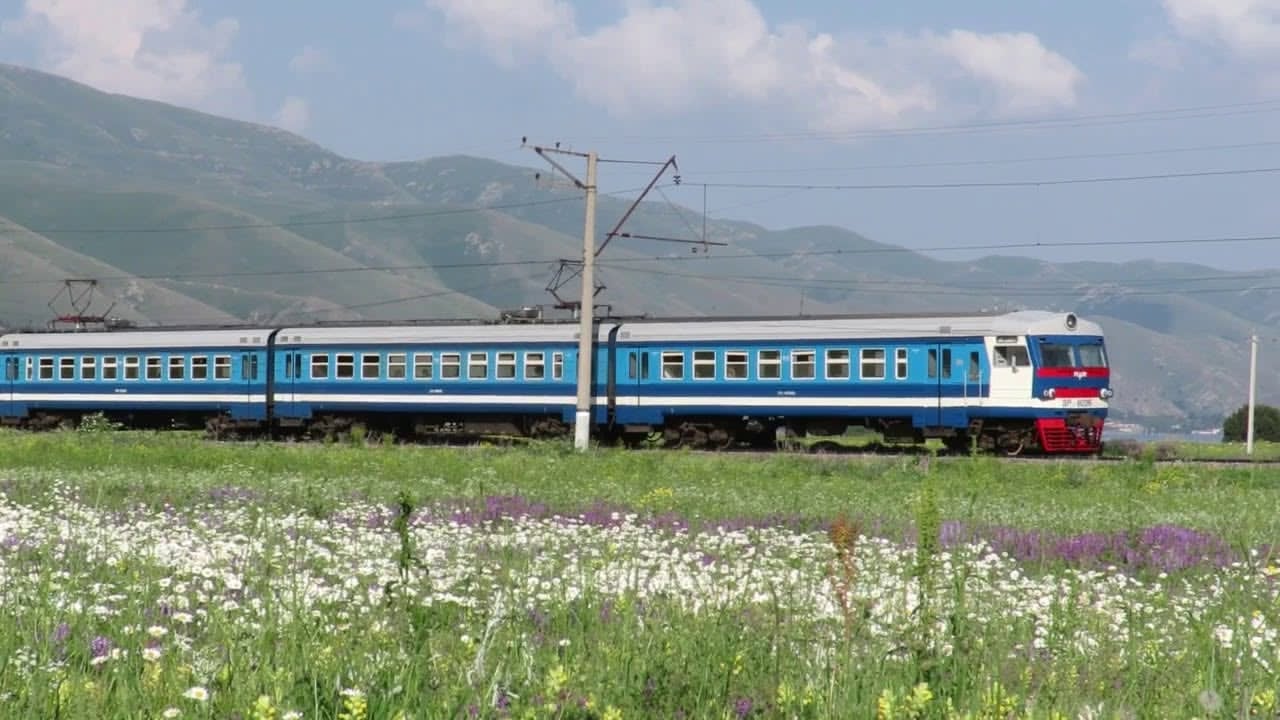
Pashinyan said he discussed the future of South Caucasus Railway with Putin. This issue is, incidentally, more important to the Armenian side. For a long time, Armenia’s authorities have been telling their Russian partners that the country is losing its competitive advantage in developing regional railway links because Russia controls the Armenian railway.
Since 2008, the company South Caucasus Railway has operated Armenia’s railway under a concession agreement. Russian Railways owns 100% of the company. The agreement grants the concession for 30 years. However, since 2008, freight traffic on Armenia’s railways has halved, some routes have stopped operating, and the investment commitments have remained unfulfilled.
The Armenian prime minister therefore proposed selling the concession to a third country that is friendly to both Armenia and Russia. Russian partners described the proposal as “strange and largely unacceptable”.
However, Pashinyan said the following about the outcome of his meeting with Putin:
“We reached an understanding that the current situation cannot continue for much longer. We need to resolve this issue somehow. Both Armenia and Russia understand that one possible solution would be to sell the concession rights to a third party acceptable to both Armenia and Russia. Frankly, I think this is the best solution. The other options seem unrealistic.”».
Moscow to present proposals for building a new nuclear power plant
According to Pashinyan, Rosatom CEO Alexei Likhachev will visit Armenia in September.
“He will present Armenia with proposals on what Russia can offer today for the construction of a new nuclear power plant. I have already said that we do not see the nuclear power plant as a geopolitical choice. We need the best value for money. We will go with whoever makes the best offer,” the prime minister said.
He said Armenia would consider all possible options, whether a small modular reactor proposed by Western partners or a conventional Russian nuclear power plant:
“We have never said that the Russian proposal cannot be the best one, including in terms of modular reactors. It is not the case that Russia has no proposal for modular reactors. However, there are a number of important factors: the price, the payback period, the construction time and the financing arrangements.”
Nikol Pashinyan said work on the issue had intensified and that Armenia should make a decision within a year.
He said Armenia initially favoured a small modular reactor, but “desire is one thing and reality is another”.
The problem is that experts are concerned about the lack of experience in building modular nuclear power plants and the potential risks.
According to the prime minister, if there are no operating or licensed modular nuclear power plants anywhere in the world when Armenia makes its decision, this will create “uncertainty” and make the decision very difficult.
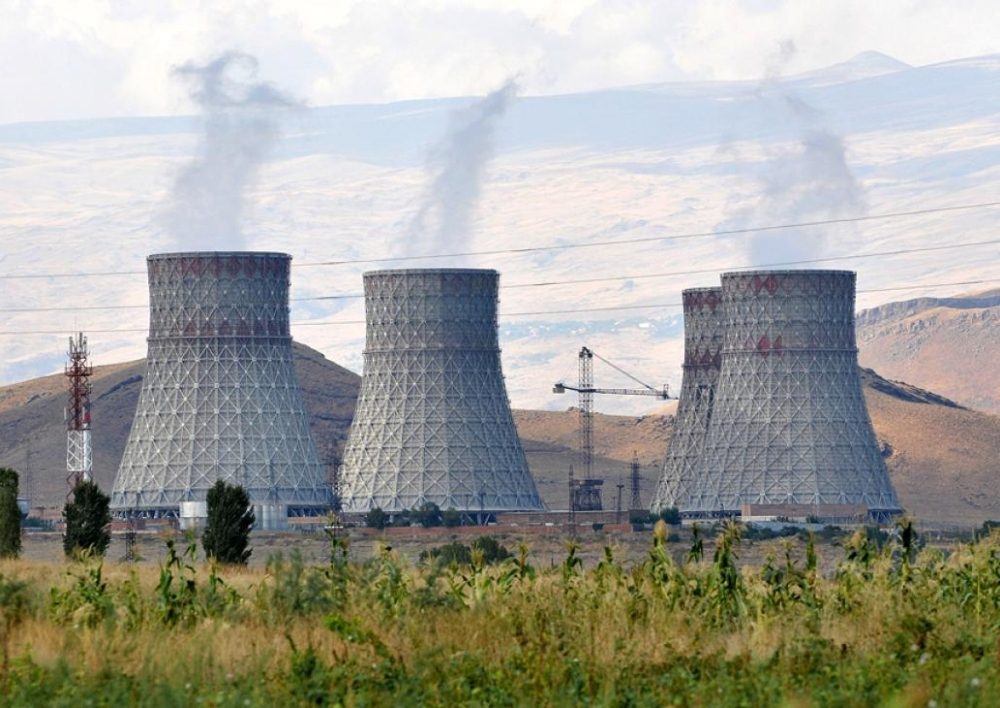
At the same time, he said work was continuing to extend the operating life of the existing Metsamor nuclear power plant beyond 2036.
No plans to introduce visas for Russian citizens
Russian Foreign Ministry spokeswoman Maria Zakharova said that “if Armenia suddenly introduces visas as well, it will not introduce them against us — it will introduce them against its own citizens”. She also said the move would affect Russian citizens who have relatives in Armenia.
Importantly, no one in Armenia had suggested introducing a visa regime for Russian citizens before her statement.
“We have absolutely no such intention, and never have. It has never even crossed our minds. We are very happy to welcome tourists from Russia. We can see that they have now become very active in promoting Armenia’s tourism attractions. Society also welcomes these people. And they themselves seem to feel quite comfortable in Armenia. We are happy to have them, just as we are happy to welcome tourists from other countries,” the prime minister said.
Pashinyan on the withdrawal of Russia’s military base from Armenia