Georgia's 2024 population census: Key findings






Georgia’s 2024 population census shows that the country has changed over the past decade not only in size but also in its geographical distribution.
Since the previous census in 2014, Georgia’s population has grown. As of 14 November 2024, the country had a population of 3,929,581, an increase of 215,777 people compared with 2014.
However, the most significant trend goes beyond overall population growth.
The census shows that the population is becoming increasingly concentrated in a small number of cities and regions, while much of the country is losing residents. Tbilisi, Adjara and Kvemo Kartli have all recorded population growth. Every other region has seen its population decline.
The data comes at a time when Georgia has undergone a series of major political and social changes. Over the past decade, the country experienced the Covid-19 pandemic, Russia’s full-scale invasion of Ukraine and the migration flows that followed. In 2024, Georgia adopted the Law on Transparency of Foreign Influence, triggering large-scale protests and strong criticism from Western partners. During the same period, the government’s anti-Western rhetoric also became more pronounced.
Although the census does not measure the impact of these political developments, it provides important context. It offers a snapshot of what Georgia looks like after a decade of change and highlights the demographic, economic and political shifts that have reshaped the country.
Population grows, but unevenly
The 2014 census recorded a population of 3,713,804. By 2024, that figure had risen to 3,929,581, representing growth of 5.8%.
The increase is significant because Georgia’s demographic trend since the 1990s has largely been associated with population decline. However, the latest census does not suggest that the entire country is growing at the same pace.
Population growth has been highly uneven.
Compared with 2014, Tbilisi’s population has grown by 20.1%. Adjara has recorded growth of 20.7%, while Kvemo Kartli’s population has increased by 4.2%.
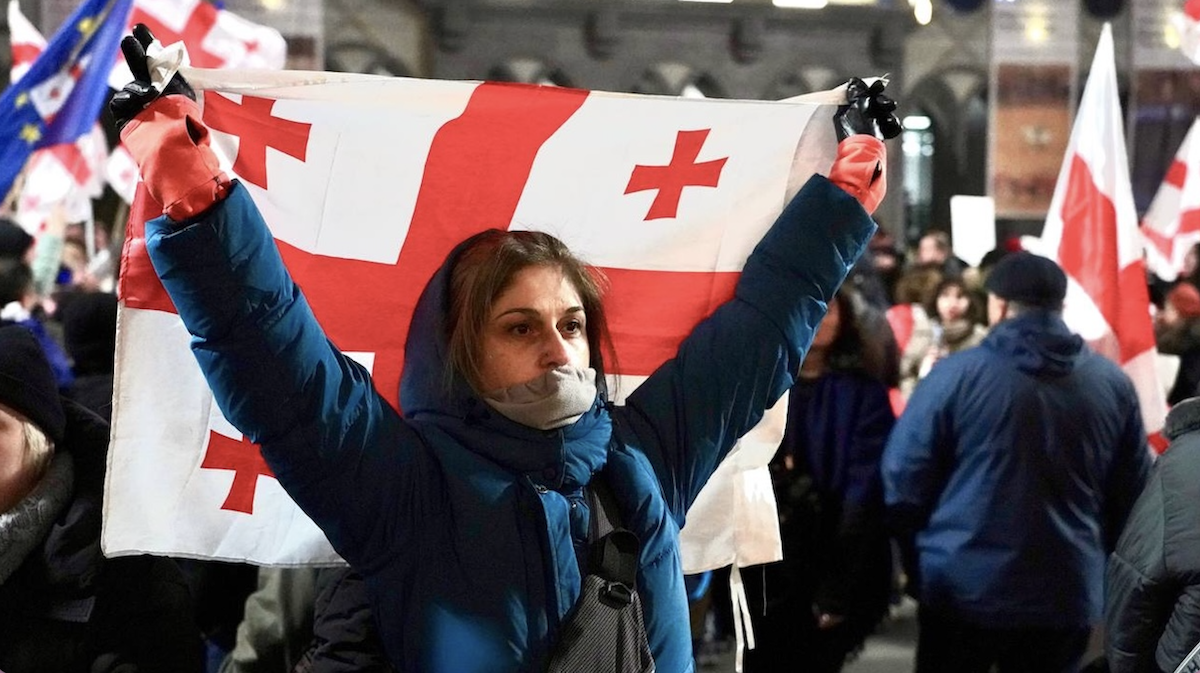
Every other region recorded a population decline.
Guria experienced the steepest percentage drop, losing 9.7% of its population. Samegrelo-Zemo Svaneti recorded a decline of 7.6%, while Racha-Lechkhumi and Kvemo Svaneti lost 6.8%. The population also fell in Kakheti, Imereti, Shida Kartli and Samtskhe-Javakheti.
As a result, the overall increase tells only part of the story. Georgia’s population has grown, but that growth has concentrated in just a handful of regions.
Georgia becomes more urban
According to the 2024 census, 62.5% of Georgia’s population now lives in urban areas, while 37.5% lives in rural communities.
Compared with 2014, the urban population has increased by 332,821 people. Over the same period, the rural population has fallen by 117,044.
This is one of the clearest trends revealed by the census.

In other words, Georgia is becoming increasingly urbanised. Most population growth is taking place in cities, while rural areas continue to lose residents.
This shift is more than a change in where people live. It has implications for schools, healthcare, public transport, land use and local economies.
Tbilisi strengthens its position as the country’s main population centre
In 2024, Tbilisi had a population of 1,331,485, an increase of 222,768 compared with 2014.
That means roughly one in every three people in Georgia now lives in the capital.
Tbilisi has long been the country’s largest city. However, the latest census shows that it is no longer just Georgia’s administrative and economic centre. It is also becoming increasingly dominant as the country’s main demographic hub.
Several factors help explain this trend.

The first factor is internal migration. People have been moving from the regions to Tbilisi for many years, most often in search of jobs, education, healthcare and better access to services.
The second is urban concentration. As much of the country’s economic activity centres on the capital, people increasingly follow.
The third is the infrastructure gap. For many Georgians, Tbilisi offers opportunities and services that smaller towns and rural areas cannot.
Batumi is the fastest-growing city
The highest population growth was recorded in the Black Sea resort city of Batumi. Compared with 2014, its population has increased by 54.2%, reaching 235,668.
Natural demographic change alone cannot explain Batumi’s growth. The census does not identify the reasons behind the increase. However, growth on this scale is typically associated with migration, construction, tourism, economic activity and changes in the housing market.
In recent years, Batumi has been one of Georgia’s fastest-growing urban centres. Construction has expanded, tourism infrastructure has developed, and the real estate market has grown. Regional migration after 2022, including the arrival of people from Russia, Ukraine and Belarus, has also influenced the city’s population.
Many regions continue to lose population
The regional picture is one of the census’s most significant findings.
The population declined in Guria, Imereti, Kakheti, Shida Kartli, Samegrelo-Zemo Svaneti, Samtskhe-Javakheti, Mtskheta-Mtianeti, and Racha-Lechkhumi and Kvemo Svaneti.
This is not simply a problem affecting individual regions. It reflects a broader national trend, with much of Georgia continuing to lose population.
Guria recorded the sharpest decline. Its population fell from 113,350 to 102,408.
Samegrelo-Zemo Svaneti lost 25,164 residents, one of the largest declines in absolute numbers.
Imereti’s population fell by 23,165, while Kakheti lost 14,750 residents and Shida Kartli 11,646.
An exception
Alongside Tbilisi and Adjara, Kvemo Kartli also recorded population growth. The region’s population increased from 423,986 to 441,630, a rise of 4.2%.
The figures are significant because Kvemo Kartli does not fit the typical pattern of tourism-driven growth seen in Adjara, nor is it the capital, like Tbilisi.
However, the region lies close to Tbilisi and plays an important industrial and agricultural role. It is also home to a large ethnic Azerbaijani community.
The census does not explain which of these factors contributed most to the increase.
Georgia becomes more diverse in terms of citizenship
The number of Georgian citizens living in the country increased by 2.5%. However, their share of the total population fell from 99.2% to 96.1%.
At the same time, the number of foreign citizens permanently residing in Georgia rose to 133,857.
The five largest foreign national groups are:
- Russia — 37,715 people (4.9 times more than in 2014)
- India — 23,925 (57.5 times more)
- Ukraine — 11,542 (7.1 times more)
- Azerbaijan — 8,309
- Armenia — 5,381
In terms of ethnicity, the share of ethnic Georgians fell from 86.8% to 84.1%, despite a 2.5% increase in their absolute number, which reached 3,304,075.
The second-largest ethnic group is Azerbaijanis, who make up 6.8% of the population. Their number has increased by 15.4%.
Armenians remain the third-largest ethnic group, accounting for 4.3% of the population.
The census also recorded sharp percentage increases in the number of people identifying as Russian (60.8%) and Ukrainian (139.4%).
By contrast, the Ossetian population has declined by 12.3%.
Religion and mother tongue
The number of Orthodox Christians has increased by 4.1% to 3,223,206. However, their share of the total population has fallen from 83.4% to 82%.
The number of Muslims has grown by 9.7% to 437,458, representing 11.1% of the population.
The number of followers of the Armenian Apostolic Church has declined by 6.7%.
For 85.1% of the population, Georgian is their mother tongue. Azerbaijani is the native language of 6.8% of the population, an increase of 14.7%. Armenian is the mother tongue of 3.5%, a decline of 3.7%, while Russian accounts for 1.4%, an increase of 18.6%.
The number of people identifying Ossetian as their mother tongue has fallen by 32.6%.
Population ageing and gender balance
Women make up 52.1% of Georgia’s population (2,048,577), while men account for 47.9% (1,881,004).
According to the 2024 census, the share of people aged 65 and over has increased to 17.6%, indicating that Georgia’s population continues to age.
At the same time, the share of children aged 0-14 has also increased, reaching 19.6%. The proportion of the population aged 15-64 has declined to 62.8%.
The figures do not point to a single, clear conclusion.
On the one hand, the growing share of older people is likely to increase pressure on healthcare, social protection and pension systems.
On the other hand, the rise in the proportion of children suggests that Georgia’s age structure is changing in ways that extend beyond population ageing alone.
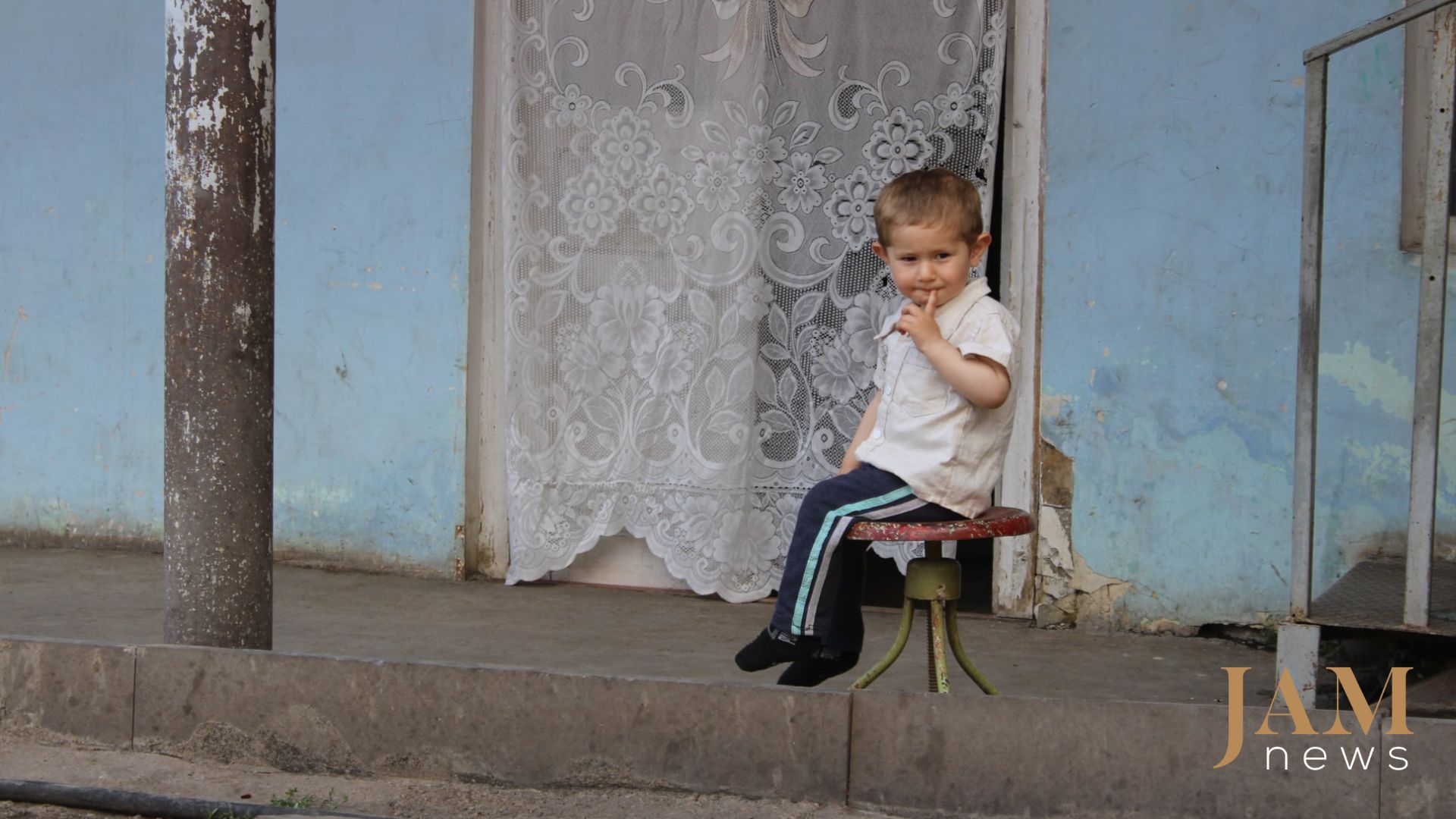
The most significant change is the shrinking share of the working-age population. This group forms the backbone of the labour market, and its decline raises long-term economic concerns.
Agricultural data
The census covered more than just the population. It also collected agricultural data.
As of 1 October 2024, Georgia had 809,100 hectares of agricultural land, 2.7% more than in 2014.
At the same time, the country’s cattle herd stood at 841,000, down 15% compared with 2014.
Taken together, these figures show that changes in farmland alone do not provide a complete picture of the agricultural sector. While the recorded area of agricultural land has increased, livestock numbers have fallen.
Conclusions
The 2024 census is neither a political nor an economic study. It does not explain why some regions are growing while others are shrinking.
Nor does it show how much of the demographic change results from internal migration, emigration, births, deaths or immigration.
What it does provide is an accurate baseline picture:
- Georgia’s population has grown, but unevenly.
- Tbilisi and Batumi have become even more dominant demographic centres.
- Most regions are losing population.
- The rural population continues to decline.
- The share of foreign citizens has increased.
- The country’s age structure is changing.
Georgia’s 2024 census: Key demographic trends