Azerbaijan security service terrorism case spans five countries - what is known so far?






Azerbaijan security service operation in five countries
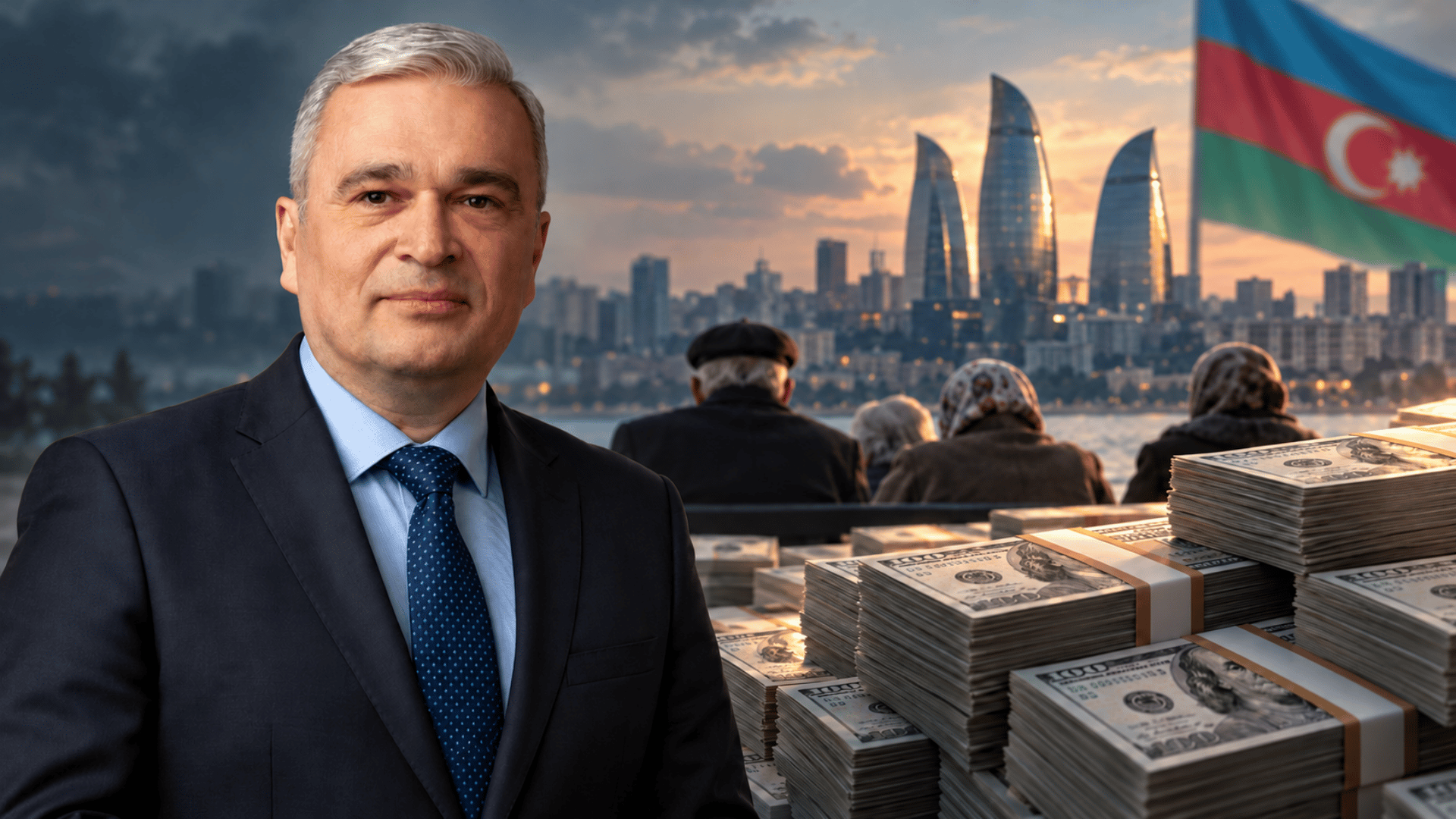
Azerbaijan says money collected for religious ceremonies was transferred to terrorist organisations using cryptocurrency. In a statement issued on 18 September, the State Security Service (SSS) said the alleged financing scheme and preparations to assassinate public and religious figures were being investigated as part of the same criminal case.
However, the statement published by the media does not specify the amount of money involved, the organisations alleged to have received it, or the five countries where the operations were carried out.
Information available from open sources does not allow the scale of the case to be independently verified. Available reports largely repeat the account provided by the agency conducting the investigation.

Charges brought
The SSS named the defendants as Vugar Abdullayev, Jalal Hajiyev, Javid Aliyev, Nijat Ahmadov, Nazim Aliyev, Ilkin Hasanzade, Aykhan Huseynov, Elshan Asgarov, Fakhraddin Imanov, Nail Rasulov and Elgun Ismayilov. Although the statement says 10 people were detained, it lists 11 defendants. The reason for the discrepancy is not explained.
They have been charged under Criminal Code articles relating to financing terrorism, forming a criminal organisation, preparing an assassination attempt against a state or public figure, and other offences. According to the SSS, a court ordered the defendants to be remanded in custody.

Link between two strands of case
In the SSS account, Jalal Hajiyev’s name appears both in connection with the alleged assassination plot and the financing scheme. The agency says Vugar Abdullayev and other defendants gathered information about the movements and security arrangements of the alleged targets. Hajiyev, meanwhile, is alleged to have used his contacts abroad to arrange money transfers to people involved in armed conflicts, as well as to terrorist organisations.
Although the two strands are being investigated as part of the same case, the SSS does not specify how they are linked financially. Were the funds allegedly transferred abroad used to finance preparations for the assassination attempts in Azerbaijan? Although some of the same individuals feature in both strands of the case, no evidence has been presented to establish a link between the movement of funds and the planning of the alleged attacks.

How was money traced?
According to the SSS, the funds were collected through fake advertisements posted on social media, purportedly seeking donations for religious ceremonies. The agency says investigators obtained evidence showing where the money came from and how it was transferred.
To independently assess these claims, key evidence would include an archive of the advertisements, payment details, transaction dates and information about the recipients. It is also unclear whether those who transferred the money knew its alleged true purpose or were themselves deceived – a distinction that could imply different degrees of responsibility.
The reference to cryptocurrency alone does not explain how the alleged financing scheme worked. The SSS does not say which digital assets were used, who controlled the addresses involved in the transactions, or how investigators established links between the recipients and terrorist organisations.
A 2023 report by the Financial Action Task Force (FATF) describes the risks of social media fundraising and the use of virtual assets for terrorist financing. It also highlights the difficulty of proving that funds were intended for terrorist purposes and stresses the importance of protecting legitimate charitable activity.
International experience suggests that the mechanism described by the SSS is possible in principle. However, the allegations against specific individuals would need to be supported by evidence in the criminal case. So far, that evidence has not been made public.