'De facto annexation': Russia and South Ossetia sign new alliance agreement






On 9 May, Russian President Vladimir Putin and South Ossetian leader Alan Gagloev signed a “Treaty on Deepening Allied Cooperation between the Russian Federation and the Republic of South Ossetia” at the Kremlin.
The agreement has already been submitted to the Russian parliament for ratification.
Putin said Moscow would continue supporting South Ossetia’s economy and social sector.
The terms of the treaty suggest South Ossetia is moving towards de facto integration with Russia. However, full formal annexation still appears unlikely in the near future.
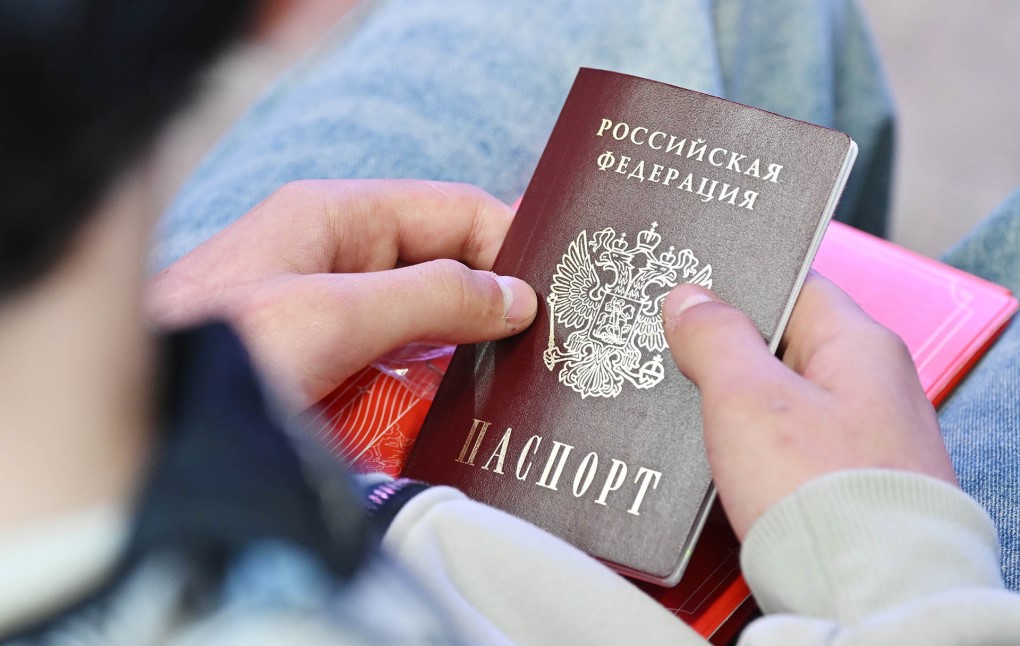
The new alliance treaty envisages deeper co-operation between Russia and South Ossetia “to ensure regional peace and stability, and to pursue co-ordinated foreign, defence and security policies”.
The document also states that both sides intend to work towards “improving socio-economic conditions, developing infrastructure and human capital, harmonising legal norms, and creating favourable conditions for the free movement of capital, goods, services and labour”.
In addition, Russia and South Ossetia say they will take “further steps towards creating a unified economic space, improving living standards, and gradually introducing a common framework for foreign borrowing and foreign investment”.
The explanatory note accompanying the bill says the two sides support “the gradual integration of energy — including gas transit — and transport systems, as well as communications and telecommunications infrastructure”. It also says they aim to expand co-operation in labour, social and cultural policy.
The treaty has already been described as historic. South Ossetian leader Alan Gagloev called it “a step towards the reunification of the Ossetian people”, saying it would help create a legal mechanism for South Ossetia’s future accession to the Russian Federation.
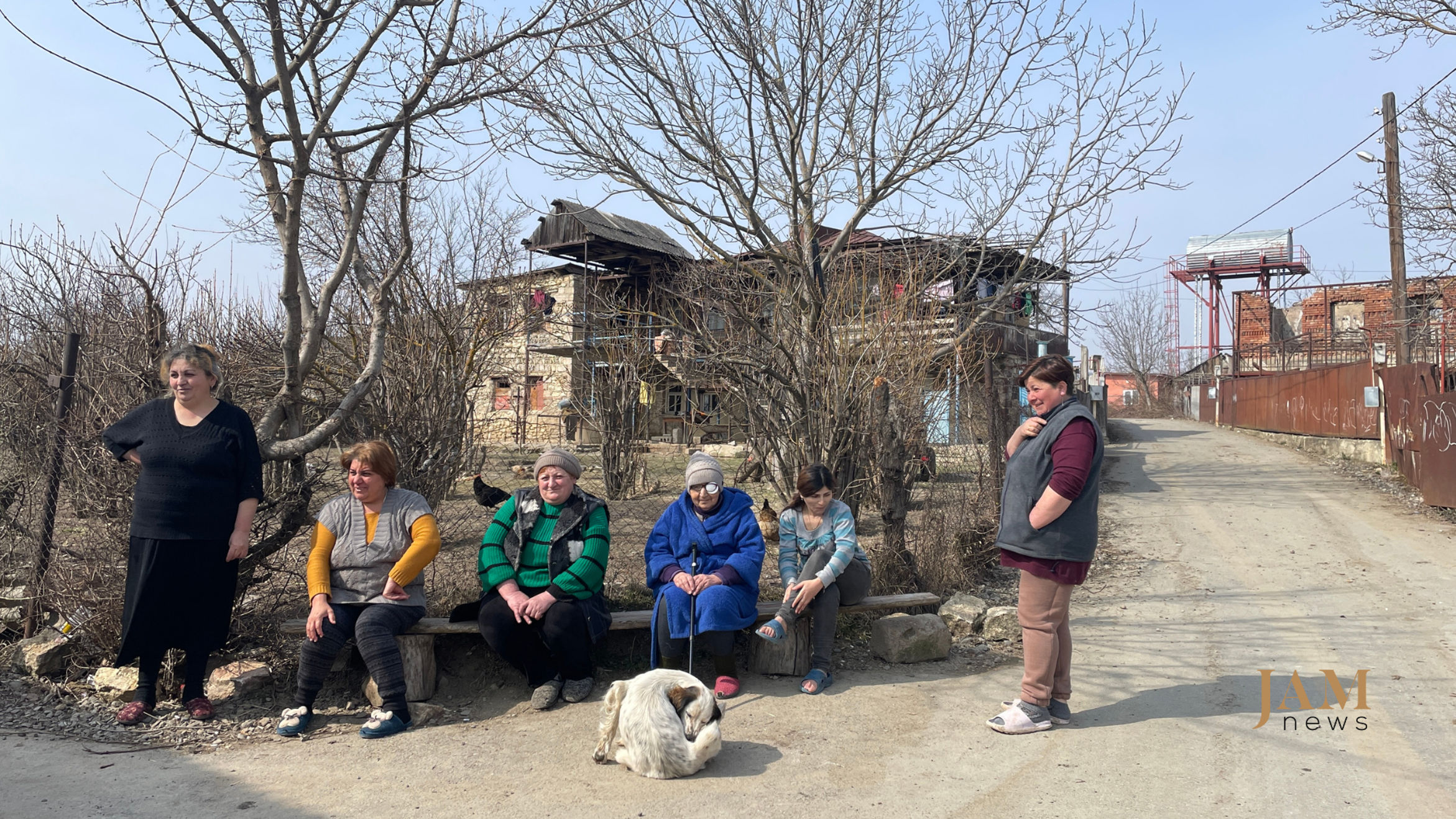
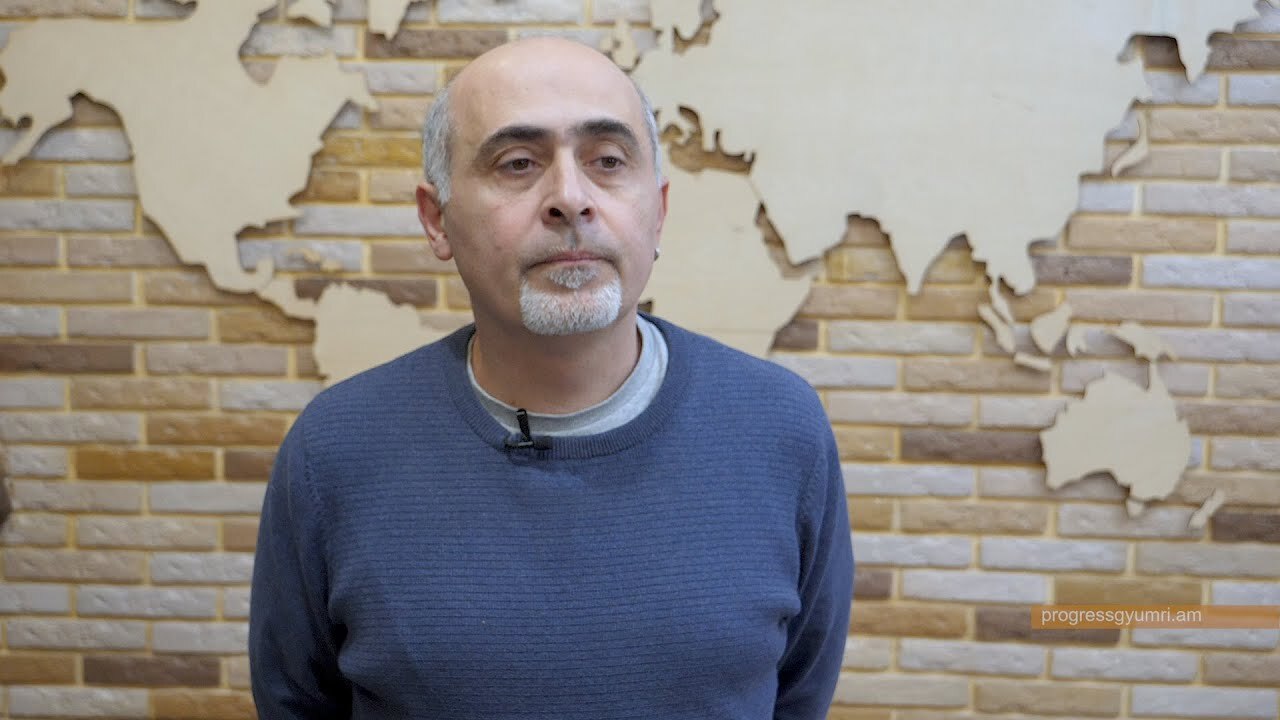
However, Russian political strategist David Gazzati believes Moscow is unlikely to rush into annexing South Ossetia because of the geopolitical risks in the South Caucasus.
Gazzati argues that Russia has little interest in jeopardising its relationship with Georgia, which still considers South Ossetia part of its territory.
“Today, Georgia is one of Russia’s few remaining partners. Damaging that relationship would be extremely risky,” he said.
“There are many people in Georgia who oppose the current government’s close ties with Russia. But one thing that has remained unchanged in Georgian politics for more than a century is the belief that South Ossetia is Georgian territory occupied by Russia.”
He said Georgia had become an important economic and logistical hub for Russia, with trade between the two countries continuing to grow. According to Gazzati, Georgia is also one of the few routes through which Russia can access parallel imports.
“Any escalation would be catastrophic. And nothing causes more tension in Russian-Georgian relations than the issues of Abkhazia and South Ossetia,” he said.
Gazzati predicted that if South Ossetia were formally incorporated into Russia, Georgia could see mass anti-government unrest.
“That would push Georgia back towards the West and revive talk of joining the European Union, which is completely against Russia’s interests,” he said.
“A breakdown in relations with Georgia would amount to a major Russian defeat in the South Caucasus, because Moscow would lose its only overland route to the south.”
Given those risks, Gazzati concluded that Moscow was unlikely to “trade Georgia for South Ossetia”.
Another widely discussed aspect of the treaty is the removal of citizenship restrictions for employment in state institutions, along with the easing of residency requirements.
In practical terms, Russian and South Ossetian citizens will be allowed to work in each other’s state structures.
However, these provisions will not apply to people who hold citizenship, permanent residency, or any other document granting the right to permanently reside in a third country.
The treaty also formalises plans for the mutual recognition of work experience. This means employment history in Russia and South Ossetia will be recognised equally for the purposes of pensions and other social benefits.
The terminology, place names and views expressed in this article are those of the author and do not necessarily reflect the editorial position of this website.
Russia–South Ossetia treaty