Corruption scandals and rising crime: How Alan Gagloev’s presidency will be remembered in South Ossetia






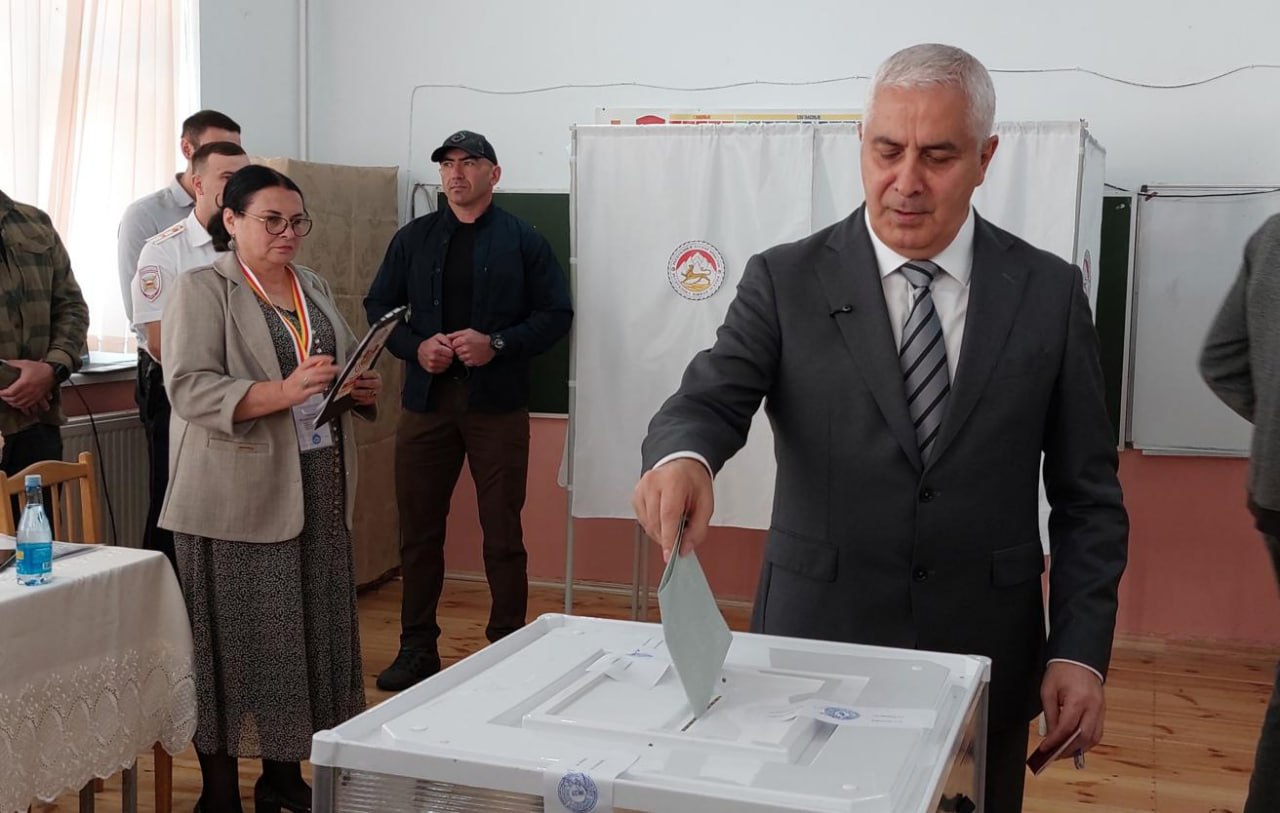
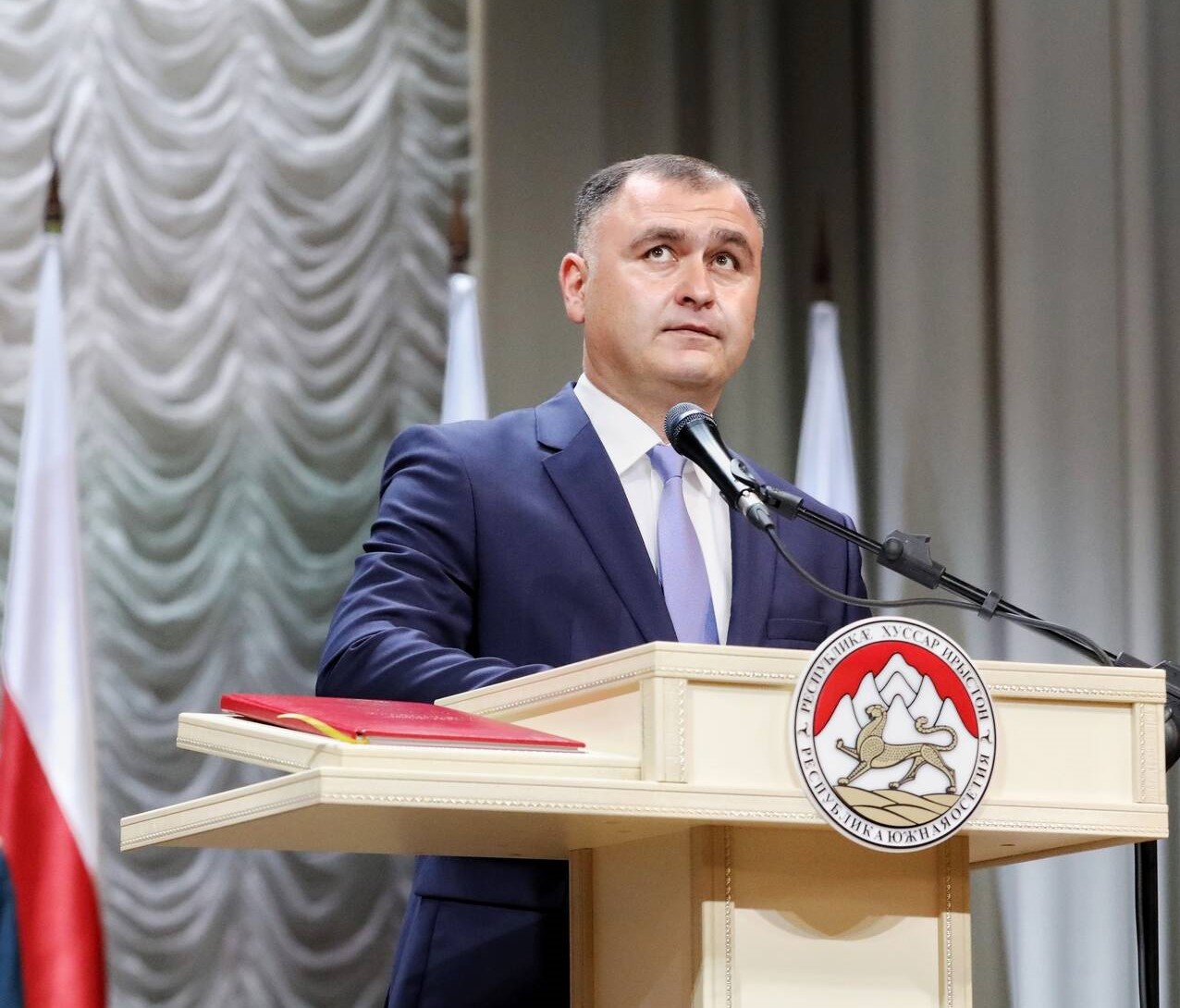
Alan Gagloev’s presidency is likely to be remembered in South Ossetia for high-profile corruption scandals and a rise in crime.
Gagloev has led South Ossetia for four years, and as the end of his term approaches, criticism of his leadership is growing louder, with accusations becoming increasingly severe.
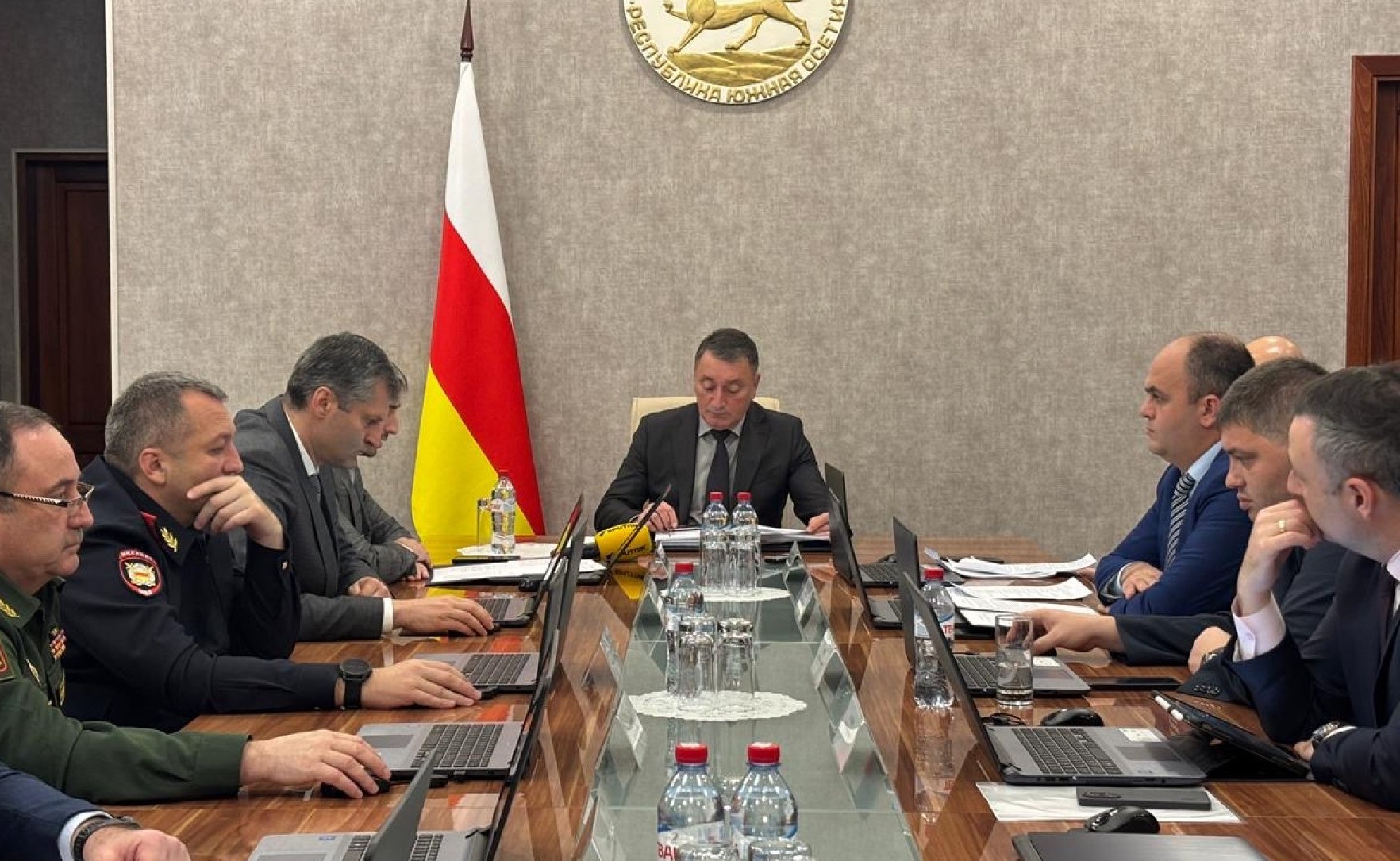
Recently, South Ossetian businessman Uruzmag Parastaev, a former investor and director of a canning factory, accused the president of involvement in the raider takeover of his enterprise. The issue was raised during a meeting with Gagloev by Atsamaz Bibilov, leader of the opposition parliamentary party United Ossetia.
Gagloev, however, denies the allegations, insisting that the businessman was not forced out and had voluntarily transferred ownership to new proprietors. The president also rejected claims of unpaid wages to factory workers.
Later, presidential press secretary Natalia Bosikova issued strong warnings, saying she would sue United Ossetia for “defamation”. She maintained that the authorities had not pressured Parastaev and that the transfer of the factory’s assets had been carried out lawfully. As evidence, she referred to an audio recording of a conversation between the president and the businessman, which, notably, had been recorded covertly without Parastaev’s knowledge.
Parastaev confirmed that the conversation took place but said the published recording omits key parts—specifically those that, he claims, prove the involvement of individuals close to the president in the takeover.
This is not the only such incident in Gagloev’s career. In Tskhinval, high-profile crimes and scandals involving the president’s name continue to surface.
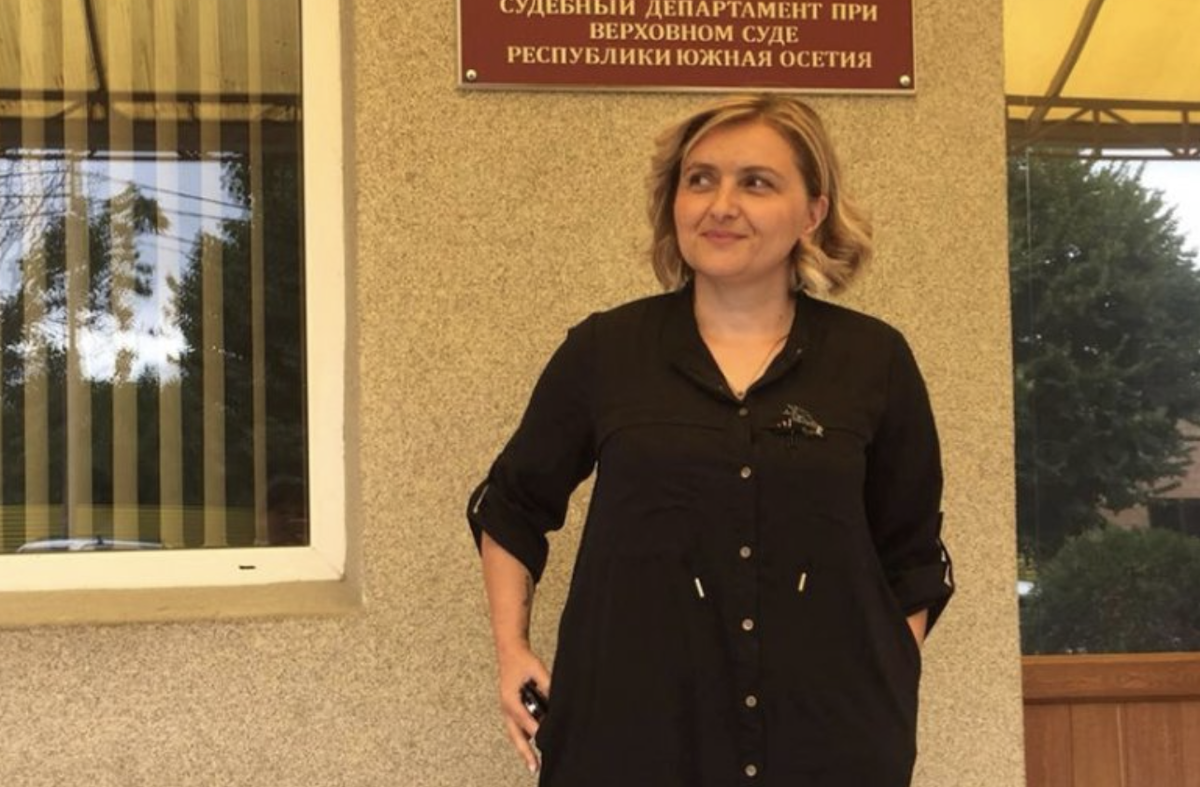
For example, a long-running controversy over the expulsion of local activist of Georgian origin, Tamara Mearakishvili, has recently flared up again after the South Ossetian authorities accused her of spying for Georgia.
The case has drawn international attention, forcing South Ossetian representatives to provide explanations at the Geneva International Discussions.
Gagloev’s ratings have also been affected by the connections of his brother, Alexander, whose associates repeatedly feature in crime reports.
Daylight shootings, killings, kidnappings, robberies and racketeering, as well as physical attacks on political opponents, have become increasingly commonplace during Gagloev’s presidency.
However, it is not only the opposition that has been targeted, but also officials from the president’s own inner circle. One widely discussed case involved an attack by one of Alexander Gagloev’s associates on the head of the customs committee. While that case at least made it to court, investigations into crimes against businessman Alan Margiev and his family have effectively stalled. The victim has been forced to hide in Russia, while his relatives continue to face threats and attacks.
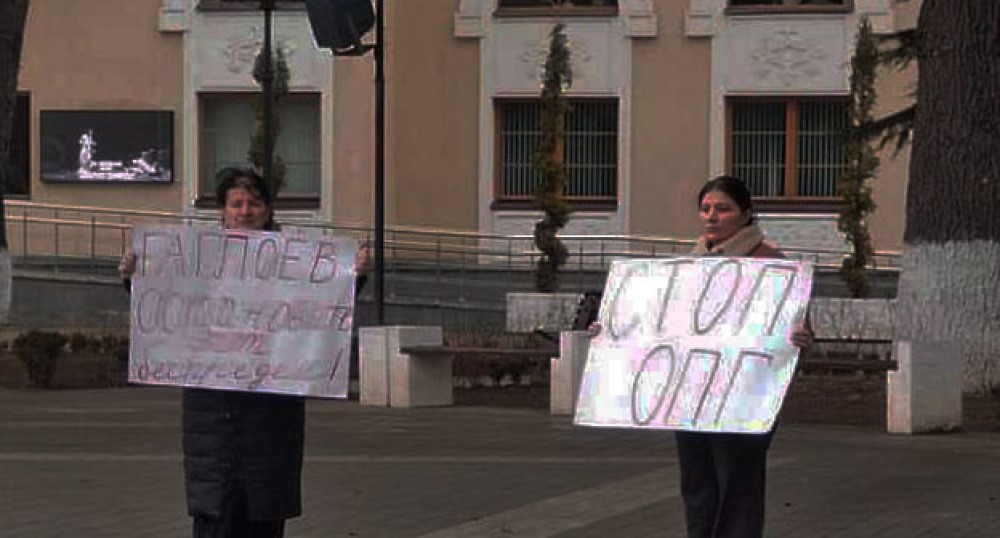
With around a year remaining in Alan Gagloev’s presidential term, people in South Ossetia are wondering what else might happen before it ends. It is also possible that public discontent will reach a boiling point sooner—raising another question: what form might it take?
The terminology, place names and views expressed in this article are those of the author and do not necessarily reflect the editorial position of this website.
Alan Gagloev’s rule