The fate of a Ukrainian cadet who did not break his oath during the annexation of Crimea






Material from the Ukrainian outlet Hromadske
War in Ukraine
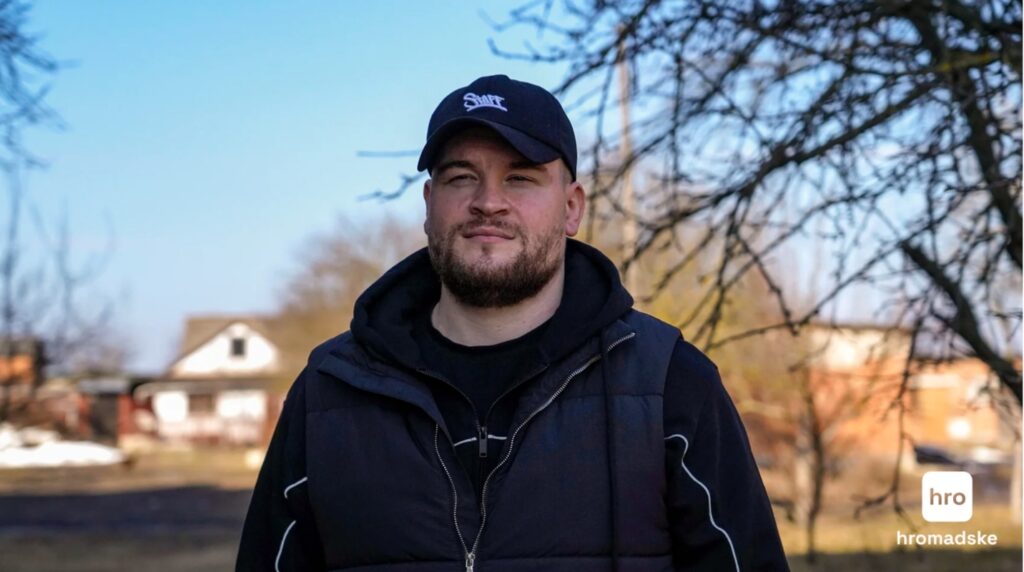
When Valentyna watched the first videos from a prisoner exchange, she did not recognize her husband, Dmitry. Only after a friend pointed out the exact second he appeared on screen did she suddenly cry out: “God, it’s him! It’s really him! Still handsome, but so thin!”
When she finally saw him in person, she realized that more than half of his original weight — over one hundred kilograms — was gone.
Their two-year-old son, Tymofii, who had known his father only from photographs, ran to greet him in joy… but first ran into the arms of another man.
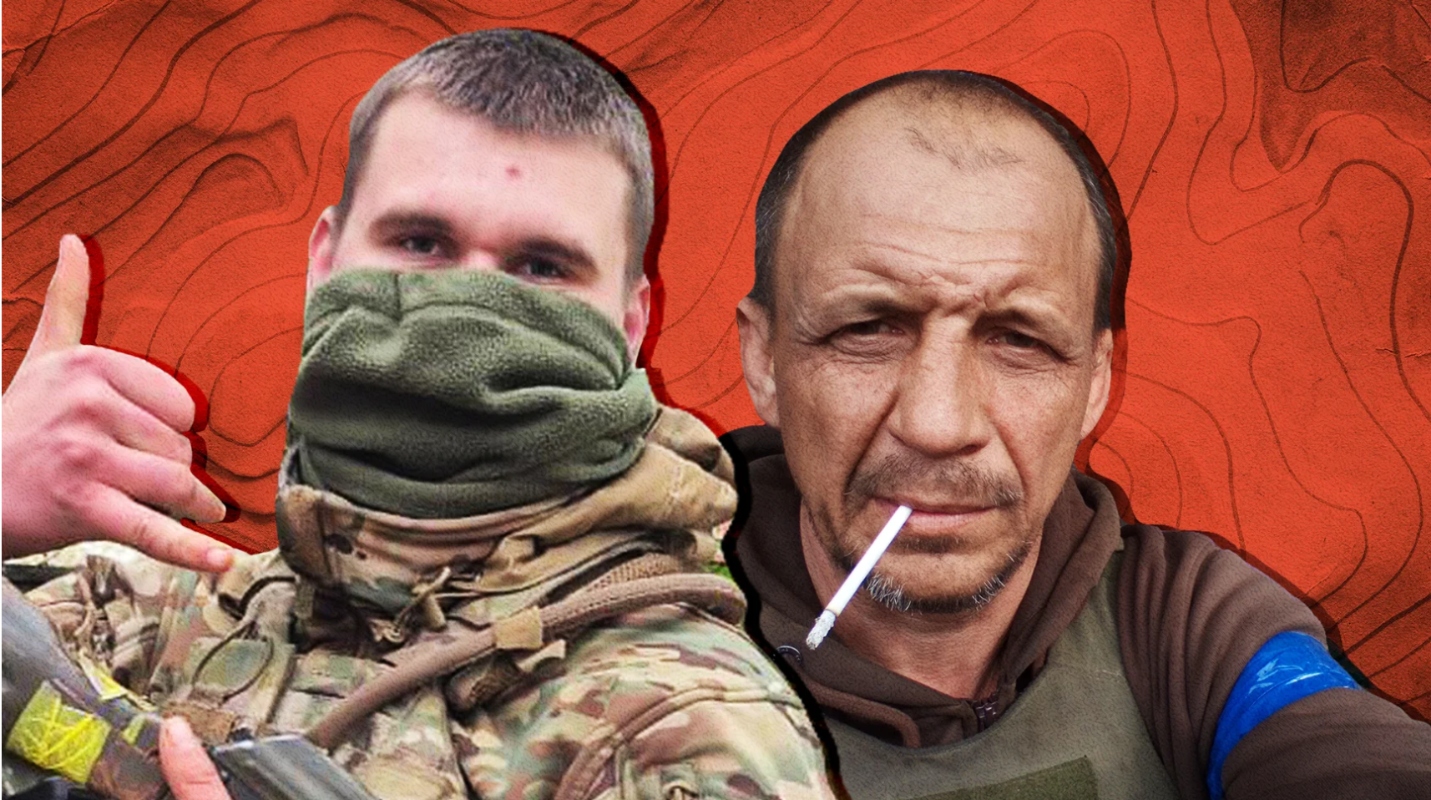
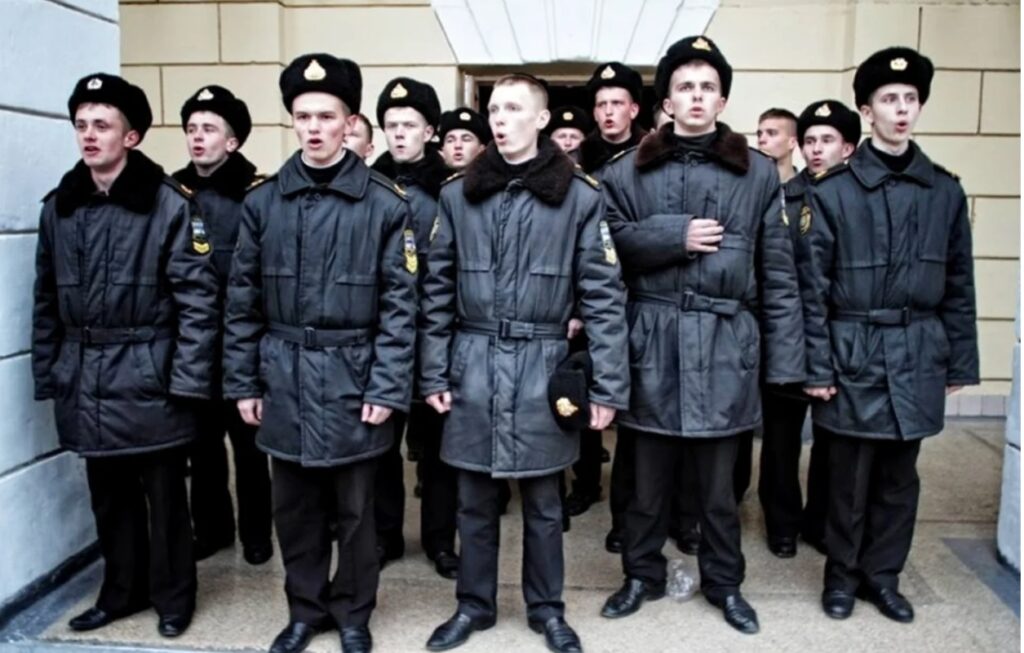
Dmytro Klimovych, first mate on the search-and-rescue vessel Donbas, was released from Russian captivity a year and a half ago. He is now 30. Twelve years earlier, as an 18-year-old cadet at the P. S. Nakhimov Naval Academy in Sevastopol, he was among the young cadets who refused to break their oath and sang the Ukrainian national anthem when the Russian flag was raised over the academy.
“We did not realize it would turn into a nationwide story. Everyone I tell that I studied in Crimea says: ‘Oh, we know those guys who sang the anthem.’ In reality, we just wanted to do something — anything — in protest, but we didn’t know what. Everything had been taken from us. We were left with nothing,” Klimovych recalls of the events of the so-called ‘Crimean spring.’
On a sailor who had never seen the sea, the youthful defiance of telling a Russian officer to back off, the defense of Mariupol, and the aftereffects of captivity — including nightmares and emotional numbness — as well as the fate of other cadets who have become part of this story, see the report by Hromadske.
“‘I told her: I’m a sailor. And she laughed at me.’”
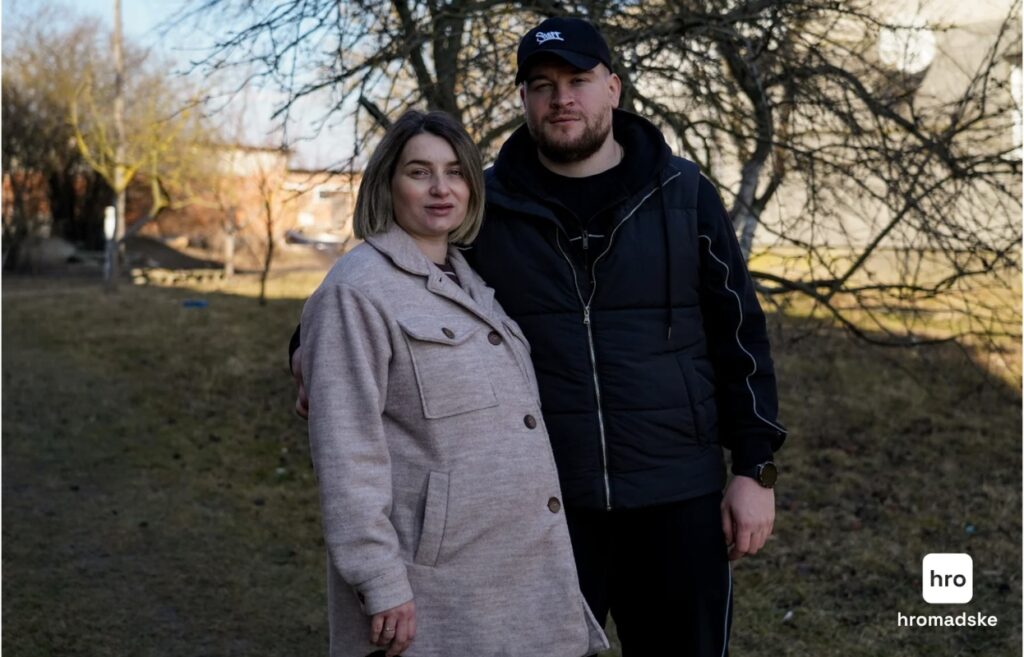
Valentyna Klimovych steps out of a car with difficulty — she is in her ninth month of pregnancy.
“A second boy is on the way. He looks like him too. You can already see those typical Klimovych noses on the ultrasound,” she says with a smile.
The couple lives in Volodymyr, in the Volyn region. Both Dmitry and Valentyna are from there. It is where they met and got married.
“When we first met, she asked: ‘So where do you study?’ I said: ‘I’m a sailor.’ And she laughed: ‘A sailor in Volodymyr? Sailing on the local river?’”
His father, a military officer and tank commander, once led a unit in Volodymyr. Dmytro had always wanted to serve in the military as well. When it came time to choose where to study, he considered either Sevastopol for the naval forces or Lviv for the army. In the end, he chose Sevastopol.
“I decided to take a bit of an adventure because I had never seen the sea as a child. I thought I would make up for it over the years,” Dmytro recalls with a smile. He then adds, without embellishment: “My father started looking for connections in Lviv without even asking me. I told him I would die before going to study in Lviv, because I wanted to do everything on my own. So I went to the far end of Ukraine and entered the academy in Sevastopol.”

At the time, the P. S. Nakhimov Naval Academy was the only naval institution in Ukraine. It was 2013. Dmytro was 18. A principled young man from Volyn found himself in Crimea — just half a year before Russia’s military operation that led to its annexation.
“‘Do you wish to continue serving in the Russian Federation?’ I said: ‘No. Why the hell would I?’”
March 20, 2014. Two days after Russia’s annexation of Crimea following an unrecognized referendum. Leadership and flags at the academy were being replaced.Dmytro, together with several dozen cadets, watched from the windows of the building as a formal formation took place on the parade ground below. They were told not to draw attention to themselves. But when the Russian tricolor was raised on the flagpole, they ran outside and sang the Ukrainian national anthem.To drown them out, loud ceremonial music was played over the speakers at full volume.
“We stood and watched from the window as it all unfolded, and when the Russian anthem started playing, they said: ‘Boys, they’re lowering our flag right now… Let’s go. It doesn’t matter.’ And we went down and started singing.”
Dmitry recalls how camera operators suddenly rushed toward them, filming the scene. At first, he says, it felt as if the crew was coming to attack them. But the cadets finished the song, saluted, patted one another on the shoulder, and then turned back toward the building. Dmitry says he was not visible in the front rows—he was near the exit.
The young man says he did not immediately understand that the annexation had begun. He recalls that they were largely cut off from the outside world: a strict daily regimen, and phones allowed only on weekends. They rarely left the city.
“We realized something was happening when security around the institute was reinforced,” he says. “We were put on duty posts starting from February 24, 2014. And then, one day, the gates at the academy opened, a car arrived carrying the commander of Russia’s Black Sea Fleet, they spoke quietly with our head—and a day later military vehicles arrived with those ‘green men.’”
The speaker is a cadet at the Nakhimov Naval School, recalling how quickly the atmosphere inside the institution changed in the days surrounding the takeover of Crimea.
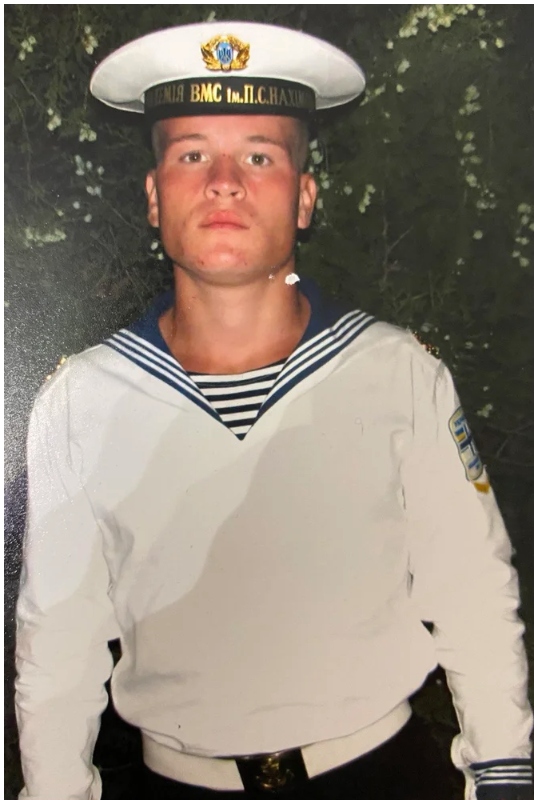
He says roughly a hundred cadets remained loyal to Ukraine—about a third of the academy’s personnel. He recalls that students were encouraged to stay on the peninsula with promises of stipends worth several hundred dollars (at the time they received about 200 hryvnia, roughly $25 by the exchange rate then), along with food and improved living conditions.
“They promised support, flooded us with uniforms, immediately brought in buffet-style dining with multiple options—first, second, third courses (because we were being fed by ‘Artek-Soyuz’ at the time, which was awful). They brought in dishes and washing machines, just so you understand. We didn’t have any of that,” Dmitry says.
“I was once called into the company commander’s office. I walk in, and there is some officer in a Russian uniform, a captain of the third rank, sitting there. He asks me: ‘Do you wish to continue your military service in the Russian armed forces?’ I said: ‘No. Why on earth would I?’ He replied: ‘All right, I understand you.’”
Dmitry Klimovich, a former Nakhimov Naval Academy cadet who says he remained loyal to his original oath, recalls the moment as abrupt but decisive—a brief exchange that, in his telling, marked a clear line between those who stayed and those who left.
Dmitry adds that it was either patriotism or youthful maximalism—but at the time, there was no sense of fear. The cadets believed the situation would somehow be resolved and that they would eventually return home. Most of them, especially those from Crimea, chose to stay. But there were exceptions.
“For example, my colleague Ivan Smetanko is from Dzhankoy, and he also left. We even served together on the same ship. As for those who stayed, I don’t maintain any contact with them. For me, they are traitors. Because I believe that once you have taken an oath, you cannot trade it away, no matter what golden mountains are offered to you—food, comfort, anything. You must remain faithful to it to the end.”
Dmitry Klimovich, a former Nakhimov Naval Academy cadet who says he did not break his oath.
On April 4, 2014, 103 cadets from the Nakhimov Naval School, together with part of the command and teaching staff, left Crimea for mainland Ukraine on several buses.
“We were gathered by the head, Petro Dmytrovych Honcharenko, who told us: ‘Boys, we are getting out of Crimea.’ And they actually gave us a corridor. In the morning [April 4], we left for Odesa.”
At 2 a.m., the cadets were met at the Odesa Military Academy with a band and a full formation of personnel on the parade ground. They were welcomed by those who approached them with reassuring nods, as if to say that everything would be all right—that they were together and would figure things out.
The cadets were first assigned there, and later transferred to the National Odesa Maritime Academy, which Dmitry eventually graduated from.
Fighting alongside “Azov” and captivity
In 2019, Dmitry was assigned to Mariupol to serve on the search-and-rescue vessel Donbas. He first worked as an officer responsible for moral and psychological support, and later became the senior assistant to the ship’s commander. From that time on, he and his partner, Valiya, lived in a rented apartment. In 2022, they were preparing for the birth of their first child.
hromadske spoke with Valiya in the autumn of 2022—by then, Dmitry had already been in captivity for more than half a year. He never saw his newborn son: he remained in Mariupol, while Valiya, with hospital bags already packed, was sent by acquaintances to her parents in the Volyn region.
Two weeks later, images of the bombed maternity hospital at Mariupol City Hospital No. 3—where they had planned to give birth—spread around the world. The following day, she went into premature labor and gave birth to their son, Tymofii, who would not see his father for two and a half years.
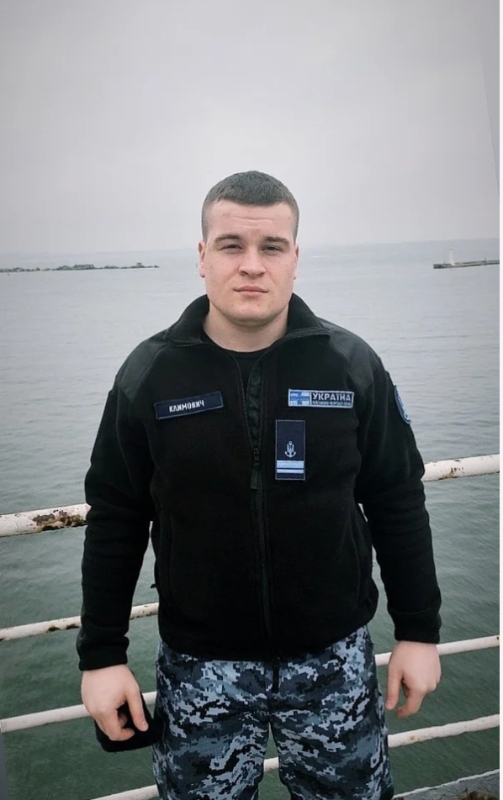
On March 21, 2022, contact with Dmitry was lost. He and nearly the entire crew were taken into enemy captivity. The ship’s commander, however, had left beforehand. The vessel’s personnel had fought in urban battles alongside members of the Azov regiment until they found themselves encircled.
What followed were transfers through a chain of detention sites: a prison colony in Berdiansk, then facilities in Sevastopol, Taganrog, Voronezh, and finally Pakino.
“There was absolutely no communication in captivity. I was allowed to write only one letter (on the condition that it had to be in Russian), but there was no real hope it would ever reach anyone [Valentina did receive this letter — ed.]. Twice a day we were beaten—the ‘standard practice’: in the morning and in the evening. And also during interrogations. But no charges were ever brought against me. I kept saying I saw nothing, I was nowhere: ‘The blue sea, brown eyes, I serve on a ship.’”
Asked about his former Nakhimov classmates, Dmitry says:
“Most of them are still in service. No one has resigned. They continue, so to speak, the same path. Some also went through captivity, some were killed. Among my classmates, three of us—myself, Ivan Smetanko, and Sergey Zlenko—later served on the same vessel.”
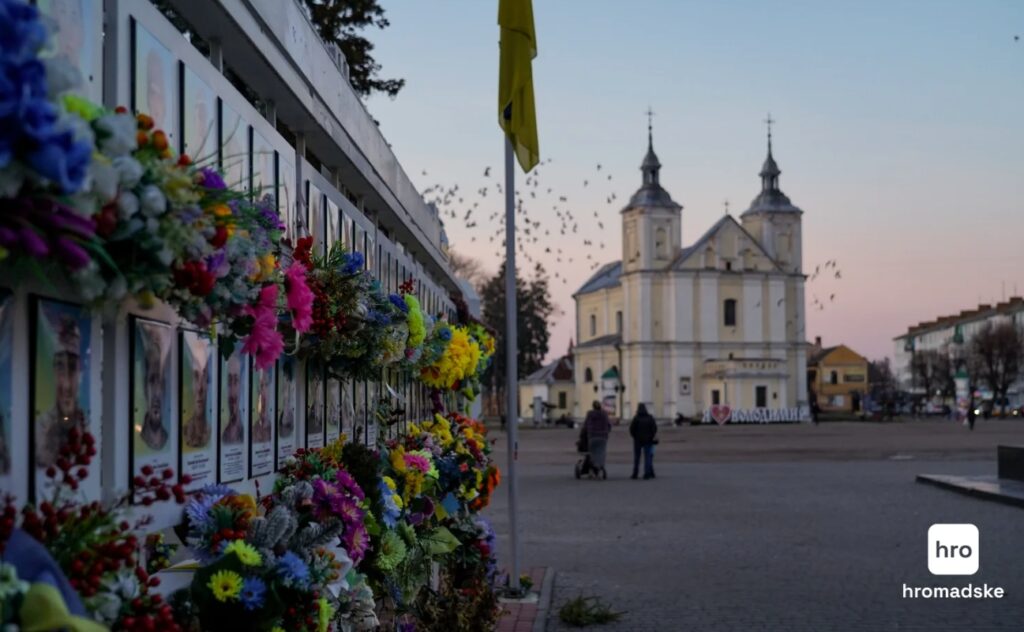
Uncontrollable aggression, nightmares, apathy
At the time of their meeting with reporters, Dmitry had just been discharged from inpatient treatment. From time to time, he still needs to return for medical care. After two and a half years in captivity, he was discharged from military service. Following his return, he spent another nine months in hospitals, where post-traumatic stress disorder began to manifest. He was later granted disability status as a result of the war.
“It’s poor sleep, nightmares, apathy, uncontrollable aggression. In most cases, treatment comes down to antidepressants and sleeping pills,” the man says.
“You can see that a person is struggling. And there’s nothing you can really do to help…” his partner Valiya adds.
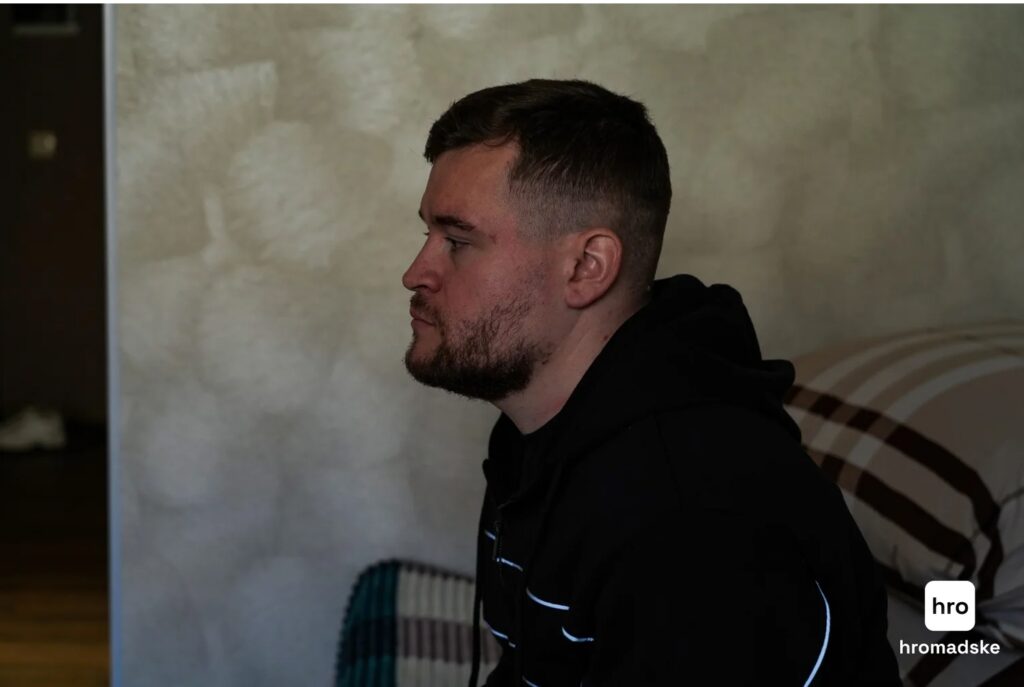
Dmitry says these are the consequences both of captivity and combat-related injuries. Yet he notes with frustration that, despite his wounds, he was never paid financial support during his rehabilitation period. As a result, he is now pursuing legal action against his unit.
“During combat operations I suffered a concussion. There is an official report on the circumstances of the injury, witness statements, and a medical conclusion. And yet, no one ever paid me anything during my rehabilitation period while I was injured… In short, yes, situations like that do happen,” he says—speaking with what seems like a mix of sadness and anger.
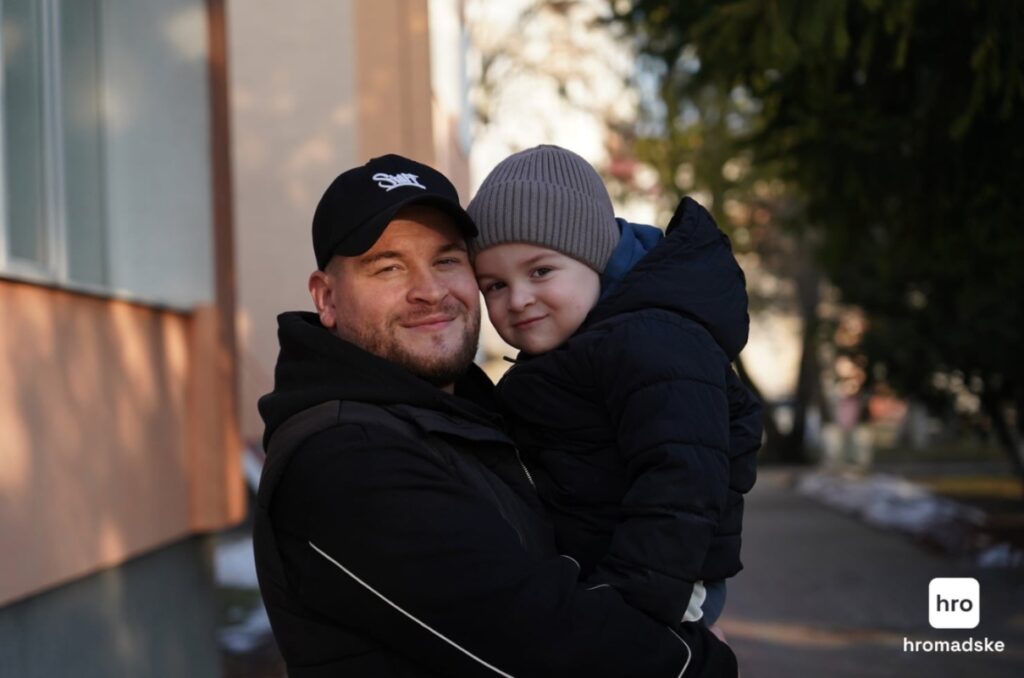
His expression changes and softens when he sees his child. After kindergarten, the boy runs first to his mother, and then to his father. Dmitry lifts his son into his arms—a small copy of himself. They even make the same facial expressions. It is clear this is what is keeping him afloat for now.
“I don’t have concrete plans for what I will do next. Soon we will have another addition to the family. And I want to dedicate my free time to them—to make up for the time that was taken from me.”
This material was produced with the support of the Media Network.
exchange