Opinion: Can Abkhazia agree on its relationship with Russia?






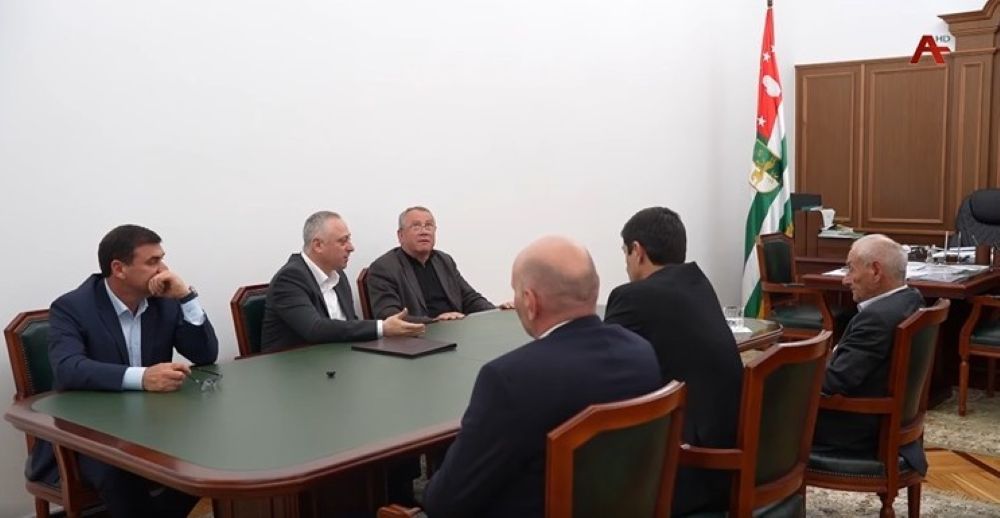
Can Abkhazia have a unified approach to foreign policy? Abkhaz blogger Akhra Bzhania raised the question following a meeting between leaders of political organisations represented on the president’s Consultative Council and Russia’s new ambassador, Vyacheslav Gladkov.
Commenting on the meeting, Timur Gulia, leader of the opposition veterans’ organisation Aruaa, said it demonstrated that the people of Abkhazia were united on foreign policy.
“Above all, we are united in our attitude towards our strategic partner and ally, the Russian Federation, and in our commitment to further developing our relations,” Gulia said.
Bzhania, however, argues that it is inaccurate to claim that all Abkhazians share a single vision of the territory’s foreign policy.
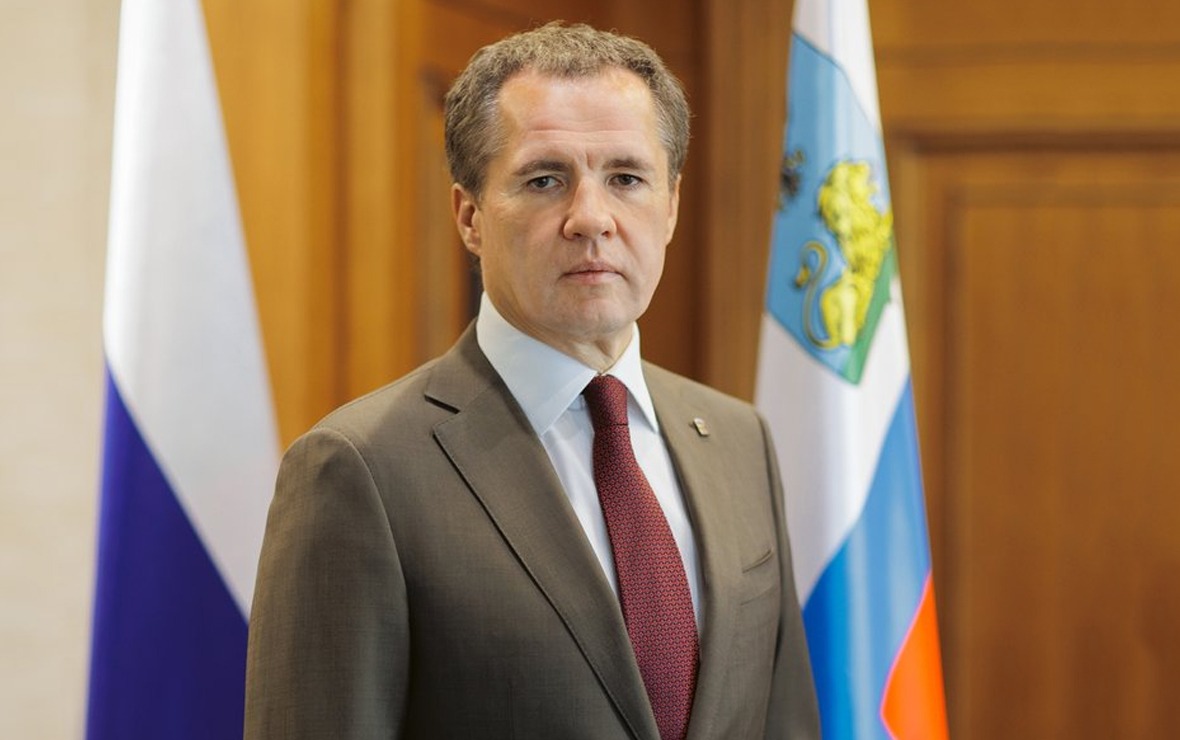
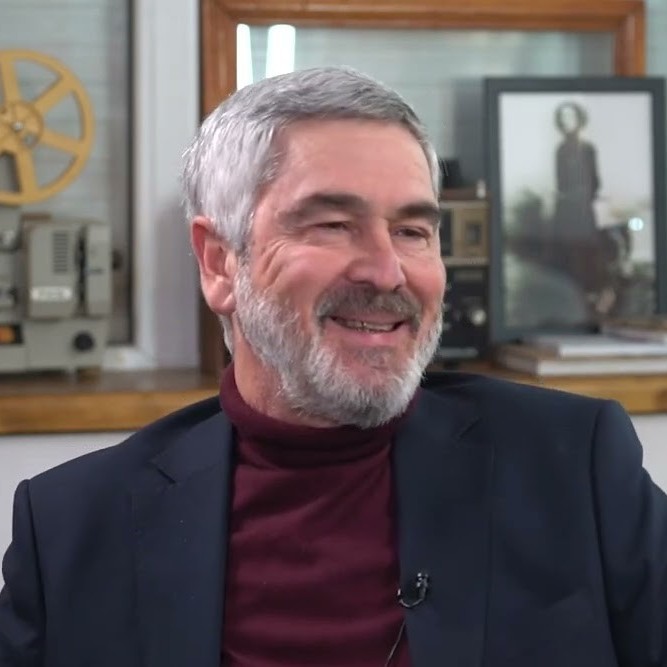
Akhra Bzhania wrote:
“Different sections of Abkhaz society undoubtedly have different views on foreign policy, which in our case is 90% focused on Abkhaz-Russian relations.
People differ, for example, in their views on the politically motivated criminal cases brought by the Russian side against our citizens, or on interference in our elections.
The current president of Abkhazia, when he was still vice-president, publicly supported controversial initiatives backed by Russia, arguing that they were in our interests and would strengthen our foreign policy standing.
Neither he nor the foreign ministry objected when Russia’s former ambassador described the opposition as ‘marginal’, or when Russia’s main state television channels claimed to have uncovered a pro-Western network and Turkish agents in Abkhazia… And none of the current Abkhaz leadership has since renounced those views.
So how can we possibly speak of a unified approach to foreign policy?”
“It is understandable that the president wants to present the whole of Abkhaz society to Russia as friendly and, in doing so, ease the tensions that have emerged in bilateral relations.
But the fact is that Abkhaz society is already friendly towards the Russian Federation. It simply opposes some of Moscow’s specific initiatives.
So, to avoid misunderstandings, it might be better not to try to reconcile the opposition with the ambassador, but for the authorities themselves to be the first to speak out against projects that are not in Abkhazia’s interests.
Following the Consultative Council meeting, both the authorities and the opposition made positive statements. But how long will that last, and will it benefit the public? I don’t think so. In a society where people are prepared to take to the streets to defend their legitimate rights, no opposition can engage in dialogue with the authorities without damaging its own credibility.”
“As for the value of these consultations, I deeply regret that the main role of the broader opposition in our country today is to keep a stick over the authorities’ heads. And to hold it high enough that it can be seen beyond Abkhazia’s borders.
That is the best way to discourage ‘indecent proposals’. Any draft law or other initiative would then be weighed a hundred times to determine whether it truly serves Abkhazia’s interests, because people would know there is a strong and fierce watchdog in our yard that is better not to provoke.”
The terminology, place names and views expressed in this article are those of the author and do not necessarily reflect the editorial position of this website.
Abkhazia’s policy towards Russia