

New EU mission in Armenia to help address post-election risks






EU mission to help Armenia counter hybrid threats
The European Union is sending a civilian advisory mission to Armenia to help the authorities counter hybrid threats. The Council of the European Union approved the decision on 13 July, and the mission’s mandate takes effect from that date. The initial mandate will run for two years. Experts from EU member states will make up most of the mission’s staff, although the EU has not yet disclosed how many experts it will deploy.
The mission will help Armenia respond to hybrid threats, including cyberattacks, foreign information manipulation and interference (FIMI), and other forms of external interference. European experts will also assist the Armenian authorities in tackling illicit financial flows.
“The launch of the EU Partnership Mission in Armenia opens a new and important chapter in cooperation between Armenia and the European Union,” Armenia’s Foreign Ministry said.
EU foreign policy chief Kaja Kallas said the bloc intended to support Armenia. She said the European Union was the main defender of Armenia’s independence and of the Armenian people’s right to determine their own future. She also recalled that the EU had already provided Armenia with a package of economic and political assistance to help it withstand pressure from Russia.
Political analyst Robert Ghevondyan said the mission would establish a permanent office in Armenia staffed by European experts.
Speaking to JAMnews, he said they would work in direct and continuous contact not only with the Armenian authorities but also with local NGOs.
Ghevondyan said the EU had also supported Armenia during the election campaign. He added that the bloc was now launching long-term programmes whose aim was to address post-election risks.
The EU Partnership Mission in Armenia (EUPM Armenia) is a civilian advisory mission under the EU’s Common Security and Defence Policy (CSDP). The Council approved its creation on 21 April 2026 following a request from the Armenian government. The mission has no executive mandate. It will therefore not take part in decision-making by the Armenian authorities.
This is the EU’s second mission in Armenia. Since 2023, the EU has operated a separate civilian monitoring mission along the Armenian-Azerbaijani border. European monitors patrol only the Armenian side of the border.
- EU chief visits Yerevan with pledge to ‘open doors’ for Armenian exports
- First Armenia–EU summit in Yerevan adopts 44-point joint declaration
- New EU civilian mission to be deployed in Armenia
Mission experts to provide “strategic advice”
To help Armenia counter hybrid threats, the EU mission will provide various local institutions with “strategic advice, technical expertise and support to strengthen their institutional capacity”.
The EU said its experts would deliver practical assistance. They will also establish a dedicated project team to implement the mission’s mandate in close cooperation with international partners.
Cosmin George Dinescu will head the mission. The EU appointed him on 11 June 2026. He previously led the EU Partnership Mission in Moldova.
According to the official mandate, the mission will help Armenia improve its ability to prevent, detect and respond to hybrid threats “while fully respecting the country’s sovereignty”, meaning it will not interfere in Armenia’s internal affairs.
Foreign Ministry hosts roundtable with mission head
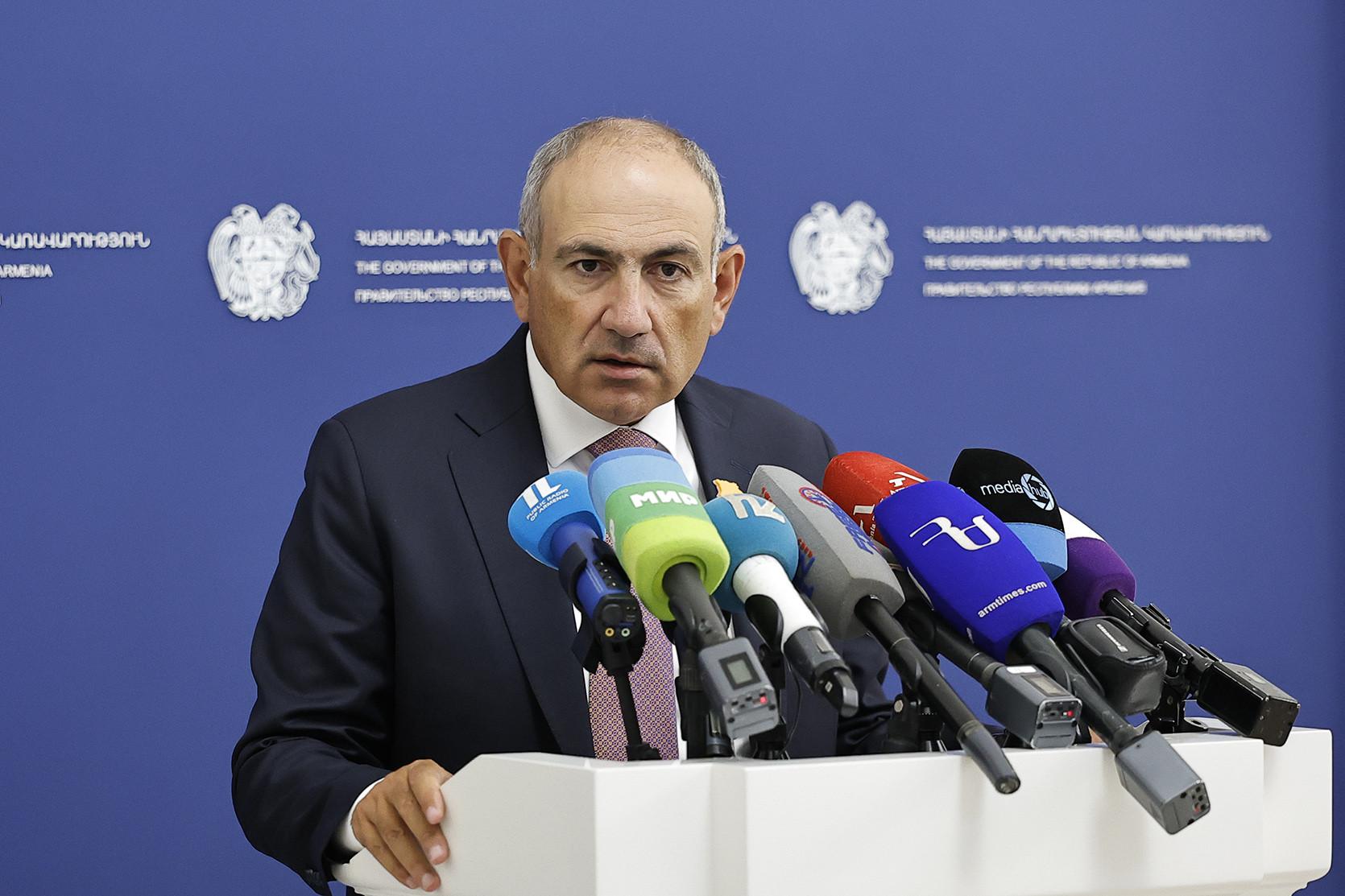
Armenia’s Foreign Ministry also said that on 13 July it hosted a roundtable attended by Deputy Foreign Minister Vahan Kostanyan, EU Civilian Operations Commander Stefano Tomat, Head of the EU Delegation Vassilis Maragos, Head of the EU Partnership Mission in Armenia Cosmin George Dinescu, as well as representatives of civil society, academia and local experts. Participants discussed the details of the new mission’s work in Armenia.
В сообщении говорится, что миссия будет тесно сотрудничать с армянскими институтами для укрепления их политических рамок, повышения потенциала правительства и поддержки межведомственной координации.
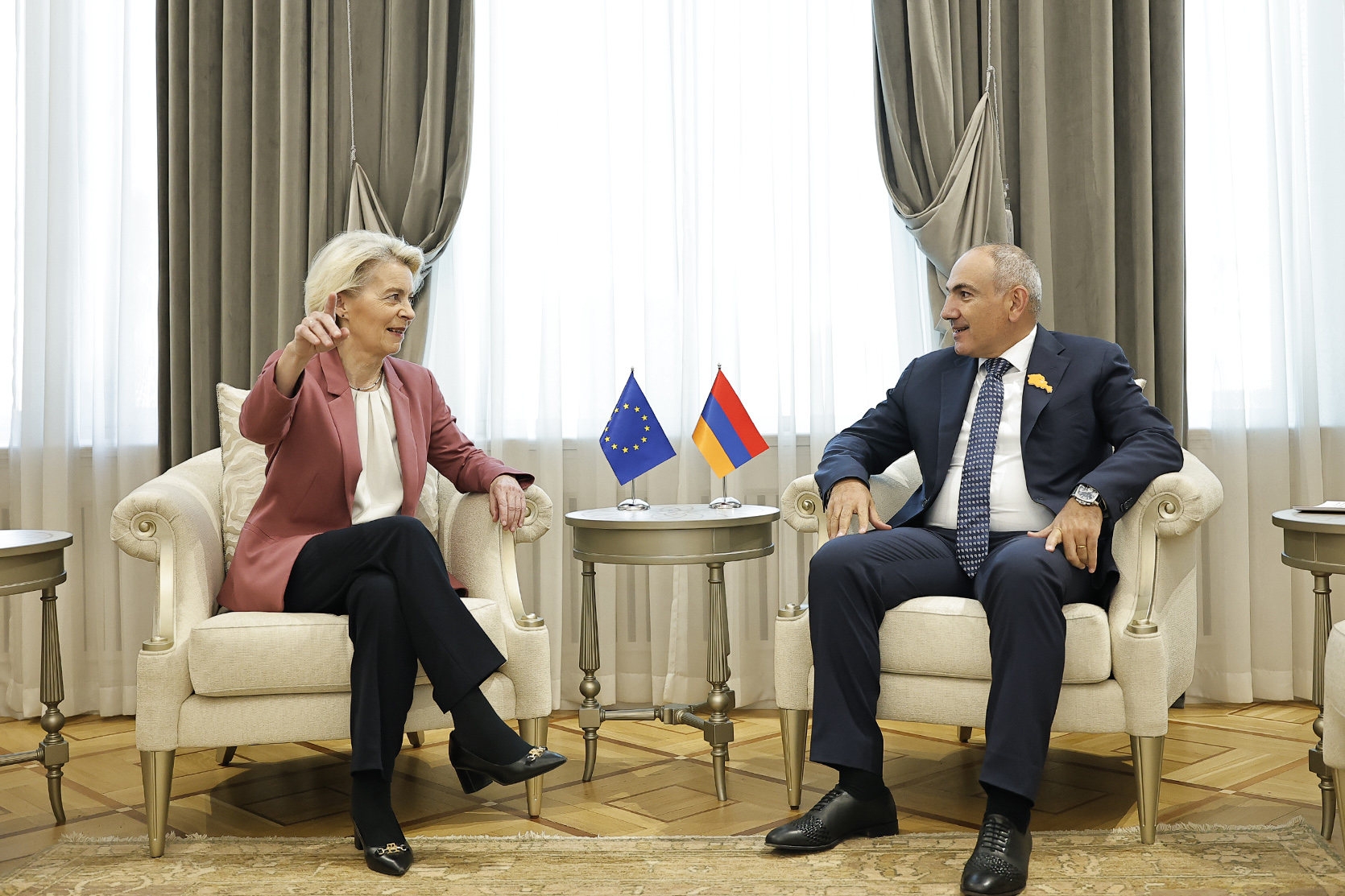
Political analyst Robert Ghevondyan’s comments
“The parliamentary elections are over, but the problems Armenia faces because of disinformation spread from abroad have not diminished. It is clear that Armenia needs additional support in the post-election period to address these risks.
As for why this is happening now rather than earlier, I assume the extensive assistance the EU provided during the election period simply left no time to work on other areas, particularly long-term programmes. Now that the situation has eased, they have decided to move forward with those long-term initiatives.
It is obvious that cyberattacks and disinformation campaigns targeting Armenia originate primarily from Russia. But not exclusively. Certain challenges still come from Azerbaijan, and there are threats from other directions as well.
Even so, the main challenge remains disinformation and other threats coming from Russia. A recent example is the information centre built in Hrazdan. It has already become a target for Russia. Rather than attacking it directly, they have portrayed it as a centre that allegedly collects intelligence on Iran and passes it to the United States. That is clear disinformation.
Armenia faces a very difficult task in countering these manipulations. Support in this area is therefore of great importance, particularly in preventing an international crisis between Armenia and Iran.
Overall, the new EU mission aims to strengthen Armenia’s capacity and resilience in countering disinformation and cyberattacks. It will carry out this work using the most advanced technologies.”
EU mission to help Armenia counter hybrid threats