'Working in Armenia pays better'- labour migration to Russia falls






Labour migration from Armenia to Russia declines
Fewer people from Armenia‘s regions, particularly border communities, are leaving to seek work abroad, especially in Russia. This article explores the reasons behind the trend through the experiences of residents of one border village.
- Village from which Armenia begins. Photos and video
- Shortage of sign language interpreters leaves deaf Armenians without access to education
- Emergency medical service in Yerevan: stories and video
“This fairytale forest also feeds us”
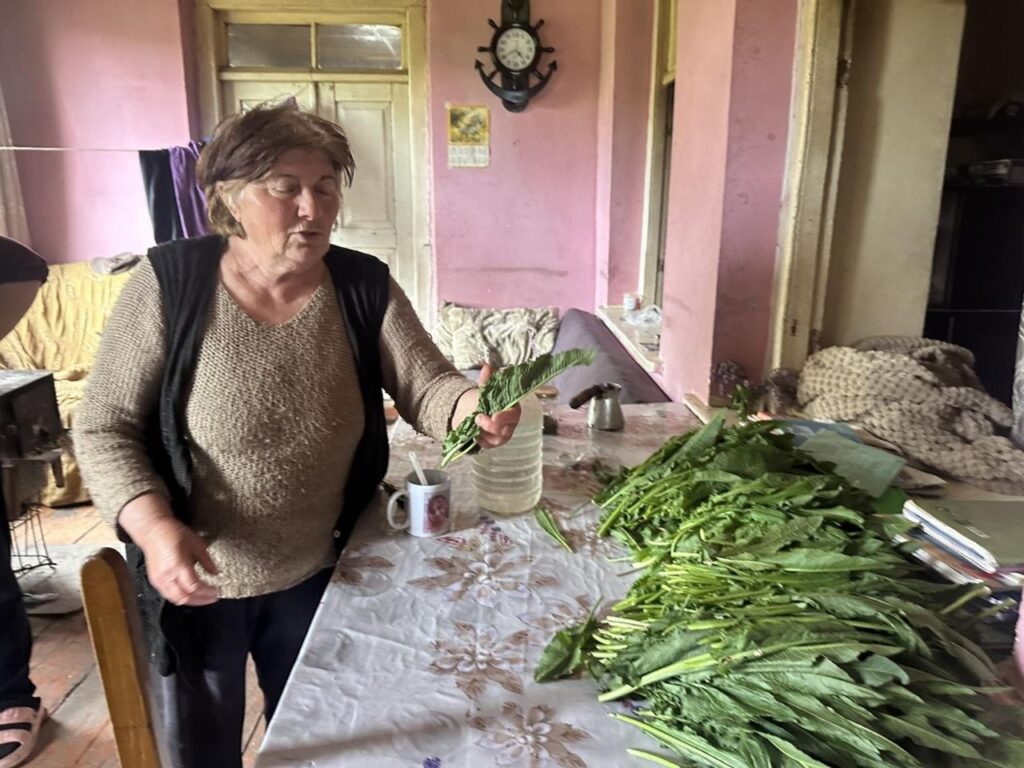
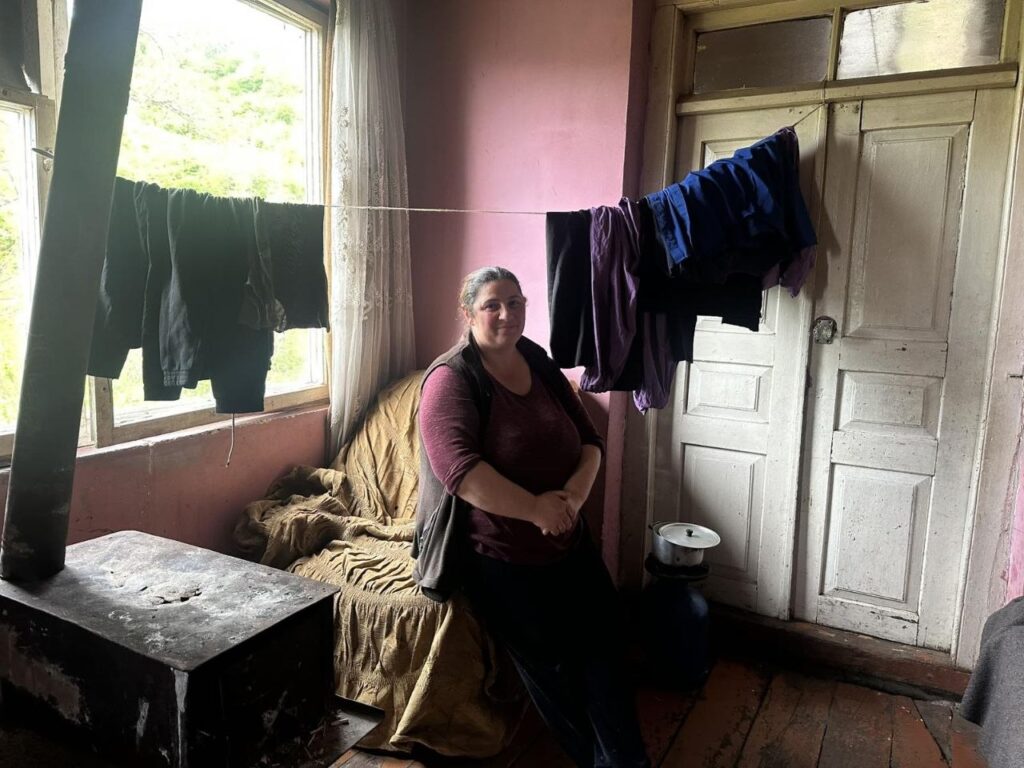
The village of Nerkin Tsakhkavan lies in a gorge surrounded by forest-covered mountains. Its winding green paths gradually merge into the woodland, from which Seda Ghazaryan makes her way home carrying several bags filled with wild greens she has gathered in the mountains.
Her face is sunburnt and her hands are rough from working the land. She looks tired but content, her eyes smiling. At home, she is greeted by her daughter-in-law and grandchildren.
“This fairytale forest also feeds us. We gather sorrel, wild asparagus and mushrooms. We sell them — we have to make a living somehow. I also keep chickens. Today I sold 20 eggs. Yesterday I sold three kilos of cheese. People also buy milk from me. I don’t take my products anywhere; customers come to our village themselves. We do whatever we can to earn an honest living,” says the 61-year-old woman.
Seda lives with the family of her younger son, who has four school-aged children. Her daughter-in-law, Marine, works in a greenhouse growing roses. The greenhouse is in a neighbouring village, however, so of the 4,000 drams (about $11) she earns each day, 1,000 drams (around $2.70) goes on taxi fares.
“This month has been a bit better. My husband and I gathered almost 100kg of wild asparagus in the forest and have already sold it all. We also planted beans, which we’re now harvesting and selling to traders. We have two cows. In short, we’re trying to build a life for ourselves, but we never have enough money for groceries. By the end of the month, we usually owe the local shop about 70,000 drams (around $190). We receive support under the state’s Paros social assistance programme as a low-income family, and use it to pay off the debt,” Marine says.
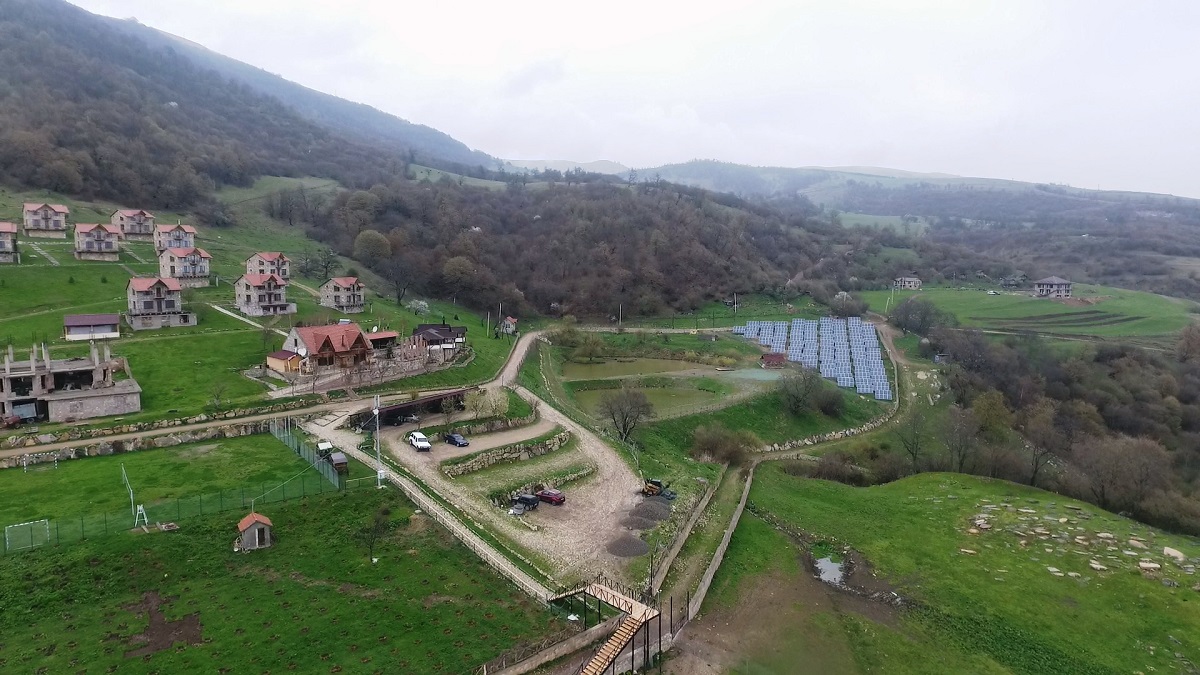
The village of Nerkin Tsakhkavan lies 4.5km from Armenia’s northern border and has a population of 530.
Most residents make a living from horticulture, livestock farming and beekeeping. For many years, however, men routinely travelled to Russia for seasonal work. In recent years, that flow has steadily declined.
Marine says her husband, like many other men in the village, now works on construction sites in their own community. According to her, work has been consistently available both in their village and in neighbouring settlements over the past two years.
Housing programme transforms life in border villages
The Armenian government offers residents of border communities the opportunity to benefit from a housing support programme. Both local residents and people wishing to settle in these areas can receive up to 16 million drams (more than $43,000) to build a home. The funding is used to cover the principal repayments on a mortgage.
The programme was launched in 2022 and was initially due to end in 2024. However, it resumed in March this year. As a result, another 1,417 families will join the 2,319 beneficiaries who received support during the first phase. By the end of 2027, a total of 3,736 families are expected to own their own homes under the scheme.
Under the programme, 50 houses have already been built in Nerkin Tsakhkavan.
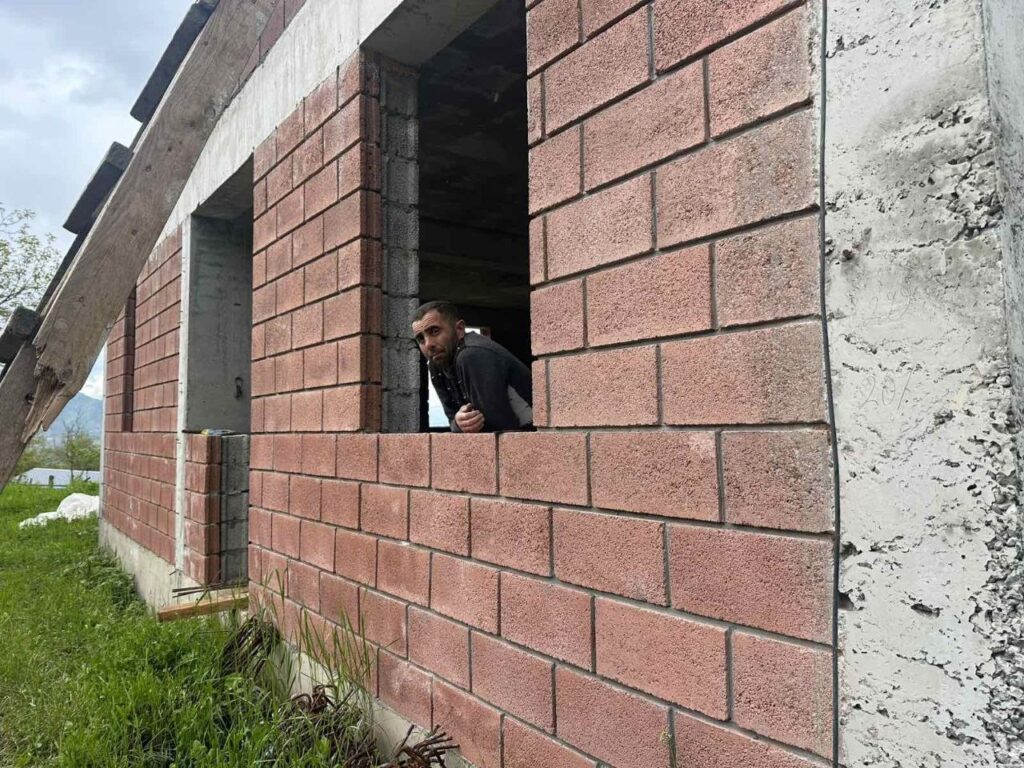
The scheme has also created construction jobs for local residents, who earn around 8,000 drams (about $22) a day.
Construction is under way next to Seda Ghazaryan’s home. The voices of builders break the village’s usual silence. Three of the workers had spent many years travelling to Russia for seasonal work but have now decided to stay and work in their own village.
“As long as there’s work here, we’ll stay. Of course, the political crisis in Russia, the rouble’s depreciation and tighter migration rules have all played a part. But it’s also true that working in Armenia is now more profitable than going to Russia,” says Pavlik Muradyan.
Seda regrets that her elder son has been unable to benefit from the programme.
“My son, his wife and their children live in rented accommodation. But they couldn’t join the scheme because of a poor credit history.”
Will decline in labour migration continue?
Armenia’s regions of Gegharkunik, Shirak and Lori have traditionally seen the highest levels of labour migration.
According to Tatevik Bezhanyan, a migration programme expert at the NGO Armenian Caritas, more people are choosing to stay and work locally, helped in part by the construction of schools and kindergartens across the regions:
“However, it’s difficult to say what will happen once the construction work is finished. Will people stay in Armenia or go back to Russia? We used to say that labour migration had become a sector of the economy in its own right because, in some years, remittances from migrant workers amounted to around 20% of GDP. That share has now fallen.”
Bezhanyan says that 89% of all migration from Armenia, and 95% of labour migration, is directed towards Russia. As a result, any changes in Russia have a direct impact on migration flows from Armenia.
Since the start of the war in Ukraine in 2022, Russia has gradually tightened its migration policy, with labour migrants among those most affected.
“The biggest waves of restrictions came into force on 1 January, 5 February, 1 April and in September 2025. When Russia launched its Register of Controlled Persons last year, 46,000 people appeared on it within just two days. Around 40% of them had committed no violations.
Our team stepped in to help these people because they had no idea what to do. The system had been introduced, but even the relevant Russian authorities did not fully understand how it was supposed to work. People would queue for days, only to find they had done nothing wrong. All that was needed was to remove a ‘flag’ from their record to prevent further problems,” Bezhanyan explains.
The Register of Controlled Persons is a database maintained by Russia’s Interior Ministry containing foreign nationals and stateless people deemed to be in the country without legal grounds.
Until the end of 2023, the Russian police published statistics on the number of people entering the country, including the purpose of their visit, the number of employment and civil contracts signed, and the number of temporary residence permits and citizenships granted. According to Bezhanyan, Armenia relied on these figures because it did not collect comparable statistics of its own.
“Once the Russian data became unavailable, we had to conduct our own small-scale research to understand the situation. Our estimates suggest that the number of labour migrants leaving Armenia for Russia fell by around 30% in 2025. Before Russia tightened its migration rules, there were about 100,000 legal Armenian labour migrants in the country. After several waves of restrictions, that number dropped to around 70,000,” she says.
At the same time, Russia remains the largest source of remittances to Armenia.
Village nurse is more concerned about falling birth rate
The village nurse, Sona Melikyan, says that many local families have relatives living in Russia – people who left and never returned.
“They’ve settled there now and have become what we jokingly call ‘summer residents’. They come back to the village whenever they can. My sister moved there too. My son doesn’t live here either. His job means he can’t visit very often. Very few people are leaving now. Those who wanted to leave have already done so. Hardly anyone is moving away these days.”
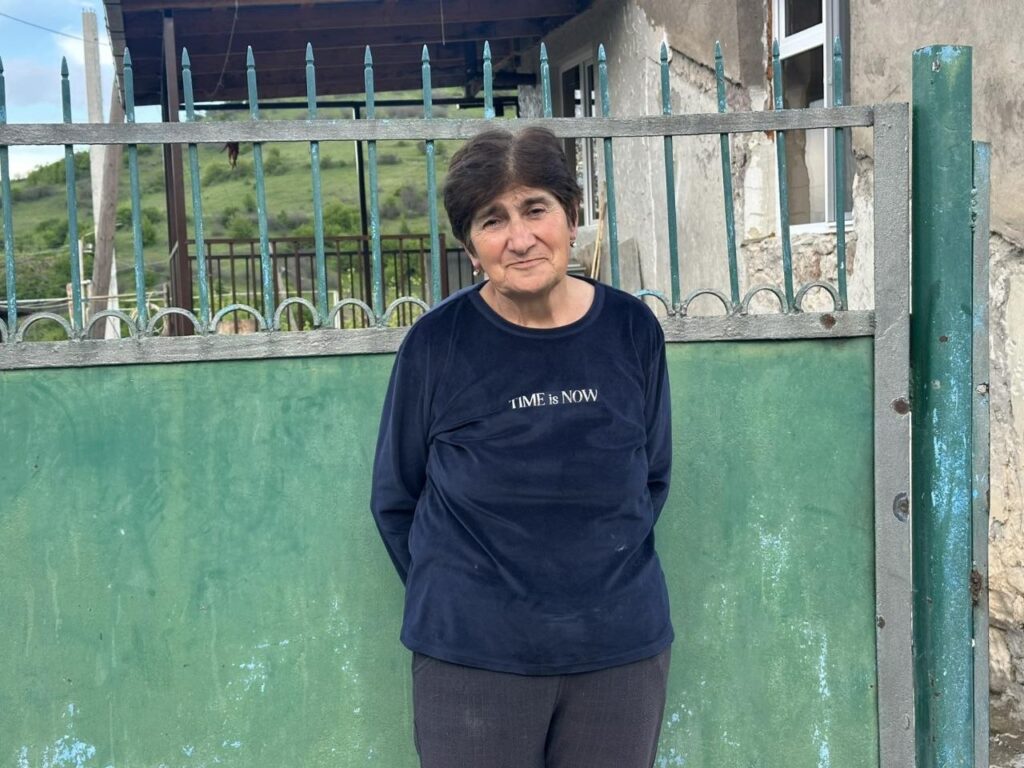
She proudly says that, before her, her mother served as the village nurse for nearly 40 years.
“We know every family’s medical history by heart – their illnesses and health problems. As the saying goes, we’re the midwives, the doctors and the nurses all at once. The village has a medical centre, but if something happens, people can come straight to my house at any time of the day or night. Or I go to them if someone needs help.“
The village nurse says her biggest concern is no longer migration but the falling birth rate.
“Life wasn’t bad in Soviet times. Tobacco used to be grown here, but not anymore. Back then, money had real value; now it has lost much of its worth. But what worries me most is the low birth rate in the village. Some years, only two babies are born. We have many men, even in their 40s, who are still unmarried. I don’t know why. Perhaps they can’t find suitable partners in the village, or maybe women don’t want to marry local men. But it’s a serious problem for us.”
This article was produced as part of a media tour organised by Armenian Caritas under the Support to Migrants in the South Caucasus and Central Asia programme.
Labour migration from Armenia to Russia