Georgia’s fuel exports jump sevenfold in Q1 2026 on Russian oil influx






In the first quarter of 2026, Georgia’s exports totalled $1.72bn, marking a 23.4% increase compared with the same period last year.
Passenger cars remained the leading export category, although their value fell to $365m, a year-on-year decline of 27%.
Over the same period, oil and petroleum products rose to second place, reaching $208m in exports — nearly seven times higher than in the first quarter of the previous year.
According to preliminary data published by Georgia’s National Statistics Office on 20 April, local exports — goods produced in Georgia excluding re-exports — totalled $1.12bn in the first three months of 2026, accounting for around 75% of total exports.
The rise in oil and petroleum product exports was particularly sharp. In the first quarter of 2025, exports in this category stood at just $26m, while in 2026 they increased to $208m, marking a 698% rise. An even more significant increase was recorded in local exports, where petroleum products saw a surge of 3,714%.
According to the statistics, around $200m of petroleum product exports came from domestic production, while re-exports accounted for just $8m.
Notably, Georgia produces very little crude oil. In the first quarter of 2026, all crude oil imported into the country came from Russia, with its value reaching $118m.
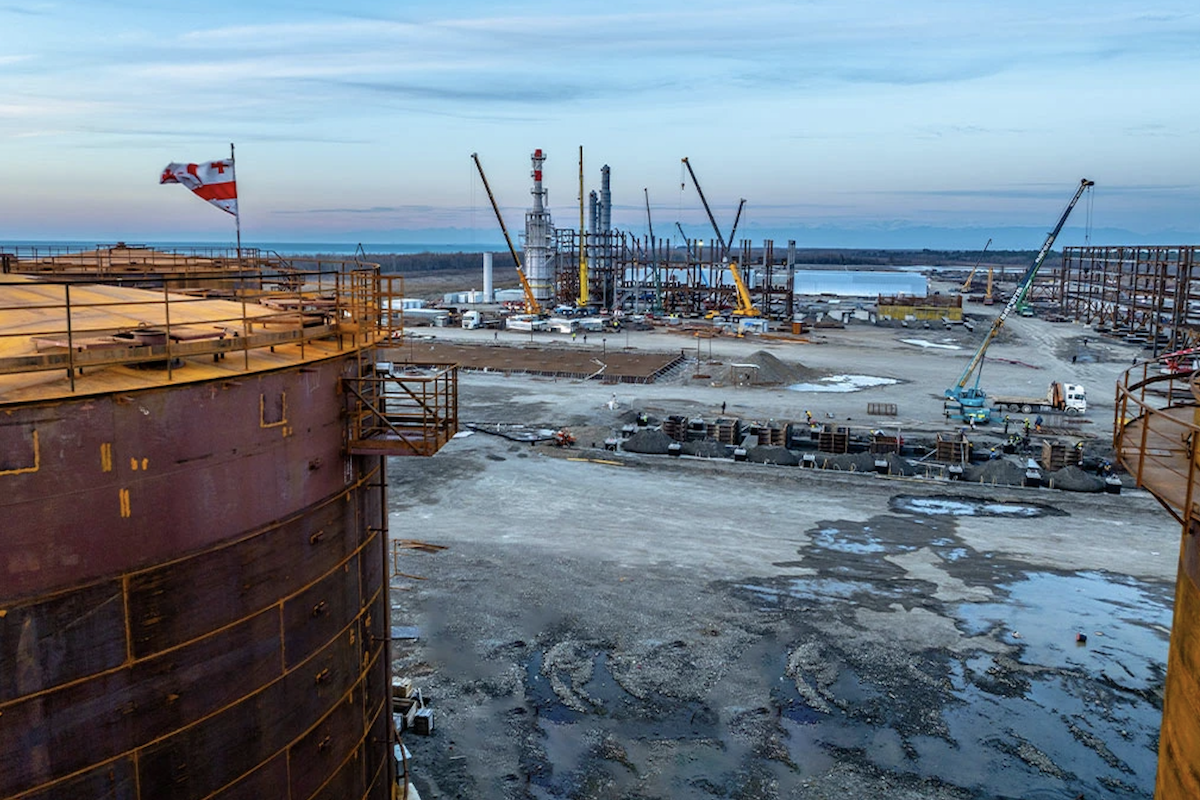
Available data suggest that the imported crude oil is likely refined locally and then exported. Since 2025, the Kulevi oil refinery has been operating in Georgia, initially processing Russian crude. Company representatives say efforts are under way to diversify supply sources, including towards Turkmen and Kazakh oil.
In terms of export geography, the main destination for petroleum products is Togo — a country in West Africa — which became Georgia’s largest export market in this category in the first quarter of 2026.
The list of export destinations is as follows:
- Togo — $55.3m for 71,280 tonnes;
- Turkey — $48.1m for 100,803 tonnes;
- China — $22.8m for 29,238 tonnes;
- Malta — $17.1m for 32,861 tonnes;
- Morocco — $16.7m for 30,170 tonnes;
- Singapore — $11.8m for 37,932 tonnes;
- UAE — $11.8m for 34,816 tonnes;
- Libya — $11.4m for 9,499 tonnes;
- Cyprus — $3.5m for 13,164 tonnes;
- Uzbekistan — $580,900 for 302.4 tonnes.
Kulevi terminal and possible sanctions
The European Union removed the Kulevi port, located on Georgia’s Black Sea coast, from a list of potential sanctions on 10 March 2026. The decision followed commitments by Tbilisi and the port’s operator, an Azerbaijani company, to comply with sanctions against Russia.
EU Sanctions Envoy David O’Sullivan informed Georgia’s Foreign Minister Maka Bochorishvili of the decision in a letter dated 5 March.
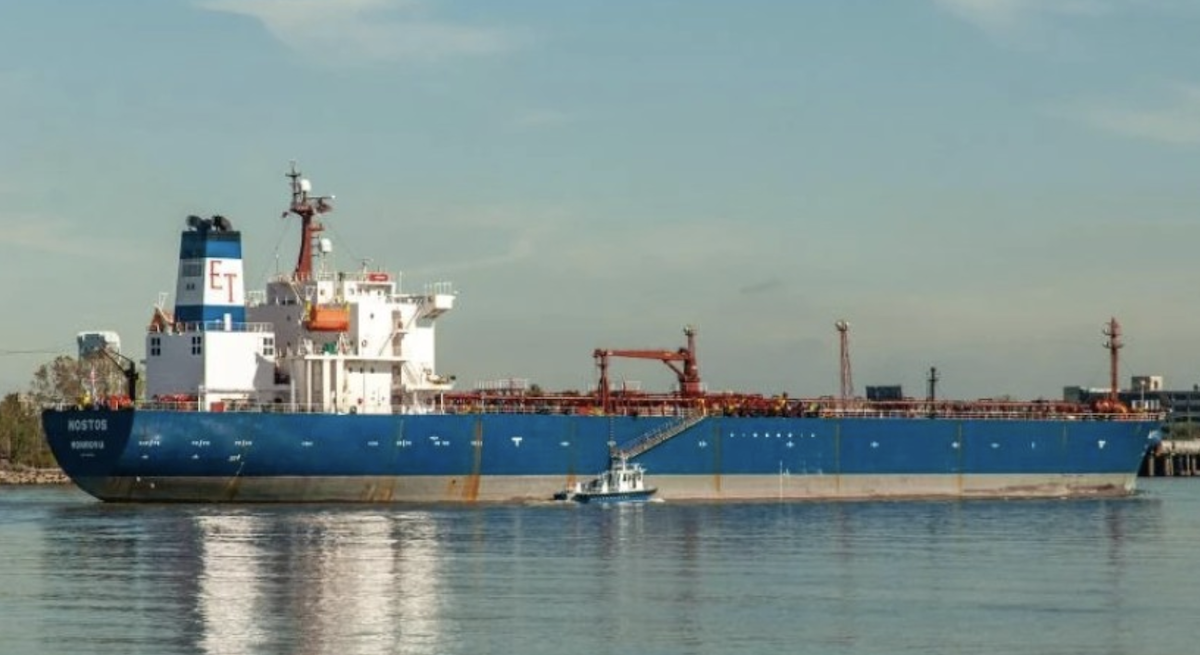
At an earlier stage, the EU had considered including the Kulevi terminal in its 20th sanctions package. Brussels had raised concerns about the port’s role in transporting Russian oil by sea and visits by so-called “shadow fleet” tankers. However, according to O’Sullivan’s letter, that position was revised after the Georgian authorities and the port operator made specific commitments.
He also noted that the Azerbaijani energy company SOCAR, which operates the Kulevi terminal, had agreed to conduct its activities in full compliance with EU sanctions, including adherence to the price cap on Russian oil and EU import bans.
According to the EU representative, these commitments played a decisive role in Brussels’ final decision not to include the Kulevi port in the 20th sanctions package.
Petroleum product exports from Georgia