US court orders Georgia to pay $350m over halted Namakhvani HPP project






Georgia to pay $350m over Namakhvani HPP
A US federal court has granted a request by Turkish company ENKA Renewables in its arbitration dispute with the Georgian authorities over the abandoned Namakhvani hydropower plant project.
US District Judge Amit Mehta authorised the enforcement of an international arbitration award.
This means Georgia will have to pay ENKA about $350m, plus accrued interest, bringing the total to approximately $400m.
Interest will continue to accrue daily and will be compounded monthly.
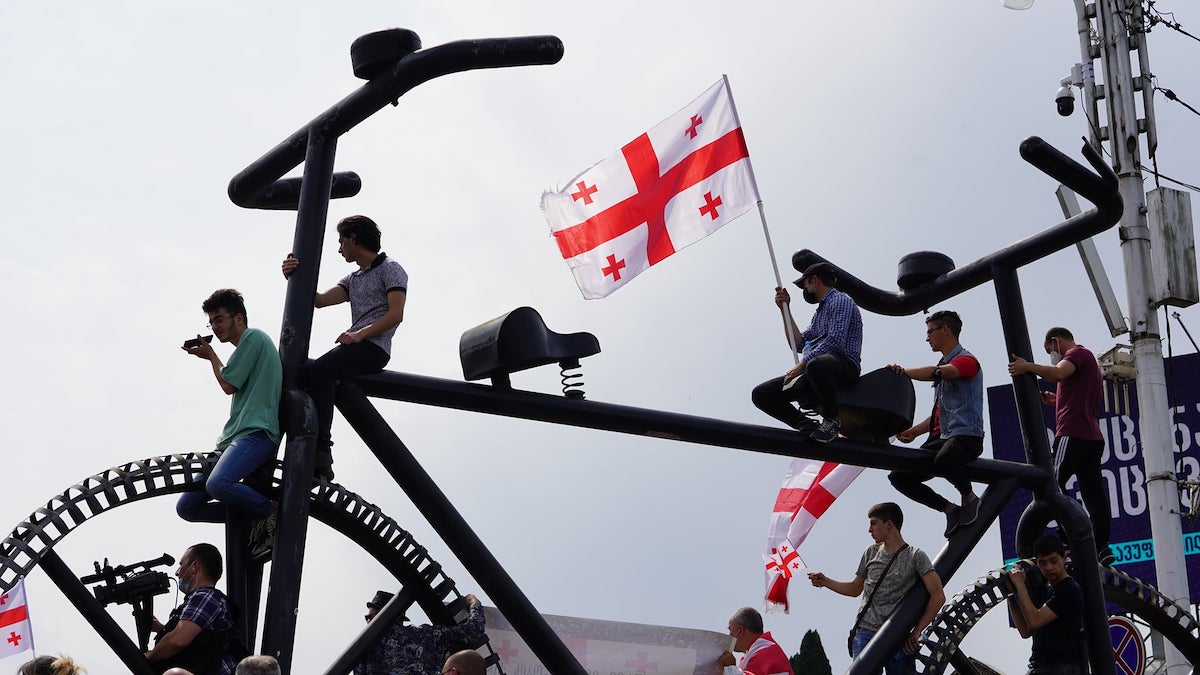
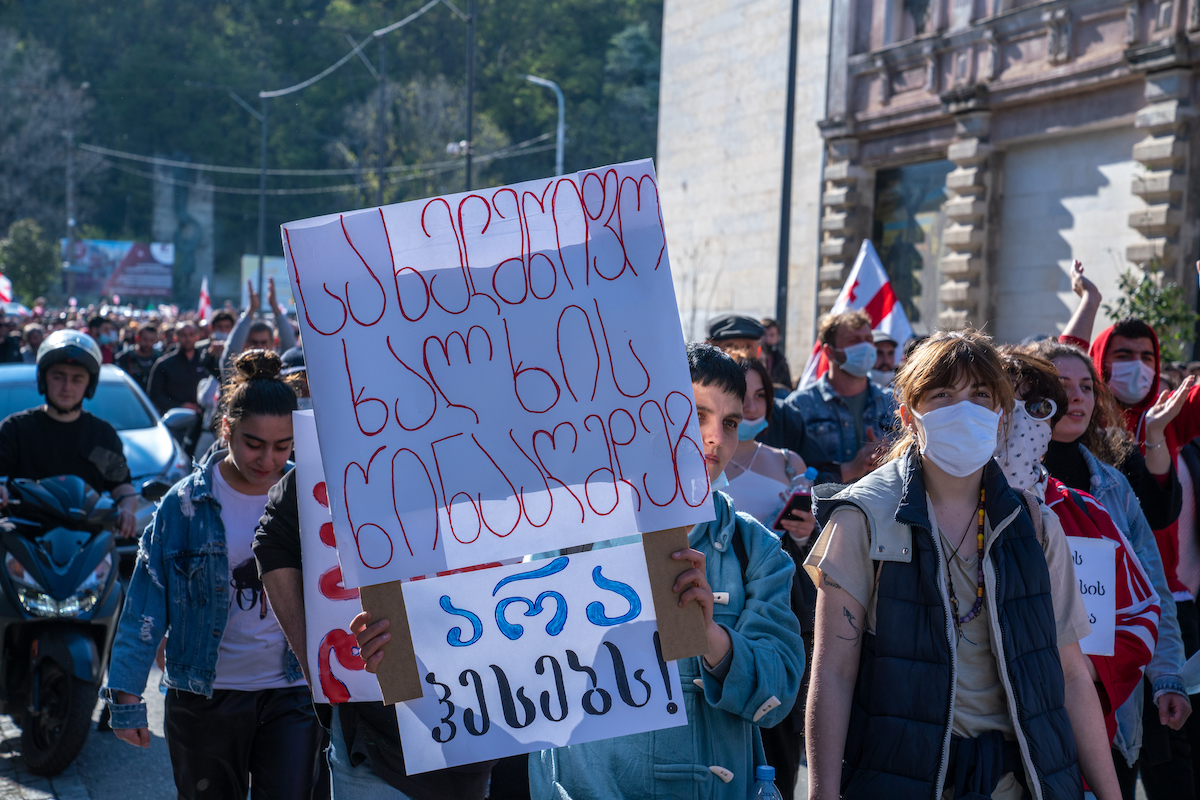
ENKA, one of Turkey’s largest construction companies, began work on the Namakhvani cascade hydropower project in Georgia in October 2020. It was set to become the country’s largest energy project since Georgia gained independence from the Soviet Union. However, the project faced strong opposition from local residents and civil society activists. They argued that the hydropower plant would flood the valley, threaten 18 villages and pose risks to the nearby city of Kutaisi.
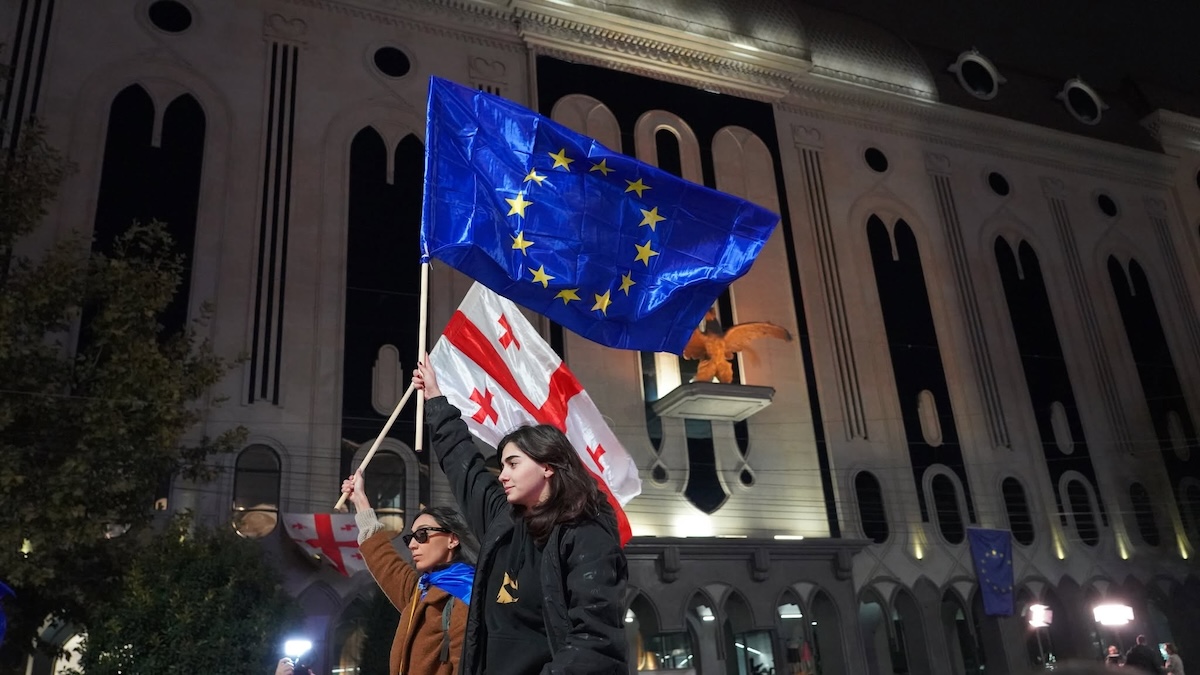
Local residents dubbed the project the “dam of death”, set up protest camps at the construction site in the Tskaltubo district and demanded an immediate halt to the works and the removal of equipment from the valley. They also filed a lawsuit challenging the permit issued for the construction of the hydropower plant.

The judge rejected all of Georgia’s arguments, including its request to dismiss or stay the case until the Paris Court of Appeal had reached a final decision on ENKA’s arbitration claim.
The court ordered ENKA to submit its final claim by 18 September, including interest accrued since the court’s ruling on 11 September.
How Namakhvani HPP dispute ended up in international arbitration
Local opposition to the Namakhvani HPP project was so intense that it delayed its implementation, and ENKA eventually terminated its agreement with the Georgian government.
The Turkish company argued that Georgia had materially breached its obligations under the agreement, including by failing to provide adequate access to the construction site.
The Georgian government disputed this assessment.
After terminating the agreement, ENKA transferred project-related assets to Georgia and sought compensation based on their fair market value. The two sides failed to agree on the amount, prompting the company to take the dispute to international arbitration.
The case was heard by an arbitration tribunal of the International Chamber of Commerce (ICC), which convened in Paris in May 2022.
After about two years of proceedings, the tribunal found that Georgia had materially breached the terms of its agreement with ENKA.
It also found that ENKA had been entitled to terminate the agreement and that Georgia was required to compensate the company for the fair market value of the assets transferred to the state following the termination, as well as interest.
Interest was initially calculated using the international LIBOR benchmark plus an additional four percentage points. The parties later agreed to use SOFR instead.
In January 2025, the tribunal also issued an additional document correcting a technical error in its decision.
The dispute, however, did not end there.
Paris appeal and Washington court ruling
Both Georgia and the Turkish company subsequently took further legal action.
Georgia appealed to the Paris Court of Appeal, challenging, among other things, the amount sought by ENKA. It asked the court to annul the arbitration award and reconsider the case.
ENKA, meanwhile, applied to a US court seeking recognition and enforcement of the international arbitration award. The company relied on the 1958 New York Convention, which sets out rules for the recognition and enforcement of foreign arbitral awards.
Georgia argued that the US proceedings should be put on hold pending a final ruling by the Paris court. Judge Mehta rejected this argument.
In his ruling, he said one of the main purposes of arbitration was the prompt resolution of disputes and that staying the case indefinitely would be inconsistent with that objective.
The court noted that the arbitration proceedings had begun nearly four years earlier and that, although the final hearing before the Paris court took place in October 2025, no ruling had yet been issued.
Given these circumstances, the Washington court found that waiting for the Paris proceedings to conclude would be inconsistent with the objectives of the New York Convention.
Georgia fails to convince court over damages calculation
One of Georgia’s main arguments concerned the calculation of damages. The parties disagreed over the interest rate to be applied, which could result in a difference of more than $100m in the final compensation amount.
Georgia argued that the tribunal had not given the parties a full opportunity to present their positions. The US court rejected this argument.
According to Judge Mehta’s ruling, Georgia had participated in discussions over the procedure used by the tribunal and had an opportunity to raise its fundamental objection during the proceedings.
The court said Georgia’s representative had not expressed any “strong objection” to the preparation of a joint expert report. It therefore found that Georgia did not have sufficient grounds to have the arbitration award set aside.
Court also rejects Georgia’s procedural argument
Georgia argued that the procedure used by the arbitration tribunal did not comply with the rules agreed by the parties. The Washington court rejected this argument as well.
According to the ruling, the tribunal discussed the methodology for calculating damages with the parties and gave them an opportunity to submit additional arguments on the model prepared by experts. Georgia failed to demonstrate that the tribunal had breached any arbitration rules previously agreed by the parties.
Court rejects Georgia’s argument over sovereign right to control natural resources
Another argument put forward by Georgia was that ENKA’s demand for compensation infringed on states’ sovereign right to determine how natural resources within their territory should be used.
Georgia linked this argument to public protests against the Namakhvani HPP project.
Judge Mehta rejected this argument as well. His ruling said that refusing to enforce a foreign arbitration award on public policy grounds was a narrow exception under US law and applied only in clear-cut cases.
The court considered an example cited by Georgia: a 2018 case in which enforcement of an arbitration award requiring the continued extraction of natural gas in a foreign country was found to be incompatible with public policy.
However, the court found the ENKA case to be fundamentally different. The arbitration award did not require Georgia to take any specific action. It only required the state to pay monetary compensation.
The court found that such a “purely compensatory award” did not violate US public policy.
How much will Georgia ultimately have to pay?
The approximately $350m awarded to ENKA is not the final amount Georgia may have to pay. The US court ruled that interest would continue to accrue after the judgment in accordance with the terms of the agreement.
The court found that the relevant provision was clear and that SOFR plus four percentage points should therefore apply instead of the standard interest rate.
The final amount should become clearer on 18 September, when ENKA is due to submit a proposed final judgment to the court, also reflecting interest accrued since 11 September.
What happens next?
The Washington court’s ruling allows ENKA to seek enforcement of the arbitration award. However, the legal dispute is not yet over.
Georgia’s application to have the arbitration award annulled remains pending before the Paris Court of Appeal. If the French court ultimately sets aside the award, this could provide grounds for refusing its enforcement in the US under Article V(1)(e) of the New York Convention.