Ex-German intelligence chief arrested as investigators probe links to Azerbaijani intelligence






German intelligence passed information to Azerbaijan
Former German foreign intelligence chief August Hanning has been arrested on suspicion of obtaining information constituting state secrets, attempted treason and acting on behalf of a foreign intelligence service.
Germany’s Federal Prosecutor’s Office has not specified which foreign country is involved. However, according to Der Spiegel, investigators are examining Hanning’s possible links to an Azerbaijani intelligence officer and whether he prepared analytical materials for the officer using classified information.
Hanning has also served for many years on the board of the German-Azerbaijani Forum.
Hanning, 80, who headed Germany’s Federal Intelligence Service (BND) from 1998 to 2005, was detained on 6 October. His former chief of staff, Manfred D., was also arrested as part of the same investigation.
According to the Federal Prosecutor’s Office, Hanning is under strong suspicion of espionage involving treason, obtaining information constituting state secrets, attempted treason and acting as an agent for a foreign intelligence service. Manfred D. is suspected of attempted treason and aiding and abetting espionage.
The investigation is ongoing, and the allegations have yet to be considered by a court on their merits. No final judicial decision has been made in Hanning’s case.
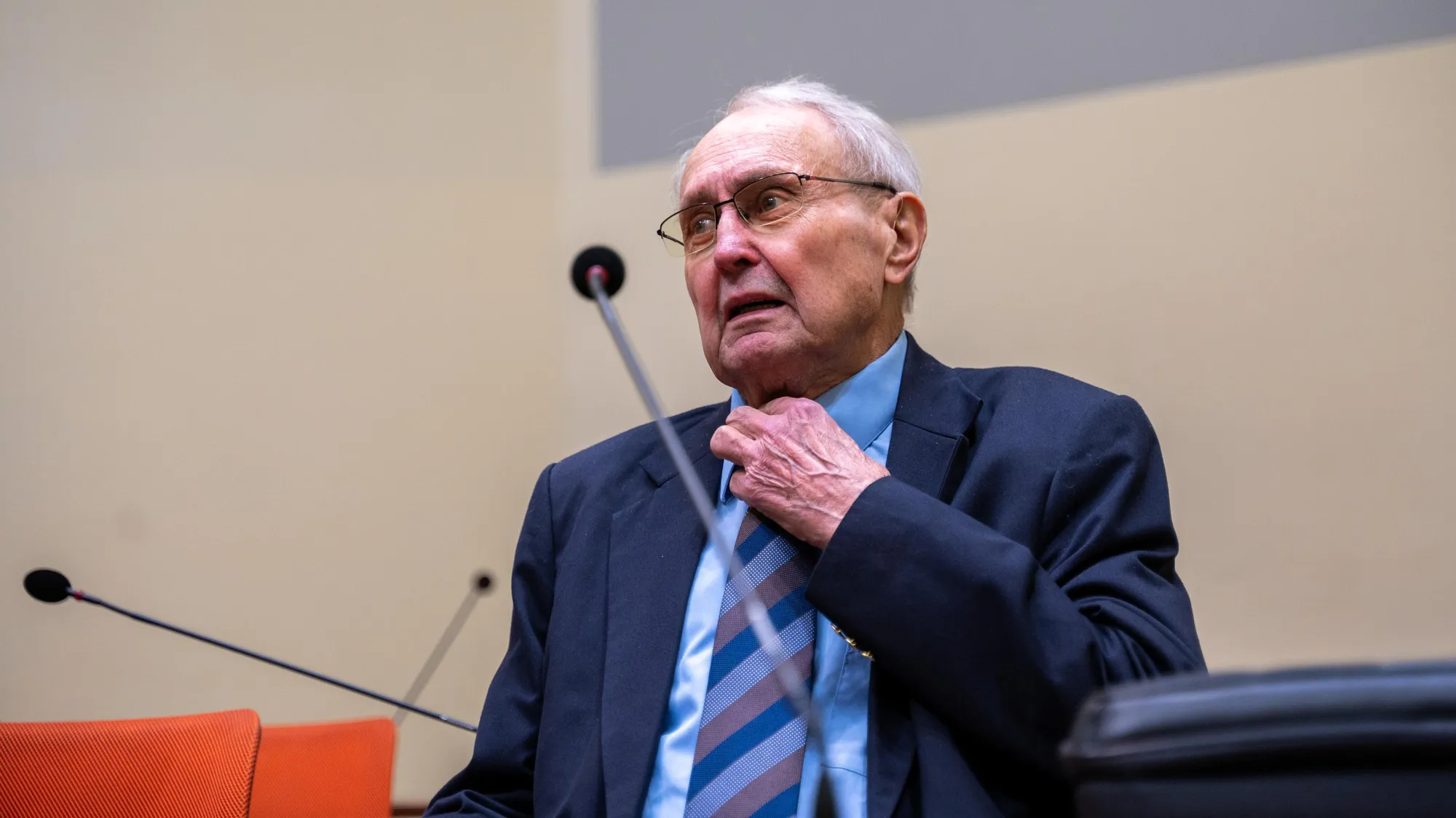
Around 2,000 BND documents
According to investigators, several years after leaving the BND, Hanning reached an agreement with his former employee to provide him with classified information.
The Federal Prosecutor’s Office believes that around spring 2010, Hanning and Manfred D. struck an agreement under which D. would regularly provide his former boss with important information obtained from the BND in exchange for payment.
Manfred D. worked with Hanning at the BND before following him to Germany’s Federal Ministry of the Interior. In 2012, he returned to the BND, where he held a senior position in the offices of subsequent heads of the intelligence service until March 2026. In this role, he had access to classified information.
According to preliminary findings by investigators, between 2010 and 2022, Manfred D. provided Hanning with around 2,000 documents. A significant proportion contained classified information and were intended exclusively for internal use within the BND.
Some of the materials contained information intended for the BND leadership, as well as for regular meetings of intelligence service representatives at the German Federal Chancellery. According to an investigation by WDR, NDR and Süddeutsche Zeitung, the documents included material on Iran’s nuclear programme and the Russian military, as well as information obtained from Germany’s partner intelligence services.
Prosecutors say Hanning intended to use the information for commercial purposes as part of his private consultancy work.
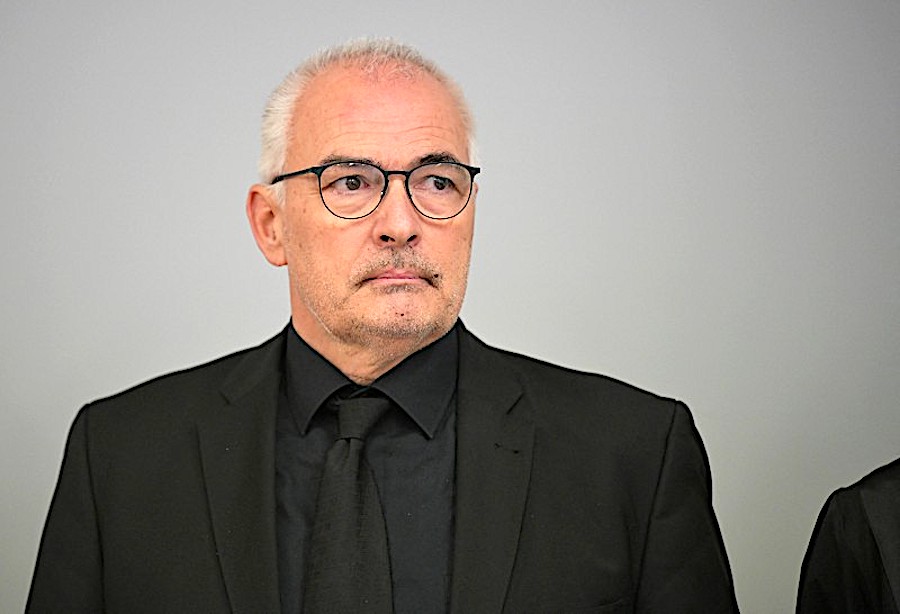
How did Azerbaijan connection emerge?
The Federal Prosecutor’s Office does not mention Azerbaijan or any other country in its official statement.
According to the official account, Hanning once used classified information obtained from Manfred D. to prepare an analysis for “an employee of a foreign intelligence service”. Investigators have so far been unable to establish whether the analysis was actually passed to its intended recipient.
The possible Azerbaijan connection emerged in reports by German media citing sources familiar with the investigation.
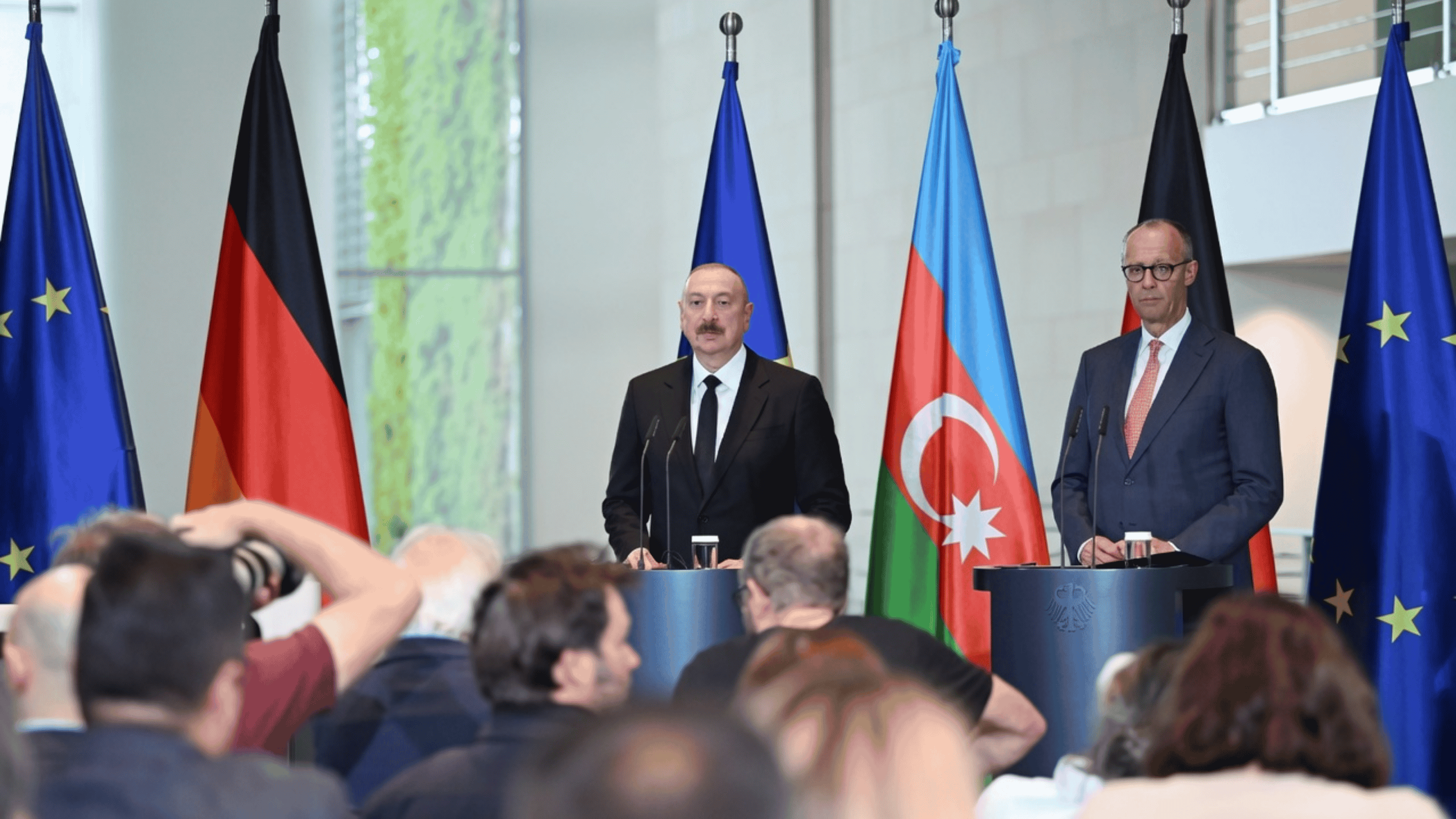
According to Der Spiegel, investigators are examining Hanning’s possible links to an Azerbaijani intelligence officer. The magazine also reports that the analysis Hanning prepared using classified BND information was intended for this individual. The same information has also been reported by WELT, t-online and other German media.
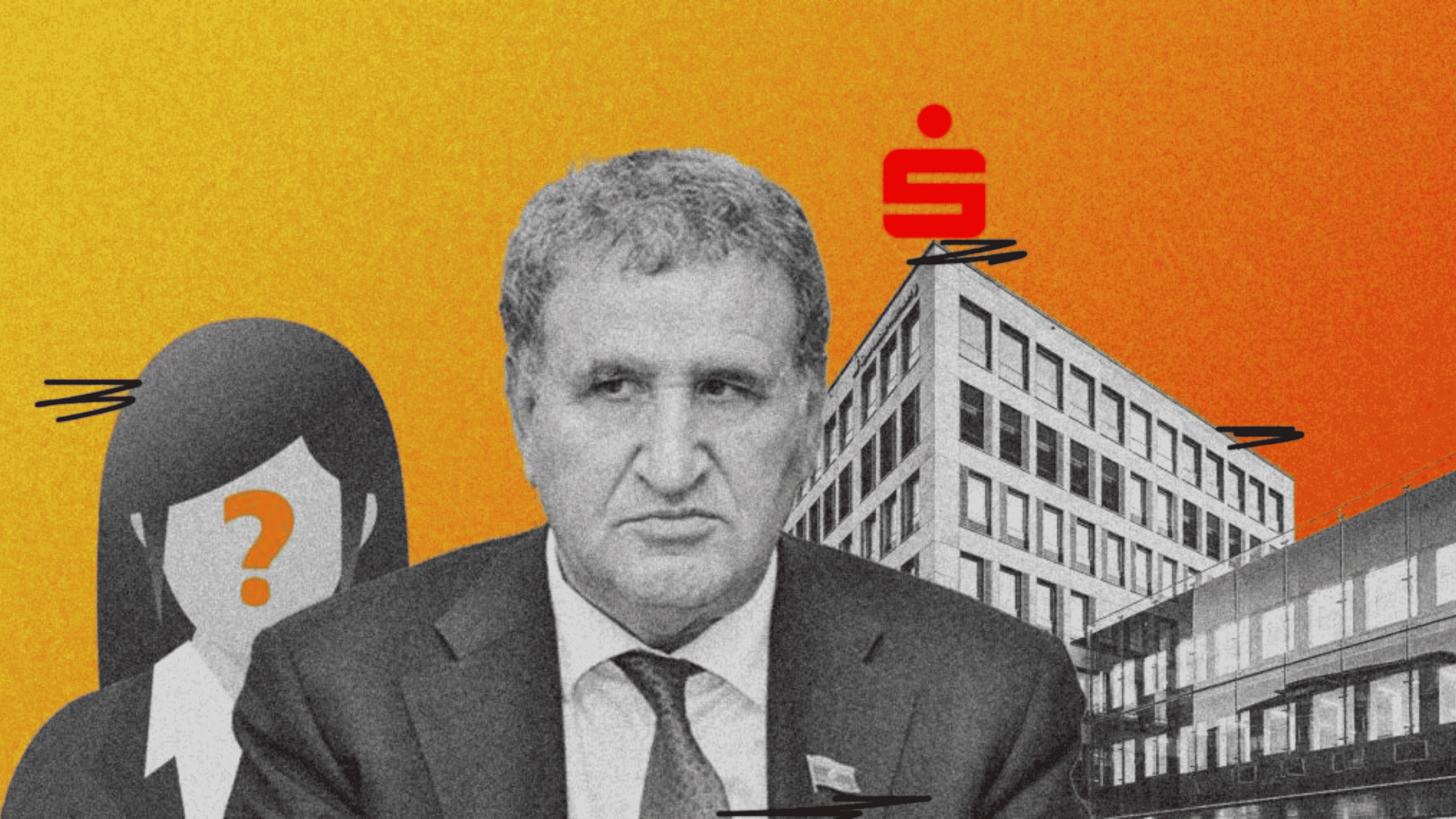
Hanning sits on board of German-Azerbaijani Forum
Another factor drawing attention to the possible Azerbaijan connection is Hanning’s longstanding public ties with the country.
He has for many years served on the board of the Deutsch-Aserbaidschanisches Forum (German-Azerbaijani Forum).
In an announcement about the election of the forum’s new leadership in August 2025, Hanning was again listed as a board member. The same list also included Elmar Mammadov, a representative of Azerbaijan’s state oil company SOCAR in Germany.
The forum describes itself as an independent platform promoting political, economic, academic and cultural ties between Germany and Azerbaijan. LobbyControl, a German organisation that monitors lobbying in Germany, has previously described the forum as one of the lobbying organisations with close ties to the Azerbaijani authorities.
Hanning has served on the forum’s board for many years. As early as 2017, Tagesspiegel reported that the former BND chief was a member of the organisation’s board. It said that even then, the forum’s structures included former ministers, MPs and senior government officials.
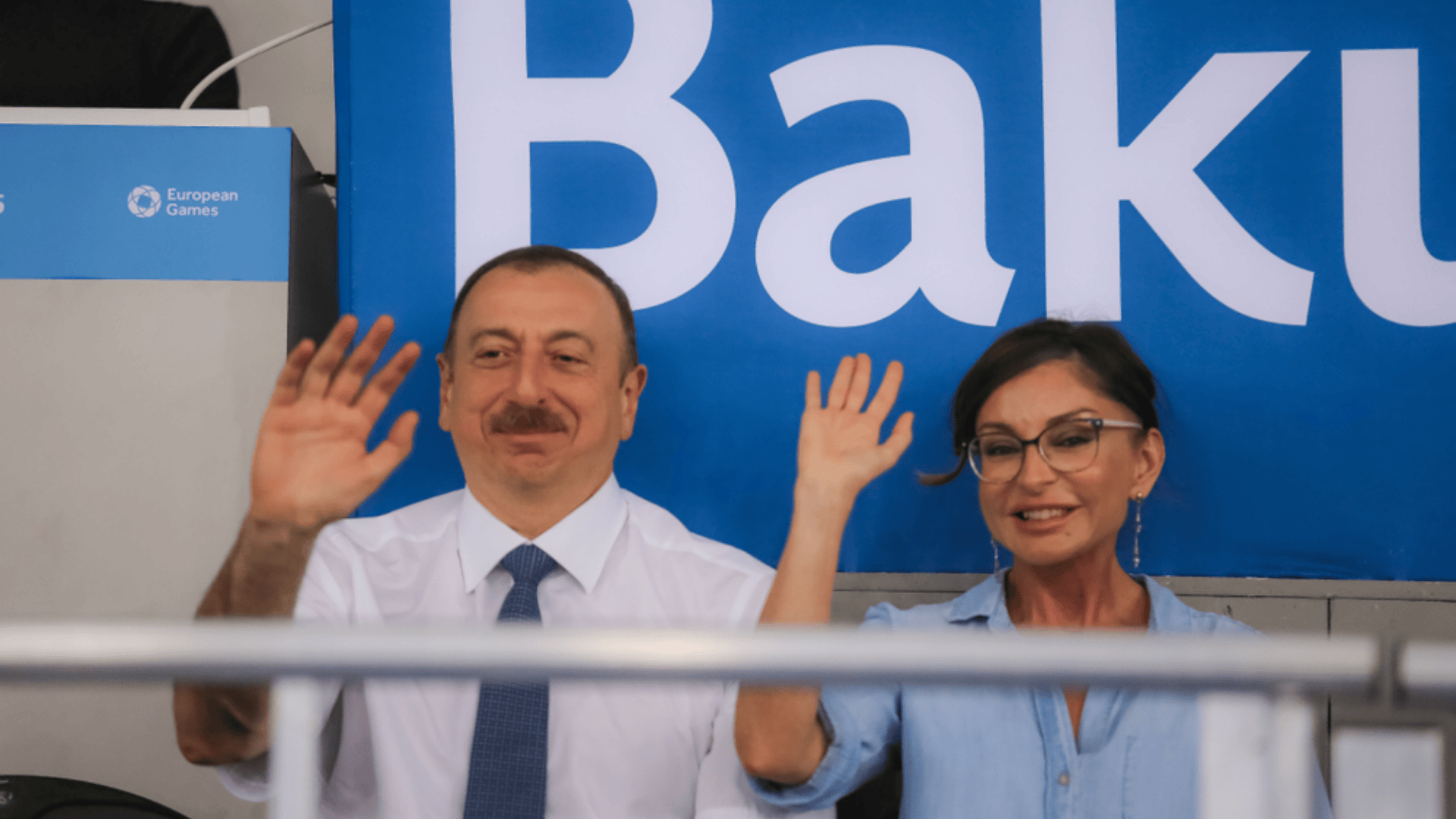
Previous ‘Azerbaijan case’ in Germany
The current espionage investigation is not the first major scandal in Germany involving Azerbaijan.
In recent years, German authorities have investigated a number of criminal cases involving the alleged bribery of politicians in Azerbaijan’s interests.
In July 2025, a Munich court gave former CSU MP Eduard Lintner a nine-month suspended prison sentence for his role in transferring funds originating from Azerbaijan in an effort to influence decisions by the Parliamentary Assembly of the Council of Europe (PACE). The court explicitly described this as vote-buying.
In January 2026, former CDU MP Axel Fischer was given a 14-month suspended prison sentence. According to the court, while serving in PACE, Fischer received tens of thousands of euros from Azerbaijan and, in return, made positive statements about the country and passed on confidential documents.
Legally, these cases are unrelated to the current investigation into Hanning. The Lintner and Fischer cases concerned political corruption and lobbying on behalf of the Azerbaijani government’s interests. The Hanning case concerns state secrets and suspected activity on behalf of a foreign intelligence service.

Classified documents discovered during unrelated investigation
Suspicions of espionage involving Hanning emerged under unusual circumstances.
In September 2025, German law enforcement officers searched Hanning’s home and offices as part of a separate criminal investigation into the kidnapping of the children of businesswoman Christina Block. Hanning also denied the allegations in that case.
During the searches, investigators reportedly discovered classified BND material. The documents were subsequently handed over to federal authorities, and in May 2026 a covert investigation into Hanning and Manfred D. was launched.
The findings of the investigation could have serious implications for Germany’s intelligence service. BND chief Martin Jäger said an internal review was also under way and that the initial suspicions had been further substantiated. German lawmakers responsible for overseeing the intelligence services have called for a comprehensive investigation into what happened.
If reports of Hanning’s links to Azerbaijani intelligence are confirmed, the case would go beyond previous scandals involving Azerbaijani lobbying in Germany: this time, the issue is not political influence but the possible transfer of classified German intelligence to a foreign intelligence service.