EU prepares to expand without Georgia: what 'candidate status on paper' means






The European Union is preparing for a new round of enlargement and drawing up concrete roadmaps for four leading candidates — Montenegro, Albania, Moldova and Ukraine.
Georgia is no longer part of this process. The European Commission does not mention it at all in its main communication. An accompanying 149-page document explicitly says that Georgia’s EU accession process has effectively been put on hold.
Against this backdrop, the political conflict between Tbilisi and Brussels has become increasingly clear. So has their different understanding of European integration itself. The European Commission says democratic reforms and alignment with EU foreign policy form part of the conditions for membership. Leaders of the ruling Georgian Dream party, meanwhile, have increasingly openly portrayed some of Brussels’ demands as pressure that harms the country’s interests.
“A candidate only on paper”
On 6 October, the European Commission published a communication titled “Communication on Pre-Enlargement Policy Reviews – Preparing for a Wider Union” (“Pre-Enlargement Policy Review — Preparing for a Wider Union”).
The document outlines how the EU itself should prepare for future enlargement. One of the main areas involves gradually integrating candidate countries before they achieve full membership.
At the same time, the European Commission is considering stronger safeguards in case a new member violates the EU’s fundamental principles after joining. In the most serious cases, such a mechanism could even suspend the member state’s voting rights in the Council of the EU.
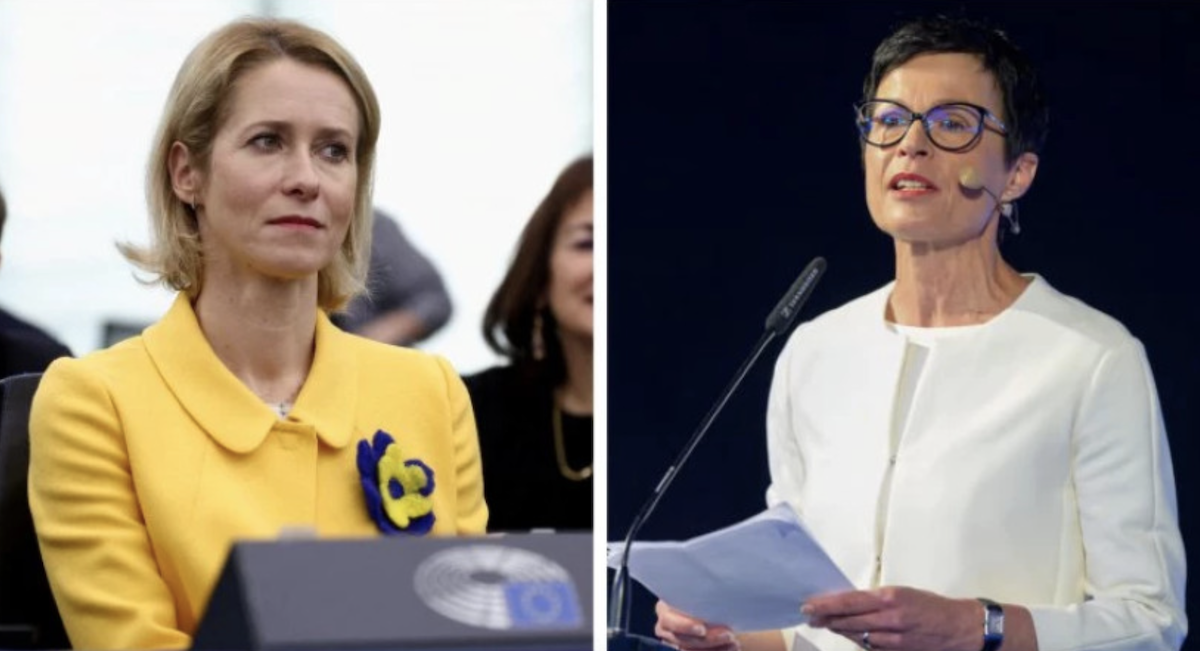
The European Commission will prepare roadmaps for four countries — Montenegro, Albania, Moldova and Ukraine.
- The main 25-page communication does not even mention Georgia.
On 6 October 2026 in Brussels, European Commissioner for Enlargement Marta Kos described Georgia’s position in response to a question from a Georgian journalist:
“As you know, Georgia is a candidate country only on paper. I regret that. I would like Georgia, with the huge support of the Georgian people, to be at the same level as Moldova and Ukraine today.
How we continue working with the country will depend to a large extent on how the member states assess its future. But much of what is happening in the country [in Georgia] will appear in the enlargement reports at the end of October. You can imagine which direction things will take.”
The working document accompanying the communication does mention Georgia among the enlargement countries, but it adds an important caveat:
“Georgia’s accession process has been de facto halted in line with the conclusions of the European Council.”
This is an important point: the EU has not revoked Georgia’s candidate status, and it did not take any new decision to do so on 6 October.
However, despite retaining its formal status, Georgia does not rank among the candidates for which the European Commission is now planning the next stage of accession.
A common starting point, different trajectories
Georgia applied to join the European Union in March 2022, at the same time as Ukraine and Moldova.
It received candidate status in December 2023, subject to fulfilling nine steps set out by the European Commission.
The three countries then took sharply different paths.
The EU opened accession negotiations with Ukraine and Moldova in 2024. In Georgia’s case, however, EU documents state that steps taken by the authorities since 2024 have harmed the country’s European path and effectively halted the accession process.
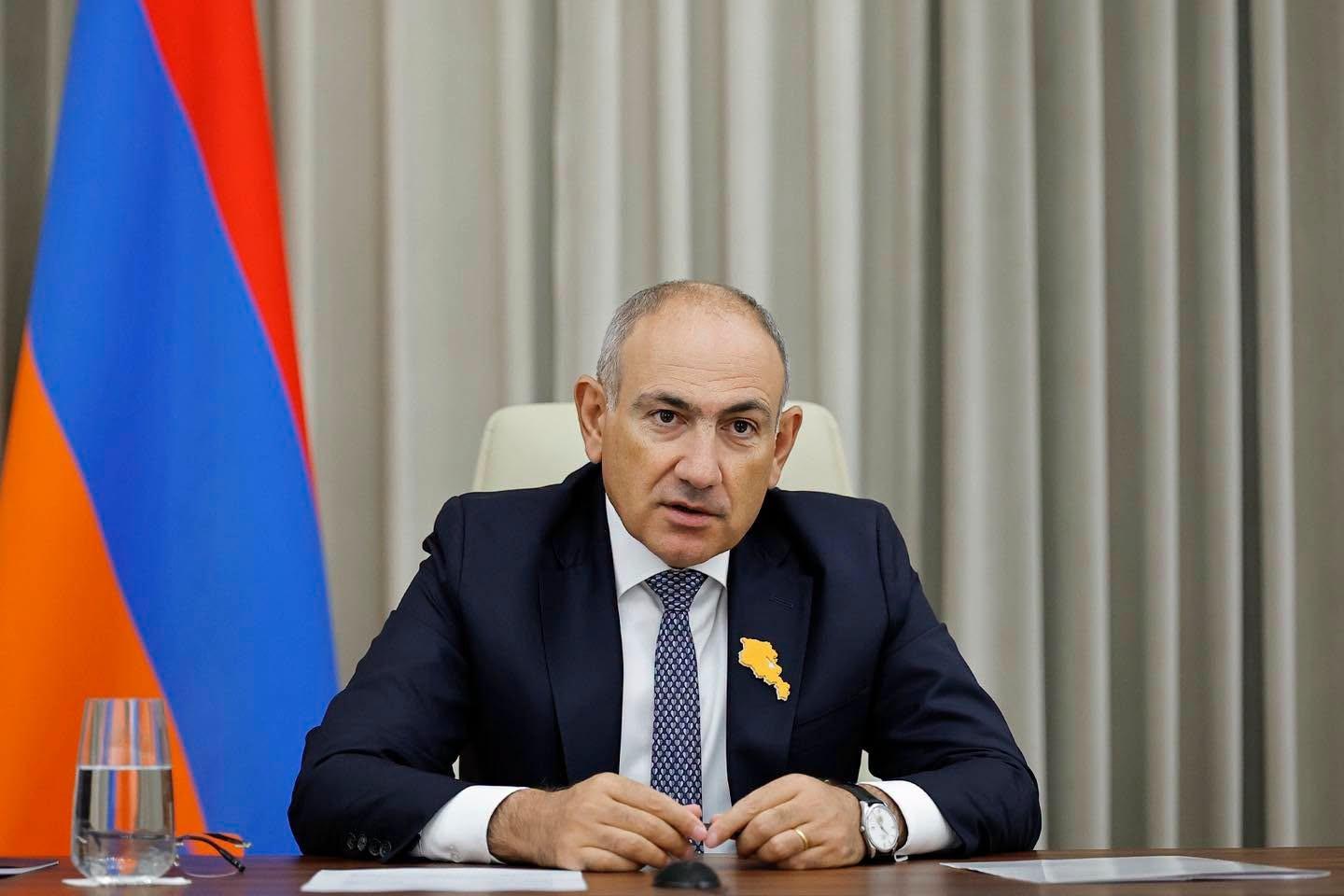
On 28 November 2024, Georgian Prime Minister Irakli Kobakhidze said the government would not put the opening of EU accession talks on the agenda until the end of 2028 and would reject all EU budget grants.
The new 2026 package makes the difference even clearer: Moldova and Ukraine now rank among the four leading candidates, while Georgia does not.
“Moldova listens to Brussels, while we don’t”
Statements by Georgian Dream show that relations between Tbilisi and Brussels have become increasingly confrontational.
Georgian authorities respond to criticism from the EU not only by defending their policies, but also by openly rejecting and criticising Brussels’ demands themselves.
Government representatives also frame compliance with some EU demands as a question of protecting Georgia’s national interests.
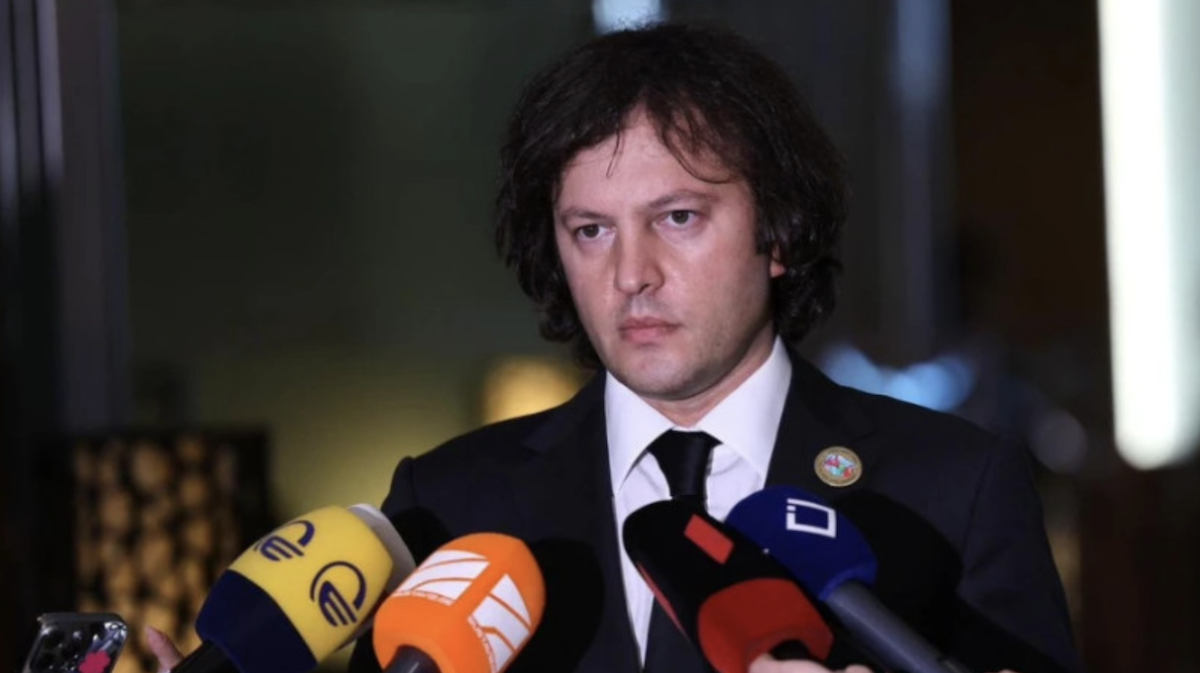
Georgian Parliament Speaker Shalva Papuashvili contrasted Marta Kos’s statement about Moldova’s progress with economic indicators. He said Georgia’s economic growth was higher.
Papuashvili linked this difference to Georgia’s approach to Brussels’ recommendations:
“[Moldova] deserves more and more praise, but our experience tells us that the more Brussels praises you, the more its decisions and imposed directives harm you.”
Papuashvili also compared poverty rates in the two countries and linked the differences to their respective approaches to Brussels’ policies.
*“What is the difference? Moldova listens to Brussels, while we don’t. […] The conclusion is clear: those who listen to Brussels suffer; those who do not listen to Brussels but listen to their own people come out ahead economically. The only thing Moldova is really ahead of us in is Brussels’ beautiful words.
We certainly do not need such beautiful words if those words only mean that we suffer from policies imposed by Brussels,”* Papuashvili said.
Parliamentary majority leader Irakli Kirchkhalia gave a similar response.
He said the Georgian authorities were ready to carry out the reforms needed for European integration, but that Georgia had “red lines” and national interests that it could not sacrifice to join the EU.
He compared compliance with Brussels’ political demands to “blind obedience” and said Georgia wanted EU membership “not at any cost”.
“If Brussels now considers a country’s ‘progress’ to depend on how blindly it follows specific political demands, then this is no longer merit-based European integration, but an assessment of blind obedience. […] So when we are told that Georgia is ‘lagging behind’ Ukraine and Moldova, our answer is simple: Georgia chooses dignity and peace!” Kirchkhalia said.
What the European Commission says
The European Commission’s 2026 document sets out very different criteria. Alongside economic development, the central issues in the accession process include the rule of law, democratic standards and alignment with the EU’s Common Foreign and Security Policy (CFSP).
According to the document, Albania, Bosnia and Herzegovina, Montenegro and North Macedonia fully align with the CFSP, while Moldova and Ukraine demonstrate a high level of alignment. Georgia and Serbia need to make significant progress in this area, while Georgia and Turkey have low levels of alignment.
The European Commission sees this as an indication of a candidate country’s strategic choice and says these issues must be resolved before accession.
The document also gives Russia a separate focus. According to the European Commission, enlargement directly counters Russian influence because the accession process requires countries such as Georgia and Serbia to fully align with EU foreign policy and legislation. This includes sanctions, energy, trade, foreign investment and visa policy.
The document also states:
“At present, the Georgian authorities are not actively pursuing EU and NATO membership, while Ukraine is making changes to achieve full compatibility with NATO.”
This ranks among the strongest formulations in the new document because the assessment concerns not just the implementation of a specific reform, but the authorities’ overall political course.
The opposition on Moldova’s example
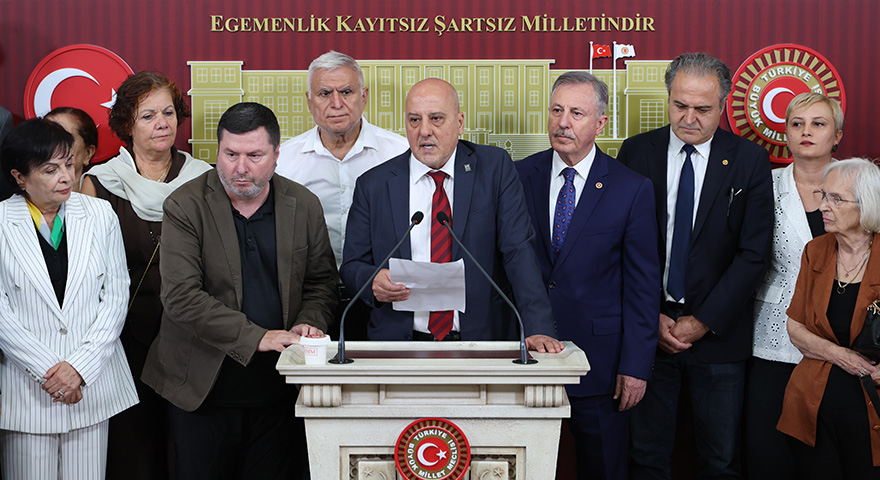
Salome Samadashvili, one of the leaders of the opposition Lelo — Strong Georgia alliance, contrasts Moldova’s example with Georgian Dream’s narrative about a so-called “second front”.
She says Moldova did not open a “second front” against Russia. Instead, the EU is helping Moldova strengthen its security and defence capabilities in response to threats from Russia.
Samadashvili also links Moldova’s European progress to its efforts to tackle oligarchic influence, arguing that Georgia has gone in the opposite direction.
“Unfortunately, Georgia has gone in the opposite direction: an oligarch has taken complete control of the government, destroyed all state institutions, and as a result, our EU accession agenda has been cancelled,” Samadashvili says.
Ban on opposition parties
The political context of Georgia’s relations with the EU is also visible in the European Parliament’s current agenda.
On 7 October, the European Parliament is due to hold a debate officially titled “Attempts by the ruling Georgian Dream party to ban opposition parties in Georgia”. A vote on the corresponding resolution will take place on 8 October.
This is a separate procedure from the European Commission’s enlargement package, and it would be incorrect to directly link the two.
However, the two processes also illustrate the different political contexts between Georgia and the other leading candidates. The EU is working on the next stages of integration with four countries, while the European Parliament is discussing the possible banning of opposition parties in Georgia.
The next important assessment of Georgia will come at the end of October, when the European Commission publishes its enlargement reports.
EU enlargement without Georgia