Now ruling party leader indefinitely: Ilham Aliyev makes new tough foreign policy statements






Ilham Aliyev rejects criticism from Turkey
At the eighth congress of the Yeni Azerbaijan Party, held in Baku on 2 October, the party abolished the five-year term limit for its chairperson. The leader – currently Azerbaijani President Ilham Aliyev – will now remain in the post indefinitely.
In his speech, Aliyev placed particular emphasis on claims that Azerbaijan achieved its military victories in the Second Karabakh War and the subsequent operation entirely on its own.
The president said no outside assistance had been provided to Azerbaijan and that all weapons had been purchased through regular channels.
The remarks came amid criticism in Turkish media after Azerbaijan’s representative remained in the UN General Assembly hall during Israeli Prime Minister Benjamin Netanyahu’s speech on 24 September, unlike delegations from many countries that walked out in protest over Israel’s military operation in Gaza.
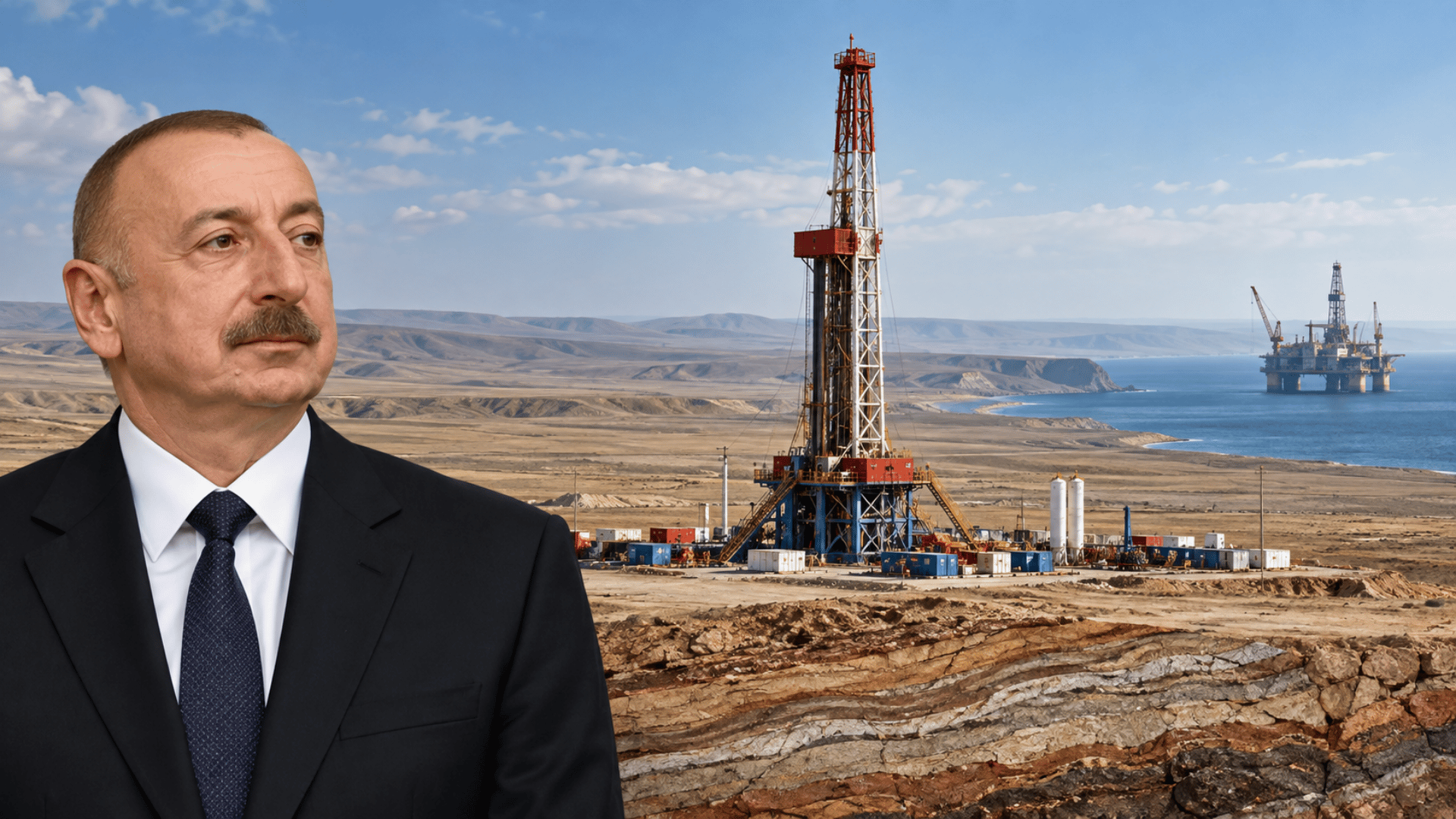
The ruling party leader can now remain in office indefinitely
According to the state-run APA news agency, the party’s congress removed a provision from its statutes that limited the chairman’s term to five years.
Nizami Safarov, who presented the amendment, justified the removal of the limit by pointing to the victories achieved under Aliyev’s leadership. He called Aliyev the “leader of Azerbaijan’s unprecedented victories” and said he considered the decision in line with the country’s political and legal realities.
According to Safarov, Aliyev’s indefinite leadership “will lead the party to new successes and greater victories”.
The change removes the requirement to re-elect the chairman after a set period. However, this does not mean that elections for party chairman will never be held again or that Aliyev will not take part in future party congresses.
The change concerns the party leadership and does not affect the procedure for electing the country’s president.
Politically, the change means there is no longer a mechanism for the party chairman’s mandate to be periodically renewed.
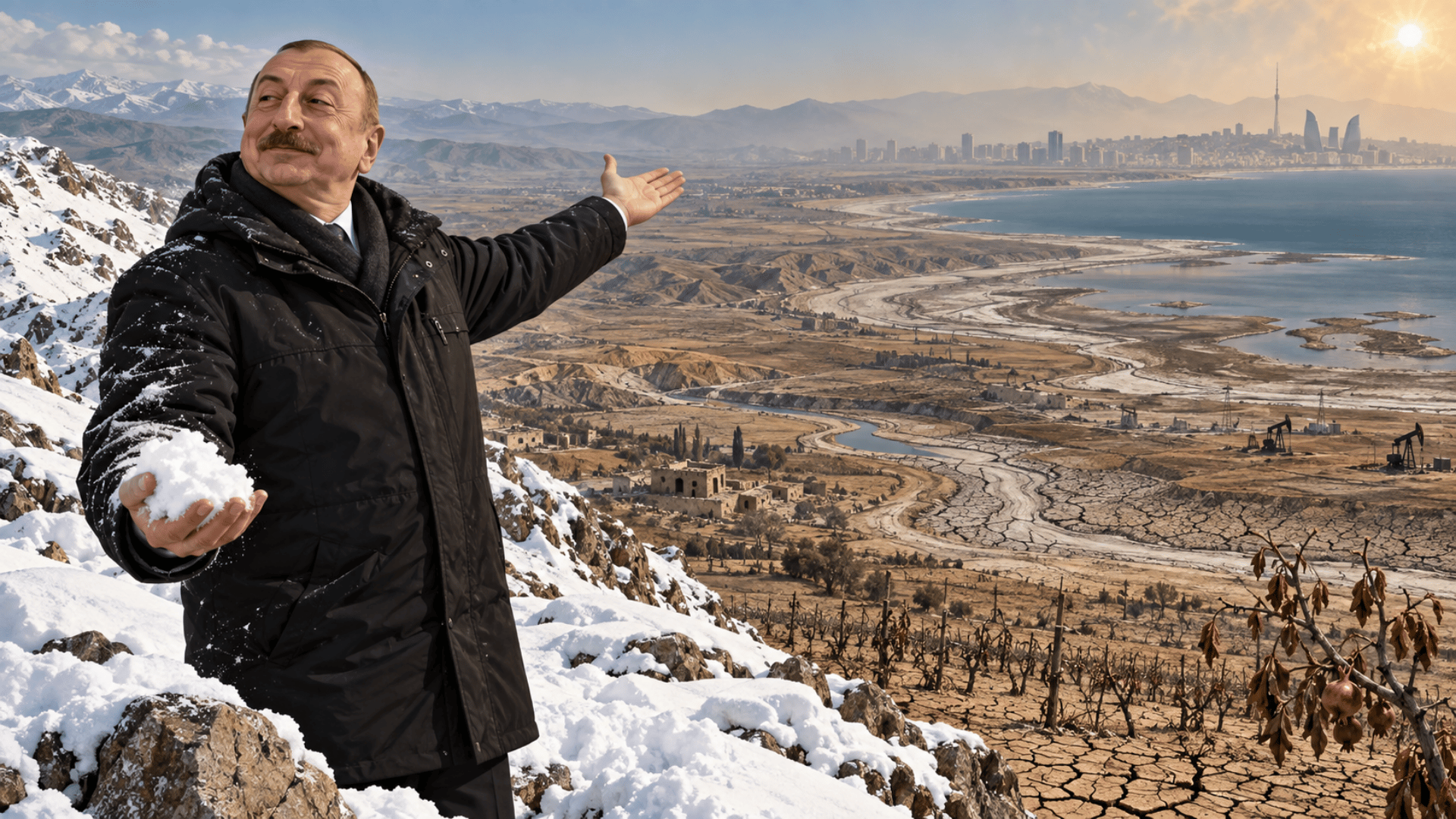
Role of Turkey in the Second Karabakh War: Aliyev denies any outside help for Azerbaijan
“We are shaping our foreign policy, and we must continue to do so in a way that prevents anyone from interfering in our affairs. We do not need anyone’s help or anyone’s protection.
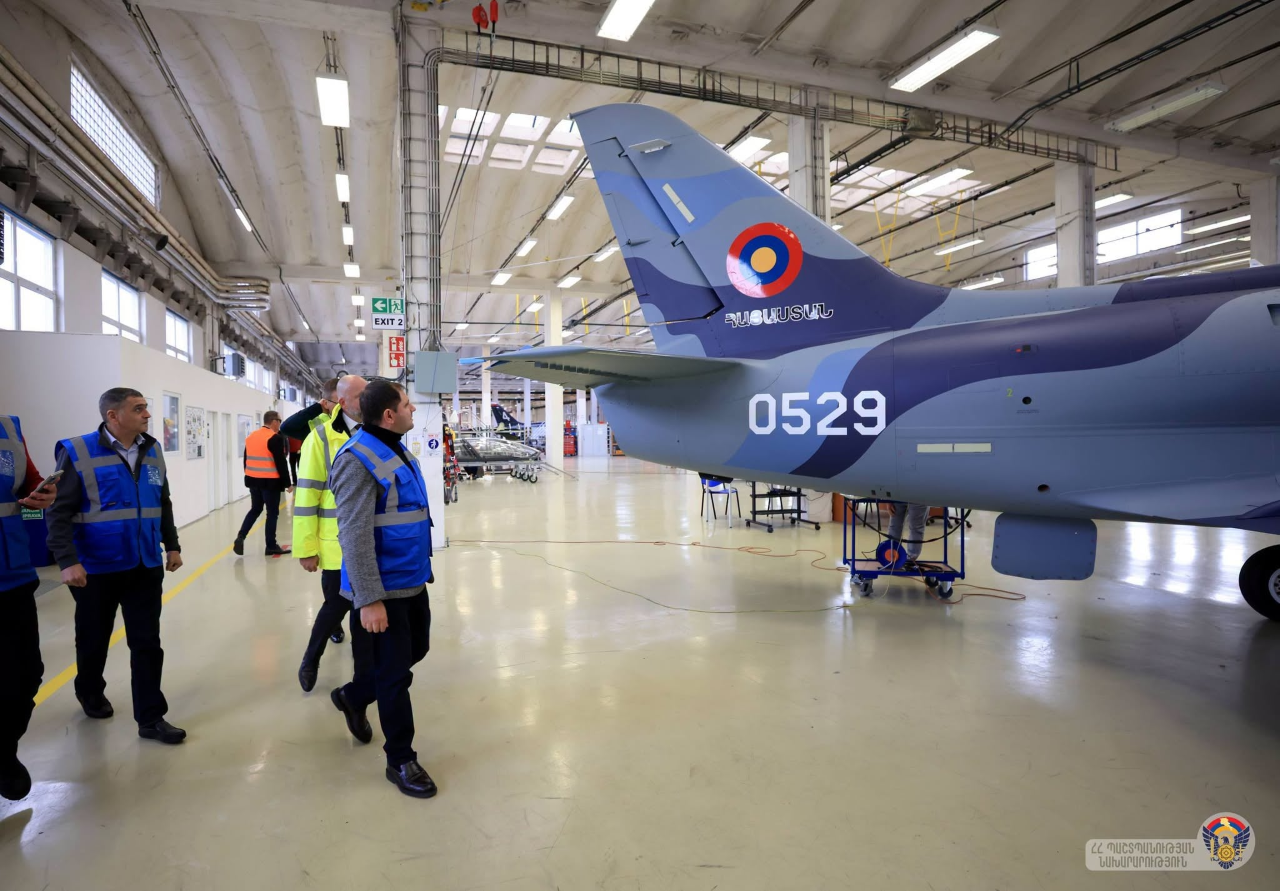
When we needed help, no one helped us. When we had one million refugees, no one reached out to us. Everything we received, we bought with our own money. This includes all the weapons we acquired, paying world market prices down to the last bullet.
I am telling you this with full responsibility, as supreme commander-in-chief and as the person who oversaw all these processes. You know how much Azerbaijan strengthened its military capabilities since 2003: we developed our own production and bought weapons abroad.
Not once were we given a discount of even one manat or one dollar. In fact, sometimes weapons were sold to us at several times the world market price. We had to turn a blind eye to this. So this is a very serious issue.” […]
“Our advantage is that, unlike some countries, we do not need to create myths. In some countries, certain leaders try to take credit for past achievements or exaggerate their own role by distorting history. We do not need that,” Aliyev said.
In another notable part of his speech, Aliyev accused some leaders of trying to take credit for past achievements and “exaggerate their own role”.
Although he did not say whom he meant, social media users and experts have suggested that he was referring to Turkish President Recep Tayyip Erdoğan.
From a political perspective, the remarks appear to downplay any role played by Turkey or other external actors in Azerbaijan’s military success during the Second Karabakh War.
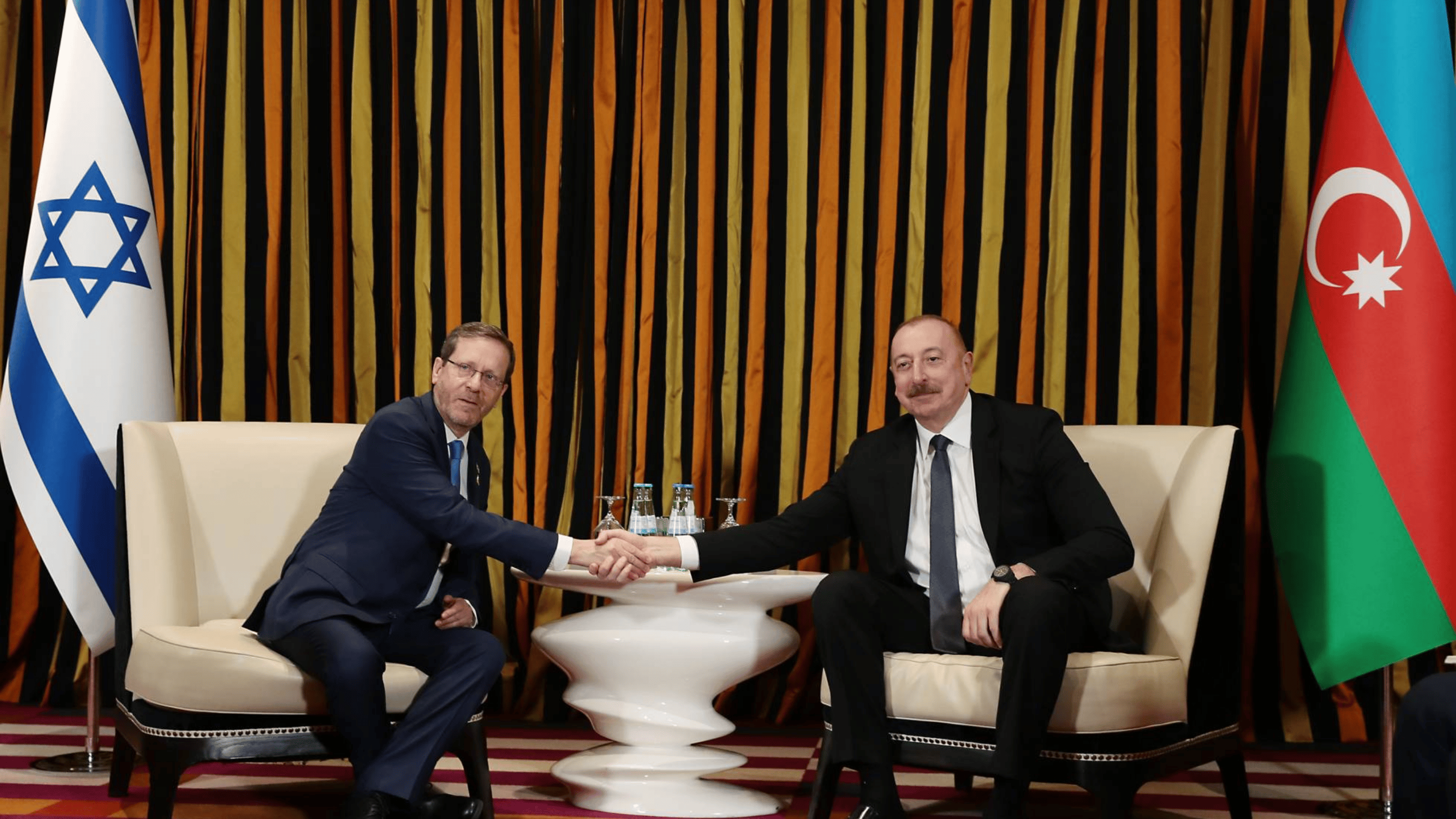
Aliyev’s remarks have a specific historical context when viewed against Turkey-Azerbaijan relations.
On 28 July 2024, Turkish President Recep Tayyip Erdoğan, speaking in Rize about Israel, said: “Just as we entered Karabakh, just as we entered Libya, we can do the same to them.”
The Karabakh victory was therefore used in political speeches as an example of Turkey’s regional power even before the current debate over Azerbaijan’s position at the UN.
The earlier position of Aliyev himself is also important.
On 19 February 2024, speaking in Ankara, he said Turkey had stood by Azerbaijan throughout the war, and that Erdoğan’s initial statements had deterred other powers from intervening. In the same speech, Aliyev spoke about joint military exercises and the adoption of the Turkish army model in Azerbaijan.
Turkey’s support during the war could later have become a political and moral basis for expecting solidarity from Baku on other issues, including Israel. Ankara has not officially made such demands so far.
From this perspective, Aliyev’s remarks can be seen not so much as a denial of Turkey’s support, but as a rejection of the idea that such support creates political obligations: being allies does not mean that Baku has to coordinate all its foreign policy decisions with Ankara.
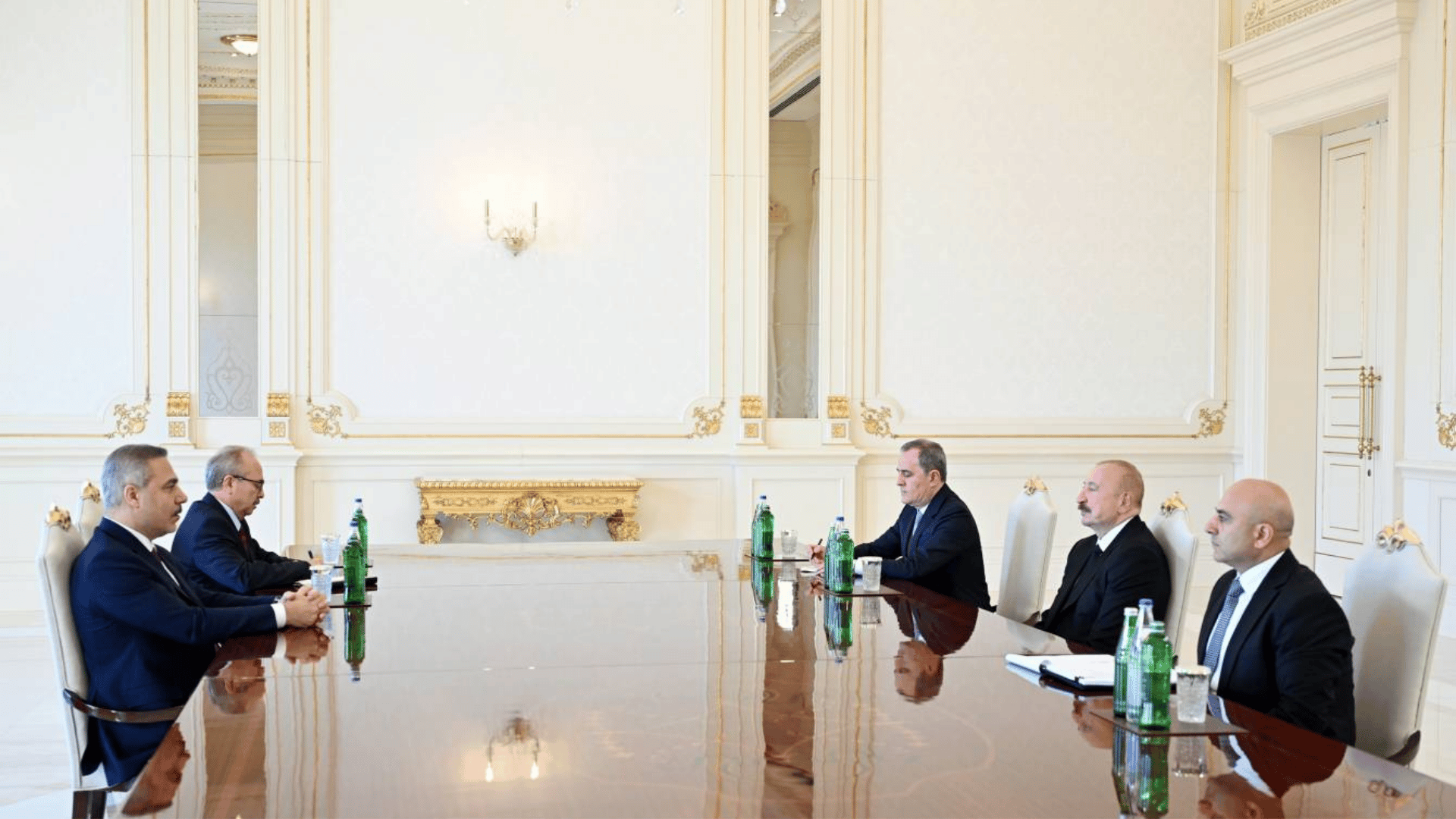
Why did Azerbaijan’s position during Netanyahu’s UN speech spark debate?
On 24 September, when Israeli Prime Minister Benjamin Netanyahu addressed the UN General Assembly, several delegations, including Turkey’s, walked out. Turkish newspaper Sözcü and other media outlets specifically pointed out that the Azerbaijani representative remained in the hall.
Musavat.com reported that the man seen in photographs was Maksad Huseynov, first secretary at Azerbaijan’s permanent mission to the UN. Official materials from the mission also list Huseynov as first secretary.
The debate was further fuelled by the fact that, in the same speech, Netanyahu called Turkish President Recep Tayyip Erdoğan a “tyrant”.
For Turkish audiences, the issue was therefore about both Azerbaijan’s position on the war in Gaza and the presence of an Azerbaijani diplomat during a speech that included criticism of the Turkish president.
Turkish media reported that Azerbaijan’s position caused “great disappointment”.
However, these reports should not be considered an official protest by the Turkish government against Azerbaijan.
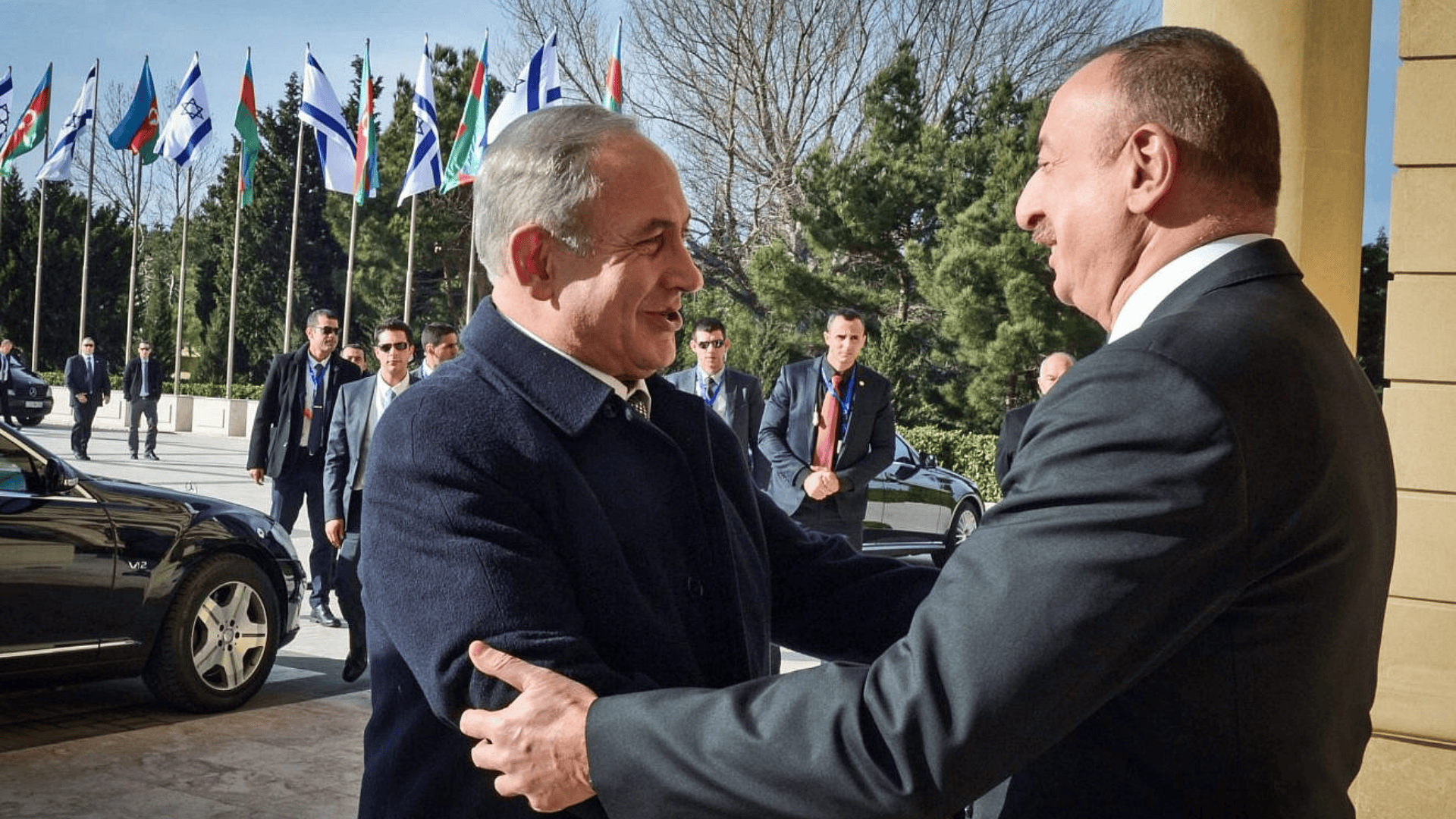
Baku-Tehran: Aliyev accuses Azerbaijani-language media of ‘provocations’
Many analysts believe that part of Ilham Aliyev’s speech about attempts to exert ideological influence through Azerbaijani-language media abroad was aimed at Iran.
Aliyev accused media outlets operating “in our neighbourhood” of provoking Azerbaijan.
“Why is an Azerbaijani-language media outlet created in another country? To help us? No, it is created to provoke us. To mislead our people. To poison the minds of young people. That is why.
If you see an Azerbaijani-language media outlet appearing somewhere, know that this is its purpose.
You don’t have to look far for examples. In our neighbourhood, provocations against us are being carried out day and night in the Azerbaijani language,” Aliyev said.
Such disagreements coexist with economic cooperation between Baku and Tehran.
Analysts therefore say this strong rhetoric should not automatically be seen as a sign of a diplomatic break.
The possible message behind these statements is that economic cooperation does not mean accepting ideological or political interference.
Aliyev also criticised Azerbaijani-language platforms in Western countries:
“Take Western countries. Azerbaijani-language media outlets have also been created there. Why? To undermine unity in the country, bring Azerbaijan under their control, force us to abandon our path of independence and then control us,” the president said.
Much of his speech was likely also aimed at a domestic audience. Aliyev called on members of the ruling party to step up their ideological work.
News in Azerbaijan