

Is Pashinyan rebranding ahead of elections? BBC looks at PM’s music videos on social media






BBC on Pashinyan’s music videos
The BBC Russian Service has published an article titled “Why is Armenia’s leader feeling blue to Zemfira and Lady Gaga? Examining Pashinyan’s new image.” The piece looks at why Armenia’s prime minister has begun posting morning music videos almost every day to wish his followers a good day, asking whether this reflects an “American-style PR strategy or pure inspiration” behind Nikol Pashinyan’s recent image shift and increased social media activity.
Pashinyan has already responded to the article, writing on social media: “It’s reached international media,” and sharing a link to the publication.
- ‘We decided to leave someone else’s pocket and become independent state’ – Pashinyan
- Pashinyan: ‘Peace means being able to travel between Armenia and Azerbaijan’
- Pashinyan says Armenia’s normalisation with Turkey is nearing
This is how Grigor Atanesyan, a journalist with the BBC Russian Service, describes Pashinyan’s morning music videos:
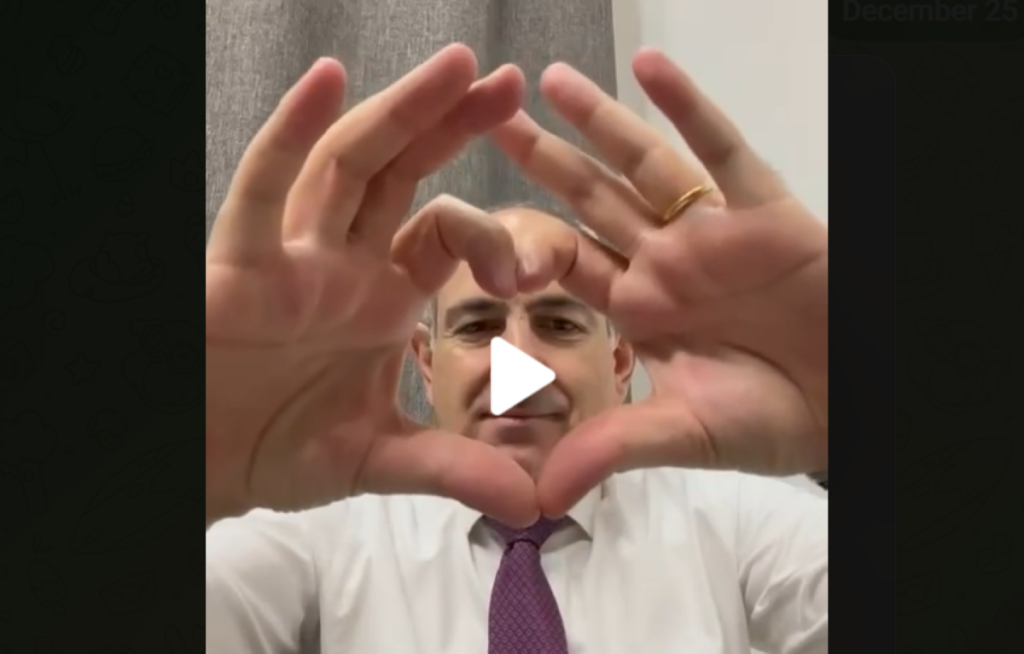
“A bald middle-aged man sits listening to Armenian chanson and folk songs, Adele, John Lennon, French and Russian rap, DDT, baroque music, a Gypsy romance by Vladimir Vysotsky, and Zemfira (designated a “foreign agent” in Russia). In these videos, he squints in the sunlight, ties his tie, slips a yellow rose into the breast pocket of his jacket, or types at a computer. But most often he looks straight ahead — sometimes smiling, sometimes pensive, and sometimes sad.
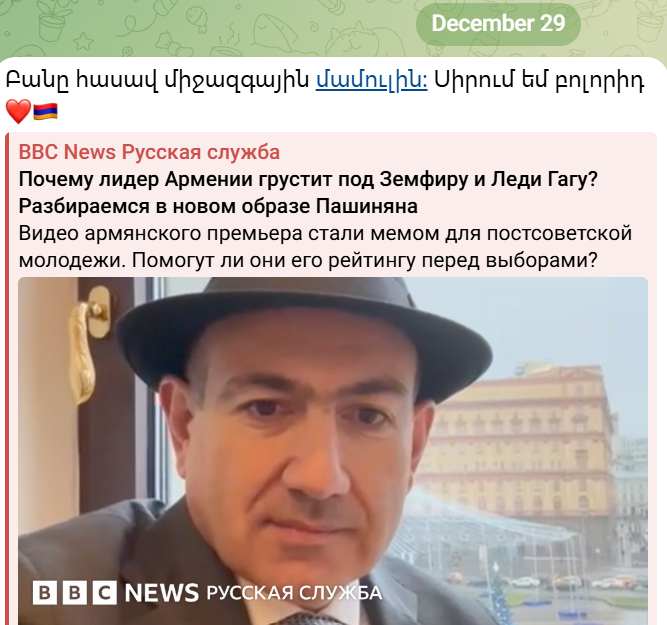
This man is Armenia’s prime minister, Nikol Pashinyan. With parliamentary elections due in June 2026, the politician has begun reshaping his public image ahead of the campaign.“
Political analyst Mikael Zolyan shared the following view on the music videos in an interview with the BBC author: “Hard times are coming to an end. We can stop mourning and being afraid, and start living again — and enjoying life.”
PR backed by US Edelman firm?
The BBC writes that Nikol Pashinyan explains his morning videos as a way to wish his followers a good day and express his affection for them. Accordingly, he ends each clip by forming a heart shape with his hands.
The most popular among post-Soviet youth was a video in which the Armenian prime minister listens to PMML by Zemfira. The post has already attracted more than 16 million views on Instagram. Users even produced parodies, and, as the BBC notes, businesses used the meme for advertising.
The Armenian prime minister also posts similar videos from abroad when travelling on official visits — whether to Russia or Kazakhstan.
But the central question of the British outlet’s article is: who came up with the idea for these videos, and who chooses the music for them?
One version, put forward by a US-based PR specialist, suggested that the videos were the work of Edelman, one of the world’s largest public relations agencies. This claim was voiced, among others, by Russian marketing expert Yegor Bolkonsky, leading many to believe that the New York–based firm was advising the prime minister.
Edelman, however, has categorically denied this suggestion. Bolkonsky himself told the BBC that he did not know whether the company worked with the Armenian government.
“I am judging only by the speaker’s words and by some slides that briefly appeared on the screen,” he said.
The prime minister’s press secretary, Nazeli Baghdasaryan, also dismissed claims of Edelman’s involvement. She told the BBC that the idea of posting music videos belongs to Nikol Pashinyan himself — and that he personally selects the music for each post.
How Pashinyan’s image evolved
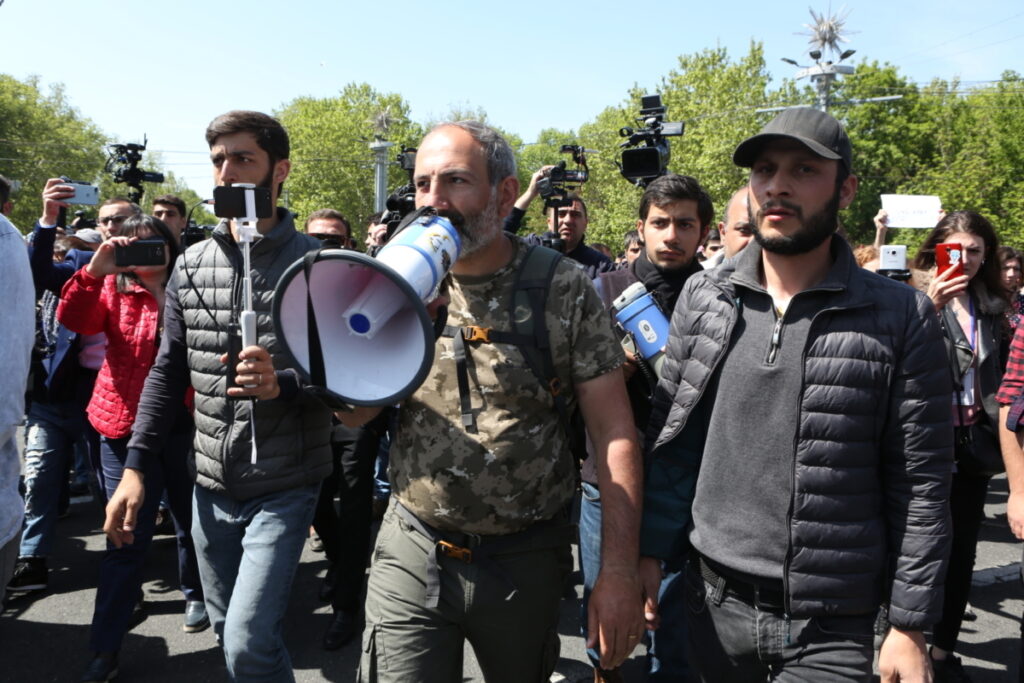
The BBC recalls the popularity Nikol Pashinyan gained in 2018, when he led Armenia’s Velvet Revolution and came to power.
But two years later Armenia was defeated in the Second Karabakh war, and in September 2023 almost all Armenians from Karabakh fled after Azerbaijan re-established control over the entire region.
“Many in Yerevan and across the country felt that Armenia had reached a dead end and that things would only get worse. But this summer a diplomatic breakthrough took place,” the BBC writes.
The reference is to a peace summit in Washington, where the leaders of Armenia and Azerbaijan agreed to “advance peace in the region”. There, with the mediation of the US president, a peace agreement was initialled. In other words, the “peace agenda” proclaimed by Nikol Pashinyan began to bear fruit.
“His task now is to infect voters with optimism. Social media serve as the main platform for this, and in this he has unique experience,” the BBC writes.
The outlet recalls that the 2018 protests led by Pashinyan were organised through Facebook. Hundreds of thousands of Armenians listened to and watched speeches by the then opposition leader. But after the 2020 Karabakh war, Pashinyan began to behave in a more restrained manner.
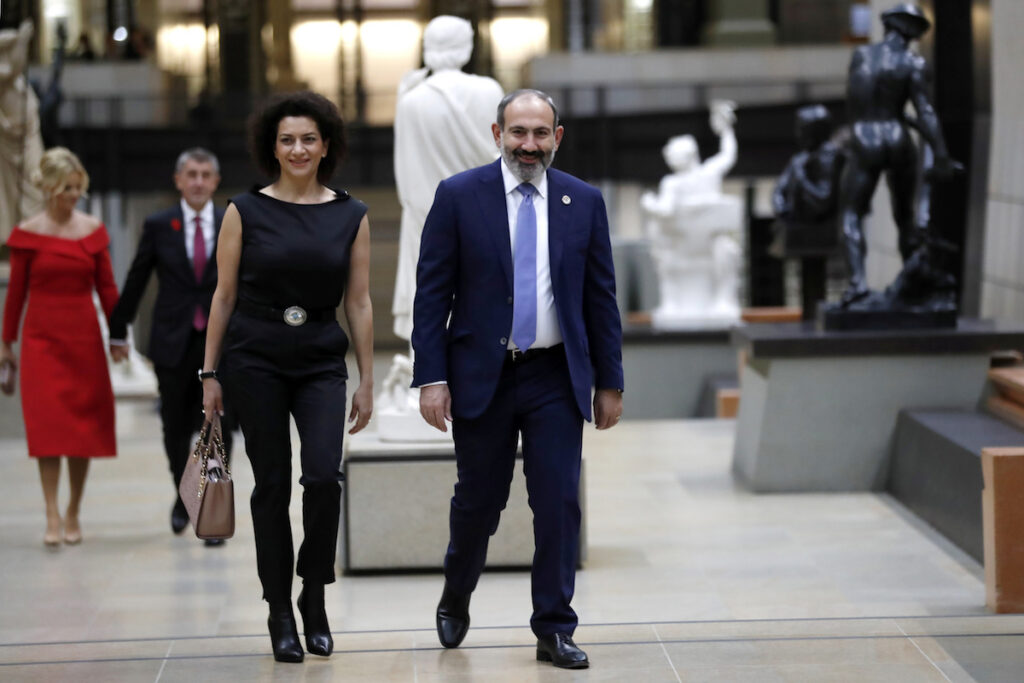
“His wife continued to use social media in a freer style, and many criticised her for it — for failing to take into account the times we were living in, that there had been a war and many casualties. I think that is why he himself tried to be more restrained,” Mikael Zolyan told the BBC.
According to political analyst Tigran Grigoryan, “the period of mourning for Pashinyan is over, and the election campaign has begun”. He says that the prime minister and his party are now using media resources and social networks as tools of political struggle.
“All the key members of the ruling party are very active on social media, especially youth-oriented platforms,” he told the BBC.
According to him, opinion polls show that young people are the least supportive of Pashinyan and his government. This explains attempts to engage more actively with this segment of the electorate.
Grigoryan believes that Pashinyan’s music videos are of greater interest to young people outside Armenia. Meanwhile, Mikael Zolyan says that most people in Armenia have already made up their minds about him.
“People have split into three large groups. There is one that supports him — some unequivocally, some with reservations, some as the lesser of evils. Another group consists of those who hate him: everything he does provokes fierce hostility in them, and these videos irritate them even more. But there is also a third group — those who have either withdrawn from politics, never been interested in it, or are simply fed up with it,” Zolyan says.
Thus, the analyst suggests that it is within this group that Armenia’s prime minister may have gained some new followers.