Georgia's population grows but ages: What has changed over past decade?


Georgia’s demographics in 2015–2025
Georgia‘s population has grown over the past decade, but this increase masks significant demographic changes. Growth has been driven primarily by migration, while an increasing proportion of the population lives in urban areas and the share of elderly people continues to rise.
According to updated data from Georgia’s National Statistics Office (Geostat), the country’s population increased by approximately 209,000 between 2015 and 2025, reaching 3.93 million.
However, this growth does not mean that the population is increasing through natural change — that is, births exceeding deaths.
On the contrary, Georgia has recorded negative natural population growth in recent years, with deaths outnumbering births. This means that migration into the country has been the main driver of overall population growth.

According to Geostat, particularly sharp demographic changes began in 2022. Over the following three years, Georgia’s population increased by nearly 170,000. During this period, net migration was exceptionally high, with the number of people entering the country significantly exceeding the number leaving.
The most notable shift in migration patterns occurred in 2022, when Georgia recorded more than 200,000 immigrants. High positive net migration continued over the following two years. Together, the years 2022–2024 accounted for the overwhelming majority of the positive net migration recorded over the past decade.
However, population growth was not observed across all regions of Georgia. The increase was concentrated mainly in Tbilisi, Adjara and Kvemo Kartli. Population numbers declined in most other regions, while remaining virtually unchanged in Mtskheta-Mtianeti.
These figures suggest that population growth has been unevenly distributed across the country, with residents becoming increasingly concentrated in a few urban centres.

Georgia’s urban population continues to grow
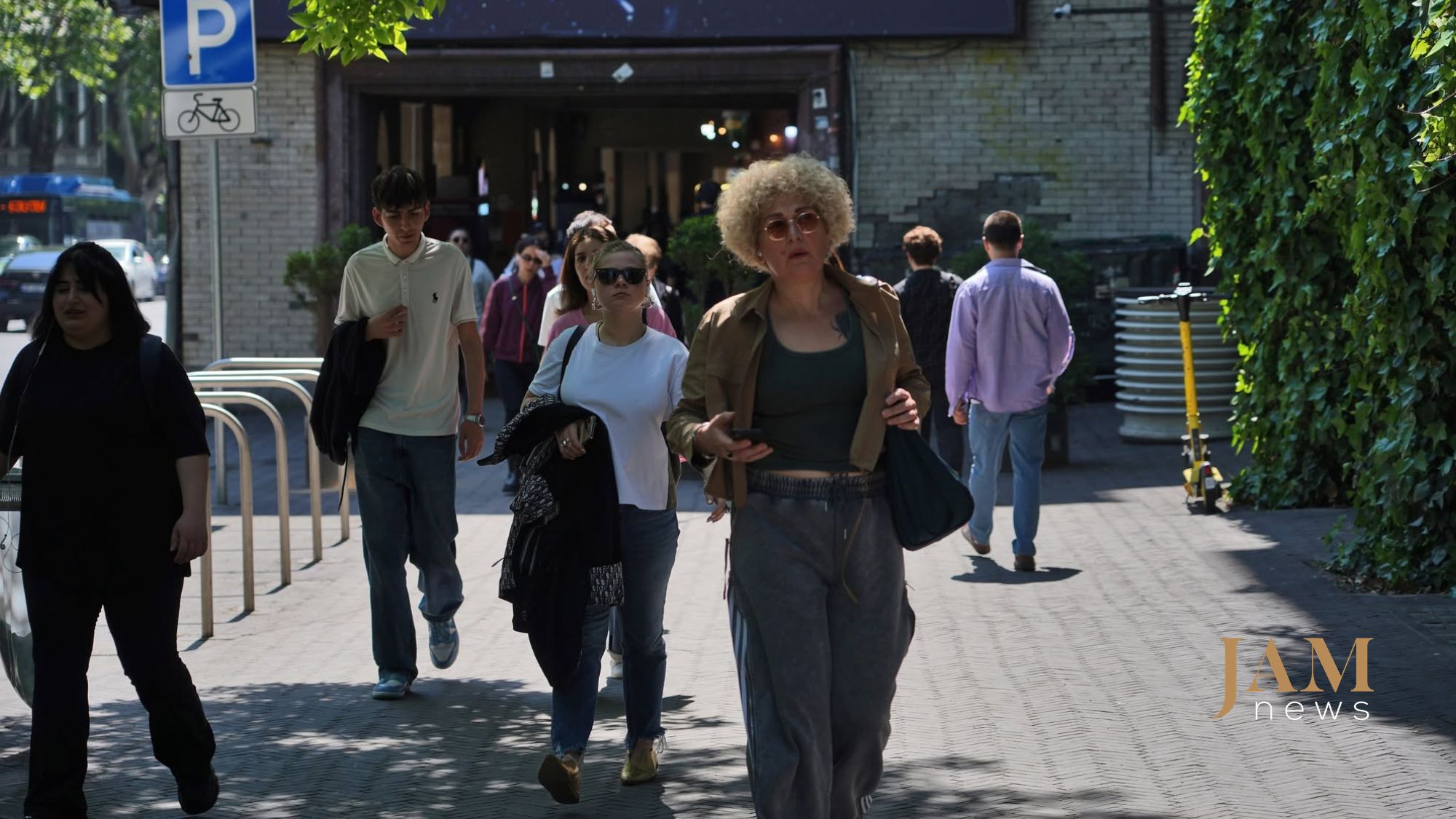
Over the past decade, Georgia’s urban population has increased, while its rural population has declined. In 2015, around 57% of the country’s population lived in urban areas, compared with 62% in 2025. This means that the country’s overall population growth has been driven entirely by an increase in urban residents, while the rural population has shrunk.
Georgia’s age structure is also changing. The population is gradually ageing, with the number of people aged 65 and over increasing by nearly 30% over the past decade. This age group now accounts for around 18% of the total population.
At the same time, the number of children has increased, while the working-age population (those aged 15–64) has declined. This means that, despite overall population growth, the proportion of people of working age is decreasing, while the share of elderly residents continues to rise.
There have been no significant changes in the population’s gender composition. Women continue to outnumber men, although the gap has narrowed slightly.

According to Geostat, the figures have been recalculated to take into account the results of the 2024 national population census. The adjustments aim to bring demographic data for the past decade into line with the latest census results, providing a more accurate picture of population trends over time.
The updated data highlight several key demographic trends in Georgia: the population is growing, primarily due to migration; people are becoming increasingly concentrated in urban areas; and the age structure is changing, with a growing proportion of elderly residents.
According to the latest Geostat figures, the 2024 census showed that Georgia’s population stood at 3.93 million, an increase of 5.8%, or 216,000 people, compared with 2014. Women account for 52% of the population, while men make up 48%.