Armenians to be able to fund media directly through their income tax payments






Citizens of Armenia will be able to fund quality media
In the near future, citizens of Armenia will be able to direct part of the income tax they pay towards funding media outlets, NGOs and political parties. The government has approved a decision to expand the list of “social expenses”, a category introduced as part of the personal income declaration system.
Under the current regulations, anyone who submits an annual tax declaration to the State Revenue Committee can receive a refund for part of the money they have “spent on social needs”. These expenses include education and medical costs. The compensation amounts to up to 100,000 drams ($276). Once the amendments come into force, social expenses will also include money that citizens donate to media outlets, NGOs and political parties.
The government will determine the procedure for transferring these funds and set the maximum amount in a separate decision.
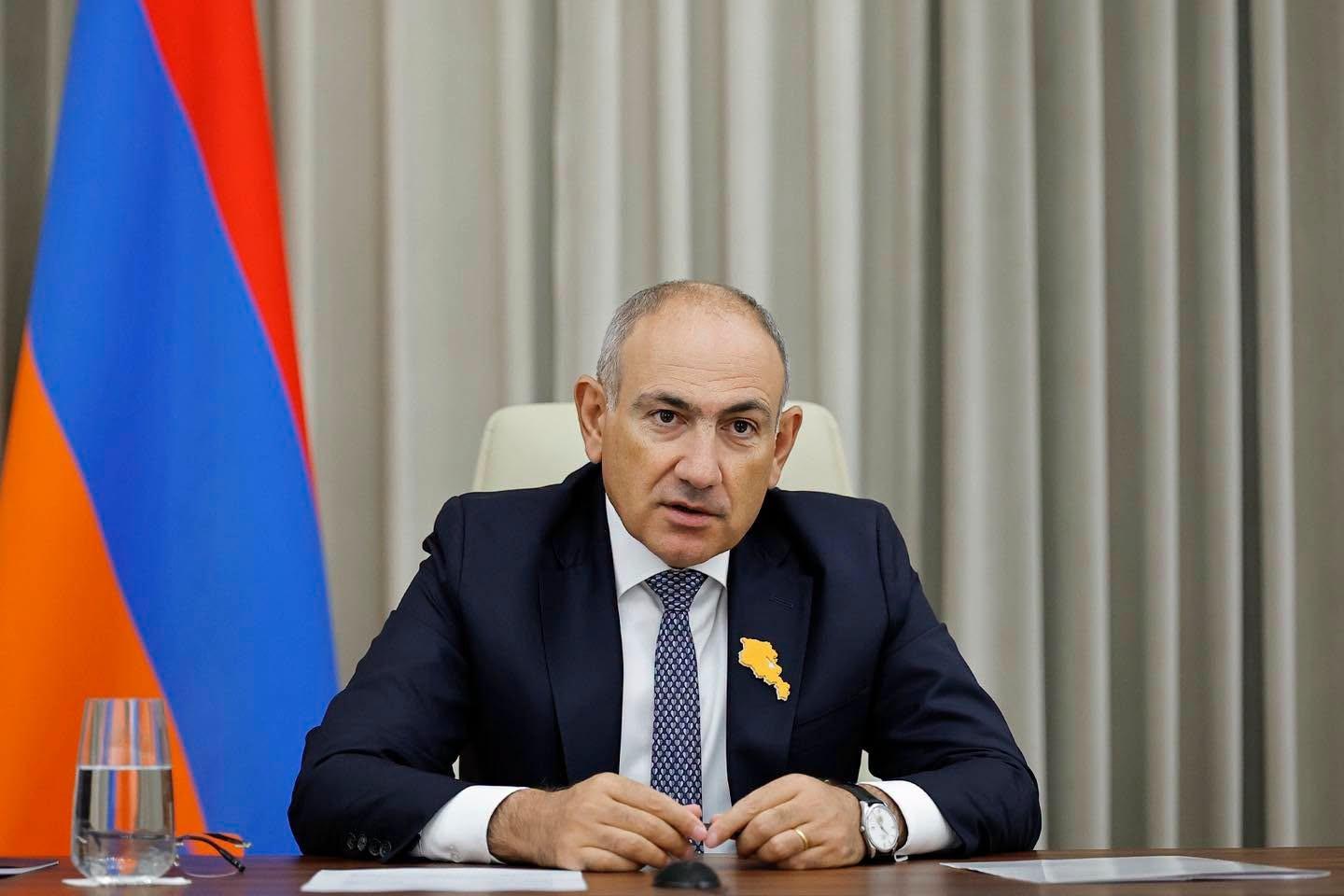
“We are moving to the next stage of democratic reforms, under which NGOs, media outlets and political parties will be able to receive public funding,” Prime Minister Nikol Pashinyan said.
Political analyst Robert Ghevondyan told JAMnews that even after the changes take effect, it will be difficult to imagine media outlets or NGOs achieving complete financial independence.
“But changes will certainly follow. Even if they receive funding from domestic sources, both media outlets and NGOs will continue to seek funds and build certain relationships. Nevertheless, a situation will clearly emerge that is much more aligned with Armenia’s interests,” he stressed.
The deadline for submitting income declarations for 2025 is 1 November this year. According to the head of the State Revenue Committee, as of 1 September, 92,000 people had already applied for and received compensation for social expenses. The total amount reached 7.5 billion drams [more than $20 million].
- False claims that text of Armenia’s new Constitution has been published, and rebuttal
- Azerbaijan vs Western media: Why were different reports labelled a single ‘information campaign’?
- Armenia and Georgia rated ‘partly free’ in updated Freedom House report
Finance ministry proposal
The Ministry of Finance has presented a draft law entitled “On Amendments and Additions to the Tax Code”. Under the ministry’s proposal, social expenses would also include funds that individuals transfer to:
- public organisations;
- legal entities and individual entrepreneurs engaged in media activities;
- political parties.
“Stable operations by public organisations, legal entities and individual entrepreneurs engaged in media activities, as well as political parties, are important for developing independent parties and civil society, and for protecting freedom of speech,” the draft’s explanatory note says.
Before the decision comes into force, the government will determine not only the maximum amount of social expenses, but also:
- which NGOs, media outlets and political parties will qualify;
- the criteria they must meet;
- the information they must submit to the tax authority;
- the procedure for submitting and publishing this information.
“We are creating mechanisms to protect public interests impartially”
According to Armenian Finance Minister Vahe Hovhannisyan, the changes aim to create mechanisms that will increase the financial independence and transparency of NGOs, media outlets and political parties. The amendments are also expected to promote freedom and impartiality in public statements and strengthen ties with the public.
“NGOs, media outlets and political parties have a responsibility to protect the interests of different sections of society. Therefore, we are creating independent funding mechanisms to ensure the most impartial protection of these interests and, in doing so, strengthen Armenia’s democratic institutions,” the minister stressed.
Hovhannisyan presented details of the draft. He said that, first, the tax authority would compile and publish lists of NGOs, media outlets and political parties that meet the government’s criteria and have submitted reports on their financial activities.
“When filing their declarations, citizens will choose an organisation and specify the amount they wish to transfer through an electronic system. State agencies will then ensure that the funds are transferred,” he explained.
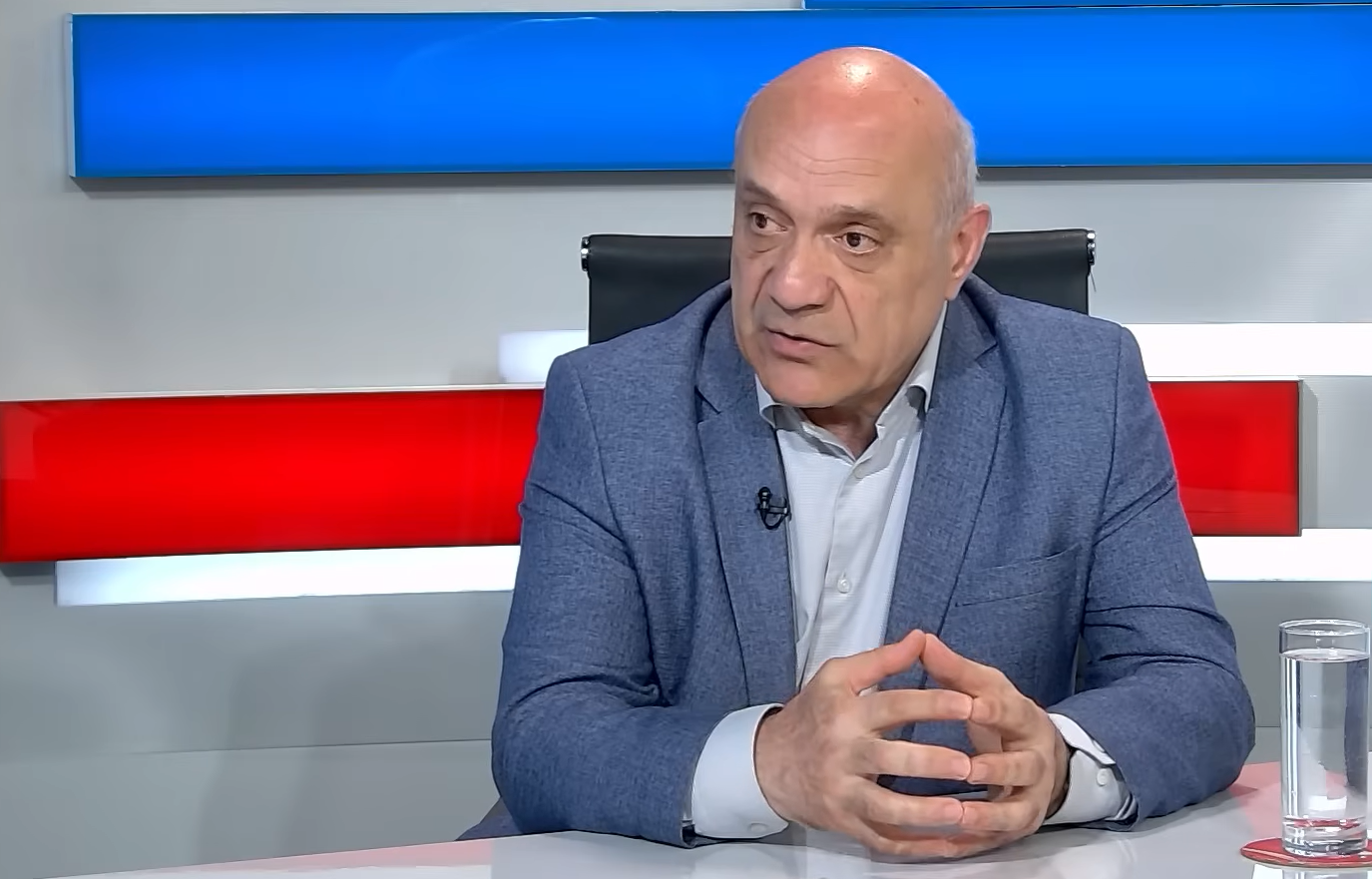
Political analyst Robert Ghevondyan’s comment
“The amendments to the Tax Code could significantly improve the position of civil society in Armenia. For years, civil society has had to rely on external funding and has naturally operated under the influence of those foundations. In many cases, NGOs’ activities, programmes and level of engagement have been limited.
We are now seeing a situation in which Armenia’s residents will be able to help fund civil society organisations using their own money. As a result, they will be entitled to expect these organisations to take a more active role in addressing the problems that matter to them.
At the same time, NGOs will be able to worry less about their financial stability and avoid dependence on geopolitical fluctuations. The situation with USAID is a case in point. They will be able to plan their work properly and defend interests that align with their own programmes and approaches, rather than being forced to serve other people’s interests simply to resolve their financial problems, at least partially.
There is no doubt that we will see greater transparency and accountability, as well as the ‘cleansing’ of the sector. Qualitative changes will be a secondary effect of this process of improvement.
Short-lived organisations with unclear goals often emerge. In the course of their activities, they frequently create problems for the state.
Now we will see a situation in which these organisations’ activities become transparent, primarily to the state but also to society. They will no longer be able to conceal their true intentions behind contrived ideas.”

Citizens of Armenia will be able to fund quality media