

Why is Abkhaz-language requirement for parliamentary candidates sparking controversy?





Abkhazia is set to introduce a language requirement for parliamentary candidates, making knowledge of the Abkhaz language mandatory. However, there is little certainty that the measure will achieve its intended goals.
The relevant amendment to the law on parliamentary elections, adopted in 2021, stipulates that only citizens of Abkhazia who are proficient in both Abkhaz and Russian may be elected to the People’s Assembly of Abkhazia. The provision is due to come into force on 1 January 2027.
As a result, the next parliamentary elections, scheduled for March 2027, will be held under the new rules. With only around six months remaining before the vote, several political groups have begun questioning whether the language requirement is necessary.
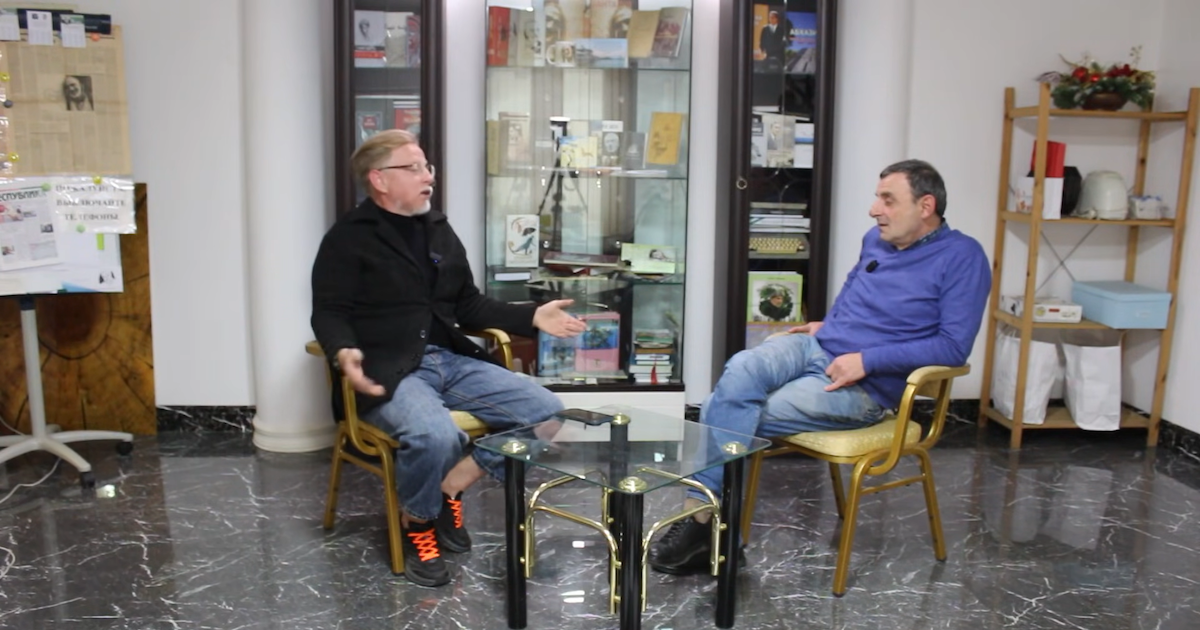
The proposed restriction has been criticised in particular by two pro-government parties, Aitaira and ERA.
Leonid Lakerbaya, leader of Aitaira, argues that the language requirement not only runs counter to Abkhazia’s historical experience but also poses a direct threat to internal stability. In his view, the amendment would deprive the republic of the opportunity to attract talented administrators and professionals simply because they do not speak Abkhaz. He also warned that it could set a dangerous precedent for discrimination on linguistic grounds and undermine the fragile balance of interethnic relations.
Opponents of the language requirement have proposed either postponing the amendment’s entry into force or scrapping it altogether.
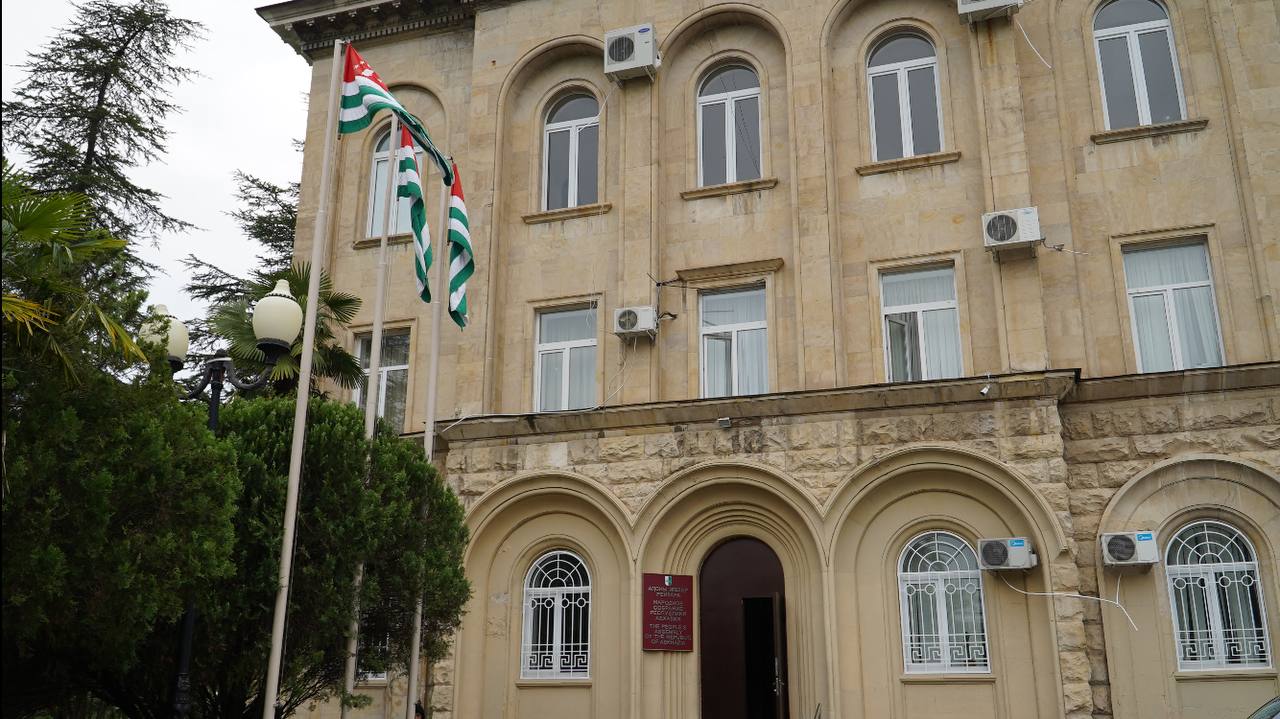
The language requirement also has supporters, who argue that it is consistent with state policy aimed at preserving the Abkhaz language.
For example, opposition activist Said Beya dismisses arguments about the loss of qualified professionals and barriers for ethnic minorities as a form of political manipulation.
“What ‘multi-ethnic composition’ are we talking about? Look at the facts: the current parliament has 35 deputies, 32 of whom have Abkhaz surnames. Only three represent the Armenian community. If more than 90% of parliament is Abkhaz, why should we be alarmed by a requirement to know our own language?
The question arises: perhaps some politicians already know who the future candidates will be and are trying in advance to remove an ‘obstacle’ for those they support?” Beya argued.
Prominent public figure and Aslan Kobakhia also supports the requirement, describing a politician who does not speak the state language as a contradiction in terms.
“Not knowing the state language is unfortunate. But not knowing the constitution of the country where you present yourself as a politician is worse than mere discourtesy.
There is not a single country in the world where one can build a political career without knowing the state language. Perhaps it is time to stop experimenting with the country.
We have plenty of citizens of non-Abkhaz ethnicity who speak the state language better than many Abkhaz do. The problem lies with Abkhaz themselves, who can find a hundred reasons to undermine the foundations of the constitution,” Kobakhia said.
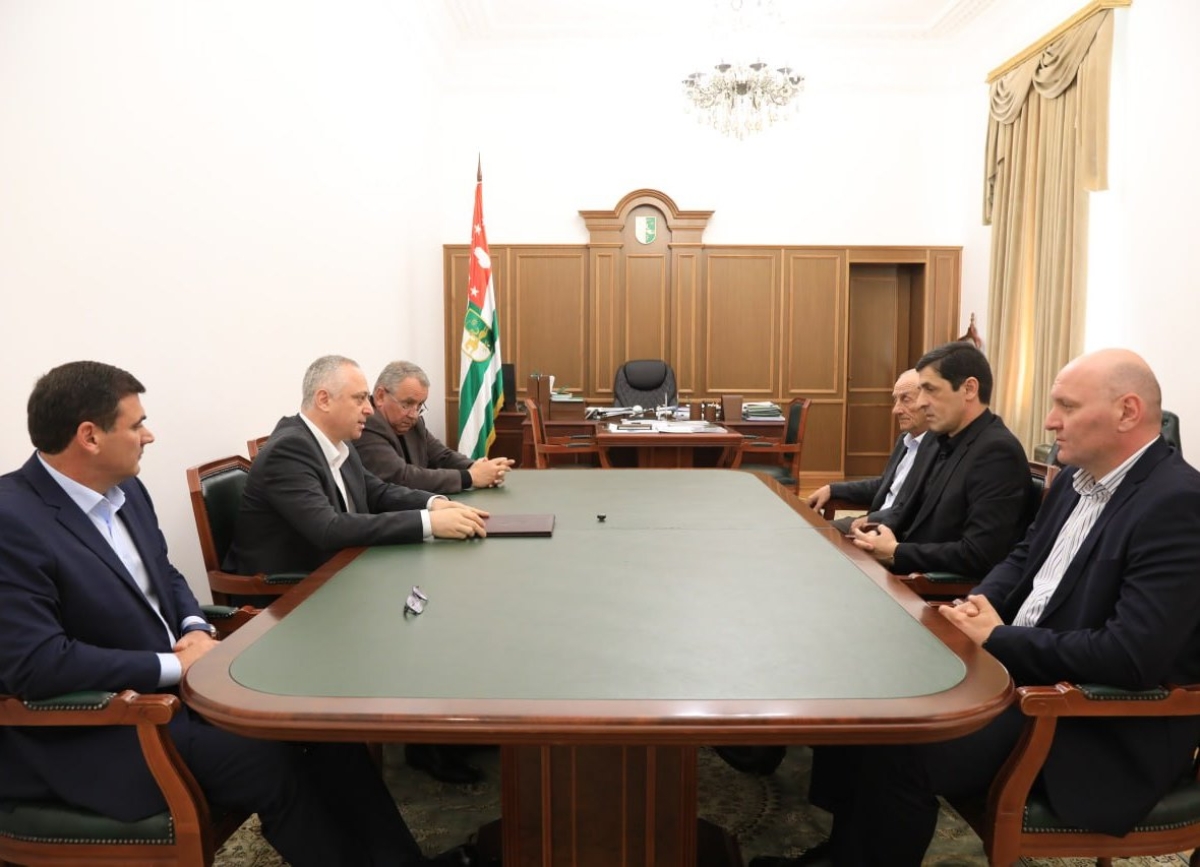
Although repealing the language requirement appears highly unlikely, there is no guarantee that the next parliament will be composed entirely of Abkhaz speakers. Current legislation does not specify which body will assess candidates’ language proficiency or what criteria will be used.
According to Omar Smyr, the Central Election Commission of Abkhazia will in any case have to enforce the provision once it comes into effect. However, he warned that unless a mechanism for implementing the language requirement is formally established, any decision taken by the commission could become the subject of legal challenges.
The terminology, place names and views expressed in this article are those of the author and do not necessarily reflect the editorial position of this website.