Singer fined over song. What other forms of dissent can be punished in Georgia


Singer in Georgia fined over song
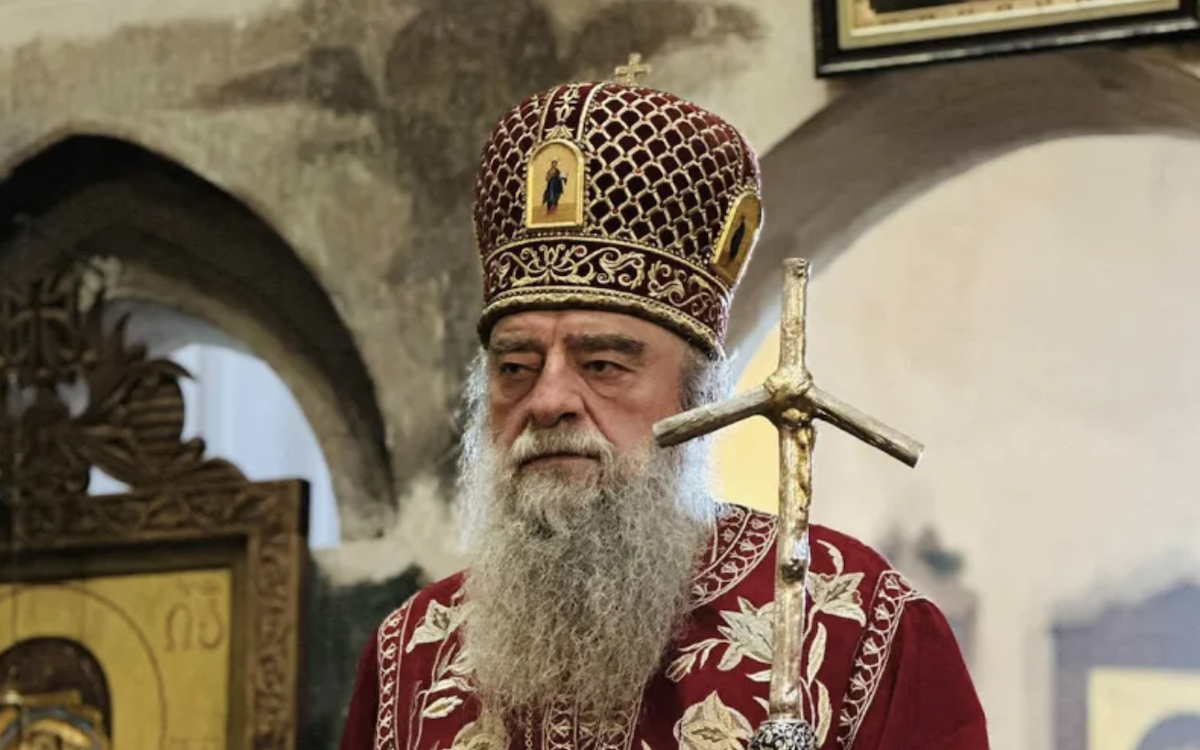
Georgian singer Sofо Batilashvili has been fined 3,000 lari (about $1,150) for posting a video on social media of herself performing the song “Ole Ola”, which contains profanity directed at the ruling party. The ruling was issued by Judge Koba Chagunava.
After the hearing, Batilashvili told journalists that restrictions on forms of protest were becoming increasingly widespread in Georgia and that the issue had now extended to censorship of music.
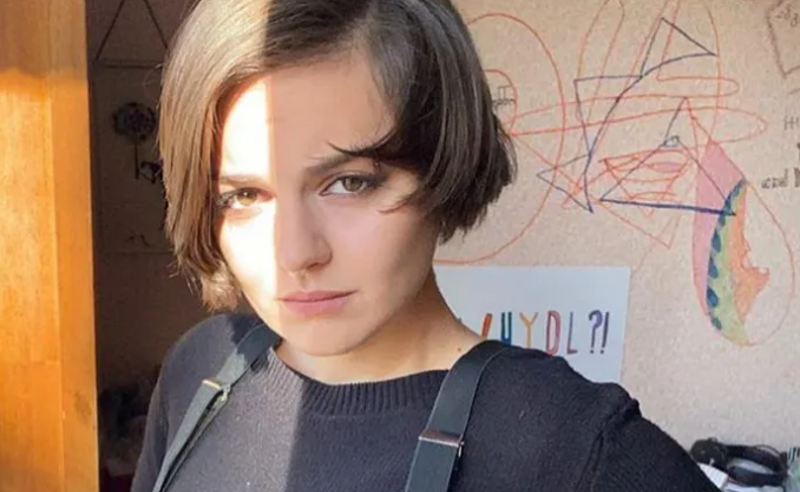
“A year ago, it would have seemed absurd to arrest people for standing on the pavement. But now, in Georgia, we have reached a point where people are arrested for almost anything if they express resistance, take part in protests or show solidarity with protesters.
“We have reached a point where we could be handed a list of songs. They have already started drawing up lists of songs that cannot be performed. We are now dealing with censorship of musicians,” the singer said.
What happened
The song “Ole Ola”, which contains profanity directed at the ruling Georgian Dream party, has become an unofficial anthem of mass pro-European protests that have continued in Tbilisi for more than two years.
The protests began after Prime Minister Irakli Kobakhidze announced on November 28, 2024, that Georgia, which has EU candidate status, would put its EU accession process on hold until 2028.
Sopho Batilashvili is not the first person to face punishment for performing the song in public.
On October 7, activist Tornike Toshkhua and student Sandro Sekhniashvili were summoned to court over performing “Ole Ola” in the street.
Batilashvili posted her video on October 8.
In her accompanying post, she said she objected to people being summoned to court over a song and was posting the video in protest, at 10 p.m. – the time when participants in the pro-European protests sing “Ole Ola” at rallies.
“People are being prosecuted in Georgia in 2026 over this song – I repeat, over a song. And I, who got tired of ‘Ole Ola’ a long time ago and have not even felt like humming it for years, suddenly decided: here you go,” Batilashvili wrote.
In her post, she also expressed solidarity with Georgian musician Kordz, the author of “Ole Ola”, who has openly opposed the authorities and faced attacks and threats from municipal officials, members of the ruling Georgian Dream party and pro-government media.
Kordz, whose real name is Aleksandre Kordzaia, has reported twice that attempts had been made to attack him.
As a result, the Kamara music festival in the town of Gori, where Kordz was due to perform, had to be postponed indefinitely in September. The organiser, the Danish Cultural Institute, said it considered it unsafe to hold the event.
In her Facebook post, Batilashvili stressed the importance of society refusing to accept such treatment of people.
“I know that many things have become normalised. I also know how people turn against you if you speak out. But we must remind ourselves that treating people this way is not normal, and that we still have each other’s backs. Otherwise, there is simply no point,” she wrote.
- ‘No security guarantees’: Why Georgia’s Kamara festival was cancelled
- Lawyers call prison ban on Lasha Bugadze’s novel The Observer act of censorship
- ‘Threat of censorship’: What we know about Georgia’s new Interior Ministry department overseeing public communication
- EU prepares to expand without Georgia: what ‘candidate status on paper’ means
Unprecedented case
The fine imposed on Sopho Batilashvili may be considered an unprecedented case in Georgia.
One notable international parallel is Russia. In 2025, members of the band Stoptime were arrested in St Petersburg for performing songs by musicians critical of the Ukrainian and Russian authorities in public.
The band’s lead singer, Diana Loginova, known as Naoko, was fined on charges of “discrediting the Russian armed forces”, while the musicians were placed in administrative detention several times.
From social media to pavements: Georgia’s crackdown on protests
Since late 2024, the government led by Georgian Dream has tightened administrative and criminal legislation several times. As a result, people have faced penalties both for taking part in protests and for criticising government officials on social media.
● In February 2025, parliament added a new provision, Article 173, Part 16, to the Code of Administrative Offences. It defines verbal insults, abusive language and offensive behaviour towards state and political officials, civil servants and people holding equivalent positions as administrative offences.
The penalties range from a fine of 1,500 lari (about $600) to 4,000 lari (about $1,500), or administrative detention for up to 45 days.
The provision was soon used against people who posted statements and comments on Facebook criticising the government. In 2026, monitoring of social media posts became even more active.
● According to Human Rights Watch, a special unit set up within the interior ministry had referred around 300 cases of alleged administrative offences to the courts by August 2026.
● The legislative crackdown also extended to street protests. Amendments adopted in October 2025 increased penalties for obstructing roads and banned protesters from covering their faces. In some cases, fines were replaced with administrative detention, while repeat offences became subject to criminal prosecution.
● Further amendments adopted on December 12, 2025, extended restrictions to pavements and pedestrian areas. Under the new rules, organisers must notify the interior ministry in advance if an assembly or demonstration obstructs pedestrian movement.
Police were given broad powers to demand that protesters change the location or route of a gathering. Failure to comply can result in administrative detention of up to 15 days for participants and up to 20 days for organisers. Repeat violations may lead to criminal prosecution.
After the amendments came into force, police began detaining people standing on pavements and treating them as participants in protest rallies.
● Human rights organisations say the legislative changes disproportionately restrict freedom of assembly and expression and have become a tool for punishing peaceful protesters.
Human Rights Watch’s 2026 World Report also says that the human rights situation in Georgia has deteriorated sharply and that the government is using administrative and criminal measures to suppress critical voices.
News in Georgia