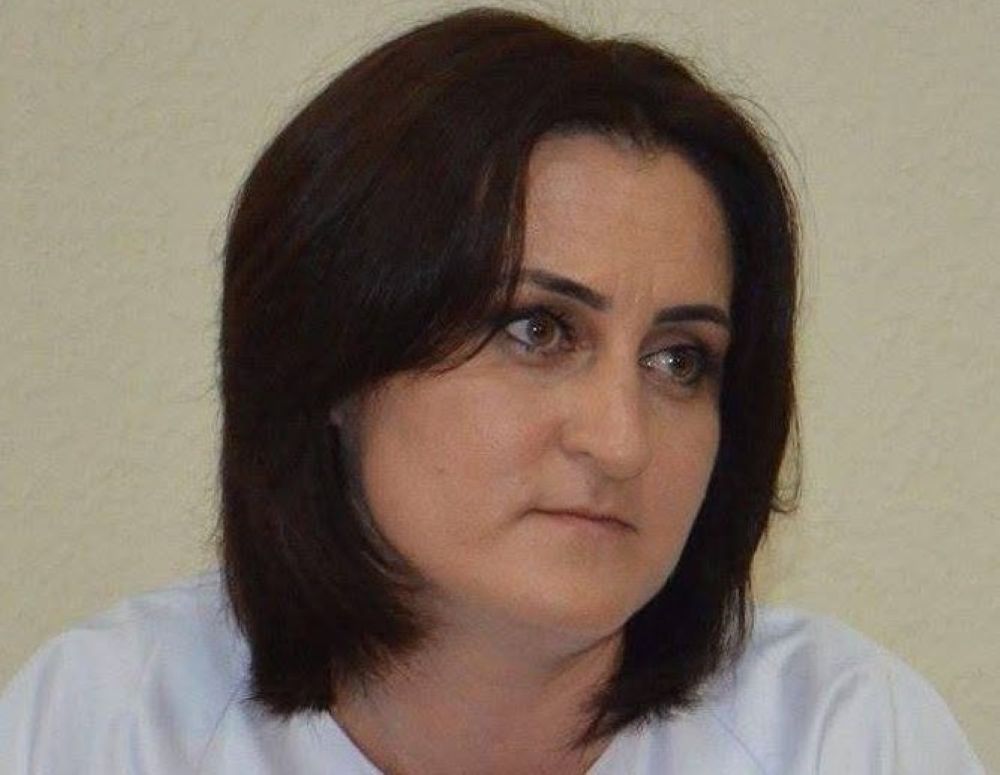
Attack on Georgian comedian accompanied by coordinated information campaign






A smear campaign against Georgian comedian Onise Okriashvili involving pro-government media, politicians and coordinated online accounts began before he was attacked, before shifting afterwards to justify the violence and express support for the alleged attacker.
That is the main finding of a study by the Myth Detector project, which says the campaign unfolded systematically across multiple channels, including media outlets and social media.
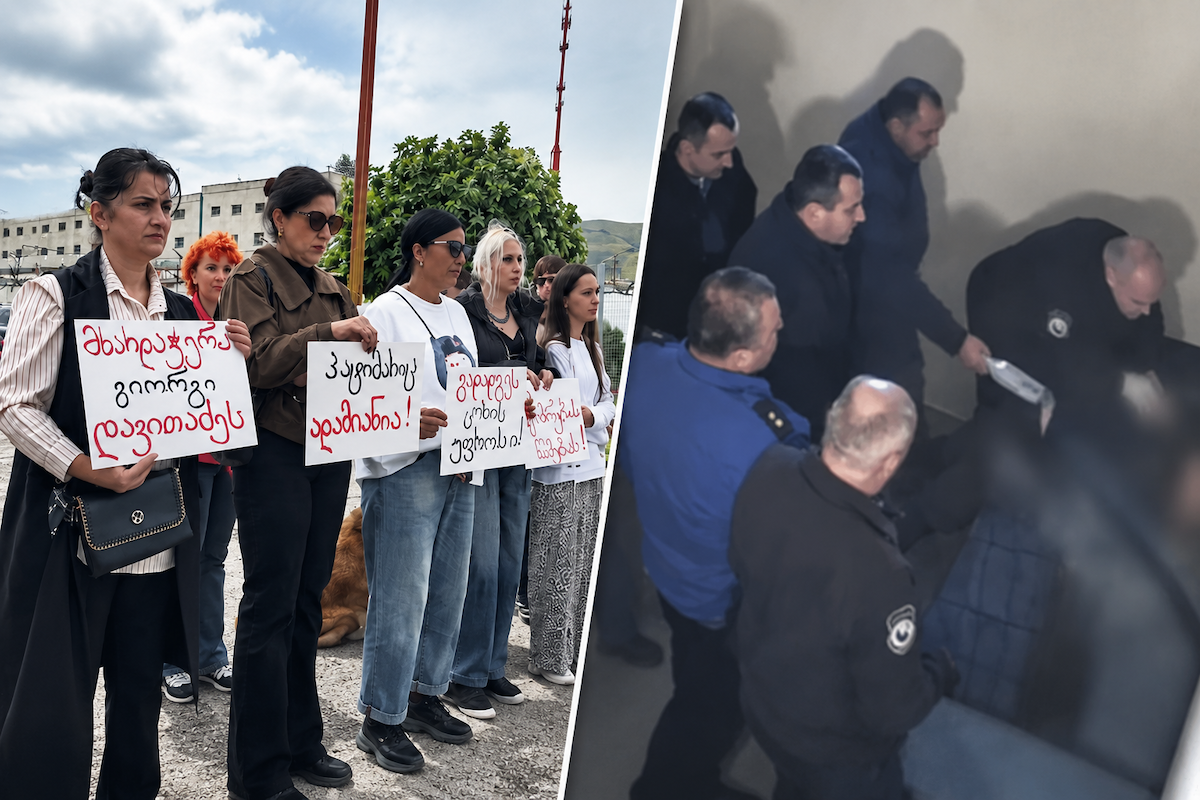
On 23 July 2026, three men ambushed and brutally assaulted pro-European protest participant, comedian and stand-up performer Onise Okriashvili in Tbilisi over a joke he made about renowned Georgian writer Nodar Dumbadze. The suspects were arrested but later released on bail. One of their friends, professional wrestler Giorgi Kartvelishvili, subsequently announced the creation of the “People’s Movement” together with like-minded supporters, saying its aim was to “protect Georgian values, ideals and traditions.”
According to the Myth Detector study, pro-government media outlets and Facebook pages began circulating old videos and public statements by Onise Okriashvili several days before the attack. The material was taken out of context and presented in a way that portrayed the comedian as someone who insulted Georgia’s national, cultural and religious values.
The study says that after the attack, social media and pro-government media promoted narratives claiming the assault had been triggered by Okriashvili’s joke about Nodar Dumbadze. It found that posts and graphics shared from 24 July onwards sought to downplay the attackers’ responsibility and portray them as “defenders of the nation’s honour”.
Identical graphics were circulated simultaneously by supporters of the ruling Georgian Dream party, anti-opposition Facebook pages and pro-government commentators. The central message was that the main suspect, Nikoloz Khurtsilava, did not deserve punishment because he had “defended the national honour of Georgians.”
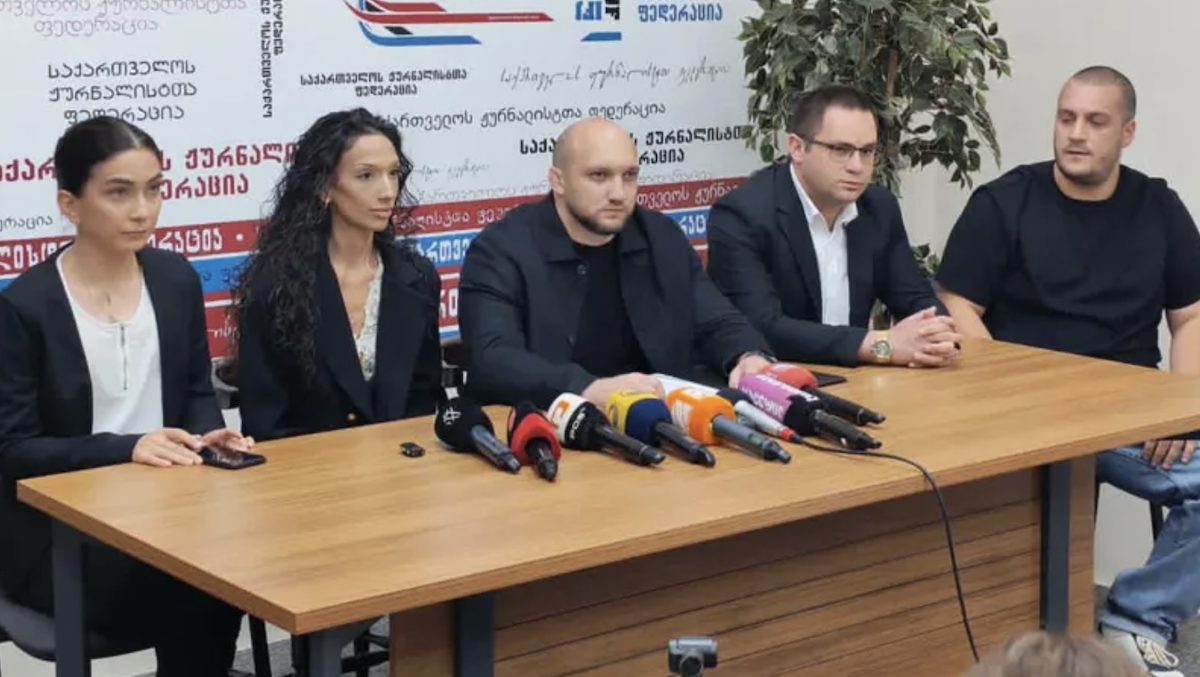
According to the study, these narratives were also echoed by members of the ruling party. Georgian President Mikheil Kavelashvili focused not on the assault itself but on the inadmissibility of insulting Nodar Dumbadze. MP Dimitri Samkharadze said he was prepared to act as a guarantor for the defendant, while another lawmaker, Irakli Zarkua, condemned the violence but added that public outrage over jokes targeting the church, the patriarch and prominent writers had been predictable. Levan Kochloshvili, a representative of the pro-government People’s Power party, said he disagreed with the moral condemnation of the accused.
The Myth Detector study also says the campaign to discredit Okriashvili continued after the attack using new material. Pro-government platforms again circulated old videos of the comedian, including clips related to religious issues, as well as a previously shared video in which they claimed he mocked elderly women selling sunflower seeds. According to the study’s authors, this shifted attention away from the assault itself and onto the victim’s remarks.
The report also highlights signs of coordinated online activity. Researchers identified fake accounts that expressed support for both the man accused of carrying out the attack and the movement later announced by Giorgi Kartvelishvili. Some of the accounts posted identical comments, complete with the same grammatical mistakes, beneath stories published by pro-government media, while others used other people’s names and photographs to conceal their identities.
One of the study’s main findings concerns a case in which pro-government media presented a Facebook post by a previously identified troll as the opinion of a real person. According to the authors, the post, which attacked Onise Okriashvili and defended the alleged attacker, was then simultaneously amplified by 13 pro-government online outlets and the Facebook pages of two television channels.
Myth Detector also says part of the campaign relied on paid promotion through sponsored posts. These portrayed Okriashvili and his supporters as “anti-Georgian forces”, while the alleged attacker’s statements were promoted in a way that justified the violence.
Attack on comedian in Georgia