Opinion: TRIPP and Middle Corridor are central to US strategy in South Caucasus






Steve Daines’ visit to Baku
The visit to Baku on 7 July by US Senator Steve Daines, a member of the Senate Foreign Relations Committee and chairman of its Subcommittee on Europe and Regional Security Cooperation, is being seen as an important step signalling that US-Azerbaijan relations have reached the level of a strategic partnership.
The talks with President Ilham Aliyev focused on the TRIPP (Trump Route for International Peace and Prosperity) transit corridor, the development of the Middle Corridor, cooperation in the energy and economic sectors, and the normalisation of relations between Azerbaijan and Armenia. The visit is widely viewed as a sign of Washington’s intention to play a more active role in regional affairs by offering concrete cooperation mechanisms and investment projects.
Topics discussed
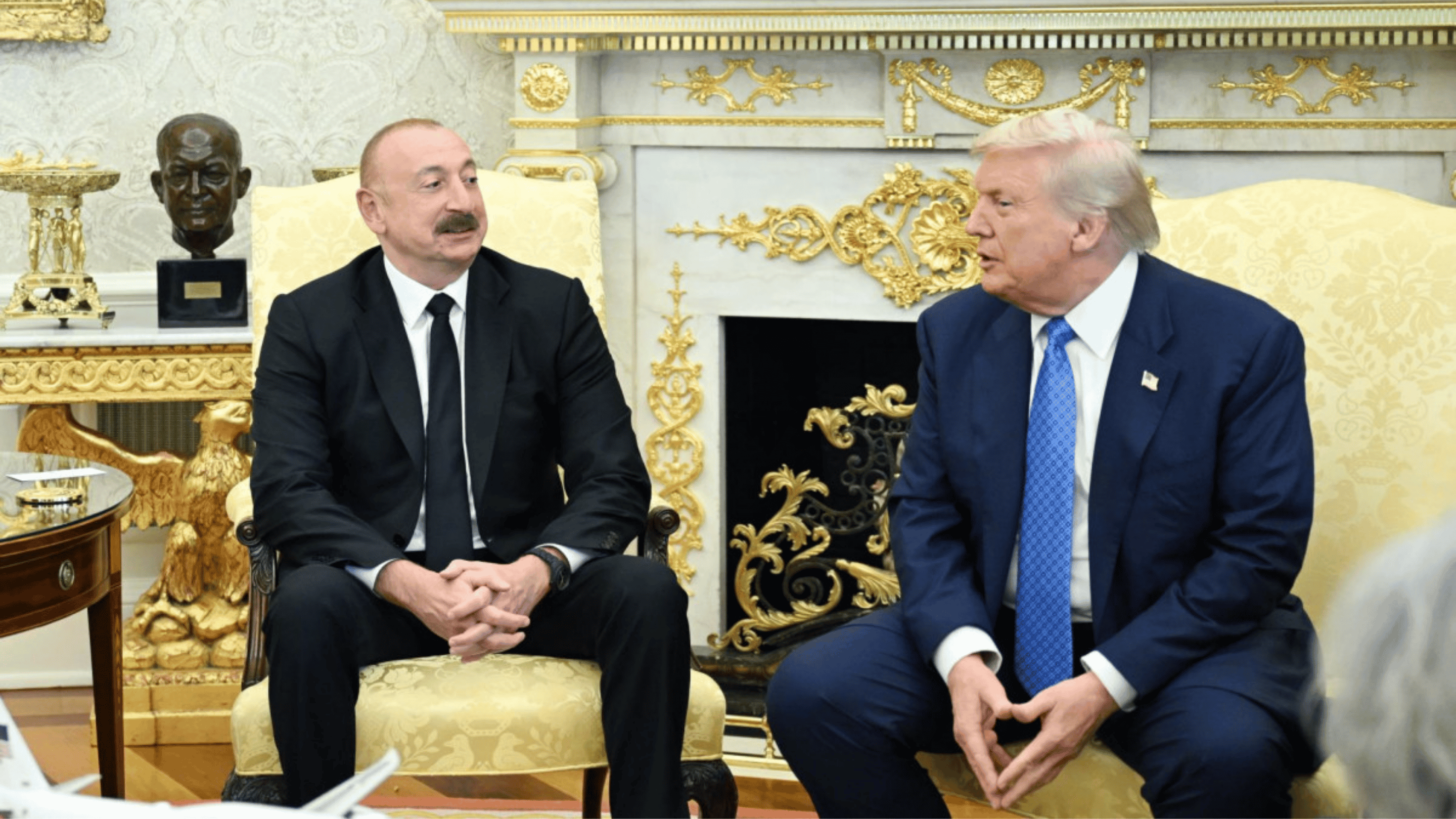
During the meeting with President Ilham Aliyev, the two sides discussed what they described as a new phase in their strategic partnership. Aliyev said bilateral relations were developing rapidly on the basis of mutual trust, which he described as important for stability in the South Caucasus. Particular attention was given to the Strategic Partnership Charter signed during US Vice-President JD Vance’s visit to Azerbaijan.
Senator Daines praised Aliyev’s regional leadership and his efforts to advance a peace agreement between Azerbaijan and Armenia. The discussions also covered the role of the TRIPP corridor in strengthening regional transport links and expanding dialogue between Azerbaijan and the US Senate.
Later the same day, meetings with Economy Minister Mikayil Jabbarov and SOCAR President Rovshan Najaf focused on practical economic cooperation. The discussions covered trade and investment opportunities, energy, artificial intelligence, the digital economy, critical minerals and industry. The Middle Corridor’s role in boosting international trade and regional integration was also highlighted.
The Economic Dialogue mechanism established under the Strategic Partnership Charter was described as the main platform for implementing joint projects. Taken together, the meetings were seen as a sign that political dialogue is increasingly translating into concrete economic and infrastructure initiatives.
Expert views: transport corridors and geopolitical priorities
US analyst Andrew Korybko told the pro-government outlet Caliber.az that Senator Daines’ meetings in Baku focused primarily on expanding the Middle Corridor and linking it with the TRIPP initiative. According to Korybko, Washington sees both routes as strategic priorities in its effort to reduce dependence on Russia.
He argued that, for the United States, the South Caucasus and the Caspian region are no longer viewed simply as sources of energy, but as a strategic hub capable of reshaping trade flows across Eurasia.
In the same article, Austrian political analyst Rudolf Valeev said growing interest in Azerbaijan from both the US and the EU reflected Baku’s leadership role in the region. He argued that, once conflicts in the Middle East subside, these transport routes could become a key artery for global economic stability. Unlike the EU, which he said has largely confined itself to political statements, the United States is offering concrete mechanisms for cooperation.
The article argues that this difference is particularly evident in the TRIPP initiative, which is presented not only as a transport corridor but also as a tool for promoting peace and creating economic interdependence.
A 2025 analysis by Eurasianet said visits by senior US officials formed part of a broader American diplomatic push in the South Caucasus. Alongside efforts to expand trade via the Middle Corridor, it argued that Washington’s main objective was to repair strained relations with Azerbaijan. According to the analysis, the US is increasingly seeking to strengthen its regional presence through infrastructure and trade projects rather than relying solely on political messaging.
A separate 2025 report by Punchbowl News said Senator Daines’ visit to Baku and Yerevan played an important role in efforts to prepare a peace agreement between Armenia and Azerbaijan. The publication described the trip as more than a routine congressional visit, saying it formed part of an active negotiating process.
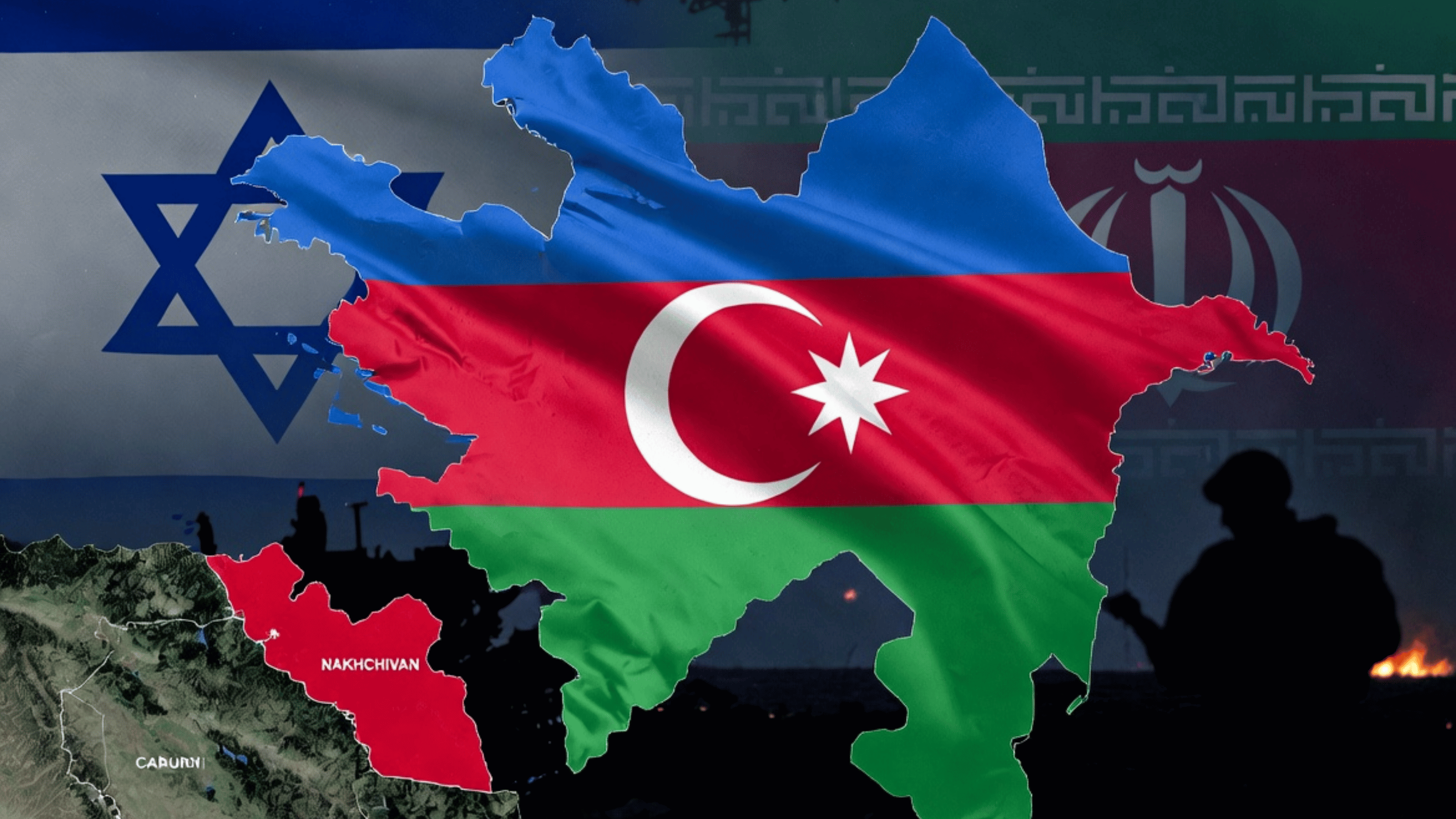
That assessment has taken on added significance since the announcement of the TRIPP initiative at the Washington summit in August 2025. The multimodal corridor is intended to link mainland Azerbaijan with its exclave of Nakhchivan via southern Armenia, through the Meghri/Syunik region, and is regarded as one of the most concrete elements of the proposed peace agreement.
The broader picture and strategic considerations
In recent years, relations between Azerbaijan and the United States have expanded well beyond energy security to include transit infrastructure, the digital economy and critical minerals. The TRIPP initiative and the Middle Corridor, also known as the Trans-Caspian International Transport Route, have become central to this growing partnership.
The Middle Corridor is already widely regarded as the shortest and politically less risky route connecting Central Asia with European markets. TRIPP is designed to complement that network by providing a direct link from mainland Azerbaijan to Turkey via Nakhchivan, and onwards to Europe. Together, the two projects are intended to reduce reliance on routes passing through Russia and Iran. Against the backdrop of the war in Ukraine and instability in the Middle East, that objective has become a strategic priority for Washington.
Energy security nevertheless remains a key part of the agenda. Talks with SOCAR’s leadership suggest that Azerbaijan is viewed not only as a transit hub but also as a destination for US investment and technological cooperation. Collaboration on critical minerals and the digital economy could also help diversify Azerbaijan’s economy.
The strategic rapprochement, however, is not without its complexities and potential risks. Concerns over human rights and democratic reform have often taken a back seat to economic and security interests. Past experience suggests that, even within strategic partnerships built around energy and transport projects, these issues frequently become secondary. While such an approach may strengthen cooperation in the short term, it also raises questions about its long-term sustainability.
The success of projects such as TRIPP and the Middle Corridor will also depend heavily on regional stability. Rising tensions with Iran, political instability in Armenia or other geopolitical shocks could delay their implementation.
From Armenia’s perspective, the TRIPP project raises sensitive questions about sovereignty and territorial integrity. Although the route is expected to be managed by the United States and international contractors, its passage through Armenian territory remains politically contentious. At the same time, supporters argue that creating economic interdependence could provide one of the strongest incentives for advancing the peace process.
What lies ahead?
Senator Steve Daines’ visit to Baku suggests that the strategic partnership between Azerbaijan and the United States is moving beyond political declarations towards tangible projects. The development of TRIPP and the expansion of the Middle Corridor are expected to shape not only a new transport network, but also a new framework for regional peace, economic integration and geopolitical balance. Within that framework, Azerbaijan is strengthening its role as a bridge between Central Asia and Europe, while the United States is using economic and diplomatic tools to expand its influence in the region.
The success of this approach will largely depend on how effectively the mechanisms established under the Strategic Partnership Charter are implemented, including the Economic Dialogue, joint investment projects and the development of TRIPP infrastructure.
Another key factor will be the successful completion of the peace process between Azerbaijan and Armenia, while maintaining a balance that takes into account the interests of all sides. If those conditions are met, the South Caucasus and the Caspian region could emerge as a more stable and competitive trade hub within Eurasia.
For policymakers and regional observers, the visit underscores that the region’s future is likely to be shaped not only by energy resources, but also by transport links, digital connectivity and mutual trust. Washington’s involvement through concrete proposals creates not only new opportunities, but also new responsibilities.
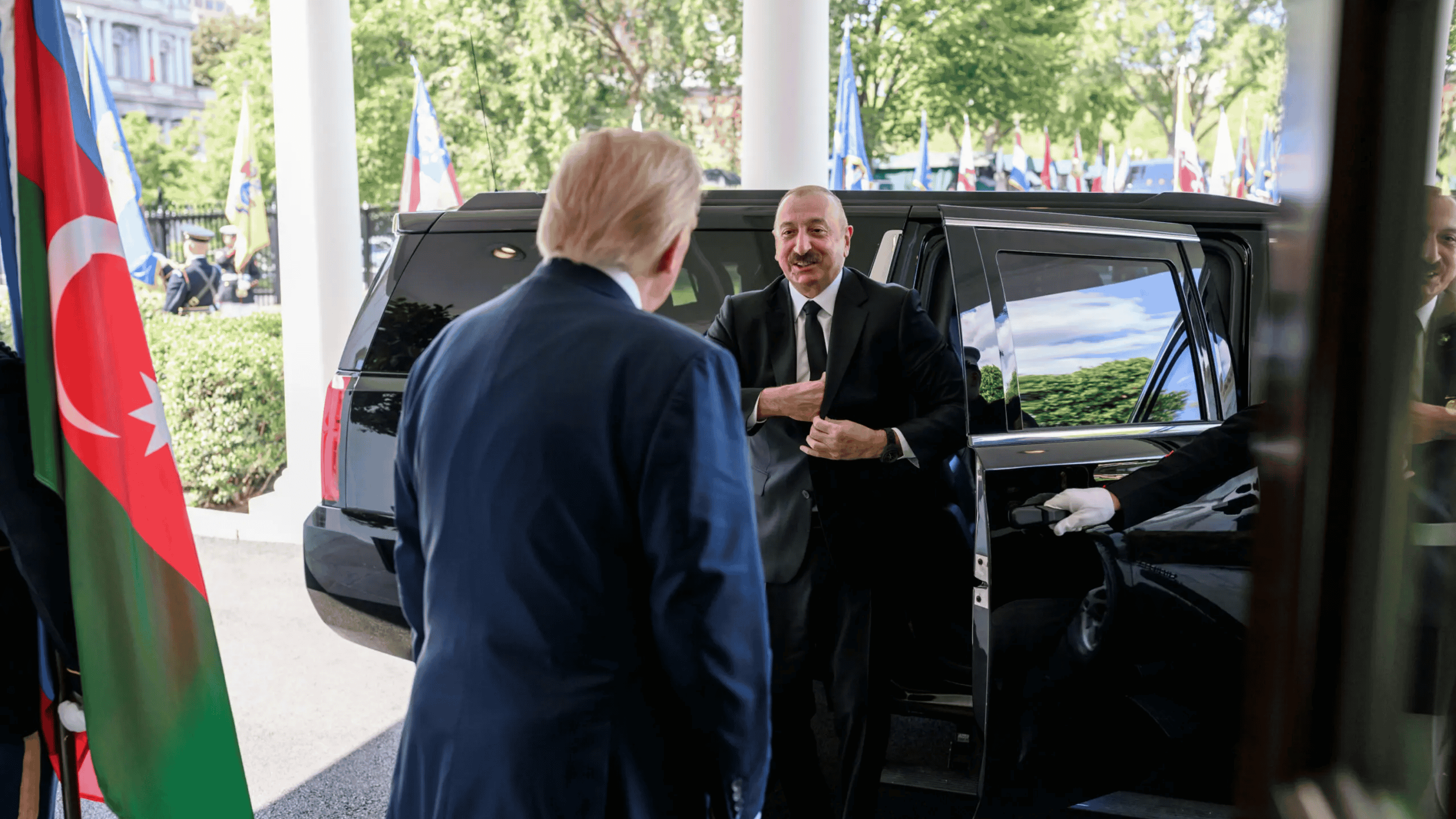
Steve Daines’ visit to Baku