Top stories in Azerbaijan, Armenia, and Georgia from 6-10 July, 2026
 Live
Live




-
Friday, 10 July, Armenia. Russian billionaire Samvel Karapetyan, who is under arrest in Yerevan, claimed that “it was the opposition that succeeded in forcing Parliament Speaker Alen Simonyan to step down"
-
Friday, 10 July, Azerbaijan. Nargiz Mukhtarova, charged in the "NGO case," received a suspended sentence of seven years and six months
-
Friday, 10 July, Georgia. Verdict is expected today in the case of opposition politician Aleko Elisashvili, on charges of attempting to set fire to a courthouse
-
Thursday, 9 July, Azerbaijan. Caspian Sea–Black Sea–Europe Green Energy Corridor officially moves from feasibility study to implementation stage
-
Thursday, 9 July, Georgia. OSCE PA adopts strongly critical resolution on Georgia, Georgian delegation walks out in protest
-
Thursday, 9 July, Armenia. Magdalena Grono: EU discusses support for South Caucasus transport routes with Armenia and Azerbaijan
-
Wednesday, 8 July, Georgia. Georgia was not invited to the NATO summit in Ankara; observers say "the country has lost the trust of its partners"
-
Wednesday, 8 July, Azerbaijan. Uzbekistan plans to establish a joint fleet with Azerbaijan on the Caspian Sea
-
Wednesday, 8 July, Armenia. Businessman and pro-Russian opposition politician Gagik Tsarukyan has been placed in pretrial detention for two months
-
Tuesday, 7 July, Armenia. Pro-Russian politician Gagik Tsarukyan detained over alleged fraud involving Iranian citizens
-
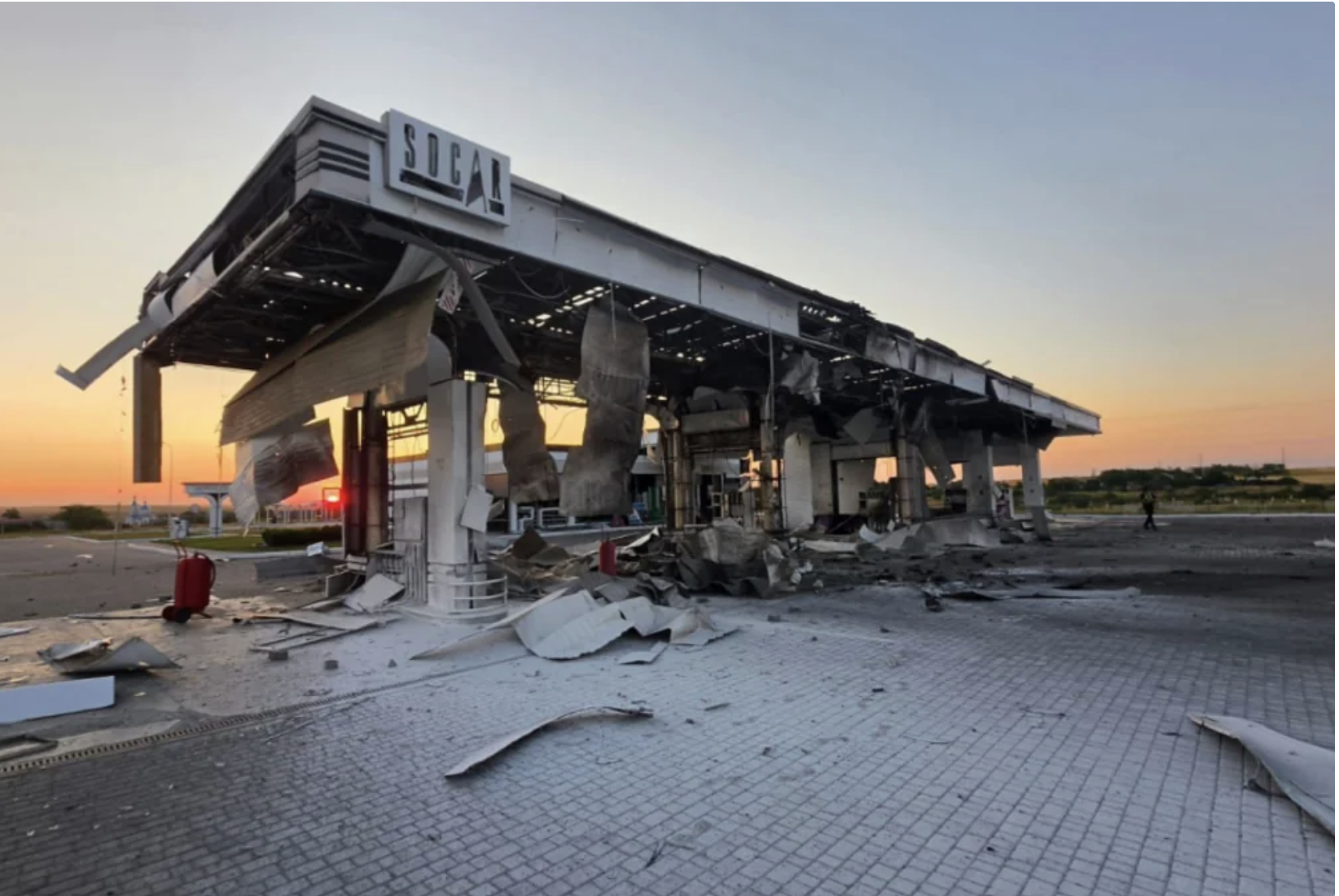
Tuesday, 7 July, Azerbaijan. Protest note to Russia over strike on SOCAR filling station in Ukraine
-
Tuesday, 7 July, Georgia. Government to become sole owner of Anaklia deep-sea port, offering terminals for lease
-
Monday, 6 July, Georgia. ALDE accuses Georgia of becoming "the Kremlin's last stronghold in Eastern Europe"
-
Monday, 6 July, Armenia. Nikol Pashinyan: "Adopting a new constitution remains on the agenda of Armenia's parliamentary majority"
-
Monday, 6 July, Azerbaijan. Ethnic Azerbaijanis serving in Ukraine's police honored in Kyiv
-
Top stories in Azerbaijan, Armenia, and Georgia from June 29-3 July, 2026

-
Friday, 10 July, Armenia. Russian billionaire Samvel Karapetyan, who is under arrest in Yerevan, claimed that “it was the opposition that succeeded in forcing Parliament Speaker Alen Simonyan to step down"
● The Armenian Foreign Ministry spokesperson commented on Azerbaijani Foreign Minister Jeyhun Bayramov’s statement that “the entry and exit points of the regional transit project TRIPP will be located on Azerbaijani territory.” “The TRIPP project is being implemented on the territory of Armenia, and its parameters are defined by the framework agreement signed between Armenia and the United States in May,” said Ani Badalyan.
● Azerbaijani airlines paid a total of €434,316 to Armenia’s Air Navigation company for flights through Armenian airspace during 2025, according to a written response from the Civil Aviation Committee to a request by NEWS.am.
● Aregnaz Manukyan, a member of the board of the opposition Mother Armenia party, has been placed in pretrial detention for two months. She is charged with disclosing information containing state secrets.
● The Mother Armenia party protested the arrest of Aregnaz Manukyan and noted that she is the primary caregiver of a minor child. “Armenia’s legal system today is carrying out political persecution rather than justice against opponents of the regime. Today they came for Aregnaz Manukyan, tomorrow they will come for each of us. Only united resistance by society and political forces can prevent this catastrophe,” the party said in a statement.
● Tavros Sapeyan, head of the enlarged Talin community, has declined the parliamentary seat he won on the ruling party’s list. He said he will continue serving as head of the community.
● Russian billionaire Samvel Karapetyan, who is under house arrest, claimed that “it was the opposition that forced Parliament Speaker Alen Simonyan to leave his post.” Karapetyan, who is charged with calling for the overthrow of the government in Armenia, said that “this was our plan all along, and Prime Minister Nikol Pashinyan was not even aware of what was happening.” A court yesterday extended his house arrest for another two months.
● The Armenian government discussed the possibility of creating a mechanism that would allow citizens to donate to civil society organizations, media outlets, and political parties through the country’s universal income declaration system. Officials said the new mechanism would help strengthen the financial independence and transparency of NGOs and media organizations.
● An unknown person entered the cemetery of the Armenian Apostolic Church of Surb Karapet in Istanbul’s Üsküdar district during the night of July 7–8 and damaged six gravestones and a fountain, according to the Armenian Patriarchate of Constantinople. The local parish council has appealed to the authorities, and an investigation has been launched.
● The Prosecutor General’s Office is seeking to return to state ownership a land plot that it says is being illegally held by former Environment Minister Aram Harutyunyan.
● Armenia’s Interior Ministry denied reports that an emergency service employee was injured while crocodiles were being transported from the mansion of Prosperous Armenia party leader Gagik Tsarukyan to Yerevan Zoo. The reports claimed that one of the crocodiles injured the employee’s leg. The ministry said no emergency service personnel were hurt. Yerevan City Hall told journalists that one crocodile slightly grazed the eyebrow of a municipal employee during the transport.
-
Friday, 10 July, Azerbaijan. Nargiz Mukhtarova, charged in the "NGO case," received a suspended sentence of seven years and six months
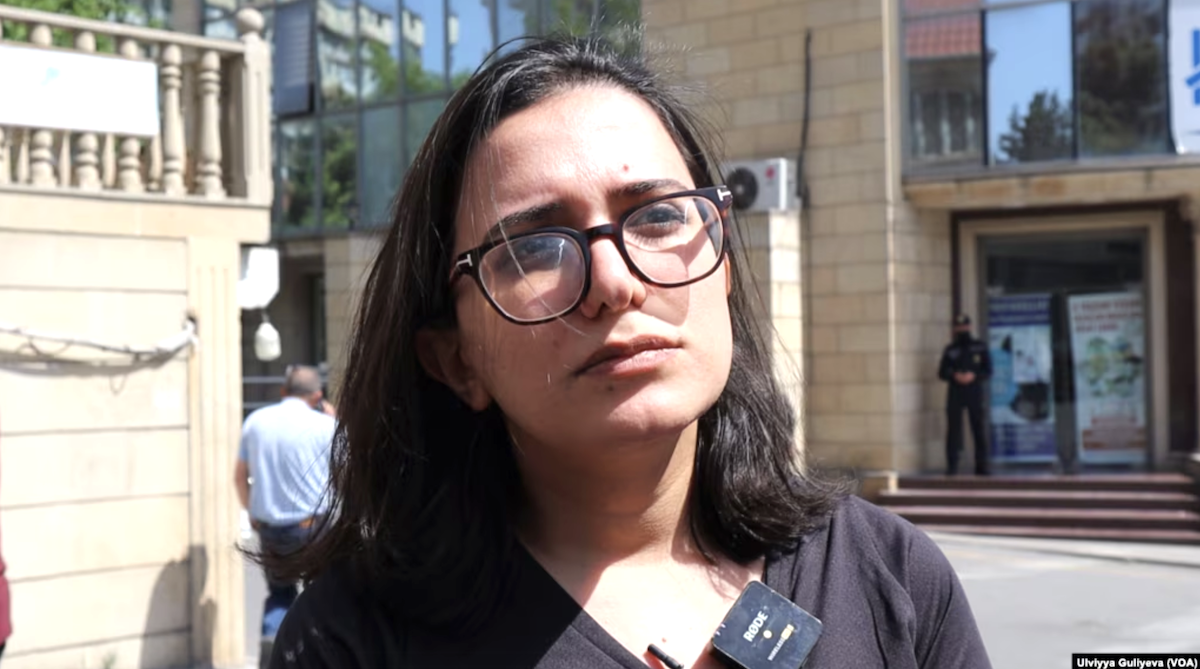
● Prominent human rights defender Nargiz Mukhtarova (pictured below), who was prosecuted in the so-called “NGO case,” has received a suspended sentence of seven years and six months, with a three-year probation period. She was found guilty of laundering large amounts of criminally obtained property and abuse of office. According to the case materials, Mukhtarova, acting together with others, received and laundered more than 150,000 manats (about $88,000) from U.S. donor organizations. Mukhtarova has repeatedly said the funds came from the U.S. State Department, were legally transferred to her account at the International Bank of Azerbaijan, and that there was no question of receiving criminal proceeds or laundering money. In her final statement before sentencing, she said she did not admit guilt on any of the charges: “I committed no crime. Anyone, with or without legal education, can see that there is no criminal element in this case.”
Nargiz Mukhtarova is the wife of Radio Free Europe/Radio Liberty journalist Farid Mehralizade, who was sentenced to nine years in prison. They have a two-year-old daughter who was born a few months after her father’s arrest. Mehralizade was convicted in the AbzasMedia case. In total, seven journalists received prison terms ranging from seven years and six months to nine years on charges including smuggling and other alleged crimes. All of them say the charges were fabricated in retaliation for their investigative reporting critical of the authorities.
The “NGO case” in Azerbaijan includes more than a dozen criminal cases against civil society activists and leaders of local and international organizations. They are accused of crimes related to receiving international funding and fraud. Some have already been sentenced to lengthy prison terms, while other trials are still ongoing. None of the defendants admit guilt, saying they are being prosecuted for political reasons.
● Ukrainian President Volodymyr Zelenskyy said he would like to once again thank Azerbaijan and Türkiye. “We have indeed begun cooperation in the defense sector. If possible, let’s not go into details. But our cooperation with both countries is moving forward quite rapidly,” Zelenskyy said.
● Military cooperation between Azerbaijan and Italy was discussed at a meeting in Baku between Defense Minister Zakir Hasanov and an Italian delegation led by National Armaments Director Giacinto Ottaviani.
● Azerbaijan is being fully informed about work on the TRIPP (Trump Route for International Peace and Prosperity) road and railway project, Foreign Minister Jeyhun Bayramov told journalists. “The project is supported by the United States. The negotiations are taking place between the United States and Armenia. However, since the entry and exit points of the TRIPP section are on Azerbaijani territory, our American partners keep us informed. We have been told that the process is underway and is currently at the document preparation stage,” Bayramov said.
● Jeyhun Bayramov said there is positive momentum in the process of delimiting the state border between Azerbaijan and Armenia. “A special commission was established for this task and continues to work on a regular basis. Both sides have already adopted and approved the legal framework governing the work of the commissions,” he said.
● President Ilham Aliyev has approved an agreement with the Georgian government on electricity supplies to Georgia and electricity transit through Georgian territory. The agreement between the governments of Azerbaijan and Georgia was signed in Baku on May 18, 2026. The Foreign Ministry has been instructed to notify the Georgian government that Azerbaijan has completed its domestic procedures and that the agreement has entered into force.
● Protecting the environment during armed conflicts is not only an environmental issue but also a humanitarian and security issue, Speaker of Parliament Sahiba Gafarova said during an Inter-Parliamentary Union video conference. She said armed conflicts cause long-term damage to ecosystems, water resources, and agricultural land, affecting future generations. As an example, she cited what Azerbaijan describes as the consequences of the decades-long occupation of its territories by Armenian forces, saying forests were cut down, soils degraded, water resources polluted, and natural resources illegally exploited. Gafarova also said that large-scale humanitarian demining, reforestation, and green energy projects are now underway in the territories under Azerbaijan’s control.
● Azerbaijan has recorded a sharp rise in measles and chickenpox cases since the beginning of the year. During the first five months, the number of registered chickenpox cases increased to 31,397, compared with 17,595 during the same period last year. Measles cases rose from 10 to 127 over the same period.
-
Friday, 10 July, Georgia. Verdict is expected today in the case of opposition politician Aleko Elisashvili, on charges of attempting to set fire to a courthouse
● Hearings continued in Tbilisi in the so-called sabotage case. At the latest court session, prosecution witnesses who are police officers testified that opposition politicians used speeches and gestures to encourage protesters to storm the parliament building. The defense argued that the case contains no factual evidence and relies only on vague police testimony. Lawyers called it “the case about gestures.” Opposition politician Badri Japaridze said the trial of political leaders on such charges is unprecedented. Another opposition leader, Zurab Japaridze, said he expects the verdict by August. In his view, the government’s goal is “to clear the opposition field ahead of the 2028 parliamentary elections.” “Everyone who won a parliamentary mandate in the 2024 elections will end up either in prison or in exile,” he said.
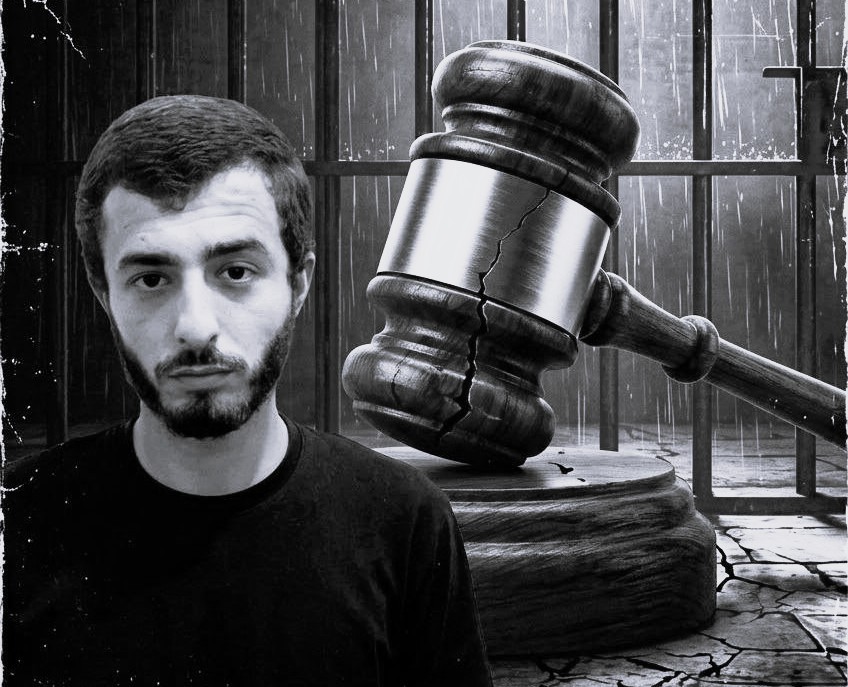
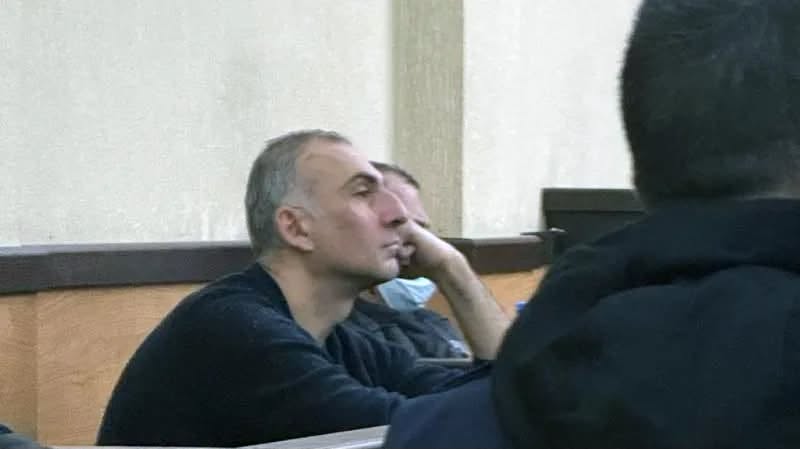
● A verdict is expected today in the case of opposition politician Aleko Elisashvili (pictured below), one of the leaders of the Strong Georgia – Lelo coalition. He is under arrest on charges of attempting to set fire to a courthouse, an act prosecutors classified as attempted terrorism. The defense will present its closing arguments, followed by Elisashvili’s final statement before the judge announces the verdict.
● Human Rights Watch has published a new report on Georgia. According to the organization, laws adopted since 2024 have significantly restricted the work of independent NGOs, media outlets, and activists. HRW says the government is using controls on foreign funding and criminal prosecutions to silence critical voices, forcing a number of organizations to reduce or suspend their activities. The organization calls on the government to repeal the restrictive laws and urges international partners to increase support for Georgia’s independent civil society. More details here
● Prosecutors have summoned Misho Martashvili, a cameraman for the independent TV channel Formula, for questioning as part of the ongoing investigation into the broadcaster. Journalist Nata Lomadze and TV host Davit Kashiashvili have already been questioned. The case was opened after a complaint by film director Goga Khaindrava, who is widely seen as pro-government. He accuses Formula of deliberately spreading defamatory information falsely accusing him of committing a serious crime.
● Family members of jailed protesters have submitted four demands to the Georgian Public Broadcaster. They are asking for coverage of their press briefings, an official meeting with the broadcaster’s management, the right to live broadcasts, and an explanation from the board of trustees as to why their activities have not been covered. They say they have not been able to present their views on the public broadcaster for more than a year.
● According to a study by the International Society for Fair Elections and Democracy (ISFED), more than 1,500 fake accounts, trolls, and bots were used to boost likes and engagement on a pro-government Imedi TV post marking Georgia’s Independence Day. The post presented Bidzina Ivanishvili, the oligarch and founder of the ruling Georgian Dream party, as a historic figure who contributed to strengthening the country’s independence. His name was placed alongside Merab Kostava, a leader of Georgia’s national liberation movement in the 1990s, and the country’s first president, Zviad Gamsakhurdia. ISFED says the accounts were created simultaneously, often using stolen or AI-generated profile photos, and acted in a coordinated way by posting the same image and identical comments. The study concludes that after critical reactions appeared, the network artificially shifted engagement in favor of the ruling party. Imedi TV is under UK sanctions for spreading pro-Russian propaganda against Ukraine and Western countries.
● Irakli Dgebuadze has been appointed head of the Main Investigative Department of the Tbilisi Police. He became widely known after journalist Mzia Amaghlobeli, founder of the independent outlets Batumelebi and Netgazeti, was sentenced to two years in prison for slapping him after, according to her supporters, he insulted her during a protest.
-
Thursday, 9 July, Azerbaijan. Caspian Sea–Black Sea–Europe Green Energy Corridor officially moves from feasibility study to implementation stage
● Jordanian Foreign Minister Ayman Safadi visited Baku. At a joint briefing, Azerbaijani Foreign Minister Jeyhun Bayramov said the main focus of the talks was cooperation in transport and logistics. He said the priority is to make better use of the two countries’ potential to expand access to neighboring regions and markets. “With Azerbaijan’s direct participation, major projects are already delivering Caspian energy resources to global markets. These include oil and gas pipelines and transport infrastructure, including the Baku-Tbilisi-Kars railway. All of these projects pass through Georgia and Türkiye. At the same time, under the new regional realities, the Middle East and Mediterranean countries are actively developing new transport routes and gas supply corridors. We believe Azerbaijan, Jordan and Türkiye have significant potential to implement joint projects,” Bayramov said.
● During his meeting with Jordan’s foreign minister, President Ilham Aliyev invited King Abdullah II of Jordan to pay an official visit to Azerbaijan.
● Azerbaijan and Jordan have mutually abolished visa requirements for each other’s citizens.
● Jeyhun Bayramov said Azerbaijan plans to send an economic delegation to Jordan in the coming months to discuss prospects for bilateral cooperation and potential joint projects. An Azerbaijan-Jordan business forum may also be organized during the visit.
● The Caspian Sea–Black Sea–Europe Green Energy Corridor has officially moved from the feasibility study stage to the next phase — practical implementation. The announcement was made at a meeting in Baku of the intergovernmental committee responsible for implementing the strategic partnership agreement between Azerbaijan, Georgia, Hungary and Romania. The participants agreed to prepare a detailed action plan before a final investment decision is made. They also drafted a joint letter to the European Commissioner for Energy and Housing, proposing that the project be included in the European Union’s list of Projects of Common Interest. The next committee meeting will be held in Romania in November.
The Caspian–Black Sea–Europe Green Energy Corridor is a joint project of Azerbaijan, Georgia, Romania and Hungary. It envisages transmitting renewable energy produced in the Caspian region to Europe via a cable to be laid along the bottom of the Black Sea.
● The European Union is discussing with the governments of Armenia and Azerbaijan ways to support transport routes in the South Caucasus, EU Special Representative for the South Caucasus Magdalena Grono said at a briefing in Yerevan. “We are discussing how to support the development of these routes so that people living along them benefit, while also making a significant contribution to the Middle Corridor, the EU’s priority transit project linking Asia and Europe through the South Caucasus,” Grono said. She added that “the progress toward building sustainable peace in the region is incredibly impressive, and the European Union wants to be a strong partner for both countries.”
● Throughout the more than three decades of the Armenian-Azerbaijani conflict, the European Union positioned itself as a mediator in the peace process. However, it acted more as Armenia’s advocate than as an impartial mediator, – The National Interest wrote. The last major obstacle to peace remains Armenia’s territorial claims against Azerbaijan, which are enshrined in Armenia’s Constitution. Removing them will require a referendum. Brussels should use its leverage to ensure that Pashinyan continues the peace process, the article says. The author argues that the United States has recently strengthened its position in the South Caucasus because Washington focused on the practical steps needed to reach an agreement, rather than on demonstrating support for either side.
● Economy Minister Mikayil Jabbarov is leading a delegation on a visit to Turkmenistan to attend the latest session of the bilateral intergovernmental commission. He held meetings with President Serdar Berdimuhamedow and other senior officials. The talks focused on diversifying business partnerships, promoting new initiatives, and strengthening regional trade and economic cooperation.
● The trial of lawyer Zabil Gahramanov, who has been in detention for nearly nine months, has begun. He is charged with hooliganism and fraud. His lawyers asked the court to dismiss the criminal case, arguing that the charges are unfounded and that the investigation has produced no convincing evidence. They also requested that Gahramanov be placed under house arrest if the case is not dismissed, at least until a verdict is delivered. They noted that he is a well-known public figure and has minor children in his care. The judge postponed the hearing until July 10 to rule on the motions.
Zabil Gahramanov has represented clients in many high-profile cases, and both local and international human rights organizations say his arrest may be linked to his criticism of unlawful police actions.
● Foreign Minister Jeyhun Bayramov again warned Azerbaijani citizens against taking part in armed conflicts abroad, calling it a criminal offense. “Such actions carry legal consequences, including the possible loss of Azerbaijani citizenship,” he said.
● Azerbaijan is marking Diplomats’ Day today, commemorating the 170th anniversary of the country’s diplomatic service.
● The Interior Ministry announced that it had uncovered a large virtual financial pyramid scheme called Any Unboxing, which allegedly defrauded more than 300 people. The organizers were identified as two Malaysian citizens and two Azerbaijani citizens. They operated what is known as a Ponzi scheme, in which earlier participants are paid using money from new investors rather than from genuine profits. The funds had no real economic basis and could not be withdrawn. The damage is estimated at more than 2.5 million manats (about $1.5 million). Three suspects have been arrested, while one has been placed on an international wanted list.
● The Ministry of Emergency Situations is dealing with the aftermath of flooding caused by torrential rains in the Zagatala, Balakan and Aghstafa districts, where residential homes were inundated.
-
Thursday, 9 July, Georgia. OSCE PA adopts strongly critical resolution on Georgia, Georgian delegation walks out in protest
● The OSCE Parliamentary Assembly adopted the Hague Declaration, which includes a critical resolution on Georgia. The document expresses concern over democratic backsliding, alleged irregularities in the 2024 parliamentary elections and the 2025 local elections, restrictions on the media and civil society, and actions taken against opposition politicians and protesters. The Assembly calls on the Georgian authorities to release political prisoners, repeal restrictive laws, strengthen the independence of the judiciary and the Central Election Commission, and investigate alleged election violations. At the same time, the resolution reaffirms the Assembly’s support for Georgia’s sovereignty and territorial integrity. More on the resolution here.
● In protest, the Georgian delegation refused to take part in the vote on the Hague Declaration. The head of the delegation, Nikoloz Samkharadze, said the document distorts the current situation in Georgia and harms the country’s national interests. In response, OSCE Parliamentary Assembly President Pere Joan Pons said that “leaving seats empty in parliament is always the worst option” and stressed that democracy is based on dialogue and resolving disagreements together.
● Elene Khoshtaria, the imprisoned leader of the opposition Droa party, remains in treatment at the Vivamedi clinic and says her health has improved. She said she will return to Rustavi prison as soon as her treatment is completed.
● Parliament Speaker Shalva Papuashvili is taking part in the first conference of parliamentary speakers from EU candidate countries, being held in Serbia. In his speech, he said that “the EU must stop politically blackmailing candidate countries and base the enlargement process on real merit.” Papuashvili also criticized EU institutions, European diplomats, and the authors of the OSCE resolution.
● Imprisoned former President Mikheil Saakashvili has presented a plan to reform the United National Movement, the party he founded, which was in power during his presidency and is now one of Georgia’s main opposition parties. According to Saakashvili, the party is entering a transitional period. Temporary governing bodies will be elected at the party congress at the end of July, and a new “Council of Reformers” will be created under his leadership. He proposed well-known TV presenter Nanuka Zhorzholiani as the council’s executive secretary.
● The 12th ministerial meeting on the Green Energy Corridor project was held in Baku with the participation of Georgia, Azerbaijan, Romania and Hungary. According to Economy Minister Mariam Kvrivishvili, the project is a long-term initiative aimed at strengthening Georgia’s energy security, regional cooperation and economic development. It includes the construction of an undersea electricity cable across the Black Sea.
● The lawyer for opposition leader Giorgi Gakharia once again rejected accusations against the politician in the case related to the violent dispersal of the large anti-Russian protest in Tbilisi on June 20, 2019. Police used rubber bullets during the crackdown, leaving two people permanently blind. Gakharia was interior minister at the time. He has been abroad for several months and faces several criminal cases in Georgia. His lawyer said Gakharia never gave the order to use rubber bullets and called for the release of police radio communications from that period. The defense argues that those recordings will show who actually made the decision to use force.
● Georgian poet Tariel Chanturia has died at the age of 93. He was one of the most important figures in modern Georgian poetry and the author of dozens of poetry collections, children’s books and literary translations.
● President Mikheil Kavelashvili took part in the UN Global Forum on AI Governance in Geneva. He also met with the directors-general of the World Health Organization and the World Trade Organization. According to the presidential administration, the discussions focused on healthcare, trade, the Middle Corridor and Georgia’s role as a transit hub.
● The National Agency for Cultural Heritage Preservation said that construction is taking place without authorization within the UNESCO World Heritage site of Lamaria Monastery in the highland village of Ushguli. The local diocese said a residential building for nuns is being constructed on the monastery grounds and that the project documentation will be submitted to the agency in the coming days. The agency said it has begun reviewing the case.
● In a nationwide special operation, the Interior Ministry detained 29 people allegedly linked to the criminal underworld and charged three others in absentia, including alleged “thief-in-law” Besik Japaridze, who is believed to be abroad. According to investigators, the group settled financial disputes between citizens through so-called criminal arbitration. People were allegedly forced to pay money and were threatened with violence or death if they refused.
● According to updated data from the international platform Numbeo, Türkiye has the highest average monthly salary in the region at $1,070. It is followed by Armenia with $757, Georgia with $557, and Azerbaijan with $455. According to the platform, the average monthly salary in Russia is $900.
-
Thursday, 9 July, Armenia. Magdalena Grono: EU discusses support for South Caucasus transport routes with Armenia and Azerbaijan
● The European Union is discussing with the governments of Armenia and Azerbaijan how Brussels can best support the development of transport and communication routes in the South Caucasus, EU Special Representative for the South Caucasus and the crisis in Georgia Magdalena Grono said at a briefing in Yerevan. “The progress made toward building lasting peace in the region is incredibly impressive, and the European Union wants to be a strong partner for both countries so that this peace becomes a sustainable reality that benefits everyone,” Grono said.
● Iran regrets that the Armenia-Iran trade center project, owned by businessman Gagik Tsarukyan, was not successfully completed, Iranian Ambassador Khalil Shirgholami said at a press conference. Tsarukyan, who is also a politician from the pro-Russian opposition Prosperous Armenia party, is under arrest on charges of large-scale money laundering. Shirgholami said that after the center opened, the embassy consistently helped resolve issues that arose. The goal was to boost bilateral trade and expand the presence of Iranian goods on the Armenian market. He said it was unfortunate that disagreements emerged between the parties, leading them to end their cooperation and accuse each other of embezzlement. This also created problems for other projects involving the same partners. The ambassador added that he had personally tried to mediate between the Iranian businessmen and Tsarukyan in an effort to reach a mutually acceptable solution. “Now that the matter is in the legal process, we hope it can be resolved on the basis of documents and evidence,” Shirgholami said.
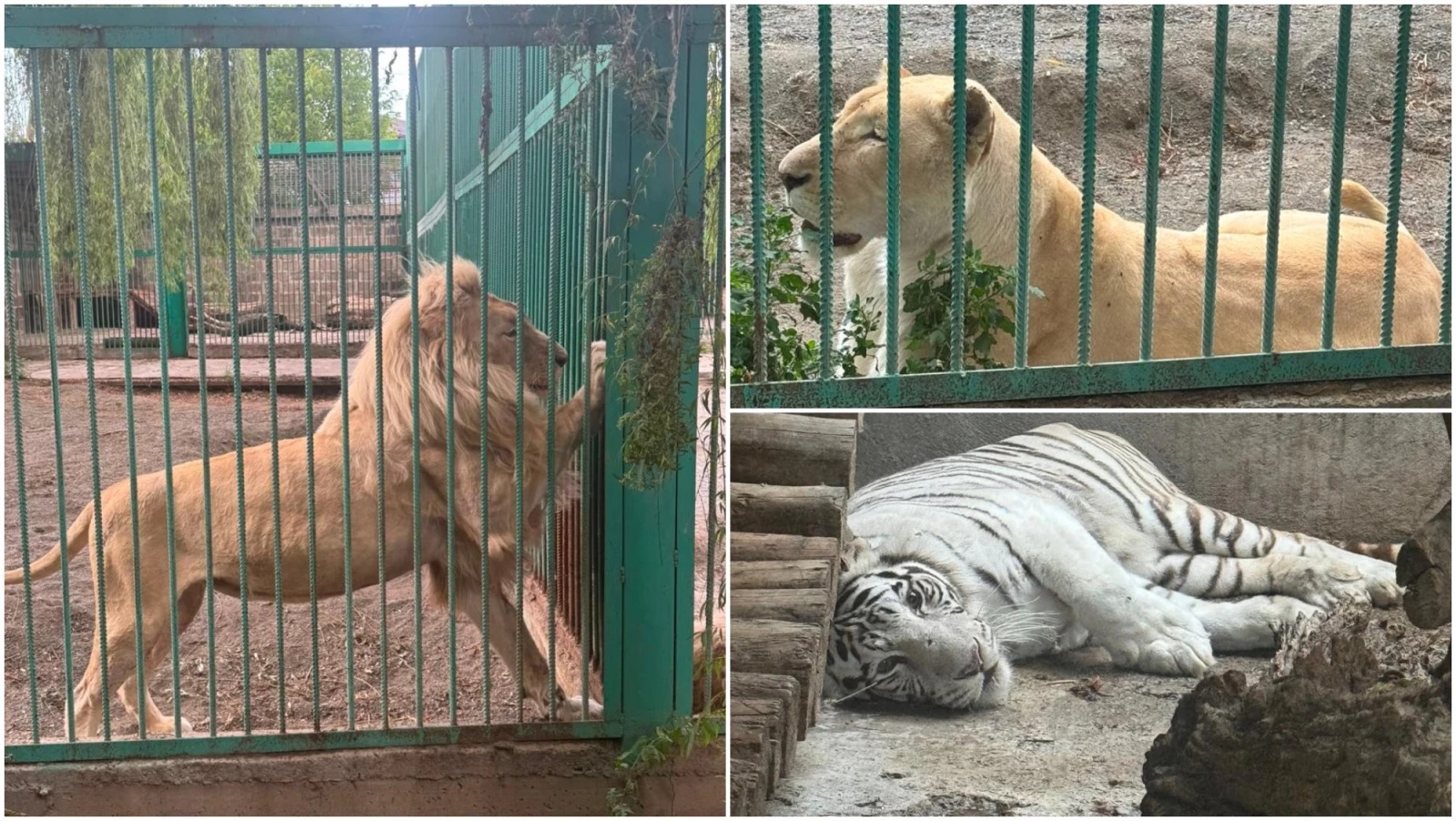
● The lion and tiger found during the search of Gagik Tsarukyan’s home and transferred to the zoo are under constant observation, undergoing veterinary examinations, and are being kept in the zoo’s quarantine area, the Yerevan city authorities said.
● At the latest meeting of the Public Council under the Interior Ministry, officials discussed the process of visa liberalization with the European Union. Interior Minister Arpine Sargsyan, Armenia’s chief negotiator in the process, said the EU has prepared a comprehensive action plan for Armenia covering four main areas: document security and strengthening biometric systems, integrated border management, migration and asylum, public order and security, and the protection of human rights.
● “All the programs presented by the government will now become reality because the Civil Contract party received the necessary support from voters in the June parliamentary elections. Armenia will become a safer country, and we will truly become a prosperous nation,” Prime Minister Nikol Pashinyan said during a meeting with President Vahagn Khachaturyan.
● During the same meeting, President Khachaturyan stressed the importance of peace becoming firmly established in Armenia. “We have reached a point where we essentially no longer have disputes with our neighbors that could lead to military confrontation. On the contrary, today we have a real opportunity to finally establish diplomatic relations with our neighbors, build good-neighborly ties, and be useful to one another,” he said.
● Mariya Karapetyan, a lawmaker from the ruling party, has been elected Vice President of the OSCE Parliamentary Assembly.
● The Armenian government discussed the results of a study examining the costs of wheat production and ways to encourage domestic wheat farming. The meeting, chaired by Prime Minister Nikol Pashinyan, concluded with instructions to prepare a map of unused agricultural land suitable for wheat cultivation and to develop a related investment program.
● The European Union has delivered the first of two demining machines to Armenia. Officials said it is an important step in strengthening the country’s capacity to clear conflict-affected areas.
● Human rights defender Ruben Melikyan said that Yerevan State University, where he had been teaching, did not renew his contract. “It is obvious to me that this decision is linked to my public activities, because I was given no criticism whatsoever regarding the quality of my teaching,” Melikyan said.
● Wolf attacks have been reported in several areas of the Goris region. Six people were injured, including a two-year-old child who was playing in the yard when a wolf attacked. One of the victims is in serious condition, while the others suffered light or moderate injuries.
-
Wednesday, 8 July, Georgia. Georgia was not invited to the NATO summit in Ankara; observers say "the country has lost the trust of its partners"
● Georgia was not invited to the NATO summit in Ankara, prompting political reactions. Political analyst Paata Zakareishvili said Georgia no longer participates in regional security discussions because it has lost the trust of its partners. Grigol Gegelia, a representative of the opposition Lelo party, said that for the first time in Georgia’s history, the country is not represented at any event where regional security issues are discussed.
● At the same time as the NATO summit in Ankara, the “Allies in Ankara” event is taking place as part of the Munich Security Conference, with Georgian Foreign Minister Maka Botchorishvili participating. “This is an important opportunity for Georgia to present the country’s positions and its regional role to partners,” Botchorishvili told journalists.
● The so-called sabotage case is being heard at Tbilisi City Court. None of the defendants attended the hearing. The case involves eight opposition politicians: former President Mikheil Saakashvili, Nika Melia, Nika Gvaramia, Giorgi Vashadze, Zurab Japaridze, Elene Khoshtaria, Mamuka Khazaradze and Badri Japaridze. They are accused of providing information to foreign states and creating an artificial basis for imposing sanctions on Georgia. The hearing focused on testimony from prosecution witnesses, while the defense said the case was politically motivated. According to the lawyers, the witness statements mention opposition politicians Giorgi Kadagidze, Levan Khabeishvili and Giorgi Gakharia. Their lawyers, however, say the testimony is false and that video recordings do not support the prosecution’s version.
● Former Deputy Interior Minister Giorgi Bakhuashvili has been appointed deputy head of the State Security Service. The opposition sees the decision as a move to strengthen political control. Opposition politicians say Bakhuashvili enjoys the trust of billionaire Bidzina Ivanishvili, who is widely considered Georgia’s informal ruler. They believe his appointment is intended to establish additional control over State Security Service chief Gela Geladze.
● Parliament Speaker Shalva Papuashvili is on an official visit to Serbia, where he is participating in the first conference of speakers of parliaments from EU candidate countries. Speaking in Belgrade, he said the EU enlargement process should be based on fair and predictable rules, and that “imposing new political conditions on candidate countries is similar to political blackmail.”
● Shalva Papuashvili also commented on a draft OSCE Parliamentary Assembly resolution on Georgia, saying the document “is the result of the personal obsession of U.S. Congressman Joe Wilson.” The resolution, which the Assembly will consider on July 8, calls on Georgian authorities to release political prisoners, repeal laws restricting fundamental freedoms, and fulfill international obligations to protect human rights. The main initiator of the document is U.S. Congressman Joe Wilson.
● On July 11, a march will take place from the Tbilisi Philharmonic Hall to the parliament building in memory of more than 120 Georgian fighters killed in Ukraine while fighting against Russia’s aggression. Organizers said: “These people fought for Georgia as well, and their memory is a symbol of the struggle for freedom and independence.”
● The Prosecutor’s Office has charged Azerbaijani citizen Emin Aliyev with the murder of 20-year-old Azerbaijani citizen Fatima Karimova in Tbilisi. According to the investigation, the accused allegedly prevented the woman from moving freely, communicating with relatives, and locked her in a rented apartment for several weeks. He was charged in absentia under subparagraph “T” of Article 109 of Georgia’s Criminal Code — murder committed on the grounds of intolerance toward gender equality. The article carries a punishment of up to 20 years in prison or life imprisonment. Aliyev reportedly managed to leave the country, allegedly traveling to Türkiye. He has been placed on a wanted list.
● A court found one of the minors guilty in a case involving the activities of a youth group in Georgia with a so-called “fascist-Nazi” ideology. According to the Prosecutor’s Office, the group organized violence and torture against people, including minors. The defendant, accused of organizing these actions, was sentenced to 9 years and 8 months in prison under juvenile justice provisions.
● Residents of a 14-story apartment building in Tbilisi near the Vazha-Pshavela monument are asking for help. After heavy rain, part of the building’s courtyard collapsed, as did the foundation of a nearby construction site. Residents say the building is at risk of collapse and that signs of the problem appeared a year and a half ago, but city authorities failed to address the issue.
● Problems also occurred at Tbilisi International Airport after heavy rain on July 6. Water flooded part of the terminal, electricity was temporarily cut off, and passengers were evacuated from the building as a safety measure. The airport fully resumed operations within several hours.
● The government plans to build a new four-lane highway between Natakhtari and Zhinvali. The 27-kilometer road will pass through several villages, include 16 bridges, and reduce travel time by about 15 minutes. Land acquisition will be carried out in accordance with Asian Development Bank standards.
● The government plans to build modern waste processing facilities in four regions of the country. The project includes Kakheti, Shida Kartli–Mtskheta-Mtianeti, Imereti–Racha-Lechkhumi–Kvemo Svaneti, and Samtskhe-Javakheti. Construction is expected to be completed by 2030.
● After the resumption of the Baku–Tbilisi–Baku railway service, around 25,000 tickets were sold and about 14,000 passengers were transported between May 25 and July 6. According to Azerbaijan Railways, demand for the Tbilisi–Baku route is very high, partly due to Azerbaijan’s closed land borders. Starting July 10, three additional carriages will be added to the train, increasing capacity by 60%. Tickets in the new carriages will be cheaper than current fares.
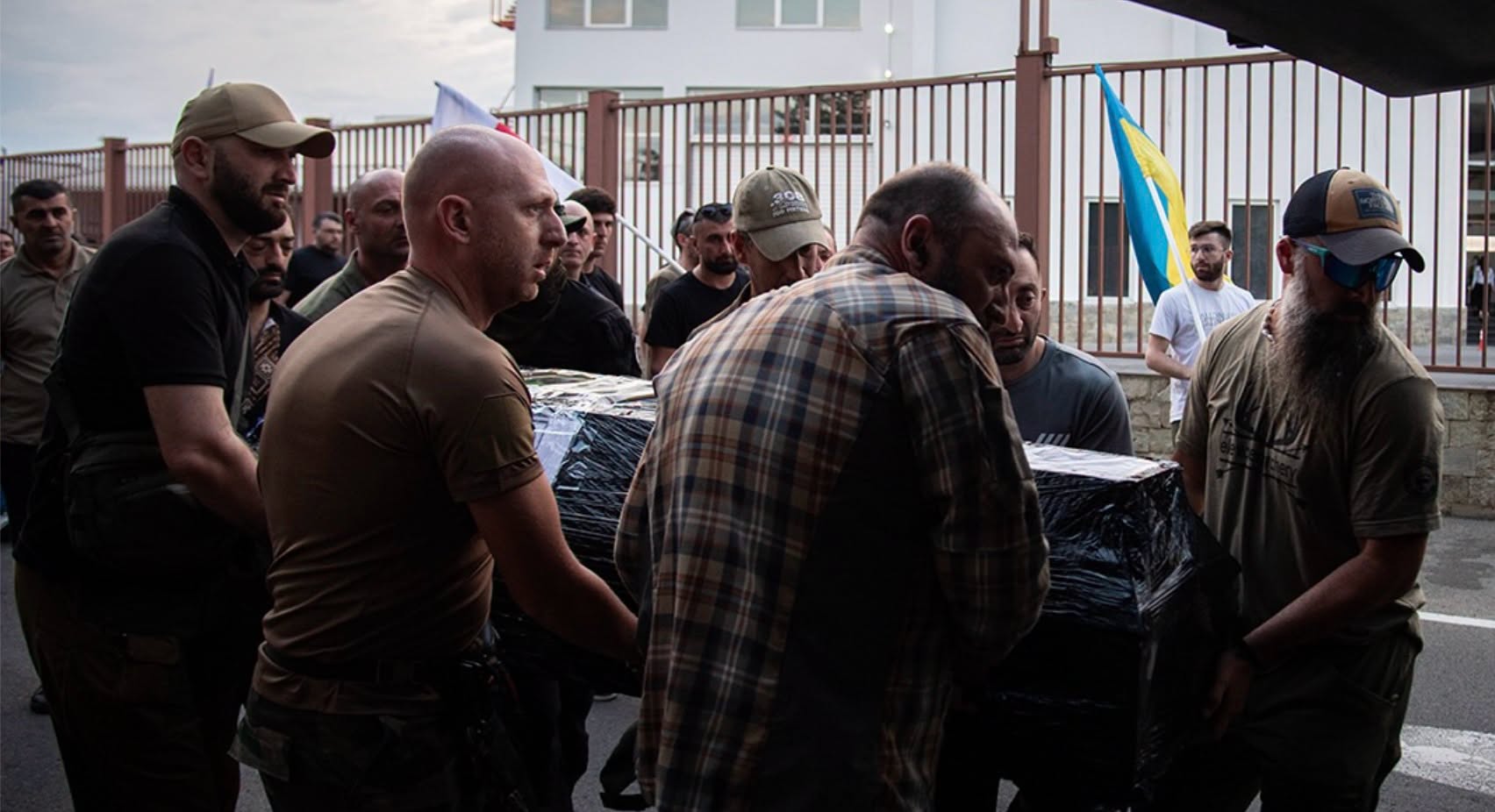
📸 Photo: A coffin with the body of David Kukchishvili, a Georgian fighter killed in Ukraine, arrives at Tbilisi airport. Photo: Alexander Keshelashvili, Publica.
-
Wednesday, 8 July, Azerbaijan. Uzbekistan plans to establish a joint fleet with Azerbaijan on the Caspian Sea
● U.S. Senator Steve Daines, a member of the Senate Foreign Relations Committee, is visiting Baku. He held meetings with President Ilham Aliyev and Azerbaijan’s ministers of economy and foreign affairs. The talks focused on strengthening dialogue between Azerbaijan and the U.S. Senate, as well as the importance of the Trump Route for International Peace and Prosperity (TRIPP) transit corridor, being developed with U.S. participation. The sides highlighted Azerbaijan’s role in energy security, transport and logistics, particularly in the development of the Middle Corridor and East-West transport routes. They also emphasized Azerbaijan’s growing cooperation with Central Asian countries. The normalization of relations between Azerbaijan and Armenia and the regional peace agenda were also discussed.
● Azerbaijan has been invited to participate in the G20 summit, which will take place in Miami on December 14-15.
● Uzbekistan plans to establish a joint fleet with Azerbaijan on the Caspian Sea and create a joint operating company, Uzbekistan’s Deputy Minister of Industry Khurram Teshabayev told the pro-government outlet Report. “These initiatives will improve the efficiency of multimodal transportation, make logistics chains more resilient and reduce transport costs for exporters,” he said.
● Production of Chevrolet Cobalt cars will begin in Azerbaijan in 2027 in cooperation with Uzbekistan, Khurram Teshabayev said. The $84.3 million project is being implemented by Azermash CP and Uzavtosanoat. The main preparatory work has already been completed. The partnership began with a joint venture in Hajigabul, Azerbaijan, where assembly of Chevrolet vehicles and Isuzu buses started in 2022. The next stage is the construction of a full-cycle manufacturing plant, Teshabayev said.
● Ukrainian President Volodymyr Zelensky thanked Azerbaijan for its support while speaking at a defense industry forum in Ankara held alongside the NATO summit. “The European Union, Türkiye, NATO countries, as well as countries such as Azerbaijan and the Gulf states are our strong partners, and I hope our cooperation will provide reliable protection for our countries against threats,” Zelensky said. During his visit to Azerbaijan in April, he and President Ilham Aliyev discussed expanding cooperation in the defense industry, including possible joint work on counter-drone technologies.
● The European Court of Human Rights has ordered the Azerbaijani government to compensate the Verdiyev family for the unlawful demolition of their home in Ganja. The court found violations of both their property rights and their right to a fair trial. The family had sought about $370,000 in compensation and €50,000 for non-pecuniary damages. The court awarded them €71,750 in pecuniary damages and €3,700 in non-pecuniary damages.
The European Court has previously issued dozens of similar rulings over the demolition of homes and commercial properties in Azerbaijan despite residents’ protests, ordering the government to pay hundreds of thousands of euros in compensation. During the proceedings, the government disputed the applicants’ claims.
● Samira Gasimli, the wife of political analyst Azer Gasimli, who was sentenced to 12 years in prison, has also become a defendant in court. The lawsuit was filed by the same man, Gurbanali Yusibov, whose complaint led to Azer Gasimli’s conviction on charges of extortion by threat. Gasimli has repeatedly said he was imprisoned on fabricated, politically motivated charges in retaliation for criticizing the authorities. Yusibov now claims that Samira Gasimli defamed his honor and dignity through posts published on her Facebook page during her husband’s trial.
● The Baku Court of Appeal continued hearings on appeals filed by the imprisoned former political and military leaders of the former self-proclaimed Nagorno-Karabakh Republic. In February this year, Araik Harutyunyan, Levon Mnatsakanyan, Davit Manukyan, Davit Ishkhanyan and Davit Babayan were sentenced to life imprisonment on charges including war crimes committed during Armenia’s military aggression against Azerbaijan, terrorism and the violent seizure of power. Arkadi Ghukasyan and Bako Sahakyan were sentenced to 20 years in prison; Madat Babayan and Melikset Pashayan to 19 years; Garik Martirosyan to 18 years; Davit Alaverdyan and Levon Balayan to 16 years; and Vasiliy Beglaryan, Gurgen Stepanyan and Erik Ghazaryan to 15 years.
Davit Babayan, as at the previous hearing, said he did not admit guilt.
The court rejected a motion filed by Davit Ishkhanyan’s lawyer, saying the issues raised were unrelated to the substance of the appeal.
Lawyers representing Arkadi Ghukasyan presented their arguments and asked the court to overturn his conviction and acquit him.
The next hearing is scheduled for July 10.
● Gaya Mammadov, head of Azerbaijan’s delegation to the OSCE Parliamentary Assembly, met with the head of the U.S. delegation, Congressman Joe Wilson, during the Assembly’s session in The Hague. Mammadov congratulated Wilson on his election as chairman of the OSCE PA Committee on Political Affairs and Security. The two sides highlighted the close personal relations between the leaders of Azerbaijan and the United States, as well as the U.S. contribution to peace and cooperation in the South Caucasus. Azerbaijan is due to host the OSCE Parliamentary Assembly’s annual session in 2027.
● Discussions were held in Baku on the development of the Baleine offshore oil and gas field in Côte d’Ivoire, in which Azerbaijan’s state energy company SOCAR owns a 10% stake. During a meeting between SOCAR President Rovshan Najaf and PETROCI Holding CEO Fatumata Sanogo, the sides expressed satisfaction with their cooperation and the results achieved. The field was discovered in 2021, and commercial production began in 2023. It currently produces more than 62,000 barrels of oil and 2.1 million cubic meters of gas per day.
● Three additional sleeping cars have been added to trains operating on the Baku-Tbilisi-Baku route, increasing passenger capacity by nearly 60%. Tickets for these cars are cheaper than those for Stadler-made carriages. Azerbaijan Railways said demand for tickets on the route remains very high. Tickets are currently released 30 days before departure, but the company is working to extend that period to 90 days.
● Azerbaijan Airlines (AZAL) is launching flights from Baku to Kars in Türkiye. The route will become the airline’s ninth destination in Türkiye. The first flight is scheduled for July 30, with services operating twice a week.
● Azerbaijan will introduce a visa-free regime for citizens of Singapore starting on August 1.
● Azerbaijan’s Food Safety Agency said it had found dangerous substances in slimming teas, coffees and capsules sold through social media. Laboratory tests detected the banned substance sibutramine in SLT Slim Lux Coffee Premium (hazelnut), SLT Slim Lux Coffee Premium, Good Lux Green Coffee, Green Good Lux Slimming Coffee (hazelnut), Green Good Lux Slimming Capsules, Saffren Dietary Supplement, Spirulina, Vellara Form Coffee and Vellara Form Tea. Sibutramine increases the risk of cardiovascular disease, heart attack and stroke, and can also cause serious psychiatric disorders. The agency said the products had been imported for personal use but were later illegally offered for sale on social media. It has notified Azerbaijani law enforcement authorities as well as the authorities in the countries where the products were manufactured.
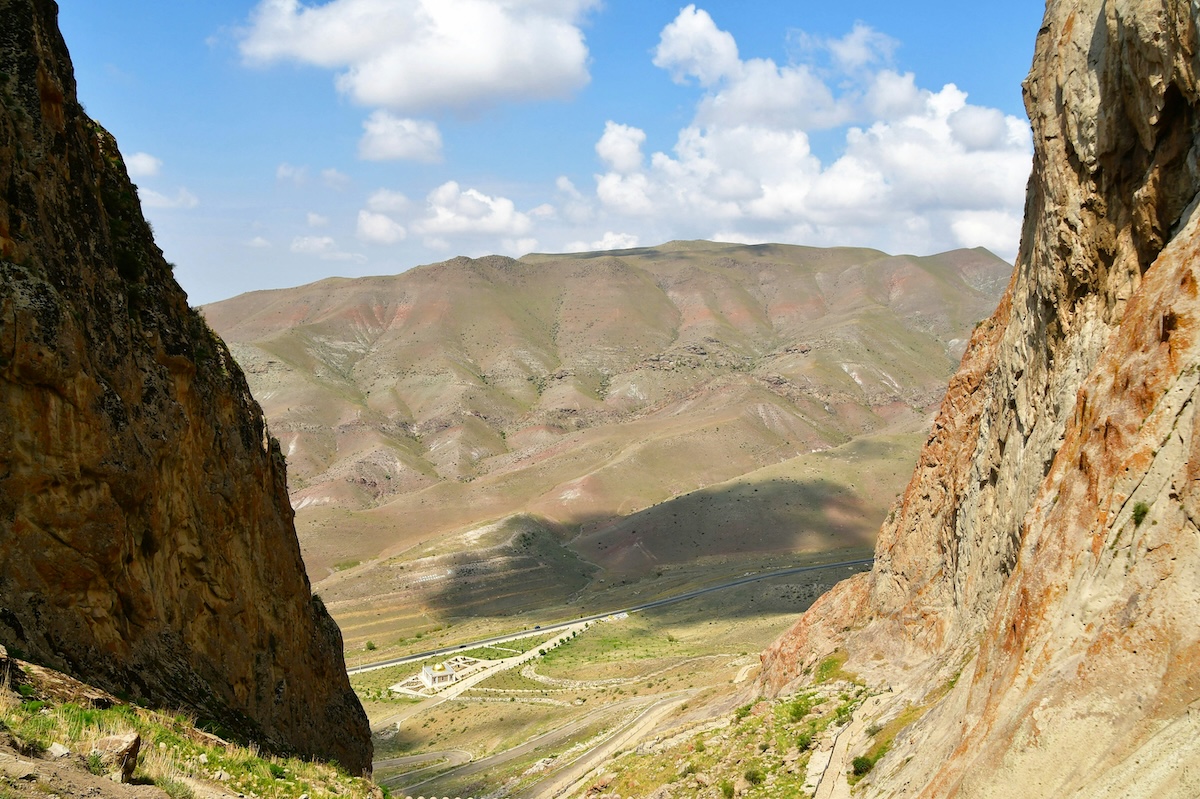
PHOTO: In the mountains of Nakhchivan, Azerbaijan. Photo by Tim Broadbent
-
Wednesday, 8 July, Armenia. Businessman and pro-Russian opposition politician Gagik Tsarukyan has been placed in pretrial detention for two months
● Armenia’s Deputy Foreign Minister and Sweden’s State Secretary for Foreign Affairs discussed the Armenia-EU Strategic Partnership Agenda. The talks included steps to expand Armenia’s access to the European market and initiatives aimed at improving regional connectivity.
● Gagik Tsarukyan, a prominent businessman and leader of the pro-Russian opposition Prosperous Armenia party, has been placed in pretrial detention for two months. He is accused of large-scale fraud and money laundering.
● Armenia’s Investigative Committee said one more person has been arrested and another detained in connection with the case involving Gagik Tsarukyan.
● Gagik Tsarukyan’s lawyers said the court’s decision to place him in pretrial detention “was a direct order from the authorities.” “During the hearing, the judge asked no questions and neither side was allowed to express its position. It felt as though the ruling had already been written in advance,” lawyer Yerem Sargsyan said.
● The spokeswoman for the Prosperous Armenia party commented on the video showing Gagik Tsarukyan being thrown to the floor during his arrest at his home: “Thirty of you were holding him down, yet he could have taken all of you down on his own.”
● One of the three lions found at Gagik Tsarukyan’s home died while being transported to Yerevan Zoo. The lioness did not wake up after being sedated. The Investigative Committee said the incident would be investigated.
● Vazgen Galstanyan (Archbishop Bagrat) has filed a lawsuit against Armenian Prime Minister Nikol Pashinyan, demanding that he retract statements accusing him of vote-buying. According to the lawsuit, the statements are defamatory and damaged the plaintiff’s honor and dignity. Galstanyan is asking that the retraction be published on the official websites of the government and the prime minister, as well as in the press with a circulation of at least 5,000 copies. He is also seeking symbolic compensation of 49.7 drams — matching the percentage of votes won by the ruling Civil Contract party in the June parliamentary elections. There is no information yet on whether the court has accepted the lawsuit for consideration.
● Education is at the heart of cooperation between Armenia and the European Union, and the Erasmus+ initiative is one of the most visible and important examples of that partnership, EU Ambassador Vassilis Maragos said.
● Water supply has been suspended in the town of Dilijan for public safety reasons. The water comes from surface river sources, which have become heavily polluted following torrential rains. The company said its treatment facilities are not technically capable of purifying water with such a high level of turbidity.
● Armenian citizens visiting the UAE, and UAE citizens visiting Armenia, can now use their national driver’s licenses without obtaining a local one. Citizens who move to either country for residence are also exempt from taking theoretical and practical driving tests.
-
Tuesday, 7 July, Armenia. Pro-Russian politician Gagik Tsarukyan detained over alleged fraud involving Iranian citizens
● Gagik Tsarukyan, a major businessman and leader of the pro-Russian opposition Prosperous Armenia party, has been detained. He is accused of large-scale fraud and money laundering. According to investigators, a criminal group allegedly operating under Tsarukyan’s leadership reached agreements with Iranian citizens and established joint companies. The group then allegedly imported 52 vehicles, equipment, fuel and other goods into Armenia under the pretext of creating an Iran-Armenia logistics transportation network. Investigators say the group used deception and abuse of trust, falsified documents and misappropriated property worth around 8.1 billion Armenian drams ($21 million). Another person has reportedly been detained in connection with the same case.
● Tsarukyan’s lawyer said the businessman himself became a victim after some Iranian citizens allegedly committed abuses, and that complaints had been filed against them. “Based on materials from the Iranian side, Armenian law enforcement decided to grant Gagik Tsarukyan the status of an accused person. It is surprising that Armenia, instead of protecting the interests of its citizen, is doing everything to harm him,” the lawyer said.
● More than 10 companies belonging to Tsarukyan’s Multi Group conglomerate have suspended operations, according to Iveta Tonoyan, spokesperson for the Prosperous Armenia party. She said that restaurants and hotels, including Multirest and Multirest Resort in Tsaghkadzor, Royal Sky and the Multigrand hotel complex on Abovyan Highway, were among the facilities sealed. “Starting today, around 7,000 employees are on forced leave. These actions contain elements of economic terror,” Tonoyan said.
● Searches were carried out at Gagik Tsarukyan’s mansion in Yerevan. The Investigative Committee said that 190 stuffed animals and birds, as well as three lions and one tiger, were seized and transferred to a zoo.
● Nine opposition political forces condemned the authorities’ actions against Gagik Tsarukyan, including searches at businesses linked to him. “This is another example of ongoing mass political persecution aimed at silencing opposition forces,” their statement said. A significant part of Armenia’s opposition is considered to have a pro-Russian orientation.
● Talks between Armenian Prime Minister Nikol Pashinyan and Russian Prime Minister Mikhail Mishustin lasted about one and a half hours. The meeting took place on the sidelines of the Innoprom international industrial exhibition in Yekaterinburg. Mishustin noted that Russia remains Armenia’s main foreign trade partner and largest investor, and said Moscow expects favorable conditions for Russian companies to be maintained. Pashinyan said that “some problematic issues” had accumulated in bilateral relations and expressed hope that they could be discussed and resolved. He stressed that Yerevan remains interested in developing relations with Russia.
● During his visit to Russia, Armenian Economy Minister Gevorg Papoyan met with Russian Industry and Trade Minister Anton Alikhanov. The sides discussed expanding industrial cooperation and promoting investment programs.
● “This is jam I made from Armenian apricots. Apricots are symbolic of a shift that is taking place in Armenia,’ EU Commissioner for Enlargement Marta Kos wrote on social media, alongside a photo. She said that in June elections, a majority of Armenian citizens voted for parties seeking closer partnership with the EU. According to Kos, Russia attempted to influence the election results by restricting imports of Armenian fruits and flowers, while the EU helped Armenia by opening its market to many of these products. She added that during her recent visit to Armenia she returned to Brussels with a large basket of apricots, many of which she gave to friends and used the rest to make jam. Kos encouraged consumers to buy Armenian apricots, plums and cherries, saying it could support Armenian farmers and the country’s democratic choice.
● Armenian Deputy Parliament Speaker Ruben Rubinyan met with EU Special Representative for the South Caucasus and the crisis in Georgia, Magdalena Grono. Discussions focused on regional security, transport and logistics opportunities, and the Armenia-Azerbaijan peace process.
● The Anti-Corruption Court partially approved a lawsuit by the Prosecutor General’s Office seeking the confiscation of illegally acquired property belonging to former President Serzh Sargsyan and individuals linked to him. The assets include 38% ownership of an apartment and a full parking space in Yerevan, as well as 38% of another parking space. The court also ordered the confiscation of 352.4 million drams (around $961,000).
● The pro-Russian opposition Armenia bloc, led by former President Robert Kocharyan, decided to accept its parliamentary mandates and begin work in the new parliament. Earlier, Armenia’s Constitutional Court rejected the opposition’s request to annul the results of the June parliamentary elections, in which Prime Minister Nikol Pashinyan’s Civil Contract party won a parliamentary majority.
● President Vahagn Khachaturyan signed a decree appointing Karen Grigoryan as Armenia’s ambassador to Pakistan. Armenia and Pakistan established diplomatic relations only recently, in August 2025, after decades without official ties.
● Armenia ranks second among importers of Georgian blueberries. According to Georgian statistics, Russia is the largest importer, receiving around 95% of total exports, followed by Armenia, Germany and the United Arab Emirates.

-
Tuesday, 7 July, Azerbaijan. Protest note to Russia over strike on SOCAR filling station in Ukraine
● Azerbaijan’s Foreign Ministry summoned the Russian ambassador and handed him a note of protest over Russia’s July 5 missile strike on a filling station owned by Azerbaijan’s state energy company SOCAR in Ukraine’s Mykolaiv region. “Despite repeated warnings, the continued Russian attacks on SOCAR facilities in Ukraine demonstrate their deliberate nature,” the note said. It recalled that previous Russian strikes had targeted a SOCAR gas distribution compressor station and an oil depot in Odesa, causing significant financial losses and injuries to company employees. Buildings housing Azerbaijan’s embassy in Kyiv and its honorary consulate in Kharkiv were also damaged in earlier attacks. The Foreign Ministry called on Russia to conduct a comprehensive investigation, provide an explanation, and comply with its international obligations to protect civilian infrastructure and diplomatic missions.
● An international conference titled “Cultural and Ethnic Diversity: Lessons of History, Contemporary Challenges” was held in Shusha, in the Karabakh region. It brought together civil society representatives, experts, human rights advocates and journalists from Azerbaijan, the United States, France, Lithuania, Poland, the Czech Republic, Germany, Israel, Turkiye and Georgia. Participants adopted a declaration calling on world leaders to prevent modern forms of colonialism and similar practices. “Ethnic and religious identity must not be treated as a crime or become grounds for collective punishment,” the declaration said.
● “In Russia, representatives of ethnic minorities – including Circassians, Lezgins, Avars, Tatars, Kumyks, Chechens, Yakuts, Buryats and other non-Russian peoples – are being forcibly sent to fight in Ukraine. They face pressure, blackmail and threats of imprisonment,” the declaration adopted at the Shusha conference said. It also called on Russia to recognize the genocide of the Circassians and other peoples, stop glorifying those responsible for mass killings, provide access to historical archives, and prevent chauvinism, xenophobia and attacks on non-Russian ethnic groups by skinhead organizations and their modern-day equivalents.
● Azerbaijan’s Mine Victims Association has launched a major project, “Safe Return: Supporting Action Against the Mine Threat,” with financial backing from state funds. “During the years when Armenia occupied Azerbaijani territories, these lands were contaminated with nearly 1.5 million mines and unexploded ordnance. The locations of mine incidents since 2020 are known, but the sites of mine explosions during the first Karabakh war in the early 1990s remain unclear. Previous projects helped us build a database that includes information from 1,360 people injured by mines during that period. We will visit these locations, determine their coordinates and provide them to the state mine action agency ANAMA,” said the association’s chairman, Rey Karimoglu. He described it as the first project of its kind implemented by an NGO in Azerbaijan and, according to international organizations advising the initiative, a unique example globally.
● A freight train carrying 30 railcars of Russian propane has been shipped to Armenia via Azerbaijan. The total cargo weighed 1,026 tonnes. Since the transit route through Azerbaijan was opened, more than 36,000 tonnes of grain, over 8,000 tonnes of fertilizers, 133 tonnes of aluminum, 68 tonnes of buckwheat and 414 tonnes of anthracite have been transported from Russia to Armenia. Azerbaijan has also exported petroleum products to Armenia, including more than 14,000 tonnes of diesel fuel and nearly 5,000 tonnes of AI-92 and AI-95 gasoline.
● The Anatolian Eagle 2026 tactical air exercise concluded in Konya, Türkiye, with the participation of military pilots from Azerbaijan, Egypt and Türkiye.
● Another group of Ukrainian children has arrived in Baku under a rehabilitation program funded by the Azerbaijani government. Thirty children will spend two weeks in Azerbaijan receiving recreation and psychological support. A total of 662 Ukrainian children have participated in the program so far.

-
Tuesday, 7 July, Georgia. Government to become sole owner of Anaklia deep-sea port, offering terminals for lease
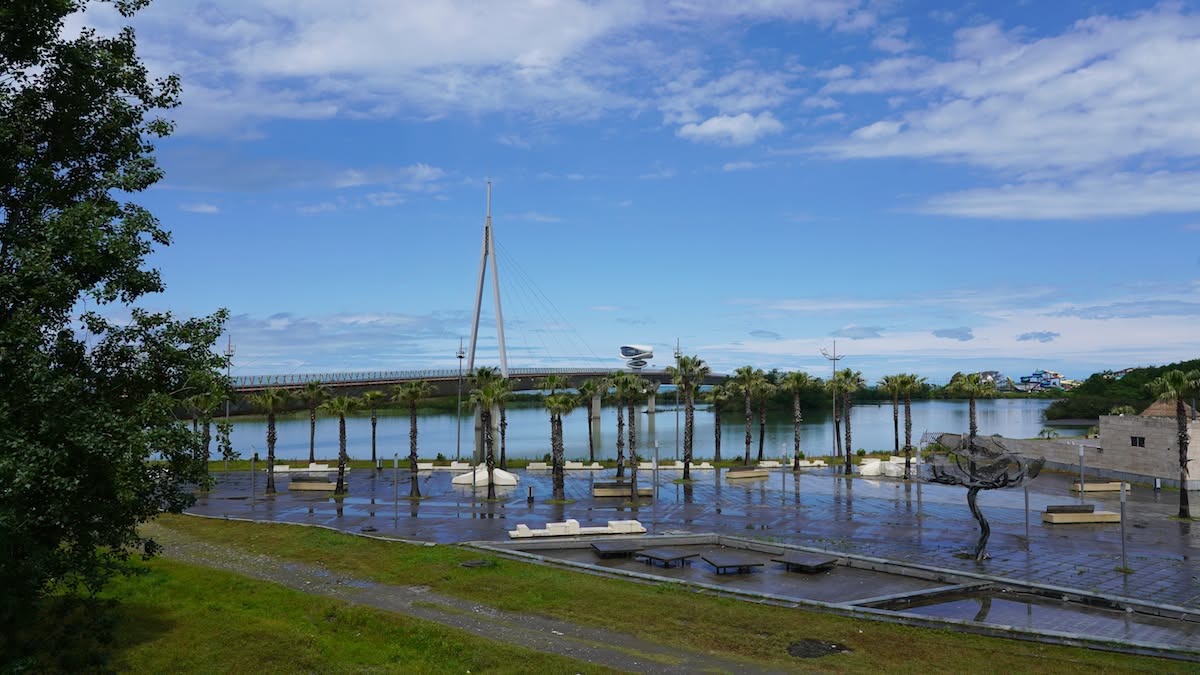
● The Georgian government has changed the development model for the Anaklia deep-sea port. Economy Minister Mariam Kvrivishvili said at a press conference that the state will retain 100% ownership of the port’s core infrastructure, while terminals will be leased to international operators. According to the minister, the new model will make it possible to attract a range of international partners. She said companies from Western countries, China, Azerbaijan, Central Asia and the Gulf states have expressed interest in the project. Under the new model, the government will need to mobilize an additional $200 million. The first ship is expected to arrive at the port by 2029. The decision has drawn criticism. The Civic Idea organization said the government had abandoned the foreign investor model and shifted the financial risks onto the state budget. The opposition accused the government of repeatedly changing the project’s model over the years, delaying implementation of the strategic port and bearing responsibility for those delays.
● A NATO summit will be held in Ankara on July 7-8, where leaders of member states and representatives of partner countries will discuss defense, regional security and support for Ukraine. Georgia is not on the list of invited countries. However, according to the Foreign Ministry, Foreign Minister Maka Bochorishvili will attend the “Allies in Ankara” event in Türkiye on July 7-8, organized by the Turkish Communications Directorate, the Foundation for Political, Economic and Social Research (SETA), and the Munich Security Conference (MSC).
● Bacho Akhalaia, Georgia’s former defense minister during Mikheil Saakashvili’s presidency, has been sentenced to two and a half years in prison for publicly calling for the violent overthrow of the constitutional order. He was detained in late 2025 in connection with an alleged attempt to seize the presidential administration. During a court hearing in that case, Akhalaia said that “Bidzina Ivanishvili, the founder of the ruling Georgian Dream party, and his government must be overthrown.” He was subsequently charged with publicly inciting the violent overthrow of the government. His lawyers rejected the charges, arguing that Ivanishvili holds no official position in the country. After Georgian Dream came to power in 2012, Akhalaia faced several criminal cases, including one involving the torture of prisoners.
● The verdict in the case of opposition politician Aleko Elisashvili, who is under arrest after allegedly attempting to set fire to a court building in Tbilisi, will be announced on July 10. Both the prosecution and the defense have already presented their closing arguments.
● President Mikheil Kavelashvili addressed the U.N. Global Dialogue on Artificial Intelligence in Geneva. He said the development of artificial intelligence must be based on respect for human rights and national sovereignty, and requires coordinated cooperation by the international community.
● Starting on Sept. 1, police will begin checking vehicle noise levels using a special portable device. The nighttime limit in populated areas is 80 decibels. Violations will carry fines ranging from 100 to 300 lari (about $30-$100), as well as penalty points on drivers’ licenses.
● Several districts of Tbilisi were flooded after heavy rainfall, including Didi Digomi, Gldani, Varketili and the Agmashenebeli Highway. A landslide occurred at a construction site near Vazha Pshavela metro station next to a residential building. Tbilisi City Hall said emergency services were working at the site. Meteorologists warned of heavy rain, hail, strong winds, rising river levels and the risk of landslides in eastern Georgia, especially the Kakheti region, through the first half of July 9.
Photo: Anaklia. Photo: JAMnews
-
Monday, 6 July, Georgia. ALDE accuses Georgia of becoming "the Kremlin's last stronghold in Eastern Europe"
● The Alliance of Liberals and Democrats for Europe (ALDE) adopted a special resolution on Georgia, saying that while Russia’s influence in the region is declining, the ruling Georgian Dream party has turned Georgia into “the Kremlin’s last stronghold in Eastern Europe.” ALDE called on the EU to impose targeted sanctions on those responsible for democratic backsliding and human rights violations, as well as on “the networks supporting Ivanishvili’s regime.” At the same time, the resolution stressed the importance of preserving visa-free travel for Georgian citizens. During the congress, an empty chair draped with the Georgian flag symbolized support for Elene Khoshtaria, the imprisoned leader of the opposition Droa party, which is a member of ALDE. Delegates also listened to her recorded address.
● The OSCE Parliamentary Assembly is preparing to adopt a critical resolution on Georgia. The draft calls on the Georgian authorities to release political prisoners, repeal restrictive legislation, investigate alleged election violations, and restore the independence of the judiciary and election administration. Nikoloz Samkharadze, head of the Georgian delegation to the assembly’s session in The Hague, criticized an earlier OSCE report and the activation of the “Moscow Mechanism” on Georgia, saying it contained factual inaccuracies.
● At the same session, Samkharadze also condemned the “agreement” signed by Russia with Georgia’s Tskhinvali region (South Ossetia), which provides for “deeper allied cooperation” between the sides.
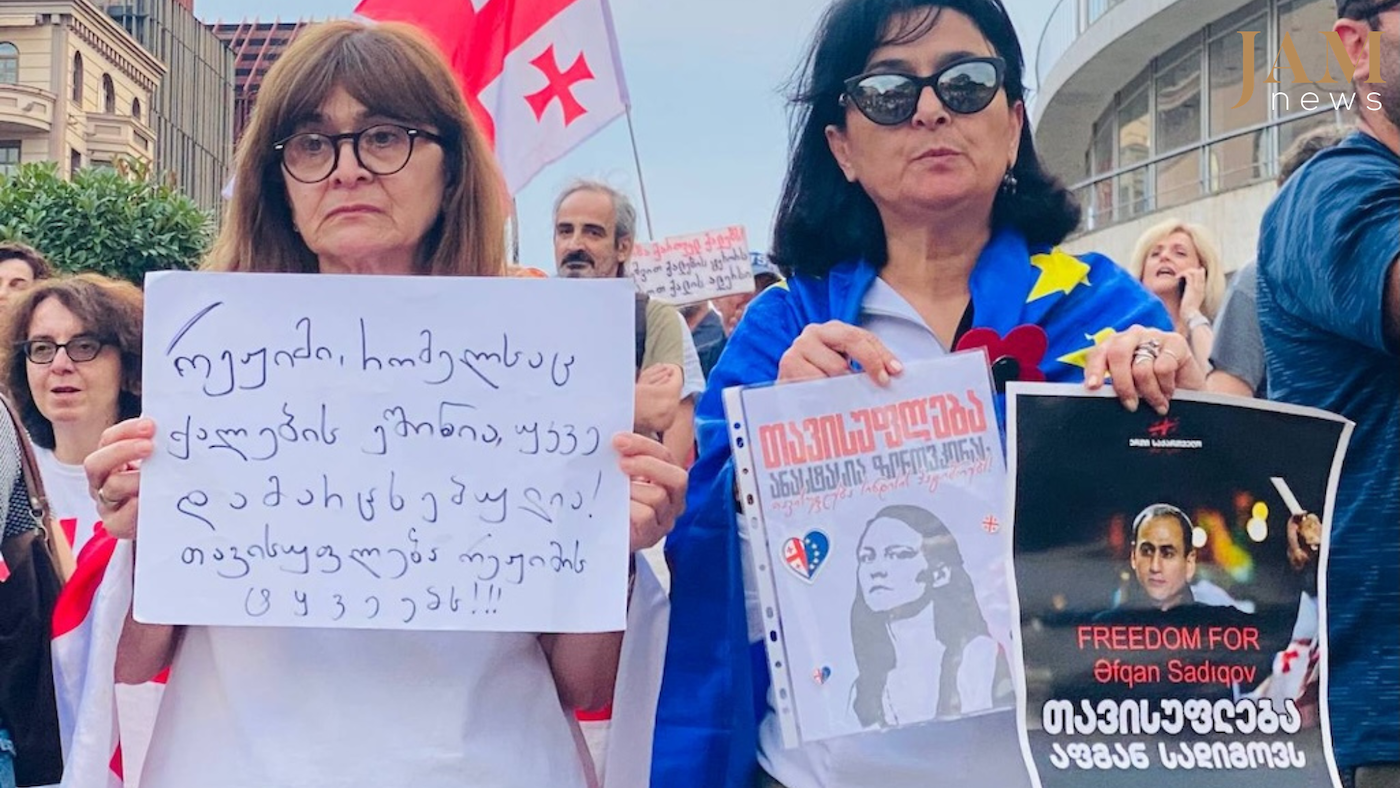
● A march under the slogan “Together for the Freedom of Women Prisoners of Conscience” took place in Tbilisi. Participants walked from the Philharmonic Hall to parliament carrying flags and banners before joining the ongoing anti-government protest. Speakers said the imprisonment of female politicians and journalist Mzia Amaghlobeli was an attempt by the government to show that women have no place in political struggle. Pro-European protests have continued in Georgia for more than a year and a half. Protesters are demanding that the country return to the path of EU integration, hold new parliamentary elections, and release those detained during the demonstrations.
● Participants in the protest sent an open letter to the European Union and its member states. The letter says democratic backsliding, political repression and the existence of political prisoners in Georgia require a stronger response from the EU. The authors thanked international partners for their support and said the protests would continue until political prisoners are released, Georgia’s European course is restored, and new free elections are held.
● Representatives of independent media have called for an open trial in the case of detained journalist Eliso Kiladze and for the lifting of what they describe as unjustified restrictions imposed on her. In a joint statement, they said Kiladze has been banned for four months from making phone calls, corresponding with others, or meeting family members, while her trial is being held behind closed doors. Kiladze is under arrest in connection with a fraud case involving so-called “call centers.” She denies the charges and says the case is politically motivated.
● Giorgi Malania, the underage son of a former Georgian deputy interior minister, has been sentenced to prison in connection with the killing of young teacher Gigi Avaliani in Tbilisi. Prosecutors accused Malania of aiding and inciting the intentional infliction of grievous bodily harm by providing the attackers with information about Avaliani’s movements and work schedule. Three other people have already been convicted in the case.
● During the state visit of Uzbekistan’s president to Georgia, the two sides discussed prospects for economic cooperation. The talks focused on the development of the Middle Corridor and closer transport cooperation. Uzbekistan’s economy and transport ministers, who were part of the delegation, visited the construction site of the Anaklia deep-sea port in western Georgia, the port of Poti, and the nearby free industrial zone.
● Georgian President Mikheil Kavelashvili attended a farewell ceremony in Tehran for an ayatollah killed by U.S. and Israeli forces. During the ceremony, crowds chanted “Death to America,” “Death to Israel,” and “Revenge.” Kavelashvili’s participation drew sharp criticism from Georgia’s opposition and parts of the public.
● Georgia’s Interior Ministry said 50 foreign nationals staying in the country illegally were detained during a special operation. They have been transferred to a temporary detention center while deportation procedures are underway.
● Georgia’s national basketball team defeated reigning world champion Spain 91-89 in a World Cup qualifying game in Tbilisi. Tornike Shengelia was named player of the match after scoring 37 points and grabbing 10 rebounds.
-
Monday, 6 July, Armenia. Nikol Pashinyan: "Adopting a new constitution remains on the agenda of Armenia's parliamentary majority"
● Prime Minister Nikol Pashinyan congratulated Donald Trump and Vice President J.D. Vance on the 250th anniversary of U.S. independence. “I consider it important to highlight your steadfast leadership in the peace process between Armenia and Azerbaijan. The Trump Route project, being implemented by our two countries, will undoubtedly become an important guarantee of peace and pave the way for a more peaceful, interconnected and prosperous region,” Pashinyan wrote. He also said Vance’s visit to Armenia in February was significant and “served as a guarantee of high-level political dialogue and mutual trust between Armenia and the United States.”
● Armenia’s Foreign Ministry also sent a congratulatory message. “Yerevan and Washington are marking a historic milestone in bilateral relations that opens broad opportunities. We look forward to further strengthening our ties for the benefit of our peoples,” it said.
● Prime Minister Nikol Pashinyan is due to meet Russian Prime Minister Mikhail Mishustin in Yekaterinburg on the sidelines of the Innoprom industrial exhibition. Russian sources said Mishustin has also scheduled meetings with the prime ministers of Belarus and Kyrgyzstan, Adylbek Kasymaliev.
● Adopting a new constitution remains on the agenda of Armenia’s parliamentary majority, Prime Minister Nikol Pashinyan said in an address marking Constitution Day. “A constitution establishes the rules by which a country lives, and it matters who sets those rules and how. Since independence, this principle has been significantly undermined, and the people of Armenia do not feel they have ownership over the legal order that governs the country,” he said, adding that this policy had received public backing in the June parliamentary elections.
The issue of constitutional reform is highly sensitive in Armenia because Azerbaijan has long insisted that constitutional amendments are a precondition for signing a peace treaty. Armenia’s current constitution refers to the Declaration of Independence, which includes a reference to the reunification of Armenia and Nagorno-Karabakh. Armenian officials, however, have repeatedly said that constitutional reform is an internal matter and is not being discussed with any foreign country. On June 10, Justice Minister Srbuhi Galyan said a draft of the new constitution would be published for public discussion in the coming weeks, without giving a specific timeline.
● President Vahagn Khachaturyan also addressed the nation, saying the constitution should not remain a document detached from the times and must respond to modern challenges.
● European Commissioner for Enlargement Marta Kos praised her recent high-level talks in Yerevan, Baku and Ankara. “I have just returned from Türkiye, Azerbaijan and Armenia, where we took our work on connectivity to the next level. This can help secure lasting peace in the South Caucasus while diversifying trade and energy routes between Europe and Asia,” she said.
● Armenia and the European Union held the 15th round of their Human Rights Dialogue at the Foreign Ministry. The sides agreed to continue cooperation on human rights within the framework of the Armenia-EU Partnership Agenda and the Visa Liberalisation Action Plan. They also stressed the importance of supporting vulnerable groups, including Armenians displaced from Nagorno-Karabakh. The EU reaffirmed its continued support for their integration into Armenian society.
● Security officers searched the home of Gagik Tsarukyan, leader of the pro-Russian opposition Prosperous Armenia party, from early morning. A party spokeswoman said lawyers were not being allowed into the house. The Investigative Committee said investigative actions were being carried out as part of a criminal case.
● Armenia’s Constitutional Court rejected the opposition’s request to annul the results of the June parliamentary elections. The ruling is final. Five pro-Russian opposition groups announced the start of a new phase of “political resistance.” Read more here
● Governments need to do more to increase women’s participation in diplomacy, UNDP Resident Representative in Armenia Natia Natsvlishvili said at an event titled “Diplomacy for All: Expanding Boundaries, Representation and Influence.” “As of 2025, women make up around 22% of the diplomatic corps, a significant increase compared with the previous decade. Nevertheless, leadership positions in diplomacy remain far from gender-balanced,” she said.
● Strong winds in Yerevan and surrounding areas brought down trees, damaged power lines and blocked roads.
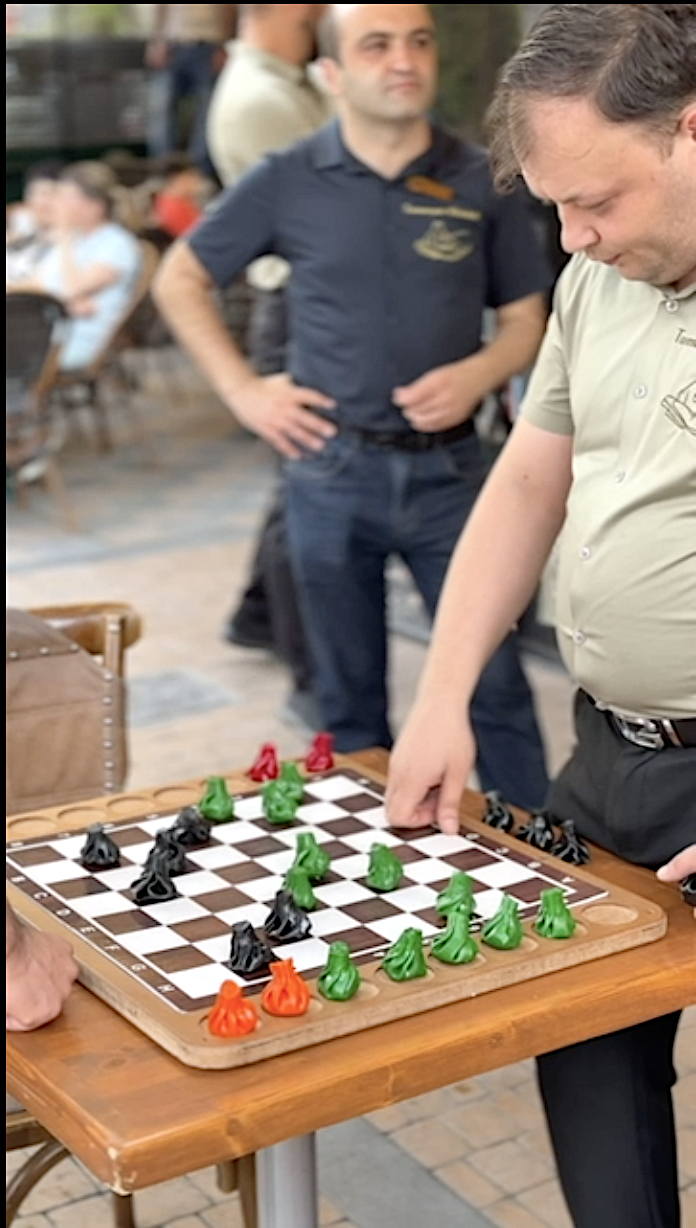
Photo JAMnews: Khinkali chess in Yerevan
-
Monday, 6 July, Azerbaijan. Ethnic Azerbaijanis serving in Ukraine's police honored in Kyiv
● President Ilham Aliyev congratulated Donald Trump on U.S. Independence Day and the country’s 250th anniversary. In his letter, Aliyev expressed deep appreciation for the U.S. president’s efforts to advance the peace agenda in the South Caucasus, saying they had helped create a situation in which “today Azerbaijan and Armenia live in peace and are developing trade relations.” The letter also highlighted longstanding U.S. support for infrastructure projects, particularly the TRIPP project, which is expected to provide an alternative, reliable and secure transport link between Asia and Europe. “We attach great importance to the further development of the mutually beneficial cooperation between Azerbaijan and the United States, which has enormous potential,” the letter said.
● The U.S. Embassy thanked Azerbaijan after the Heydar Aliyev Center in Baku was illuminated in the colors of the American flag to mark the 250th anniversary of the United States. “This symbolic gesture is a wonderful reminder of the more than three decades of friendship between the United States and Azerbaijan, as well as the significant progress our countries have achieved together since August 8, 2025,” the embassy said.
● Russian drones, which have intensified attacks on fuel stations across Ukraine in recent days, destroyed a filling station owned by Azerbaijan’s state energy company SOCAR in Ukraine’s Mykolaiv region (pictured). SOCAR Energy Ukraine said all employees were in a shelter at the time of the attack and no one was injured. The company recalled that two of its filling stations in Ukraine’s Zhytomyr and Odesa regions were heavily damaged in Russian attacks last summer, leaving four people seriously injured.
● Speaker of Zimbabwe’s National Assembly Jacob Francis Nzwidamilimo Mudenda is on an official visit to Azerbaijan. Meetings with Azerbaijani officials are scheduled.
● Balakishi Gasimov, director of Azerbaijan’s Public Television, said traditional media in Azerbaijan and around the world face serious challenges from the rapid growth of social media. “Today, television channels merely confirm news that has already spread through social media because viewers still trust television. Around the world, traditional TV is sinking like the Titanic. There are now two options: either continue playing like the orchestra on the Titanic, knowing the ship is sinking, or look for a way out,” Gasimov said.
● At the initiative of the United Azerbaijani Diaspora of Ukraine, ethnic Azerbaijanis serving in Ukraine’s police and other law enforcement agencies were honored at a ceremony in Kyiv. Ukrainian officials, staff from the Azerbaijani embassy and representatives of the Azerbaijani diaspora attended the event.
● The 15th International Silk Road Festival has opened in Azerbaijan.
-
Top stories in Azerbaijan, Armenia, and Georgia from June 29-3 July, 2026