Georgian NGOs: State has used torture and abuse as political weapon for years






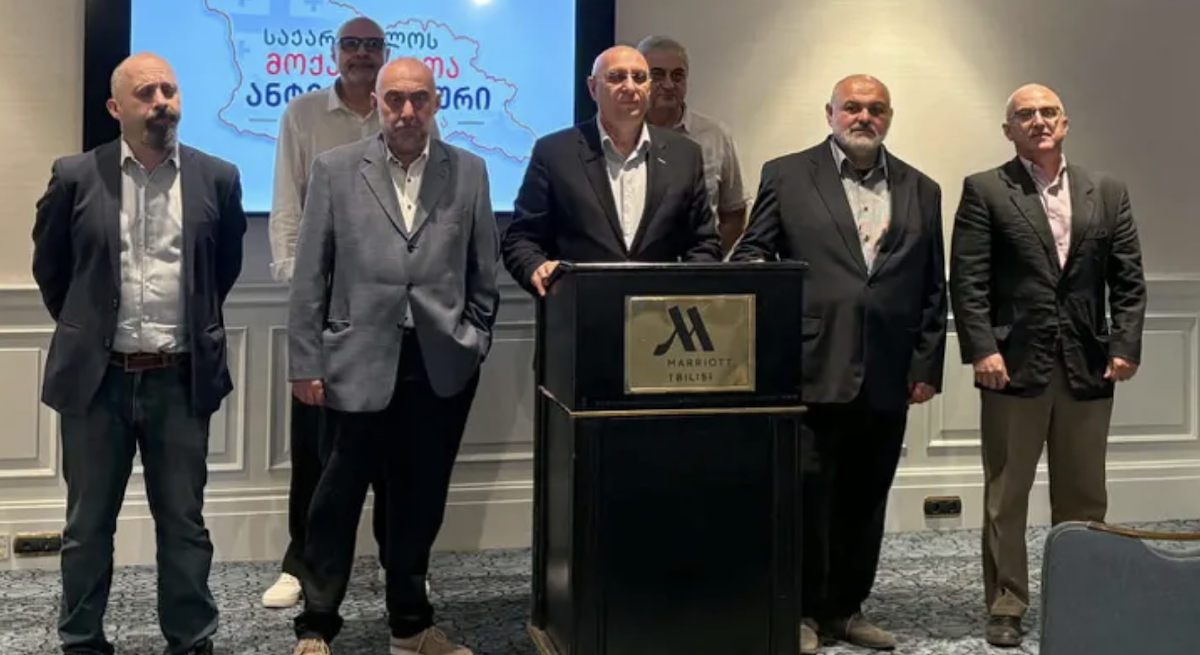
On the International Day in Support of Victims of Torture, Georgian non-governmental organisations issued a joint statement accusing the authorities of allowing torture and ill-treatment to become a systemic problem and using them for political purposes.
The statement says that, despite Georgia’s national and international commitments, the state has spent years creating an environment that encourages torture and ill-treatment. The organisations also argue that the authorities fail to hold those responsible to account and ignore recommendations from both international organisations and local human rights groups.
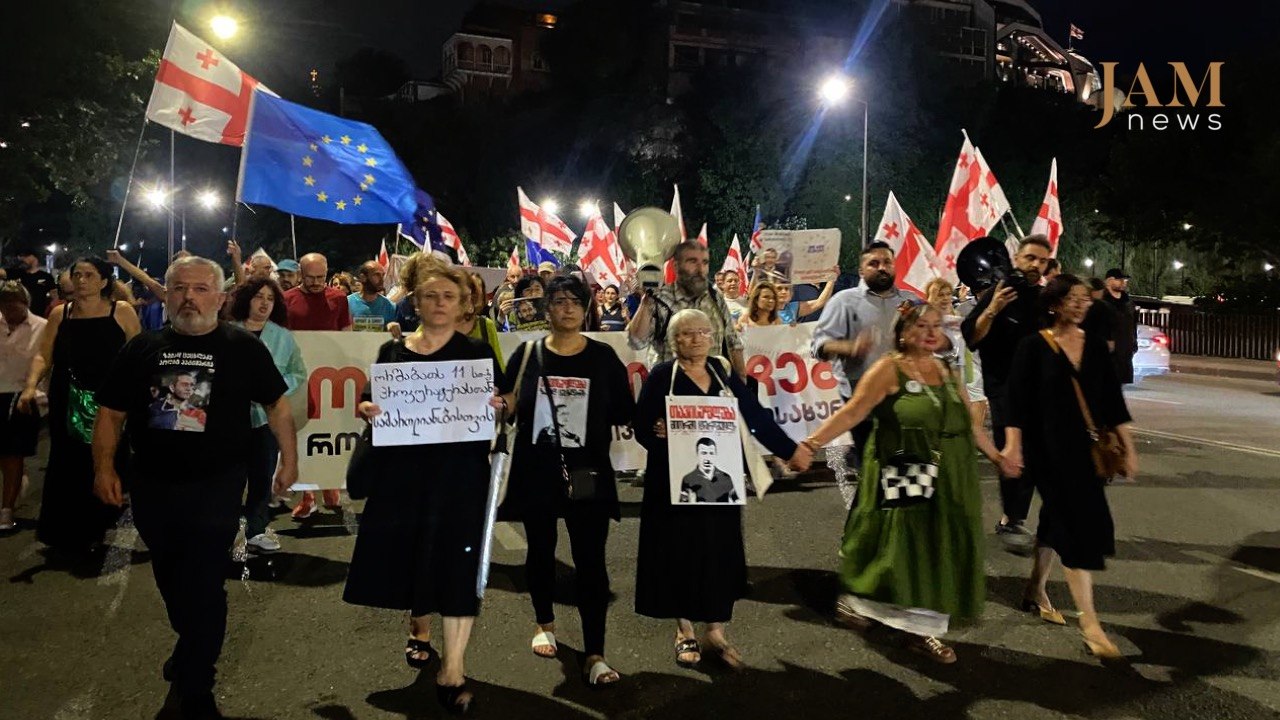
According to the NGOs, the problem became particularly acute during protests in November and December 2024. They say law enforcement officers used torture and ill-treatment against peaceful demonstrators between 28 November and 7 December 2024, as well as on 2 February 2025.
The organisations say documentation collected by local human rights groups supports these claims. They also cite reports by Georgia’s Public Defender and international monitoring bodies, including the European Committee for the Prevention of Torture and the OSCE Moscow Mechanism.
The statement also refers to the protests in spring 2024, when rights groups also documented cases of ill-treatment by law enforcement officers.
The organisations draw particular attention to the use of special equipment during the 2024 demonstrations. They argue that adding chemical irritants to water cannons without a clear legal framework amounts to the use of experimental weapons.
The statement also cites figures from Georgia’s Public Defender. It says that between 1 March 2025 and 20 February 2026, representatives of the ombudsman’s office visited 131 people detained during protests. Of those, 35 alleged police ill-treatment, while 17 had visible injuries.
The NGOs also point to cases in which people detained in 2025 said police forced them to strip completely under the pretext of a personal search. The organisations argue that the practice violates human dignity and breaches international standards.
The authors of the statement say court hearings in 2025 and 2026 identified at least 17 cases in which people detained on criminal charges in connection with protest rallies alleged ill-treatment.
The organisations argue that the problem extends beyond protests. They cite the alleged group assault of a civilian by police officers in the city of Gori in May 2026. They also refer to footage broadcast by TV Pirveli on 13 June, which they say shows violence against detainees inside a police station.
According to the statement, ineffective state investigations, the misclassification of alleged offences and impunity for those responsible have entrenched the practice of torture and ill-treatment. The organisations also say police officers are still not required to wear body cameras, officers often lack identification badges, and the abolition of the Special Investigation Service in 2025 further weakened the mechanism for independently investigating alleged police abuse.
The authors also criticise the authorities’ approach to civil society. They argue that the ruling Georgian Dream party is trying to restrict the work of non-governmental organisations through restrictive legislation, foreign agent designations, the threat of criminal liability and other measures. As a result, they say, alleged victims of torture are left without legal, psychological and other forms of support.
The NGOs conclude that torture and ill-treatment have become a systemic and widespread practice in Georgia that serves to strengthen authoritarian rule.
The organisations end the statement with a series of recommendations for the authorities. Among other measures, they call for an independent and effective investigation into allegations of violence during the 2024 protests, accountability for those allegedly responsible and their superiors, mandatory body cameras for police officers, compulsory identification badges on police uniforms, a ban on the practice of forcing detainees to strip completely, an explicit prohibition on adding chemical agents to water cannons, and rehabilitation and compensation for victims of torture and ill-treatment.
Georgian NGOs’ statement on torture in Georgia