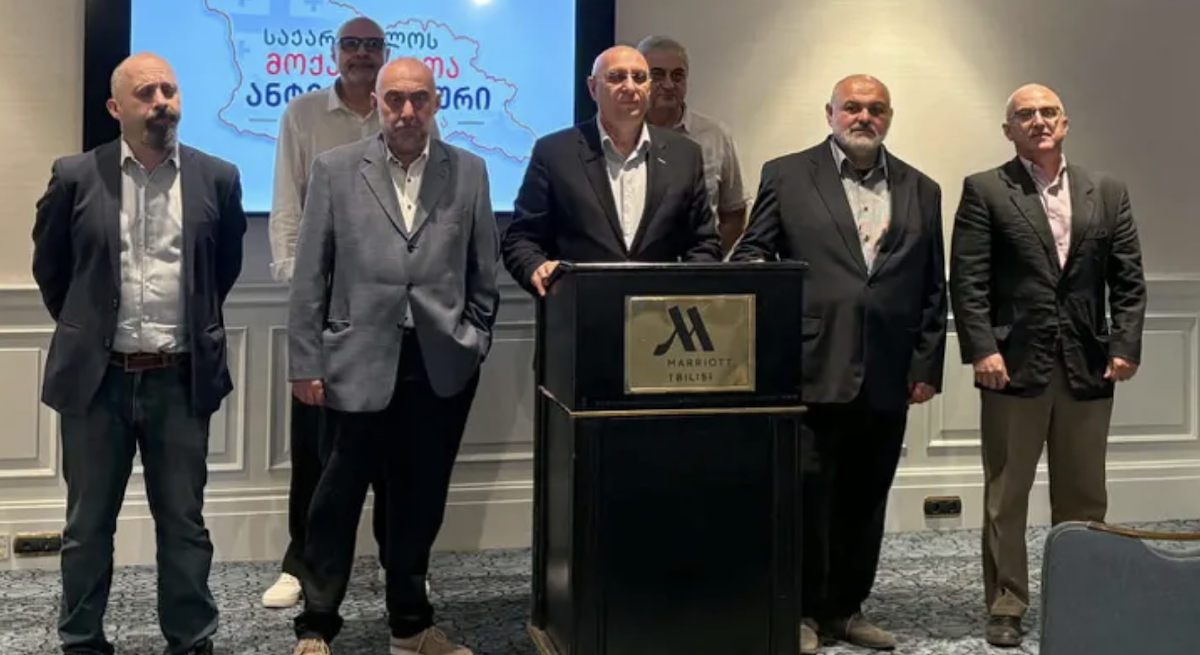
AlgorithmWatch: Georgia's interior ministry uses sanctioned Russian facial recognition system






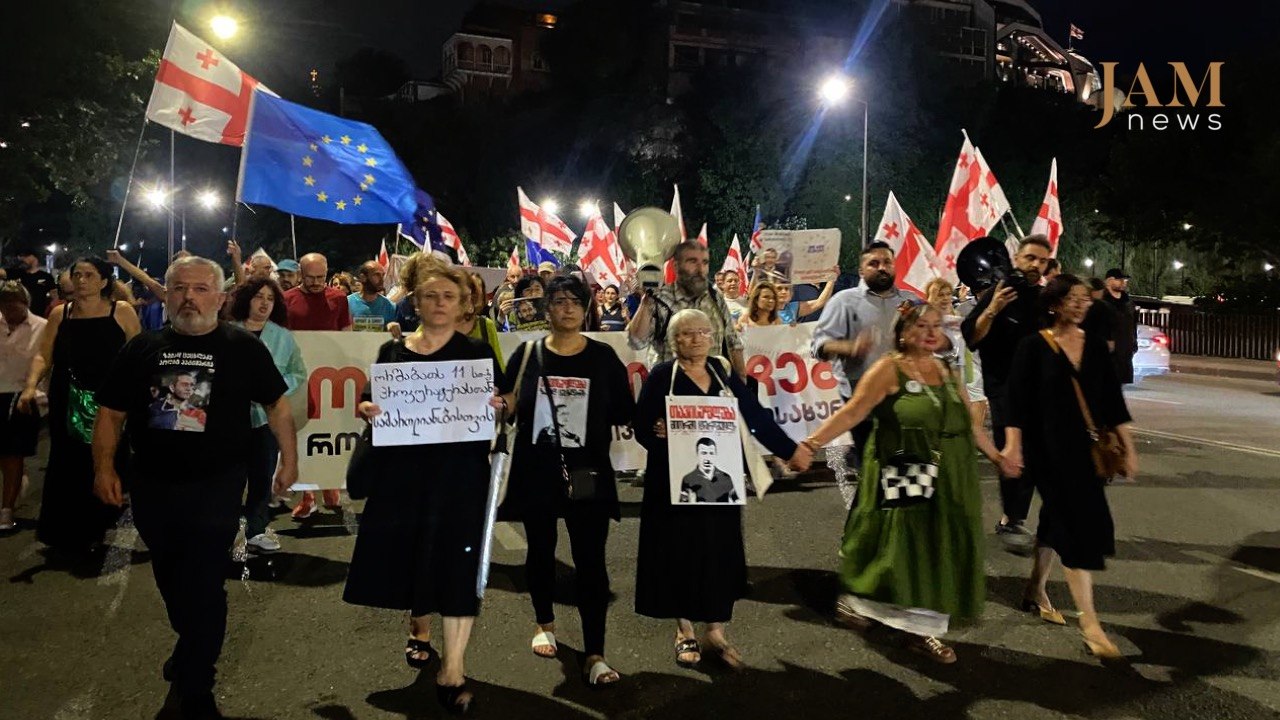
Georgia‘s Interior Ministry uses Polyface, a facial recognition system developed by the sanctioned Russian company Papillon AO, to identify and monitor participants in protest rallies, according to the international investigative outlet AlgorithmWatch.
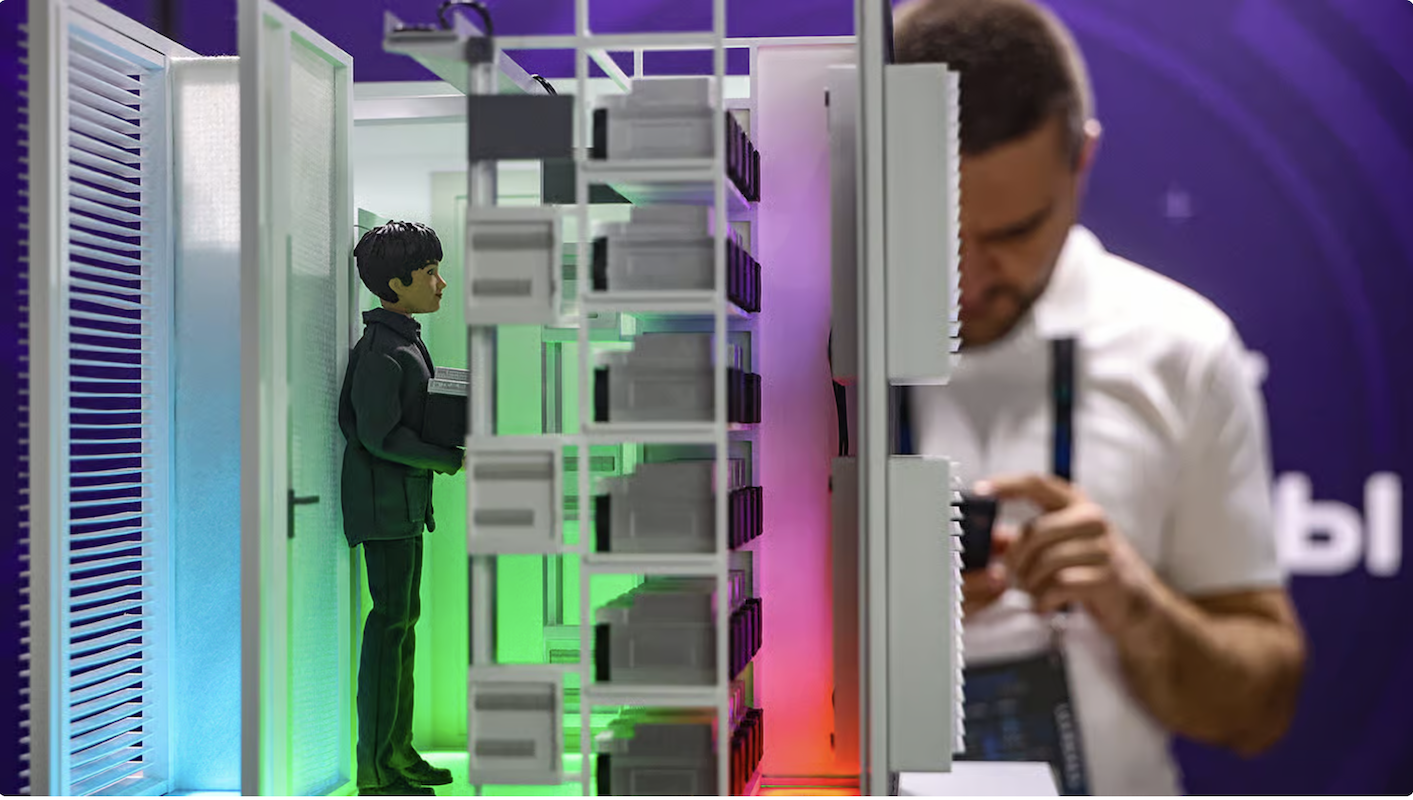
According to the publication, the system remains under Russian jurisdiction. It says this increases the risk that Russian security services could gain access to the biometric data of Georgian citizens, posing a threat to both Georgia’s national security and civil activists.
AlgorithmWatch notes that Papillon AO is under sanctions imposed by Switzerland, Ukraine, Japan and the United States. According to the publication, Russian law enforcement agencies and countries closely aligned with Moscow, including Tajikistan, Turkmenistan, Kazakhstan and Belarus, primarily use the company’s technology.
“Russia, which now supplies Georgia with surveillance technology, invaded the country in August 2008 and subsequently recognised South Ossetia and Abkhazia as independent states,” the publication says.
According to the report, authorities have upgraded the Polyface system five times over the past 11 years. In October 2024, they also granted it an indefinite licence. The 2018 upgrade contract required Russian specialists to train operators from Georgia’s Interior Ministry directly.
AlgorithmWatch also reports that in early June 2025, Georgia’s Interior Ministry purchased the latest software update, Polyface 3.7.0.

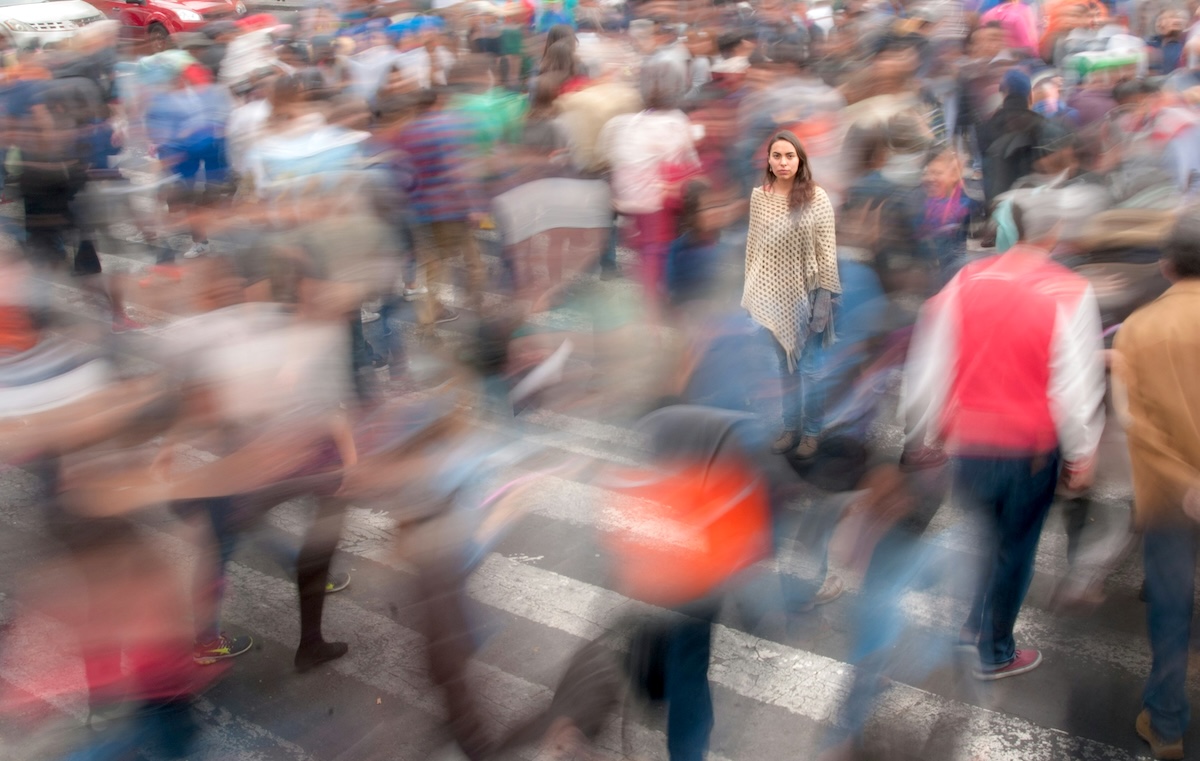
The publication says this version relies on an algorithm developed by the Russian company 3DiVi, which is based in Novosibirsk and receives financial support from a Russian state fund. According to the report, the software can capture high-resolution images of crowds numbering in the thousands, even in low-light conditions. It can also identify individuals wearing masks or with partially covered faces.
Drawing on procurement documents, AlgorithmWatch also reports that Georgia’s Interior Ministry has removed the existing limit on the number of system operators. Until 2025, no more than 30 operators could use the platform at the same time. Under the new procurement requirements, however, the ministry requested a licence allowing an unlimited number of operators. The publication says this points to an expansion of surveillance capabilities during large-scale protests.
Facial recognition system in Georgia