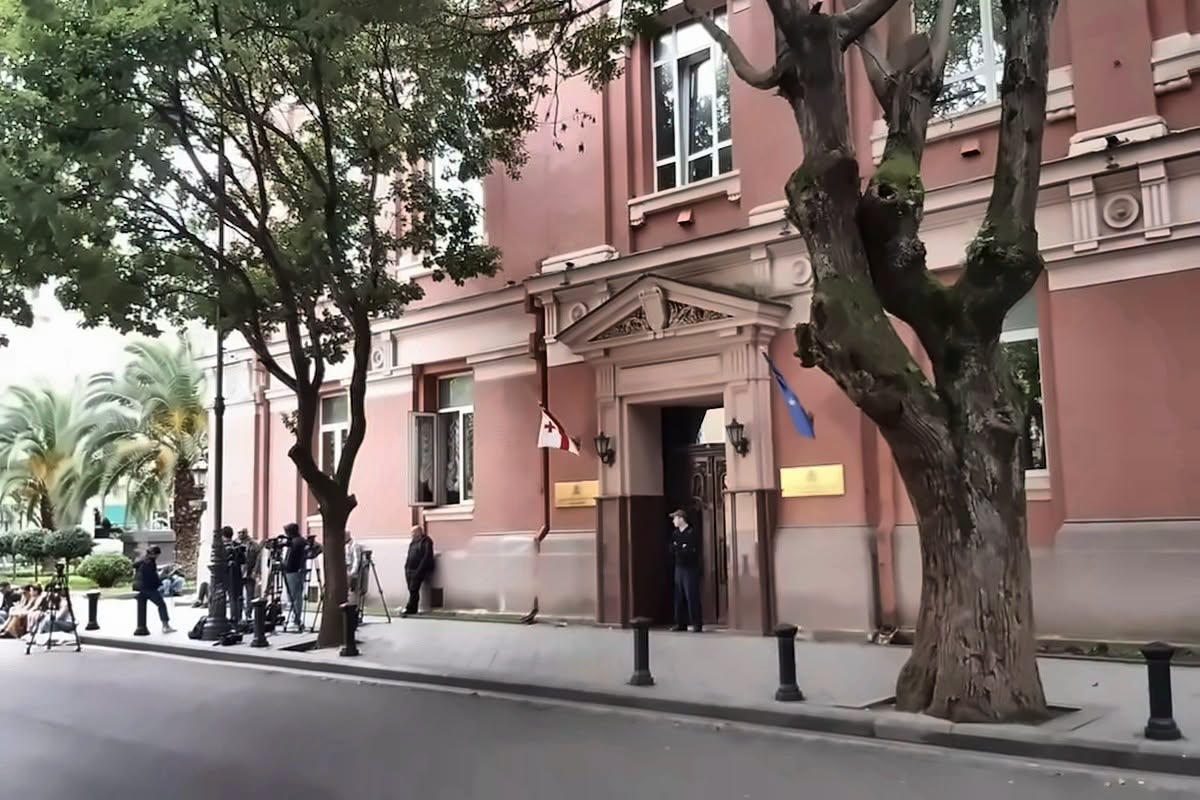
Georgia's Social Justice Center: 'Changes in Tskhinvali mark new stage of Russia's annexation'






Assessment of the changes in Tskhinvali
According to the Social Justice Center, developments in Georgia’s Russian-occupied Tskhinvali region in recent weeks suggest that Russia has entered a new phase of the region’s de facto annexation.
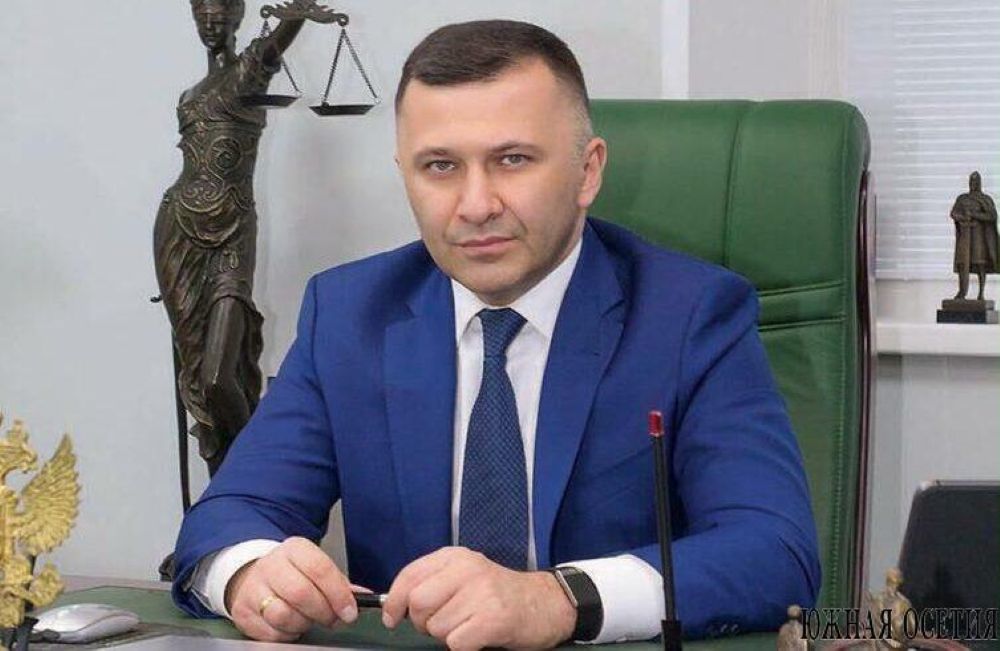
The organisation highlights two key developments: a new agreement signed between Moscow and Tskhinvali on 9 May 2026, and the appointment of Marat Kambolov, a representative of North Ossetia, first as the de facto prime minister of South Ossetia and later as the acting de facto president following the resignation of Alan Gagloev.
The organisation argues that these developments indicate Moscow is no longer satisfied with exercising indirect control over the region and is moving towards direct administrative rule through the de facto authorities.

The Social Justice Center says the 9 May agreement on “deepening allied cooperation” has launched a qualitatively new stage in relations between Russia and South Ossetia. According to the organisation, the document goes beyond deeper cooperation in security and the economy. It also allows citizens of one side to hold positions in the state and municipal bodies of the other.
The organisation argues that this provision made it possible to appoint Marat Kambolov, an official from Russia’s administrative system, to one of the most senior positions in the de facto government in Tskhinvali.
The Social Justice Center says Kambolov’s appointment should not be viewed as a routine personnel change or simply a technical response to a local political crisis. It argues that Moscow has directly inserted one of its own administrative officials into the de facto government in Tskhinvali. In the organisation’s view, this reflects Russia’s intention to reduce its reliance on local elites and take direct control over key parts of the region’s administration.
The Social Justice Center analyses the current developments in the context of three agreements signed since 2008 and argues that they form part of a consistent, gradual policy of annexation.
According to the organisation, the 2008 agreement established the legal framework for Russia’s military and political presence. The 2015 agreement deepened integration in security, customs, social policy and public administration. The 2026 agreement, it argues, marks a shift towards the direct integration of state institutions.
The organisation says the latest agreement goes beyond a standard model of cooperation. It includes mechanisms for creating a common economic space, harmonising legal rules, aligning labour and social legislation, and gradually integrating infrastructure systems.
In the Social Justice Center’s assessment, these measures create the conditions not only for expanding Russia’s political influence but also for giving Russian citizens, capital and institutions broader access to the occupied territory.
The Social Justice Center stresses that the agreements signed between Russia and the de facto authorities in Tskhinvali cannot alter the legal status of the Tskhinvali region as Georgian territory under Russian occupation, although they carry significant practical consequences.
According to the organisation, the agreements strengthen Russia’s effective control over the region, further limit the political choices available to the local population, and expand Russia’s military, economic and administrative involvement. In its view, these developments deepen the reality of de facto annexation.
The organisation also criticises the Georgian government’s response, saying it has failed to take a clear and specific position on the latest developments. The Social Justice Center notes that parliament also rejected a proposal to adopt a special resolution addressing the 9 May agreement.
In the organisation’s assessment, this silence is particularly troubling because developments in the Tskhinvali region now go beyond individual personnel changes and increasingly point to Russia’s institutional integration of the occupied territory.
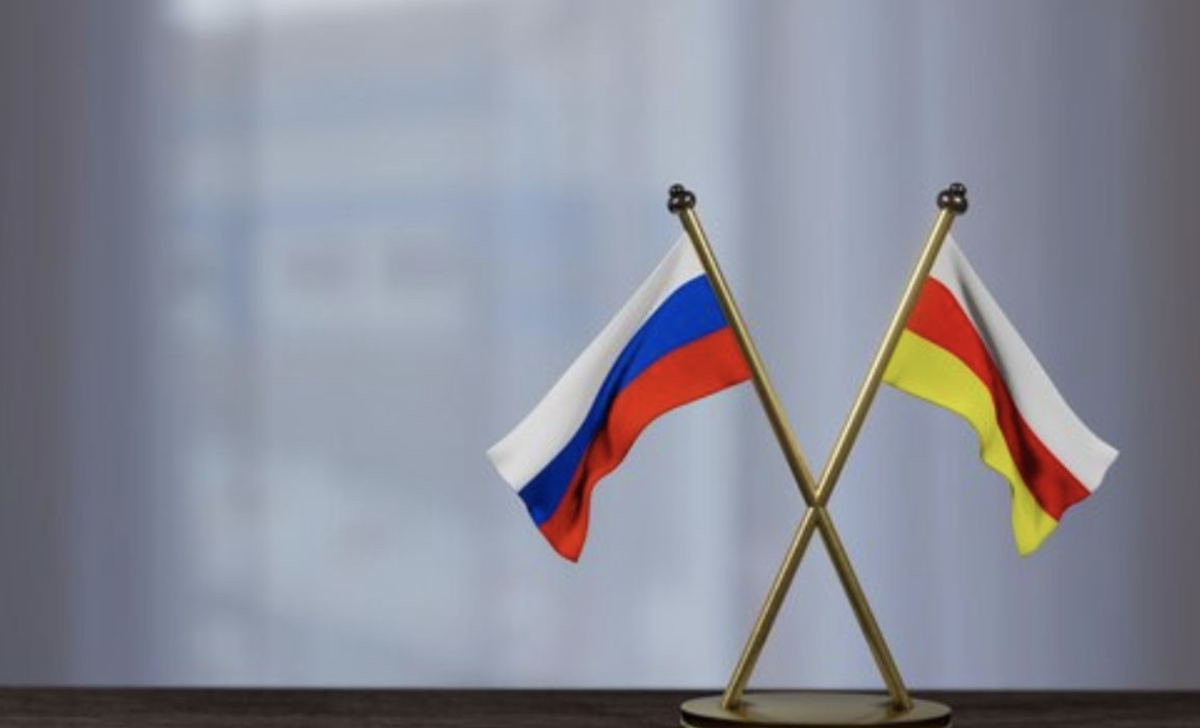
According to the Social Justice Center, the 2026 agreement and Kambolov’s appointment together create a new reality in which the de facto authorities in the occupied region are becoming increasingly integrated into Russia’s administrative system.
The Social Justice Center calls on the Georgian government to:
- Clearly and publicly describe the 2026 agreement and Kambolov’s appointment as a new stage in Russia’s policy of annexation;
- Step up diplomatic engagement with the EU, the UN, the OSCE, the Council of Europe and other international bodies to present these developments as a serious threat to Georgia’s territorial integrity and regional security;
- Urge international partners not to recognise and to condemn all so-called integration agreements implemented by Russia in the occupied territories;
- Strengthen monitoring of human rights in the occupied region, particularly with regard to property rights, freedom of movement, social rights, citizenship, demographic change and the political participation of the local population;
- Develop a consistent, human rights-based policy on de-occupation and reconciliation.
Assessment of the changes in Tskhinvali