Georgian parliament speaker: 'PACE and European Parliament resolutions crossed ‘red line’'






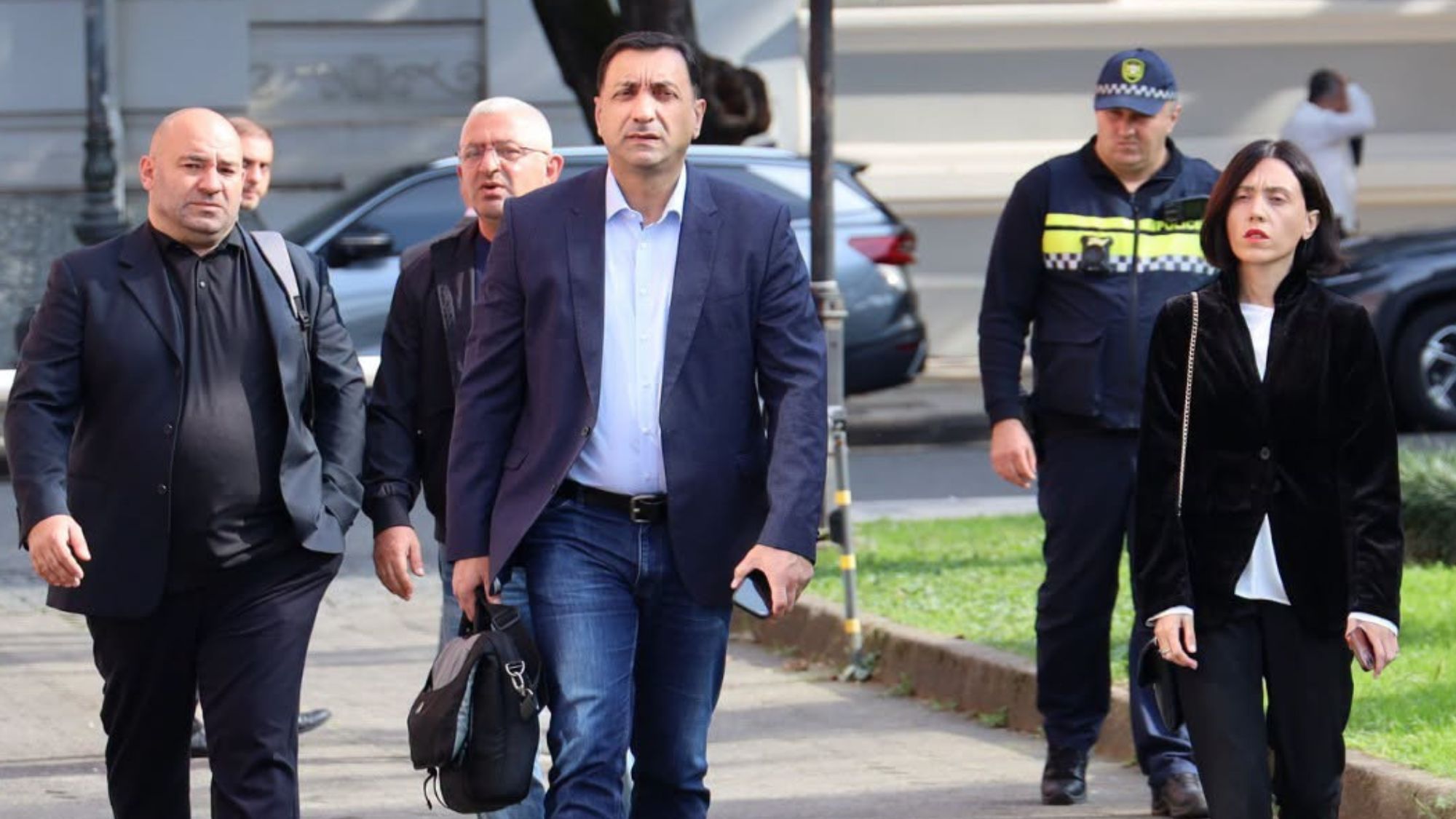
Georgian parliament speaker on the PACE resolution
Georgian Parliament Speaker Shalva Papuashvili has described recently adopted resolutions by the European Parliament and the Parliamentary Assembly of the Council of Europe as a “blatant attack” on Georgia’s sovereignty. He said the documents had crossed the “red lines” set by the Georgian people.
On 24 June 2026, the Parliamentary Assembly of the Council of Europe (PACE) adopted a critical resolution on Georgia. Eighty-four members voted in favour, one voted against and four abstained. The resolution reaffirms the Assembly’s previous assessments and says that Georgia continues to move away from democratic principles. It also says pressure on civil society, the opposition and critical voices continues. Earlier, on 17 June, the European Parliament adopted a separate resolution stating that Georgia’s EU accession process has effectively been suspended. It said the ruling Georgian Dream party bears full responsibility for the situation.
Speaking at a briefing, Papuashvili said the recent resolutions adopted by the European Parliament and the Parliamentary Assembly of the Council of Europe not only question the legitimacy of Georgia’s government but also contradict the very idea of Georgian statehood.
He argued that, by invoking the name of the European Union and the idea of European integration, the European Parliament had effectively challenged the independence and sovereignty that, in his words, the Georgian people had won “through struggle and bloodshed.”
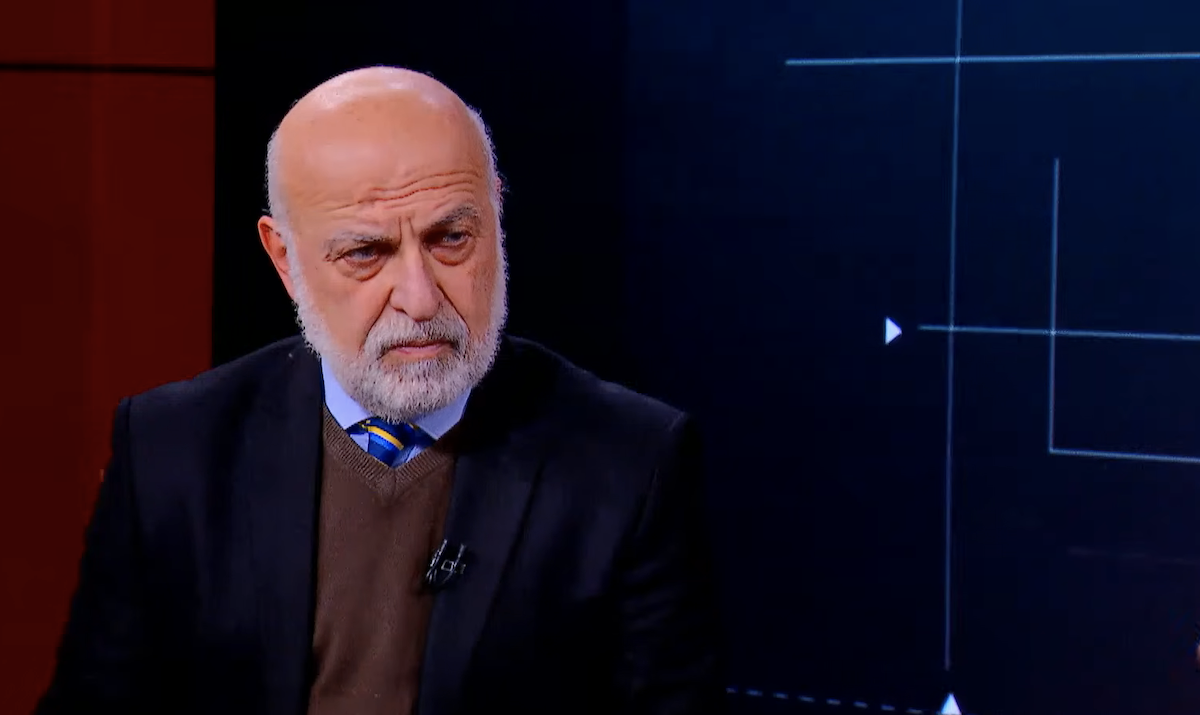
According to Papuashvili, the European Parliament resolution, drafted by Lithuanian MEP Rasa Juknevičienė, sends the political message that the legitimacy of Georgia’s government should be determined not by Georgian voters but by what he described as “Brussels’ political bureaucracy”. He argued that this approach contradicts the fundamental democratic principle that the people are the ultimate source of political authority.
“The European Parliament is effectively saying that Georgia’s government should derive its legitimacy from the confidence of the EU’s political elite rather than from the choice of the Georgian people. That reflects the logic of feudal vassalage, not a union of equal partners,” Papuashvili said.
He also argued that the European Parliament treats the legitimacy of Georgia’s government as an issue that external political centres can decide rather than Georgian voters. Papuashvili compared this approach to Russia’s policy towards Georgia’s occupied territories. He said Moscow denies Georgia’s sovereignty over those territories, while the European Parliament refuses to recognise Georgia’s sovereignty over the country as a whole.
Papuashvili also highlighted the resolution’s reference to the Georgian Orthodox Church. He said linking the Church to Russian religious networks and influence operations amounted to “the first open attack on the Georgian Church by an official European institution” and insulted the religious beliefs of millions of worshippers.
He added that it was essential for the ruling party that the European Commission clearly distance itself from the European Parliament’s position. According to Papuashvili, EU institutions should understand that attacking both the Georgian Orthodox Church and Georgia’s sovereignty amounts to an attack on the country’s historical foundations.
At the briefing, Papuashvili also responded to the European Parliament’s recognition of former Georgian President Salome Zourabichvili as the country’s legitimate representative. He argued that Zourabichvili no longer holds state authority under Georgia’s Constitution and laws, while the European Parliament describes the parliament, government and president elected by the Georgian people as a “de facto government”. According to Papuashvili, that assessment shows disrespect for the 2.1 million voters who expressed their political will in the parliamentary elections.
The parliamentary speaker also said the EU bureaucracy should take effective steps to restore dialogue with Georgia. He argued that this would require ending what he described as “hostile rhetoric” towards the Georgian people and the Georgian Orthodox Church, stopping what he called disinformation against Georgia’s democratically elected government, and fully recognising the country’s sovereignty.
“It is hypocritical for the European Parliament to condemn violations of Ukraine’s sovereignty while at the same time trying to decide the legitimacy of Georgia’s government instead of leaving that decision to the Georgian people,” Papuashvili said.
He argued that this “selective application” of the principles of international law and the right of peoples to self-determination shows that the European Parliament does not respect the equality of states or the free will of nations.

Georgian parliament speaker on the PACE resolution